Particle board is an engineered wood board made from compressed wood chips and particles. It is light, easy to finish, and often used in shelves, cabinets, tables, and kitchen units. Here’s how to understand its strengths, limits, grade A quality, and simple care needs.
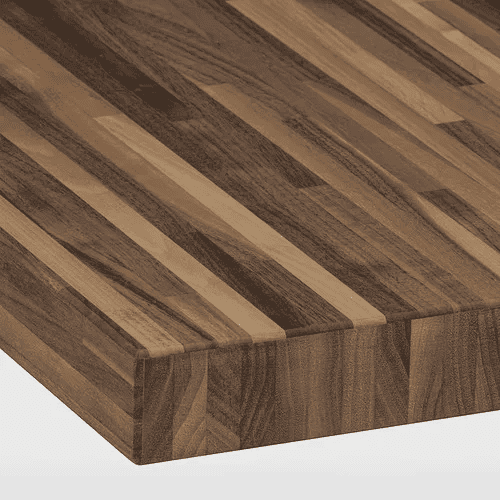
Caption: The PINNARP countertop uses a particle board core with a thick wood veneer layer, giving it a smooth, even surface with a warm wood feel.
What is particle board?
Particle board is an engineered wood material made from wood chips and particles that are pressed together under high pressure. It is often used as the core material inside everyday furniture, such as shelves, wardrobes, tables, cabinets, and kitchen units.
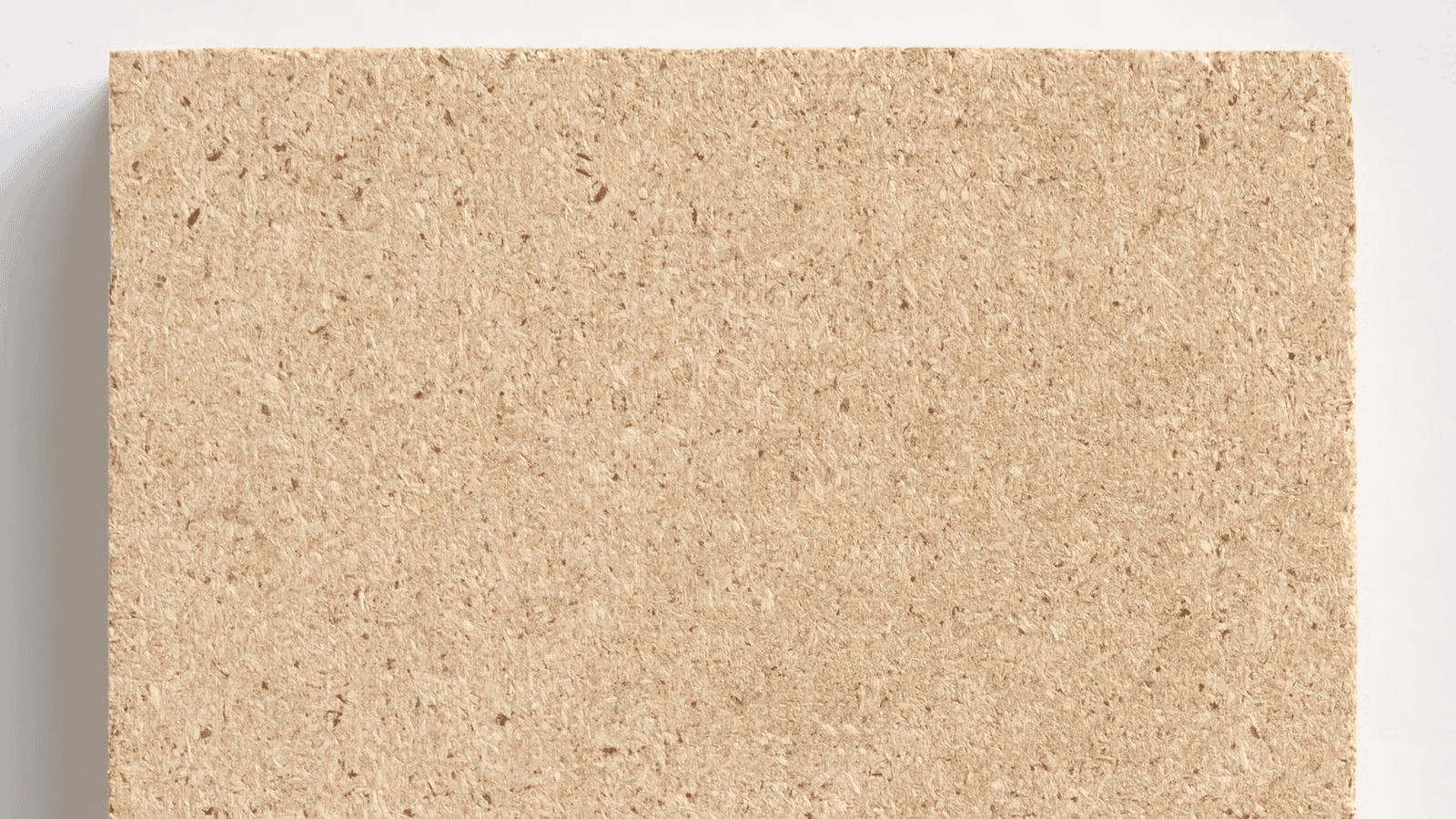
Caption: Before it is covered, particle board shows a dense structure of compressed wood particles.
It also helps make better use of wood left over from production. Instead of relying only on large pieces of solid wood, smaller wood particles can be turned into something useful for the home. With the right finish, particle board can have a smooth, neat surface that works well for daily furniture.
Benefits of particle board
Particle board can be a practical choice for everyday furniture because it is lighter than solid wood, works well for ready-to-assemble designs, and can be finished with laminate, foil, or veneer for a smoother look. You will often find it in bookcases, cabinets, shelves, and countertops, where the material helps balance storage, surface finish, and easier handling at home.
It is lighter, but still supports everyday use
Particle board is usually lighter than solid wood. This can make furniture easier to move, assemble, and place in different rooms at home.
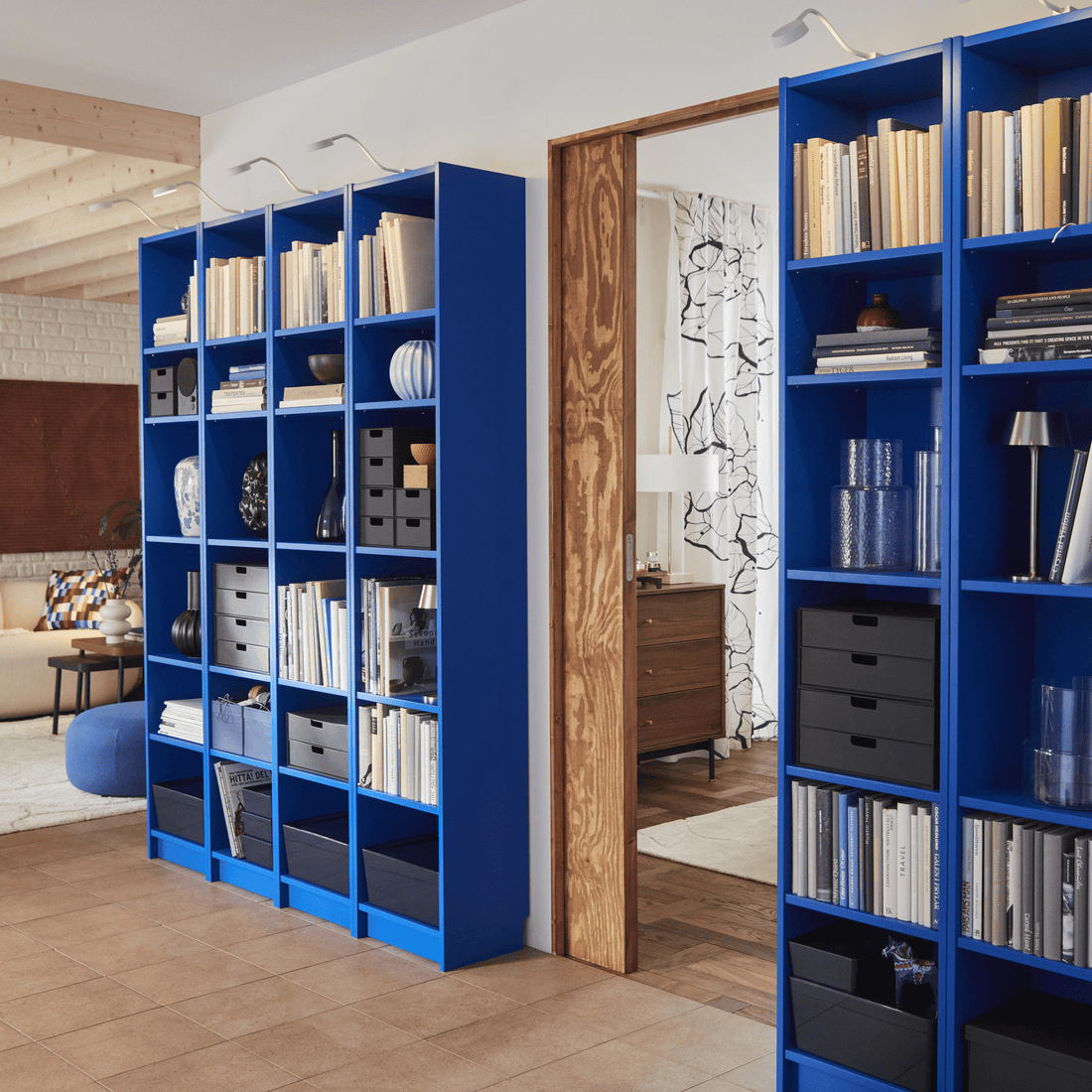
In products like the BILLY bookcase, particle board is used together with other materials to create practical storage. Each BILLY shelf can hold up to 30 kg, which is enough for many everyday items, from books and storage boxes to small decorations.
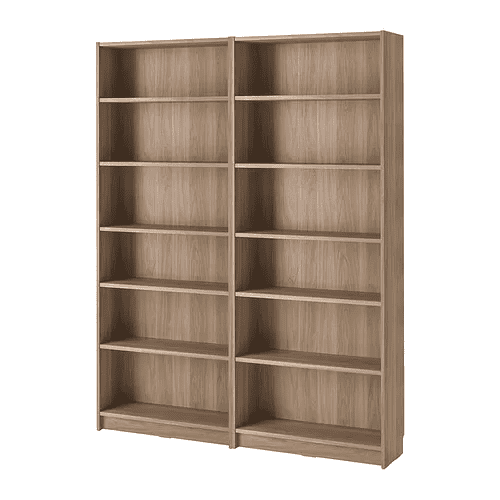
Caption: The BILLY bookcase uses particle board and is designed for everyday storage at home.
It is easier to assemble and more practical to bring home
Particle board works well for ready-to-assemble furniture because it is relatively light and stable once assembled. This can help save space in the car and gives you more flexibility when deciding whether to arrange delivery or bring the furniture home yourself.
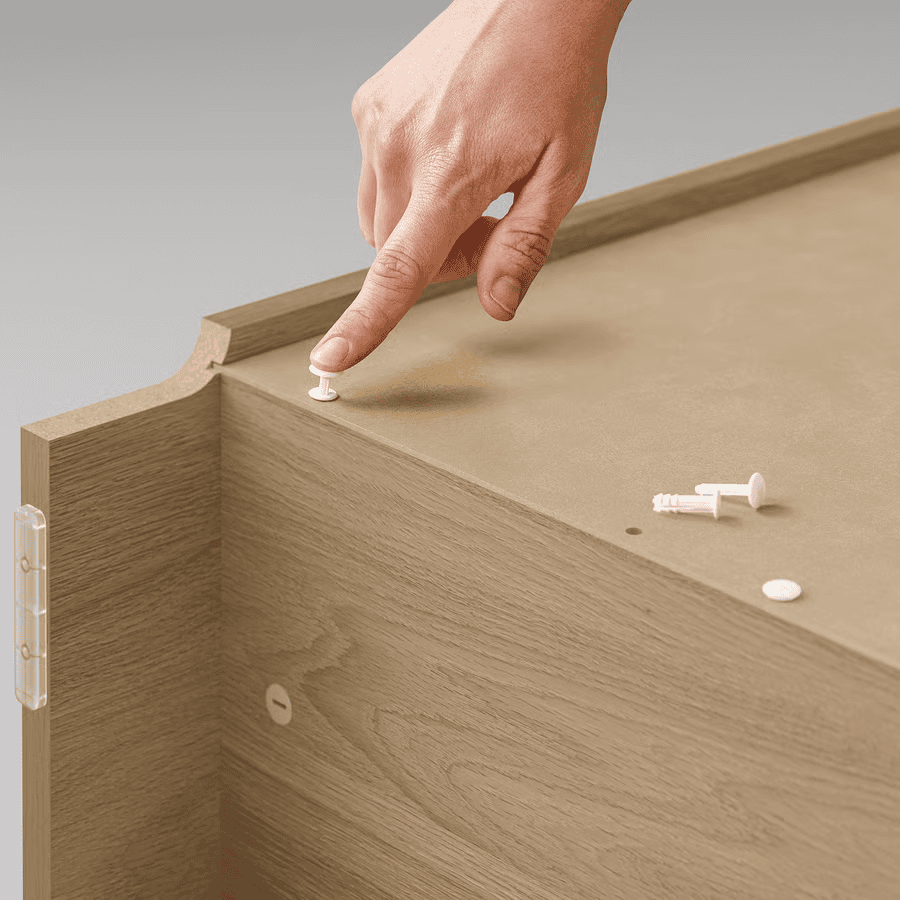
Caption: The side panels, shelves, and doors of the BILLY bookcase are designed to be assembled into one complete unit.
The finish can look neat, smooth, and wood-like
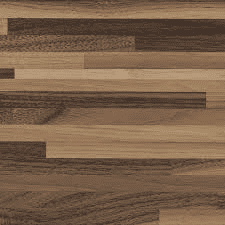
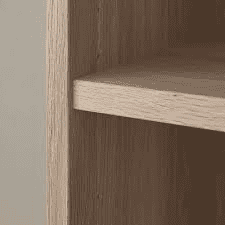
Particle board is usually covered with laminate, veneer, foil, or another finish that helps make the surface smoother and more protected. This layer helps the furniture look neater while giving you different color and texture options for the room.
Veneer uses a thin layer of real wood, so the grain and wood feel can look more natural. Meanwhile, Laminate usually gives a smooth, even surface that is easy to clean. Both finishes can help particle board feel more ready for everyday life at home.
Caption: PINNARP combines a particle board core with a thick wood veneer layer for a smoother, warmer look.
Particle board makes use of leftover wood
Particle board is made with wood chips and particles that might not be used for solid wood furniture. By pressing them into boards, more of the wood can be turned into furniture parts that are useful at home.
Engineered wood materials like particle board can also help use wood resources more efficiently. IKEA continues to work toward more responsible wood use through material innovation, better design, and the use of recycled wood where possible.
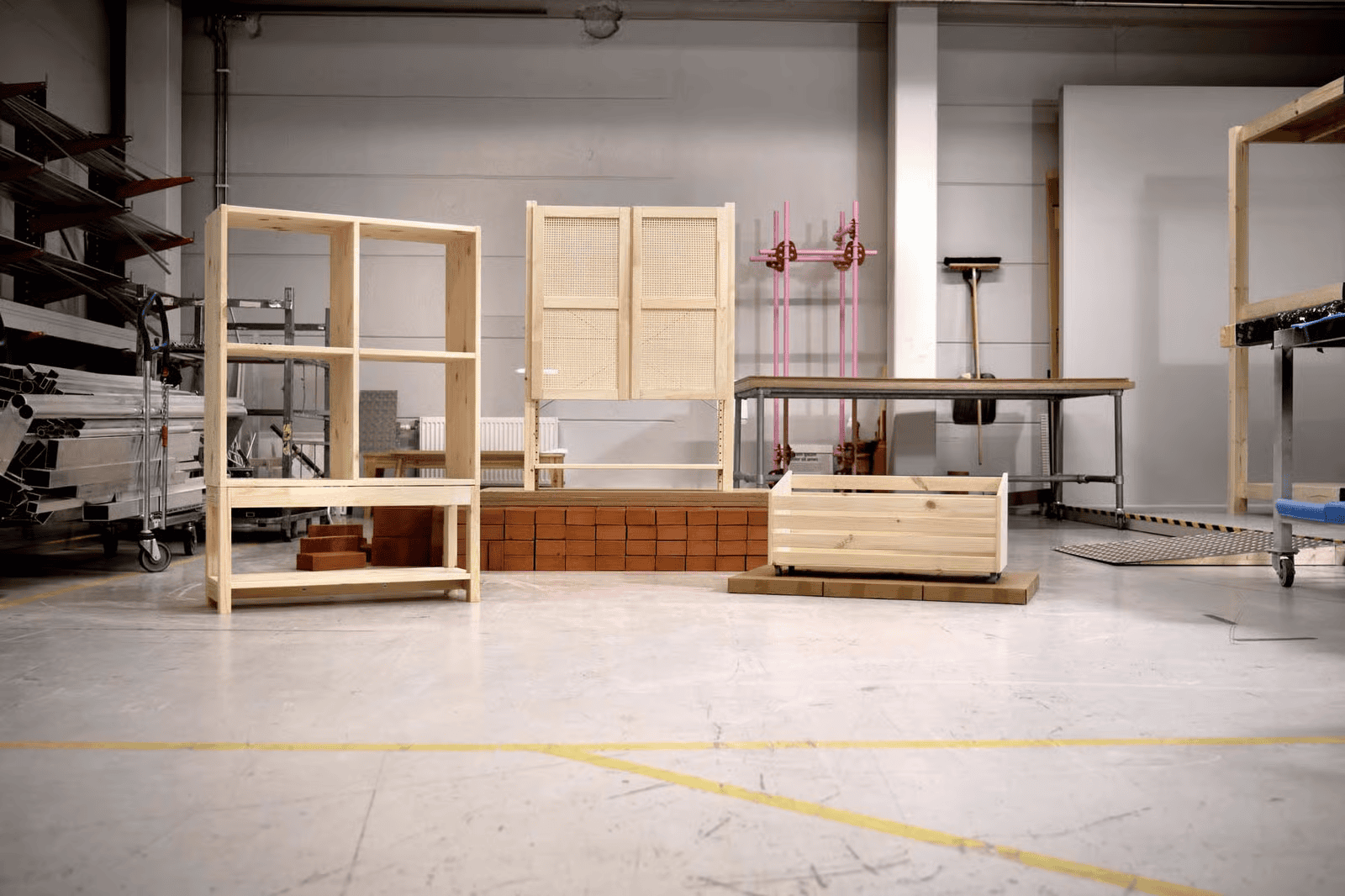
Caption: The development of IVAR is part of a wider approach, including the use of particle board to make better use of wood resources.
Limitations of particle board
Particle board has a few limits, especially when it comes to water, moisture, heavy loads, and very intensive use. That does not mean it is the wrong material. It simply means it works best when you know where and how to use it.
It is less resistant to water and moisture
Particle board can absorb water because it is made from compressed wood particles. If it is exposed to water often or placed in a very humid area, the board may swell, bend, or become uneven.
For everyday use, place particle board furniture in relatively dry areas, such as the living room, bedroom, home office, or family room. Clean it with a dry or slightly damp cloth, then dry the surface again to help keep it in good condition.
It is not as strong as plywood for heavy loads
Particle board is usually lighter and less dense than plywood. Because of this, it is less suitable for very heavy loads, constant pressure, or highly intensive use.
For everyday needs like bookcases, wardrobes, desks, or cabinets, particle board can still work comfortably when the load matches the product’s capacity. Check the load information in the product specifications and spread items evenly so the board does not carry too much weight in one spot.
It can bend if used beyond its capacity
Particle board is not designed to hold excessive weight for a long time. If it is often used beyond its recommended capacity, the board may start to bend or the furniture joints may feel less stable over time.
To help it last longer, use the furniture according to its purpose. Store light to medium items, spread the weight evenly, and check the joints or screws from time to time if the furniture is moved often. A small check like this can help the furniture stay comfortable to use for longer.
What is grade A particle board?
Particle board grade A is particle board with a smoother, more even surface and fewer visible marks, so it works well for furniture parts you see every day. This can include wardrobe doors made with particle board, tabletops, open shelves, or cabinet panels that become part of the room’s everyday look.
Particle board vs MDF vs plywood
Particle board, MDF, and plywood are popular furniture materials in engineered wood, with different core structures, surface qualities, and strength levels. Particle board works well for many everyday furniture parts, MDF is often used for smooth painted surfaces, and plywood is usually chosen when stronger layered construction is needed.
| Material | Made from | Main benefit | Watch out for | Best for |
|---|---|---|---|---|
| Particle board | Compressed wood chips and particles | Light, economical, easy to finish | Less resistant to water and heavy loads | Shelves, wardrobes, tables, everyday cabinets |
| MDF | Compressed fine wood fibers | Smoother and more even surface | Can be heavy and still needs protection from moisture | Cabinet doors, decorative panels, furniture with a smooth finish |
| Plywood | Thin wood layers glued together in cross-grain sheets | Stronger and more stable | Usually heavier and more expensive | Furniture that needs stronger support or longer-term heavy use |
Particle board can work well when you need furniture that is light, neat, and practical for everyday use. MDF can help when a very smooth surface is needed for a certain finish. Plywood is usually better when structural strength is the main priority.
How to choose particle board furniture
Choosing particle board furniture can start with five simple checks: finish, room placement, board structure, load capacity, and product specifications. Together, they help you see whether the furniture fits the way your home is used every day.
Finishing
Surface Finish
- Recommended check
- Choose a surface that feels even, smooth, and firmly covered.
- Best for
- Helping furniture look cleaner and easier to care for.
- Watch out for
- Avoid surfaces that look swollen, cracked, or lifted around the edges.
Room placement
Furniture Location
- Recommended check
- Use it in dry areas such as bedrooms, living rooms, or home offices.
- Best for
- Helping the board keep its shape for longer.
- Watch out for
- Avoid areas with direct water contact or high moisture.
Load capacity
Weight Limits
- Recommended check
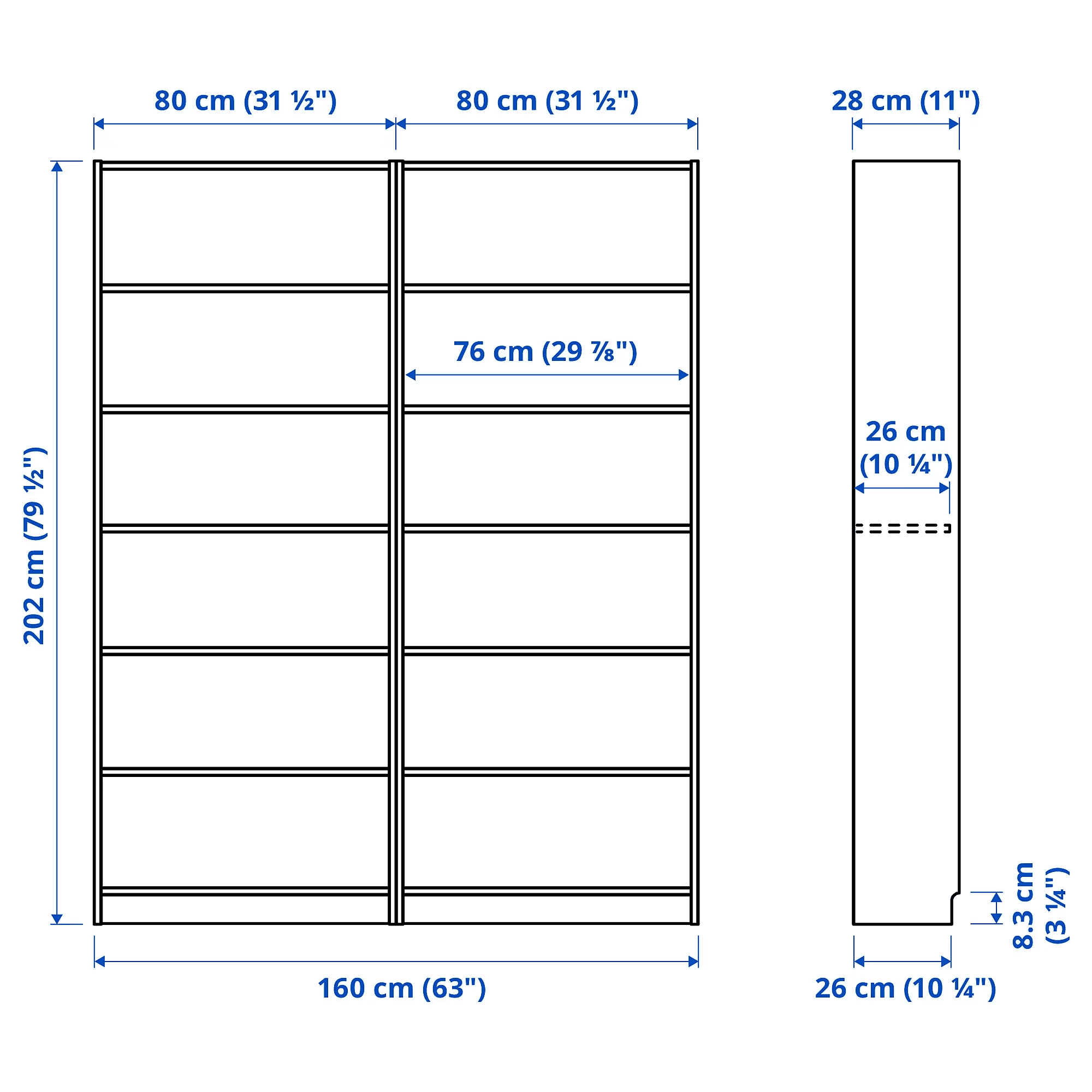
- Read the load capacity before use.
- Best for
- Making sure shelves, wardrobes, or tables are used within their limits.
- Watch out for
- Spread weight evenly and avoid placing heavy items in one spot.
Structure and thickness
Sturdiness
- Recommended check
- Choose a structure that feels stable once assembled.
- Best for
- Light to medium storage needs.
- Watch out for
- Board thickness and joints both affect furniture stability.
Choose a neat finish that suits daily use
The finish is the main protective layer on particle board. Laminate, veneer, foil, or another surface layer can help the furniture feel smoother and easier to clean.
For furniture that will be used often, choose a finish that feels even and firmly attached, especially around the edges. Edges can be more exposed to daily friction, so this small detail is worth checking.
Use it in a relatively dry area
Particle board works best in dry rooms. Bedrooms, living rooms, home offices, and family rooms are usually good places for particle board furniture.
If the furniture will be used in a kitchen or near water, make sure the product is designed for that use. Check the care instructions and avoid leaving standing water on the surface.
Check the board structure and thickness
Board thickness and joint quality affect how sturdy the furniture feels. For storage, choose a structure that feels stable, especially if it will hold books, tableware, or other household items.
It is okay to start with the simplest question: what will you store, how often will you use the furniture, and can the weight be spread evenly? From there, the choice usually becomes easier.
Match the furniture to its function
Particle board is best for light to medium loads. Use shelves for books and decorations according to their load capacity, wardrobes for clothes, and tables for regular everyday activities.
If you need to store very heavy items, check whether the product is designed for that purpose. Using furniture according to its function is one of the simplest ways to help it keep its shape.
Read specifications from a trusted producer
Product specifications help you understand the materials, dimensions, load capacity, and care instructions before you buy. This matters because furniture pieces can look similar but have different structures and uses.
At IKEA, material details and product information are available on the product page. This can help you compare options more easily, especially when the furniture will be used every day.
Is particle board right for your home?
Particle board can suit homes that need lightweight, neat, easy-to-assemble furniture for everyday indoor use. It can be used for shelves, wardrobes, desks, cabinets, and kitchen units, as long as it stays in a dry area and is used within its weight limit.
If it will be used in the kitchen, the kitchen cabinet size matters too. The cabinets need to fit the layout, leave enough room for doors and drawers, and still make the kitchen easy to move through.
Particle board works better when it is matched with the right room and routine. Keep it away from standing water, avoid overloading one area, and clean it with a dry or slightly damp cloth when needed.
Frequently asked questions about particle board
Start with the right material, then find the right fit