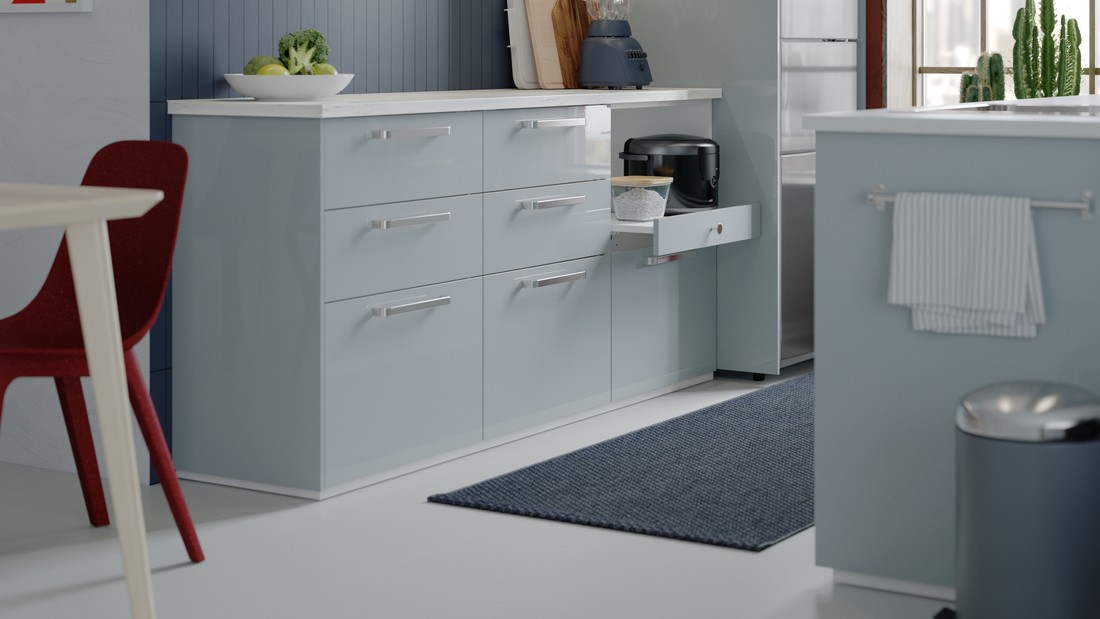
Household waste can accumulate and pollute the environment if it is not managed properly. Proper waste management helps reduce the amount of waste while keeping your home clean.
Waste management can start with simple habits, such as sorting, reusing, and recycling items that still have value. Read the article below to learn how to manage waste more effectively.
Common types of waste
Identifying different types of waste is the first step before deciding how to manage them. Each type has different characteristics and requires different management methods. Here are some common types of waste:
| Type | Household Examples | Characteristics | Management Potential |
|---|---|---|---|
| Organic | Food scraps, fruit peels, leaves, vegetable scraps. | Easily decomposes and can produce unpleasant odors when accumulated. | Can be processed into compost or fertilizer. |
| Inorganic/Non-organic | Glass, metal, paper, cardboard. | Difficult to decompose naturally. | Can be reused or recycled. |
| Plastic | Bottles, bags, and plastic packaging. | Difficult to decompose and comes in various types. | Can be recycled, turned into ecobricks, or upcycled. |
| Hazardous and Toxic Materials (B3) | Batteries, used light bulbs, expired medicines, chemical cleaning products. | Can pose risks if mixed with other types of waste. | Should be handed over to specialized waste handlers. |
How to manage waste using the 3R principles
The 3R principles help reduce the amount of waste at its source. They consist of Reduce, Reuse, and Recycle, which can be applied according to your household's needs. Here is an explanation of each principle:
1. Reduce
Reduce means minimizing the use of items that can potentially become waste. Some simple habits you can adopt include:
- Bring your own shopping bag.
- Choose products with minimal packaging or refill options.
- Avoid single-use items.
- Use a refillable water bottle.
- Shop according to your needs.
- Use reusable cleaning cloths instead of disposable tissues.
2. Reuse
Reuse means using items again to extend their useful life. Used bottles can be turned into containers or small plant pots, while cardboard boxes can be used for storage.
Items such as cans, cloth bags, and water bottles can also be reused according to your needs. Before throwing something away, consider whether it can still serve another purpose.
3. Recycle
Recycle is the process of turning waste into new materials or products. Waste such as plastic, paper, and metal can be sorted and then sent to collection points or recycling programs.
Not all types of waste can be recycled at home because some materials require specialized facilities. Make sure the waste is clean so that it can be processed more easily.
Read also: Guide to choosing the right trash bag size for your home
How to manage organic waste at home
Organic waste is one of the most common types of waste generated from daily activities. Turning it into compost can reduce unpleasant odors, decrease the amount of waste sent to landfills, and produce fertilizer for plants.
You can manage organic waste at home using the following methods:
- Prepare a container with holes to ensure proper air circulation.
- Separate green materials such as vegetable scraps and fruit peels.
- Prepare brown materials such as dry leaves, cardboard, and sawdust.
- Chop the materials into small pieces.
- Layer the brown and green materials.
- Add a small amount of soil or mature compost as a starter.
- Maintain moisture similar to that of a wrung-out sponge.
- Turn the compost every 3–7 days.
- Add a natural compost activator if needed.
- Wait approximately 4–12 weeks until the compost becomes dark, crumbly, and odorless.
Practical tips for managing waste every day
Waste management becomes easier when it is incorporated into your family's daily routine. Simple habits practiced consistently can help keep your home clean while reducing the amount of waste.
Here are some practical tips:
1. Adopt a zero-waste lifestyle
A zero-waste lifestyle does not have to be implemented perfectly from the beginning. Start by reducing single-use items and choosing products that can be used repeatedly. Here are some ways to get started:
- Use reusable cloth shopping bags.
- Bring a refillable water bottle.
- Choose fruits and vegetables with minimal packaging.
- Use refillable containers for kitchen essentials.
- Repair items before buying new ones.
- Gradually reduce the use of single-use products.
2. Clean your trash bins regularly
Trash bins need to be maintained so they do not become a source of unpleasant odors and dirt in the home. Keeping trash bins clean also helps create a more comfortable environment for everyone in the household.
- Wash your trash bins regularly.
- Use suitable liners or bags.
- Keep trash bins covered, especially when storing organic waste.
- Empty the bins before they become too full.
- Create a cleaning schedule with your family.
- Keep the area around the trash bins clean and dry.
3. Make use of a waste bank or integrated waste management system
Waste banks are one option for managing waste that still has economic value. Materials such as plastic, paper, and metal can be sorted, deposited, weighed, and exchanged for account balances or other forms of rewards.
Joining a waste bank is relatively simple. Look for one through your neighborhood association, local administrative office, or local information sources. Once registered, learn which types of waste are accepted and make regular deposits to reduce the amount of waste that ends up in landfills.
Positive impacts of proper waste management
Consistent waste management provides benefits for the environment, health, and household finances. Simple habits at home can have a greater positive impact when practiced sustainably. Here are some of the benefits:
- Environment: Reduces the volume of waste, lowers greenhouse gas emissions, and helps maintain soil and water quality.
- Health: Keeps the home cleaner, reduces the risk of diseases carried by flies, rats, and mosquitoes, and creates a more comfortable living environment.
- Economy: Saves money on fertilizer, provides rewards through waste banks, reduces purchases of single-use items, and creates opportunities through recycled products.
The impact of household waste on health
Poorly managed waste can cause problems for both the environment and human health. Its effects can range from pollution to the spread of various sources of disease.
- Pollutes soil and water through liquids produced by decomposing waste.
- Provides breeding grounds for flies, rats, and mosquitoes.
- Increases the risk of diseases such as diarrhea and dengue fever.
- Produces unpleasant odors around the home.
- Affects air quality and environmental comfort.
- Reduces the cleanliness and visual appeal of residential areas.
Best trash bin recommendations at IKEA
Waste sorting becomes more practical when each type of waste has a suitable container. IKEA offers a variety of trash bin options that can be used for waste sorting and management at home.
1. KNÖCKLA
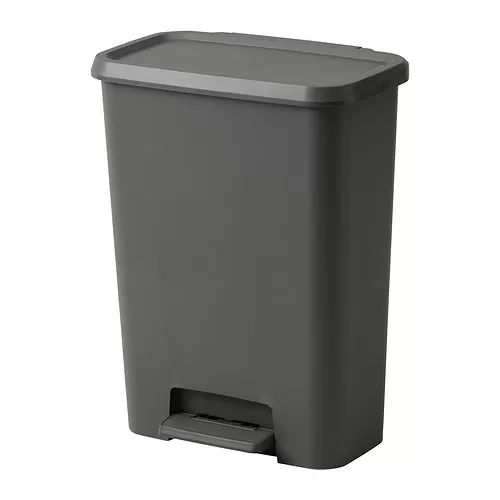
KNÖCKLA features a soft-closing hinged lid that helps prevent fingers from getting caught when the bin is closed. The inner ring also helps conceal and secure the trash bag in place.
The back of the bin is designed for easy gripping when moving it. Its size also makes it suitable for sorting items such as cardboard, plastic, bottles, newspapers, and other waste that requires more space.
2. FARMARKVAST
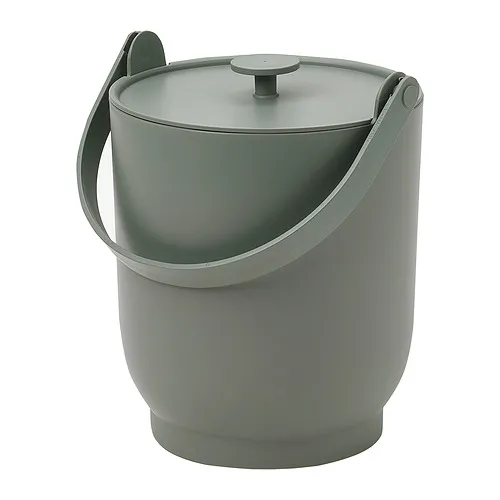
FARMARKVAST is suitable for placing near the kitchen counter while cooking or cleaning the kitchen area. Its lid can be placed on the edge while in use and put back on afterward to help contain odors.
This trash bin does not require an inner bag because it is easy to clean by hand. Its folding handle also makes it more convenient to carry and empty.
3. SORTERA
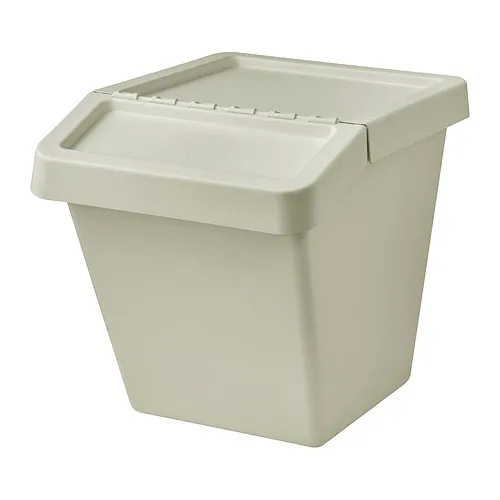
SORTERA is designed to help sort dry waste such as plastic, metal, paper, and glass. The container can also be used to store laundry, cleaning supplies, hobby equipment, and other household items.
SORTERA is suitable for use in the kitchen, hallway, laundry room, enclosed balcony, or office. Its lid can be folded back, making the contents easy to access when several containers are stacked.
4. GÅNGSKYFFEL
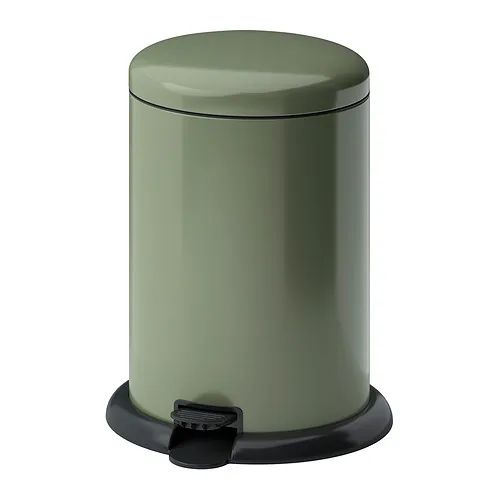
GÅNGSKYFFEL features a soft-closing hinged lid that helps prevent fingers from getting caught. The inner bucket can be removed, making the trash bin easier to empty and clean.
The handle at the back makes the bin easier to move. The non-slip feet help keep it stable, including when used in damp areas such as kitchens and bathrooms.
5. KNODD
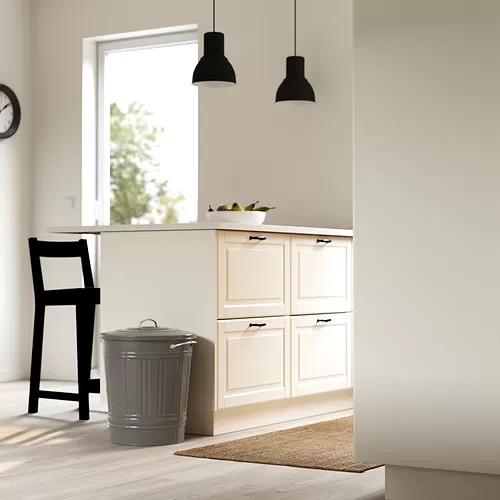
KNODD makes it easier to fill and empty the bin because the lid can be hooked onto the edge of the container. This feature keeps the lid out of the way when you are putting items into or taking them out of the bin.
This trash bin can be used in various areas of the home according to your needs. KNODD is also suitable for damp areas such as bathrooms and covered spaces beneath balconies.
Read also: Trash bin colors and their functions to help with waste sorting
Manage waste for a cleaner and more eco-friendly home
Waste management can start with simple steps such as sorting waste by type, reducing the use of single-use items, reusing items that are still in good condition, and recycling materials that still have value. Turning organic waste into compost and making use of waste banks can also help reduce the amount of waste that ends up in landfills.
IKEA offers a variety of trash bins that can help with waste sorting and management at home. Find the right trash bin for your needs through the official IKEA.co.id website.
FAQ
Start by observing the types and amounts of waste most frequently generated in your home. Based on these habits, you can determine the most suitable containers, schedules, and waste management methods.
Mixed waste can still be sorted as long as its condition allows it and it has not been contaminated with hazardous materials. Waste sorting is easier when it is done from the moment the waste is generated.
Start by replacing one single-use item with an alternative that can be reused. Once you get used to it, gradually introduce other small changes according to your household's needs and capabilities.
Use methods that require little space, such as a household-sized composter or a tiered waste-sorting container. Waste that cannot be managed at home can be sent to a waste bank or an appropriate waste management facility.
Not all waste can be recycled because each material has different characteristics and requires different processing facilities. Waste that cannot be recycled should be separated as residual waste or handed over to a specialized waste handler according to its type.