Many people still throw away waste without separating it according to its type first. In fact, understanding trash bin colors and their functions can help make the waste management process easier while keeping the environment clean.
One popular method that is widely applied is using trash bin colors based on the type of waste. This system makes waste sorting easier because each color has a different function.
By understanding trash bin colors and their uses, recycling and waste processing can also run more optimally. Below is a discussion about the different colors, their categories, and recommended trash bins that suit each need.
5 Trash bin colors based on their categories
Trash bin colors are used to help sort waste according to its type. Each color has a different function to hold specific waste so that waste management becomes more effective and does not get mixed together.
By understanding the types of trash bins and their functions, you can more easily separate organic waste, inorganic waste, and hazardous waste according to their categories.
Understanding trash bin colors and their functions can help you sort waste properly, maintain environmental cleanliness, and support better recycling and waste management processes.
Read also: Make organising more fun
1. Green trash bins for organic waste
Green trash bins are used to hold organic waste that naturally decomposes easily. This type of waste usually comes from food scraps or daily kitchen waste.
Separating organic waste is an important step because this type of waste can be processed into compost that is beneficial for plants.
In addition to helping reduce household waste volume, using green trash bins also helps maintain cleanliness and hygiene around the home. Examples of easily decomposable organic waste include:
-
Food scraps
-
Fruit peels
-
Rotten vegetables
-
Leaves
-
Dry leaves
-
Coffee and tea grounds
-
Small branches
By disposing of organic waste in the proper place, waste management becomes easier. In addition, easily decomposable organic waste can be recycled into compost fertilizer that benefits household plants.
2. Yellow trash bins for inorganic waste
Yellow trash bins are used for recyclable inorganic waste that still has value. This type of waste usually comes from materials such as plastic, cans, and glass that are difficult to decompose naturally.
In practice, color-coded trash bins help people identify recyclable waste types. Properly sorted inorganic waste can later be reprocessed into various useful products.
Examples of inorganic waste that can be disposed of in yellow trash bins include:
-
Plastic bottles
-
Plastic waste
-
Beverage cans
-
Plastic food containers
-
Glass bottles
-
Clean styrofoam
Before throwing waste into yellow trash bins, it is recommended to clean the packaging first so the material remains suitable for recycling. This simple step helps support optimal recycling and waste processing.
3. Blue trash bins for paper waste
Blue trash bins are specifically intended for paper waste that can still be reprocessed. This type of waste is commonly found in daily activities, whether at home, school, or the office.
By separating paper waste, the recycling process becomes more efficient and helps reduce accumulated waste.
In addition to supporting waste management, the use of blue trash bins also helps raise public awareness about environmental cleanliness. Examples of blue-category waste include:
-
Used cardboard
-
Newspapers
-
Magazines
-
Old books
-
Copy paper
-
Paper bags
Make sure paper waste remains dry so its quality stays good when processed at recycling facilities. Avoid mixing paper with wet waste because it can damage the material and make it difficult to recycle.
4. Red trash bins for hazardous waste
Red trash bins are used for hazardous and toxic waste that requires special handling. This type of waste should not be mixed with regular household waste because it can endanger health and pollute the environment.
The use of red trash bins is very important because hazardous waste contains toxic materials. Therefore, waste sorting based on type needs to be carried out more carefully to prevent environmental pollution.
Common examples of hazardous waste include:
-
Used batteries
-
Fluorescent lamps
-
Expired medicines
-
Broken glass
-
Paint cans
-
Electronic components
Red-category waste should be collected separately and handed over to special waste management services. This helps reduce the risk of soil and water pollution caused by hazardous waste more safely.
5. Gray trash bins for residual waste
Gray trash bins are used to hold residual waste that is difficult to recycle or cannot be reprocessed. Gray waste usually becomes final waste that will be disposed of in landfills because it no longer has value.
Although it seems simple, understanding the meaning of gray trash bins helps separate waste so it does not mix with recyclable materials. As a result, waste management becomes more effective and efficient.
Examples of residual waste commonly disposed of in gray trash bins include:
-
Diapers
-
Used sanitary pads
-
Dirty tissues
-
Oily food wrappers
-
Chewing gum
-
Animal waste
Because this type of waste is difficult to reprocess, its amount should be minimized by reducing single-use items and adopting a more environmentally friendly lifestyle.
Why is waste sorting important?
Waste sorting is one of the important steps in maintaining cleanliness and supporting more effective waste management.
By understanding the five trash bin colors and the types of trash bins and their functions, people can get used to disposing of waste according to its type from the beginning.
This simple habit can have a significant impact if done consistently in daily life. Here are some benefits of sorting waste by type:
-
Helps separate waste more easily
-
Reduces waste volume in landfills
-
Maintains environmental cleanliness
-
Supports recycling and processing
-
Reduces the risk of hazardous waste mixing together
-
Helps increase public awareness
With the right sorting system, creating a cleaner and healthier environment becomes easier. Therefore, using the five types of color-coded trash bins should be applied consistently in daily activities.
Recommendations for trash bins to help with waste sorting
Choosing the right types of trash bins can help make waste sorting more practical and convenient every day.
IKEA provides various trash bin options for different household needs, from kitchen bins and bathroom bins to minimalist designs that help keep home areas tidy and hygienic.
You can directly choose the trash bins that suit your needs from IKEA’s trash bin collection. Below are several IKEA trash bin recommendations that can help you implement color-based waste sorting more effectively.
1. KNÖCKLA dark gray pedal bin 25 liters
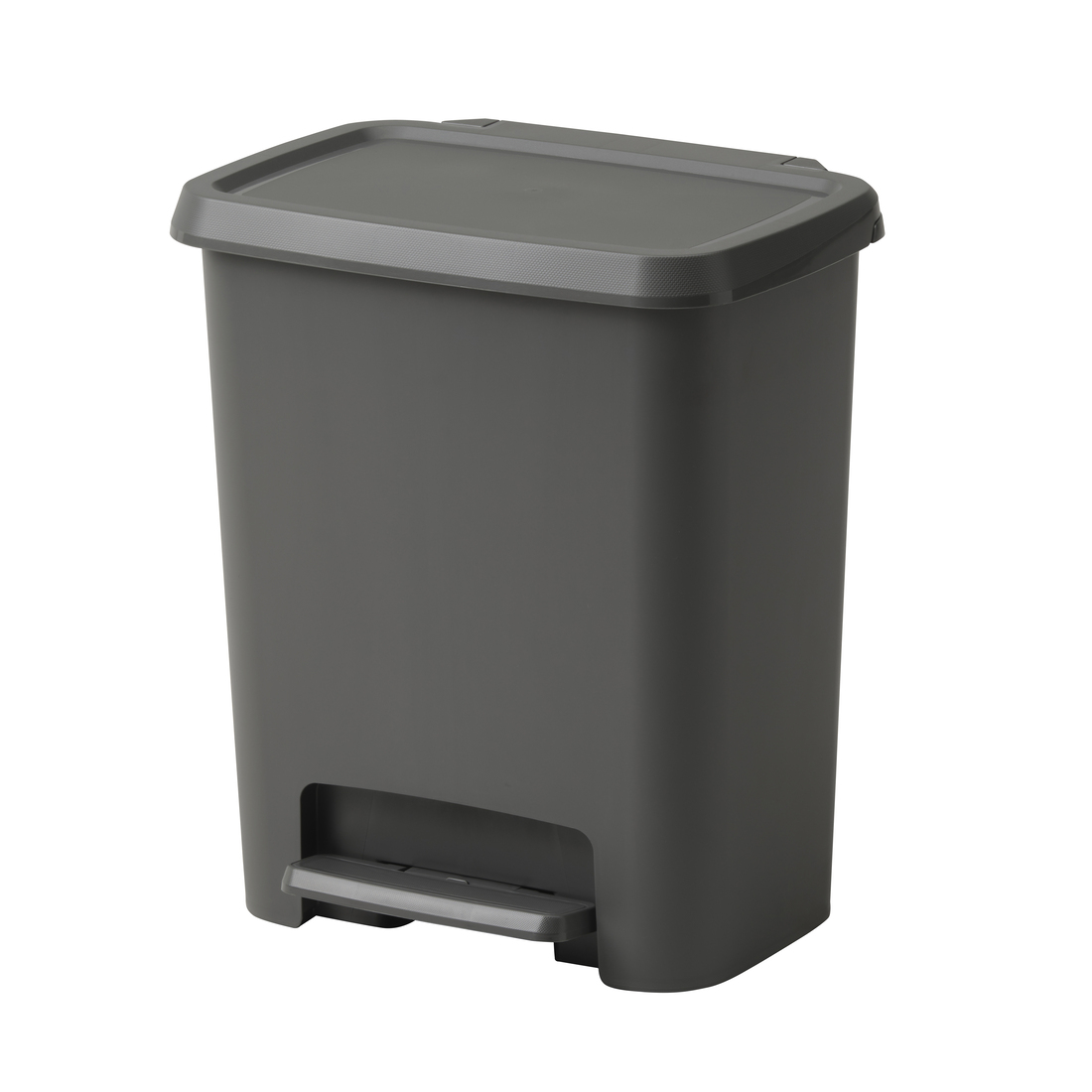
KNÖCKLA is a practical option for those who want to separate waste according to its type in the kitchen area. This trash bin has two inner containers, making it easier to separate organic and inorganic waste in one product.
In addition to its modern appearance, the design also helps maintain cleanliness without taking up too much space.
KNÖCKLA advantages include:
-
Two containers for waste separation
-
Equipped with a pedal for better hygiene
-
Easy to move
-
Easy to clean
-
Durable material
-
Suitable for kitchen waste management
With its practical and multifunctional design, KNÖCKLA is suitable for supporting daily household waste management.
2. HÅLLBAR light gray trash bin with lid 10 liters
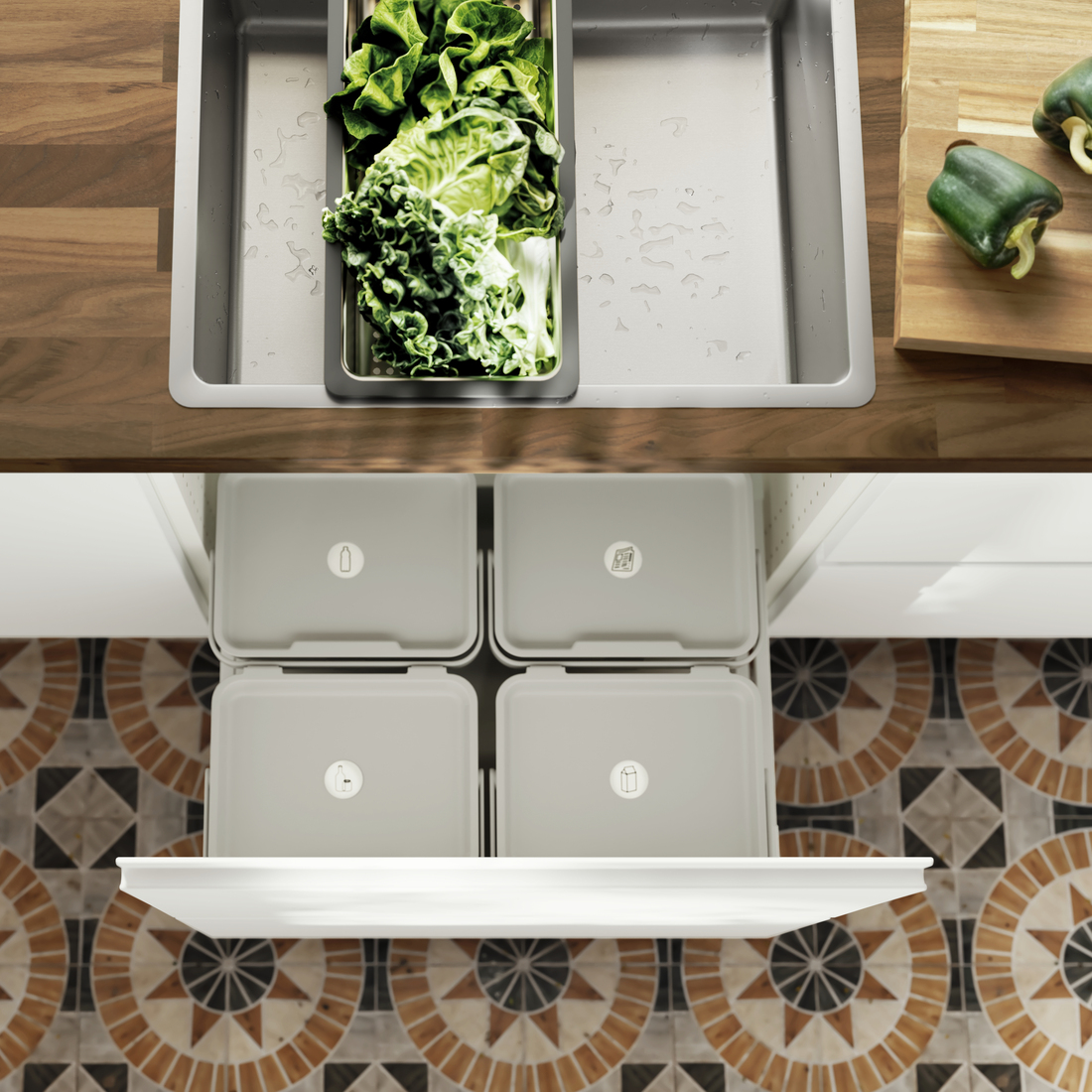
HÅLLBAR is designed to make waste sorting more flexible and space-efficient. This product is suitable for holding small waste such as plastic packaging, hygiene products, and paper waste.
Its stackable design also makes HÅLLBAR suitable for homes with limited space.
HÅLLBAR advantages include:
-
Stackable to save space
-
Removable lid
-
Easy to clean
-
Foldable handle
-
Made from recycled materials
-
Suitable for various waste types
With its modern and functional design, HÅLLBAR makes waste sorting more practical and organized.
3. KNODD trash bin with gray lid 40 liters
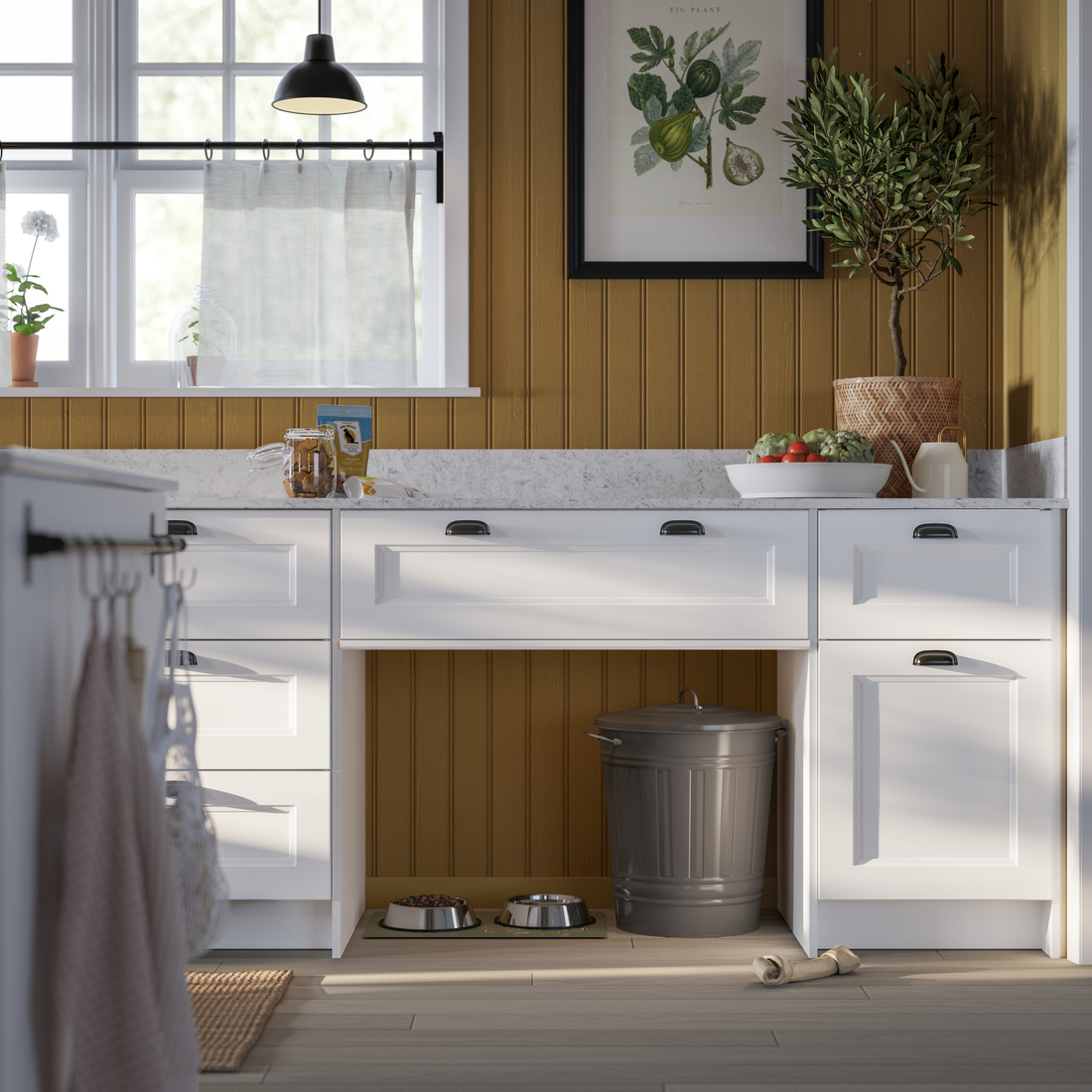
KNODD comes with a large capacity suitable for household needs and semi-outdoor areas. In addition to holding waste, this product is multifunctional for storing various household items.
The steel material makes KNODD sturdy and durable for everyday use.
KNODD advantages include:
-
Large 40-liter capacity
-
Strong handle
-
Lid can be attached to the side of the bin
-
Suitable for humid areas
-
Durable steel material
-
Modern minimalist design
With its large capacity, KNODD is suitable for helping manage household waste more practically and neatly.
4. STENTRAPPA anthracite pedal bin 18 liters
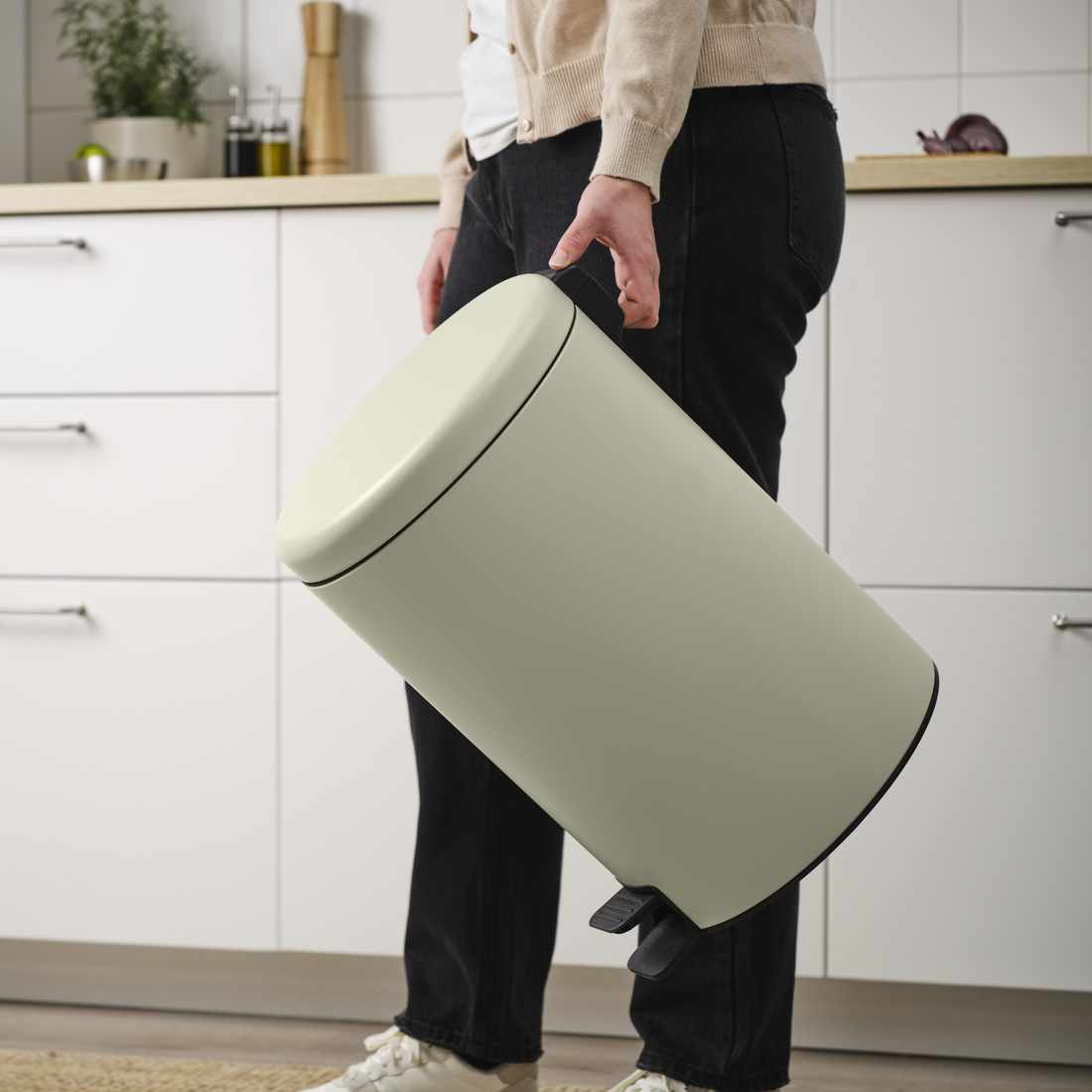
STENTRAPPA features a modern design suitable for kitchens, bathrooms, and workspaces. This trash bin is equipped with a soft-closing system so the lid closes gently without loud noise.
In addition to its elegant look, the design helps maintain home cleanliness and comfort every day.
STENTRAPPA advantages include:
-
Soft-closing lid
-
Removable inner bucket
-
Easy to move
-
Anti-slip feet
-
Suitable for humid areas
-
Modern and elegant appearance
For those looking for a practical trash bin with a minimalist design, STENTRAPPA can be the right choice for daily household needs.
5. GÅNGSKYFFEL green-gray pedal bin 18 liters
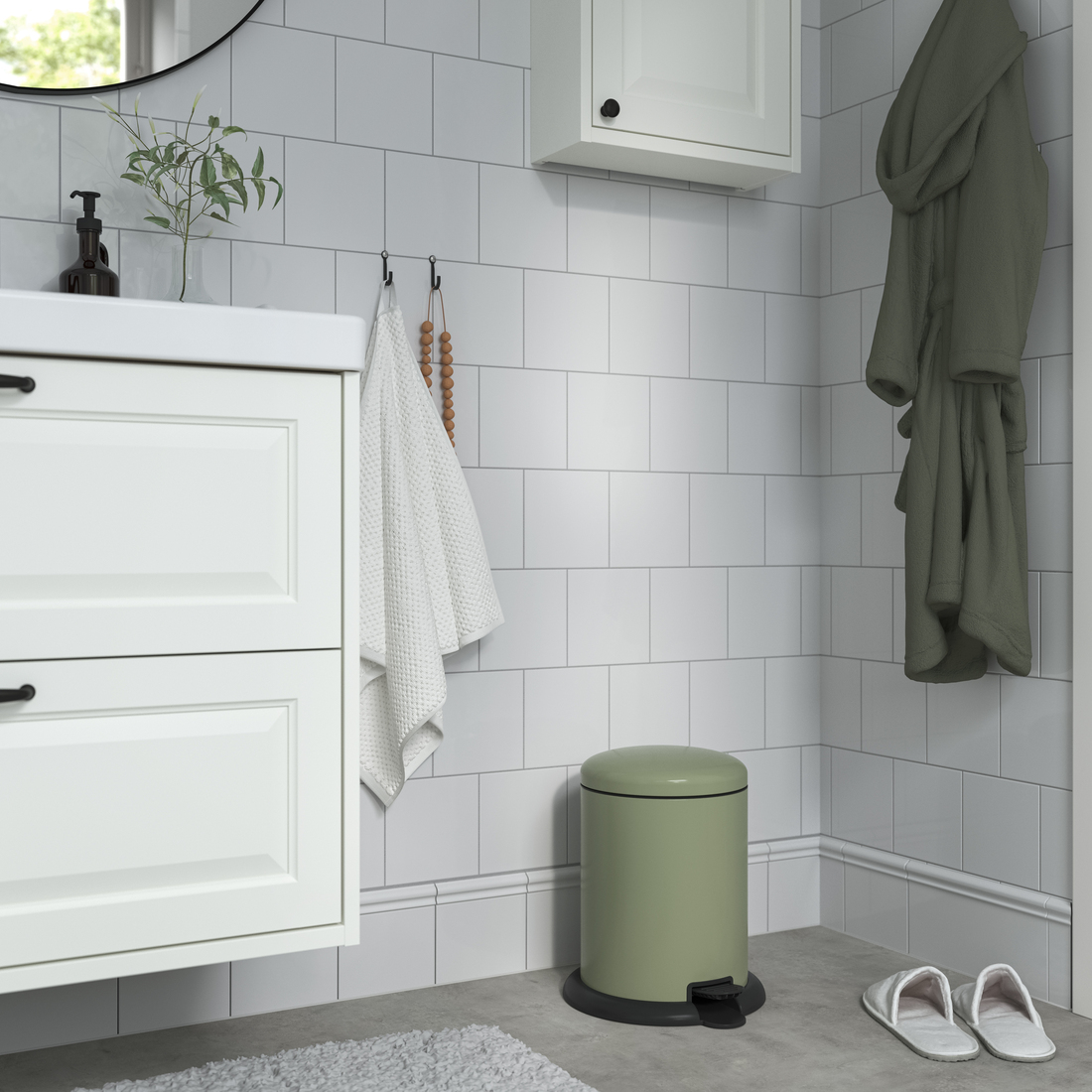
GÅNGSKYFFEL comes with a decorative design suitable for various rooms in the house. This product is also equipped with a soft-closing feature and a removable inner bucket to make cleaning easier.
With its modern design and ease of use, this trash bin helps make waste sorting more practical every day.
GÅNGSKYFFEL advantages include:
-
Soft-closing lid
-
Easy to move
-
Removable inner bucket
-
Anti-slip feet
-
Suitable for kitchens and bathrooms
-
Durable material
Its simple yet elegant design makes GÅNGSKYFFEL suitable for completing home spaces while supporting waste sorting habits.
Read also: Create a Tidy Children's Rooms is Easier
Start building the habit of sorting waste from home
Understanding trash bin colors and their functions is a simple step to help keep the environment clean and comfortable.
By understanding waste categories by color, the sorting, recycling, and waste management process can be carried out more easily while helping reduce pollution.
If you are looking for trash bins with modern and functional designs for household needs, you can find various product options at IKEA Indonesia.
Discover trash bin solutions that help make household activities tidier, more practical, and environmentally friendly.
Frequently asked questions about trash bin colors and their functions
The function of trash bin colors is to help sort waste according to its type so it does not get mixed together. This system simplifies waste management, recycling, and processing, making the environment cleaner and tidier.
The five commonly used trash bin colors are green for organic waste, yellow for inorganic waste, blue for paper waste, red for hazardous waste, and gray for residual waste.
Waste sorting is important because it helps reduce environmental pollution, supports recycling processes, maintains cleanliness, and reduces the amount of waste ending up in landfills.
Examples of hazardous waste include used batteries, fluorescent lamps, expired medicines, broken glass, paint cans, and damaged electronic components.
You can start sorting waste by providing several trash bins based on colors and categories. Separate organic waste, inorganic waste, paper waste, hazardous waste, and residual waste so waste management becomes easier every day.