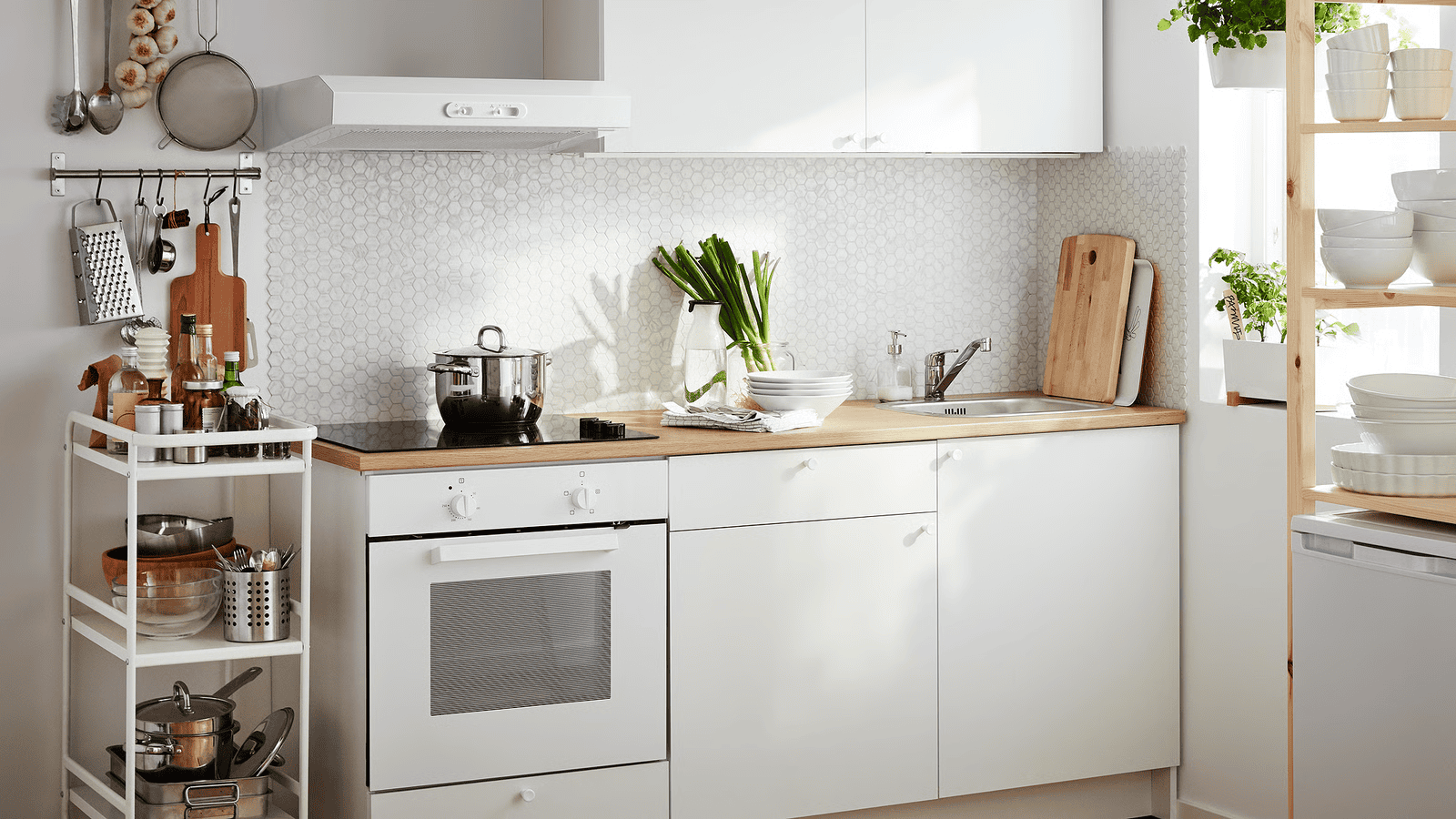
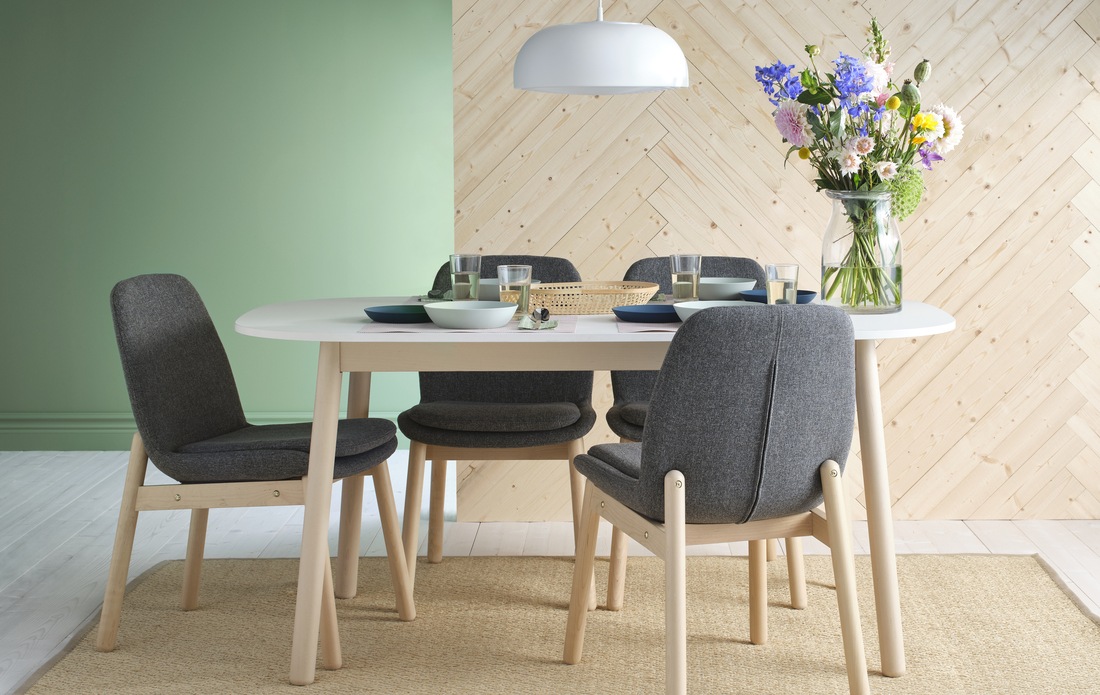
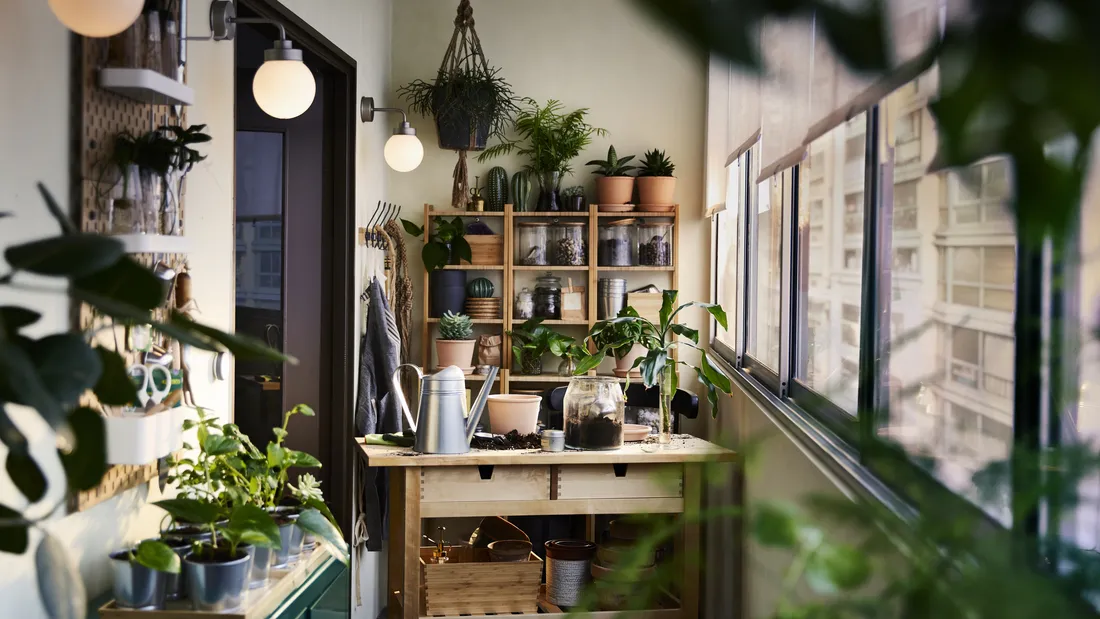
Simple kitchen ideas work well when the layout supports the way daily life moves, from cooking and washing to storage and shared meals nearby. This guide explores one-wall kitchens, L-shaped layouts, mini kitchens, semi-open setups, cabinets, sinks, and tables for homes close to nature.
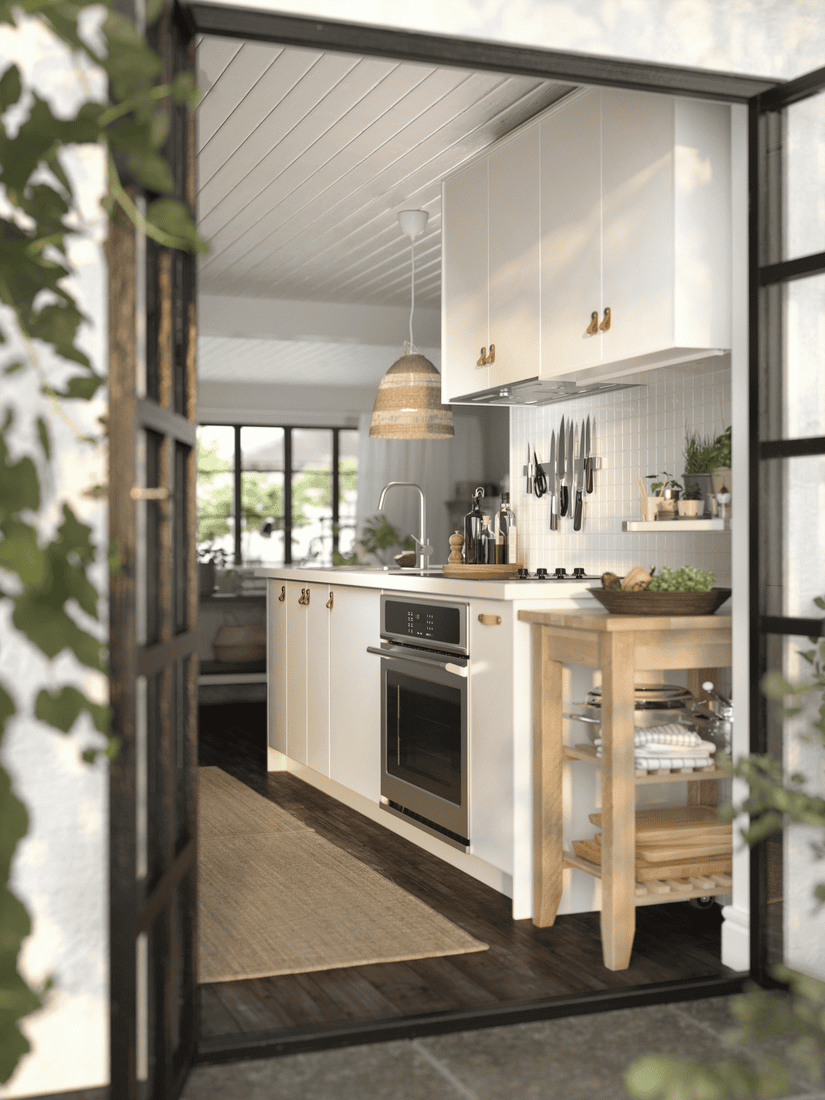
Caption: The right drawer configuration and pull-outs make a simple kitchen layout easy to organize and clean.
Start with how the kitchen will be used
A simple kitchen for a rural home starts with what it needs to do, the everyday areas it should support, and the kind of home it belongs to. A family kitchen may need more closed storage for daily cooking, while a villa, weekend home, or home close to nature may only need a compact layout, mini kitchen, or semi-open cooking spot.
Use these small checks before choosing the layout:
- Think about how the kitchen will be used: daily family meals, light cooking in a villa, or a cooking spot near the outdoors.
- Make sure there is room to cook, wash, store, prepare food, and eat nearby.
- Choose a layout that fits the space, such as a one-wall kitchen, L-shaped kitchen, mini kitchen, or semi-open setup.
- Use closed cabinets for dishes, glasses, dry food, and things that need a little more protection.
- Keep open shelves for everyday pieces that are easy to grab and wipe clean.
- Leave enough space to stand, open doors and drawers, and carry food to the table.
The kitchen does not need to be planned perfectly from the beginning. Start with the routine that matters most, then add a shelf, cabinet, trolley, or small table when the home is ready for it.
Five essential areas for a simple kitchen
A simple kitchen is built around five essential areas: cooking, washing, storage, food prep, and dining. Giving each activity its own place helps the kitchen support everyday routines without needing a complicated setup.
Use this checklist before choosing a layout or furniture:
Cooking area
A cooking area starts with a steady place for a regular stove, gas stove, or simple built-in cooktop, plus a small surface nearby for seasonings, oil, utensils, and the pot or pan used most often. It does not need to be a large setup. What helps most is keeping the basics close enough for daily meals.
Washing area
A washing area is the part of the kitchen used to rinse ingredients and clean dishes, cookware, and utensils after use. For a simple kitchen, a single-bowl sink is often enough, especially when there is a little counter space beside it for draining or setting things down.
In a rural home, villa, or weekend home, it helps to place the sink close to the existing water connection. This keeps installation more straightforward and makes the washing area easier to maintain, whether the kitchen is used every day or only from time to time.
Storage area
A storage area can use closed cabinets, open shelves, drawers, or a trolley to hold plates, glasses, dry food, cloths, and cooking tools. In a humid, semi-open, or outdoor-adjacent kitchen, closed storage can help protect items that should stay cleaner and drier.
Prep area
A prep area is a clear work surface for chopping ingredients, setting down a cutting board, and getting food ready before cooking. It does not need much room. A small stretch of counter that fits a cutting board, a knife, and a few ingredients is often enough to keep the cooking flow moving.
In a family kitchen, this space helps when there is more food to prepare. In a villa or weekend home, the same area can work just as well for fruit, bread, coffee, or a simple meal to share.
Dining area
A dining area near the kitchen gives cooked food, plates, and people a natural place to gather. In a family home or villa, a small dining table, folding table, or eating corner can also become the spot where someone sits, chats, or waits while food is cooking.
10 simple kitchen ideas for rural homes
Simple kitchen ideas for rural homes include compact one-wall kitchens, window-side layouts, mini kitchens for villas, and semi-open setups near the yard or garden. Start with a layout that matches the available space and how the kitchen will be used, such as a simple minimalist kitchen layout, then add storage, a table, or shelving as your kitchen needs grow.
1. A one-wall kitchen for a small family home
A one-wall kitchen keeps the cooking, washing, and storage areas along the same wall. This layout can work well for a narrow kitchen area, or for a kitchen that sits close to the family dining space.
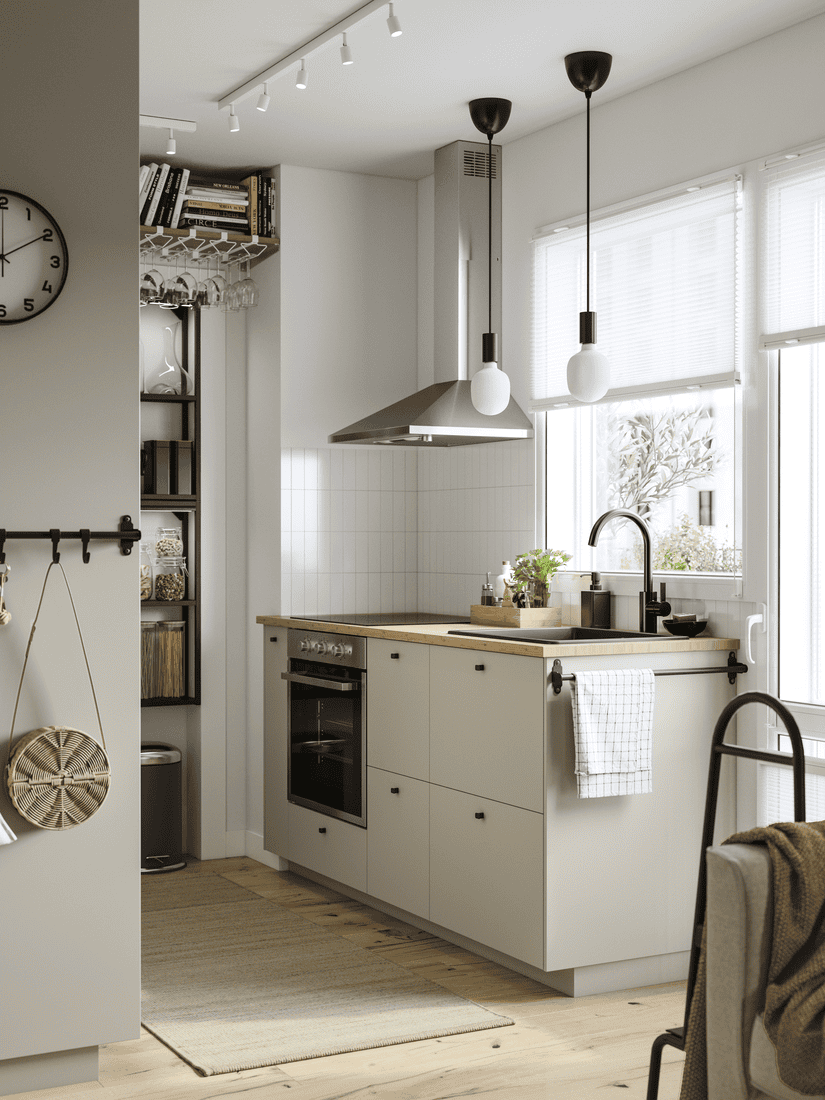
To make it easier to use, leave enough space between the sink and stove for preparing food. Lower cabinets can hold pots, pans, and dry food, while wall cabinets can keep plates and glasses from filling up the worktop.
It is a simple setup, but a practical one. You can cook, wash, and reach tableware without moving back and forth across the room too much.
2. A kitchen by the window for more light and air
A kitchen near a window can bring in natural light, fresh air, and a more open feeling while you cook. The window area can work well for a sink, prep counter, or small shelf for plants and everyday seasonings.
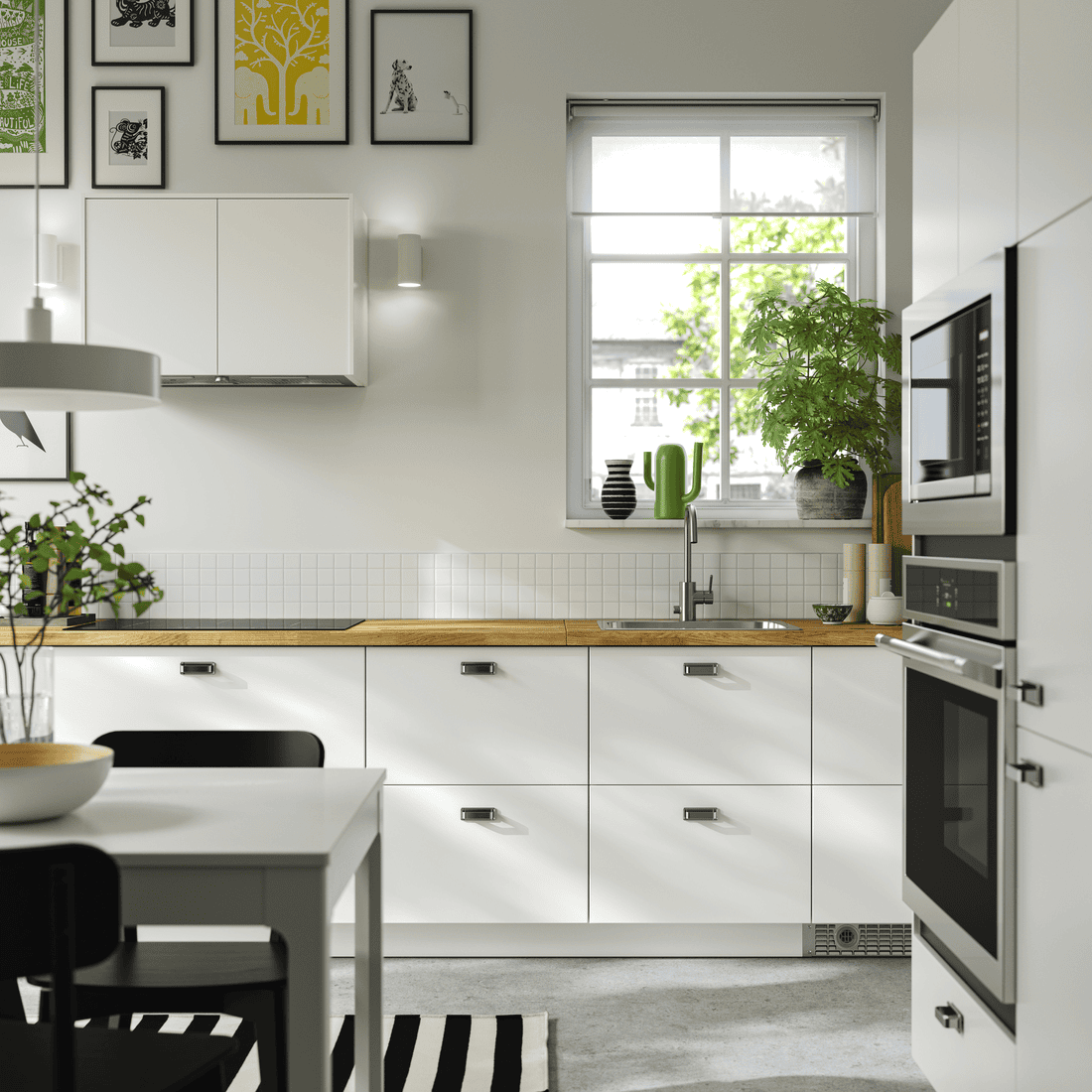
Morning light can make the kitchen feel brighter, while moving air helps the room feel less stuffy after cooking. If the window faces a yard or garden, the kitchen can also feel more connected to the outdoors.
For easier care, choose surfaces that are simple to wipe down. Dry food is better kept in closed cabinets, especially in homes where humidity, dust, or small insects are part of everyday life.
3. A kitchen with lower cabinets for a tidier look
Lower cabinets are helpful when you want a simple kitchen to stay tidy and easy to clean. Large pots, pans, buckets, dry food, and cooking tools can sit behind cabinet doors instead of taking over the counter.
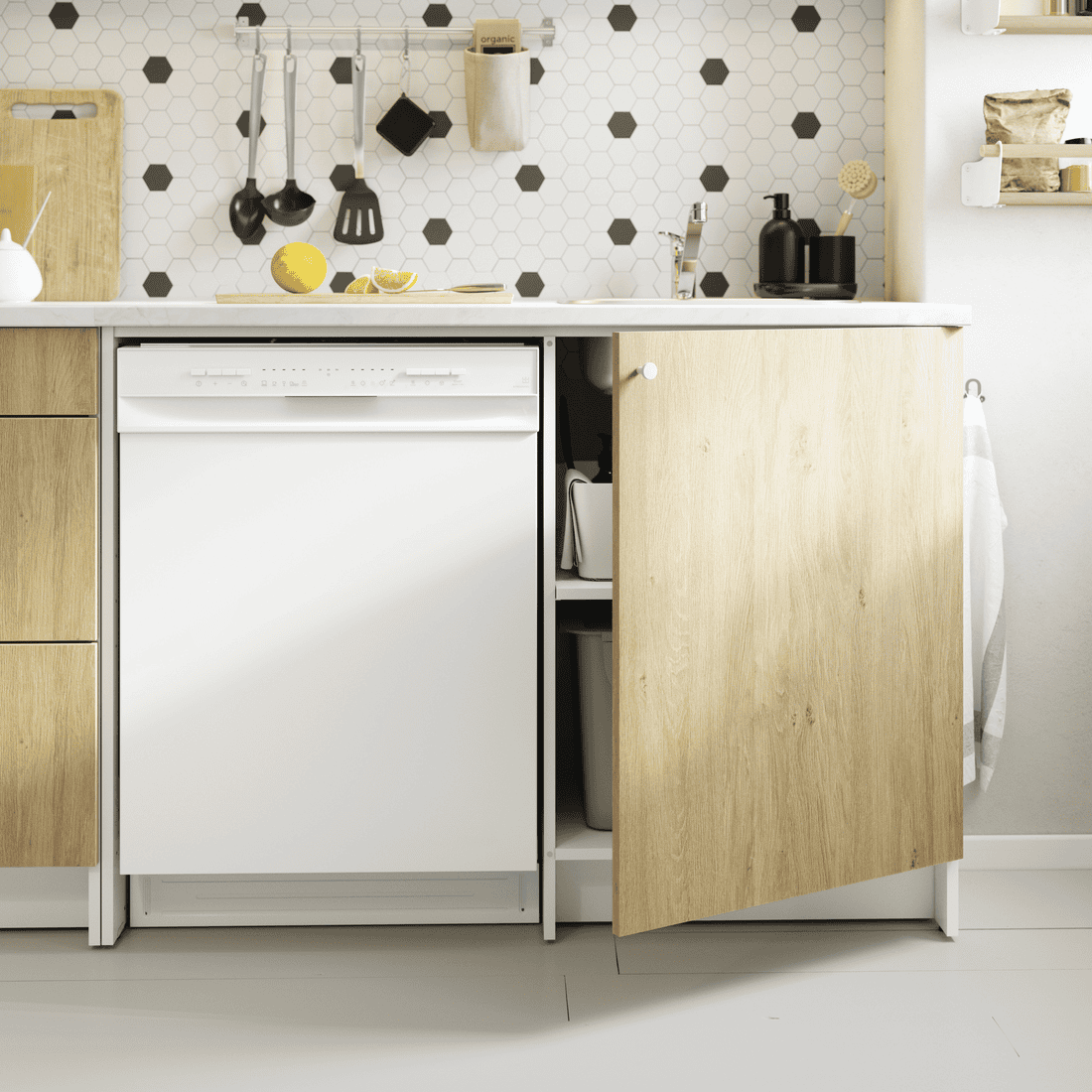
Caption: KNOXHULT lower cabinet with a wood-effect door.
KNOXHULT can be a good starting point for this kind of kitchen because it includes base cabinets and wall cabinets that can be combined as needed. This helps the kitchen feel more complete without making the planning feel too complicated.
For a village home or a home close to nature, lower cabinets also give less-used items a proper place. The kitchen becomes easier to wipe down because not everything needs to stay out in the open.
4. A mini kitchen for a villa or weekend home
SUNNERSTA can work well for a villa, weekend home, or small extra kitchen because it is open, compact, and movable. It is especially useful when the kitchen only needs to support simple routines, like making coffee, preparing light meals, washing glasses, and storing a few dishes.
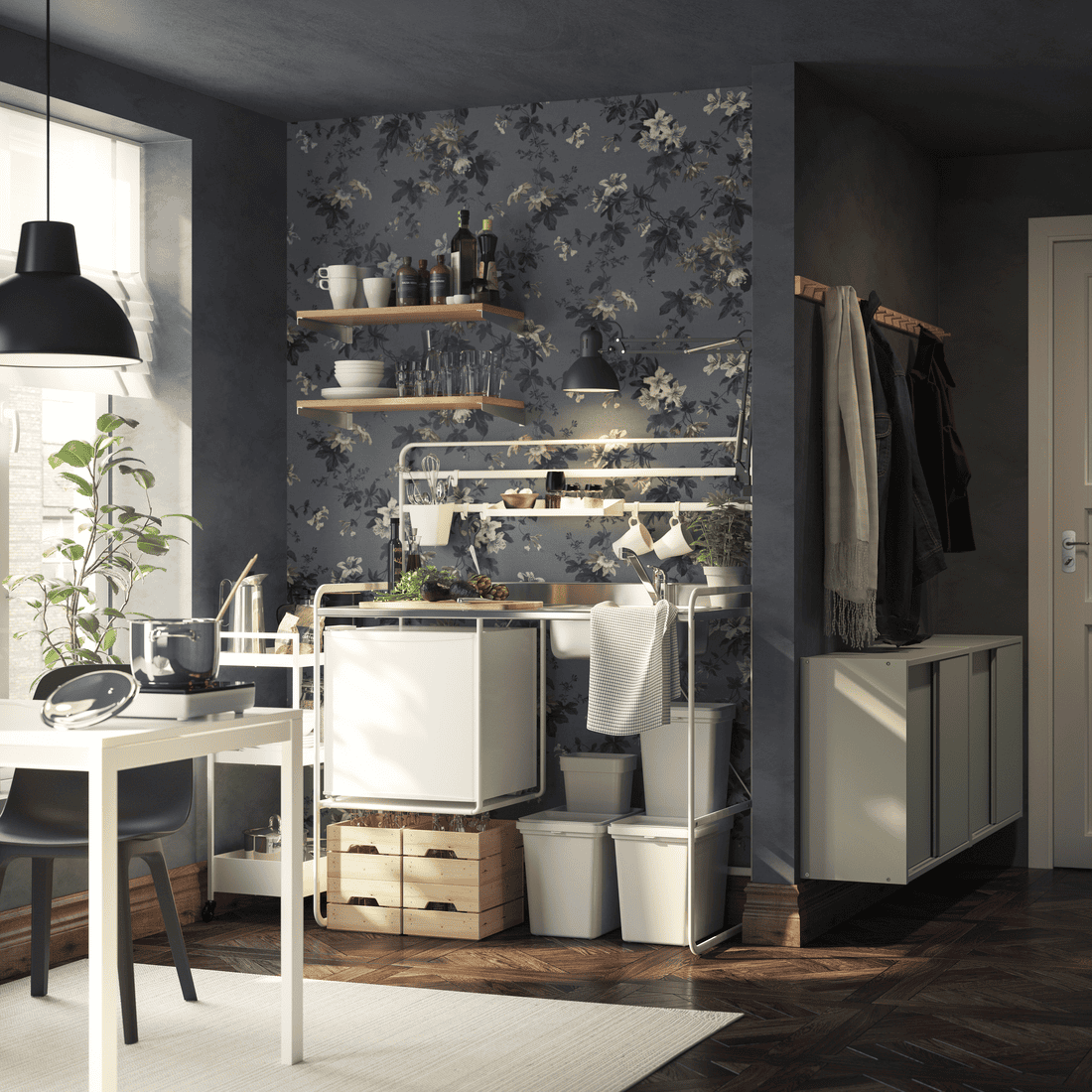
Caption: SUNNERSTA mini kitchen is a practical choice for limited space and light cooking needs.
Add a rail, hooks, a small shelf, or a trolley for items used often. That way, the kitchen still feels ready to use without needing large cabinets or a more permanent built-in setup.
5. A semi-open kitchen for a home close to nature
GRILLSKÄR can be an option for a semi-open kitchen because its outdoor stainless steel is made to handle heat and rain better. It can work as an extra prep surface for ingredients, cooking tools, or outdoor cooking activities.
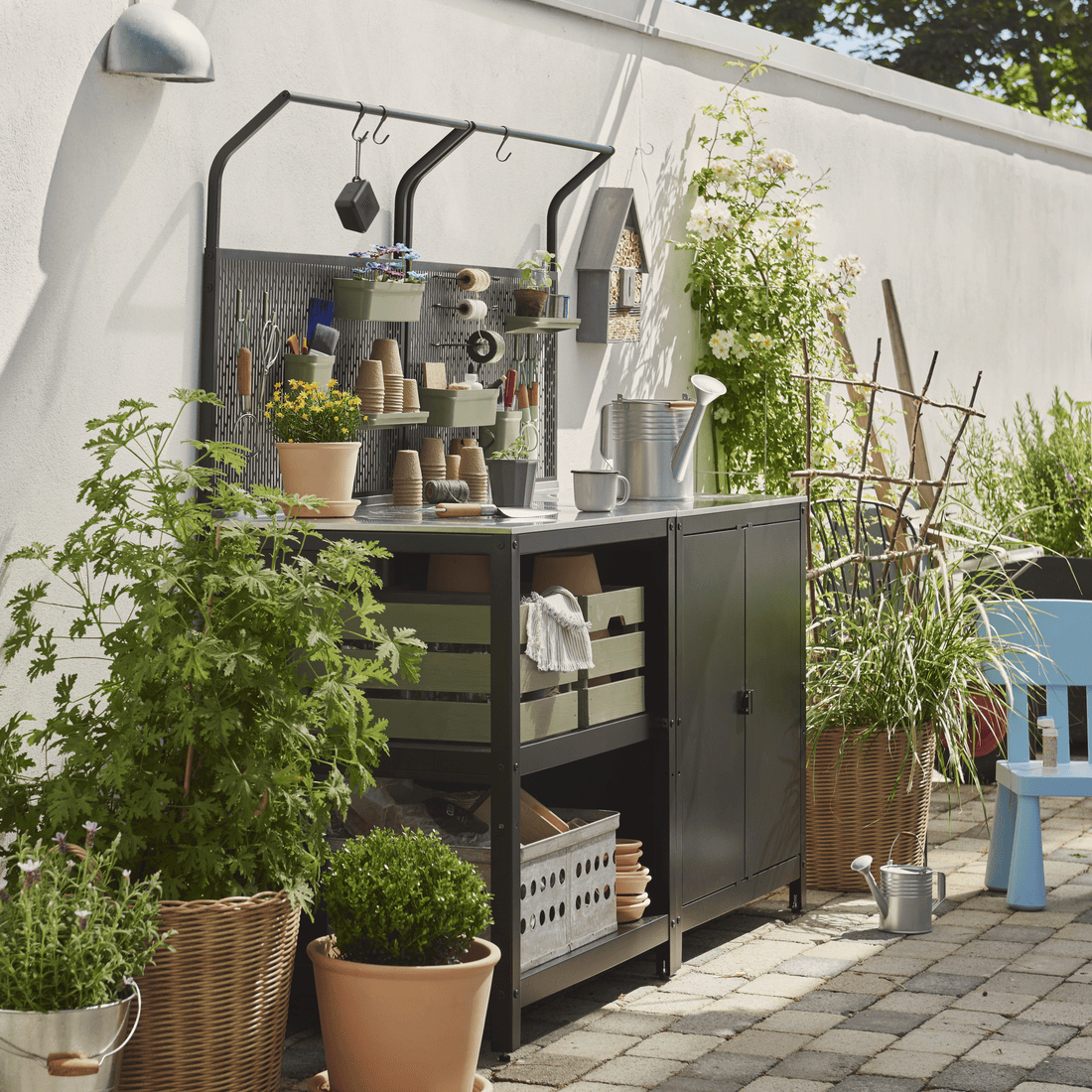
Caption: GRILLSKÄR kitchen units use outdoor stainless steel, making them suitable for outdoor or semi-outdoor kitchen concepts.
A semi-open kitchen works well for homes near a yard, garden, or open area. The space can stay sheltered while still letting air and light move through, so the kitchen feels fresher.
To keep it easy to care for, store less-used items in closed cabinets. For everyday items like seasonings, glasses, cutting boards, or small tools, use open shelves that are easy to reach and easy to wipe clean.
6. A kitchen with open shelves for everyday items
Open shelves can hold everyday items such as drinkware, small cooking tools, seasoning containers, and kitchen supplies you reach for often. Because everything is easy to see, the cooking area can feel more practical during daily use.
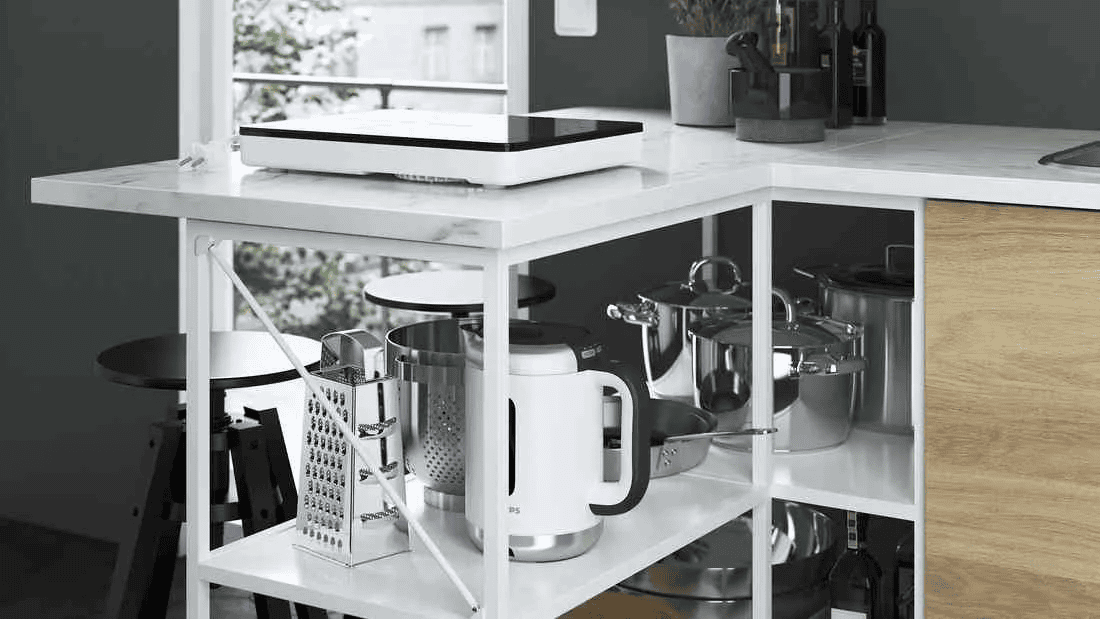
To keep the shelves tidy, use them only for items that truly get used often. Food stock, large pots, backup tools, and rarely used items are usually better kept in closed cabinets or storage boxes.
Open shelving can also help a simple kitchen feel lighter because not every side of the room is covered with cabinets. Leave a little empty space between items so the shelves stay easy to clean and do not make the kitchen look too full.
7. A kitchen with a small dining table nearby
A small dining table with two to four chairs can work as both a place to eat and a landing spot near the kitchen. Freshly cooked food is easier to serve, family members can sit while waiting, and the conversation can stay close while someone cooks.
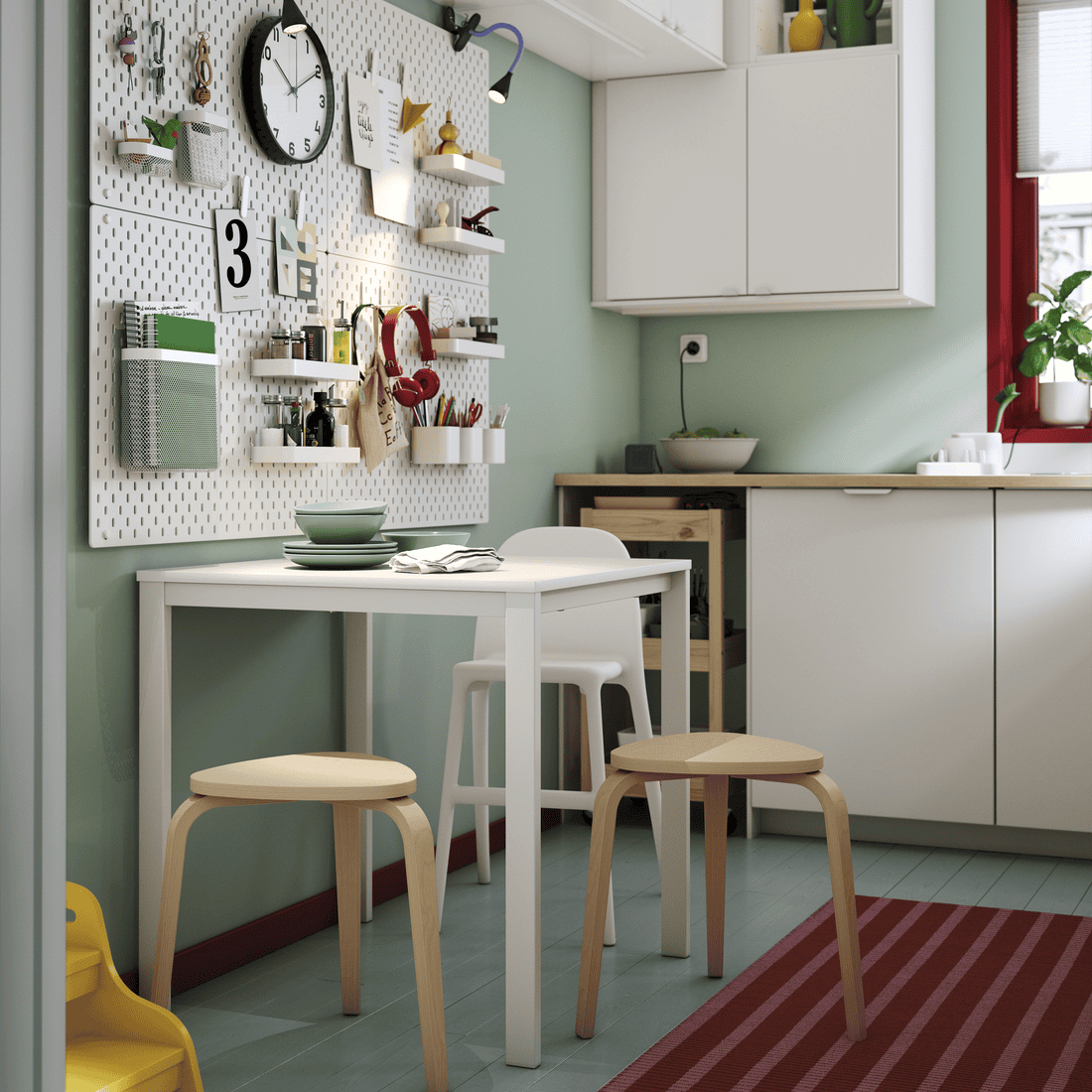
Caption: Keeping the kitchen and dining table in the same room can save space and make the home feel warmer, because cooking and conversation can happen in the same area.
In a limited space, choose a table that still leaves room to move around. If the kitchen is in a villa or weekend home, a small table can also double as extra prep space when needed.
8. An L-shaped kitchen for a corner space
An L-shaped kitchen uses two connected walls, which helps separate cooking and washing without spreading the kitchen too far across the room.
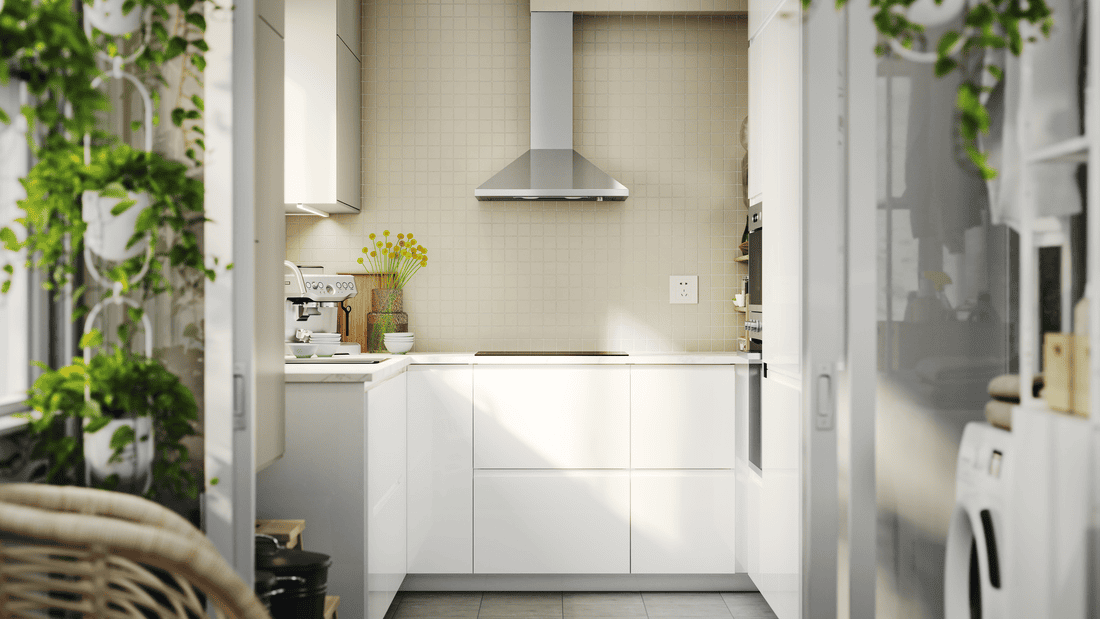
One side can hold the stove and prep area, while the other side can hold the sink and storage. The corner can be used for a cabinet, shelf, or storage for tools that are not used every day.
This layout also gives the kitchen clearer zones. In a more open rural home, the L shape can gently separate the kitchen from the dining room or family area without needing a full wall.
9. A flexible kitchen with open and closed storage
ENHET is designed as a flexible kitchen system with closed cabinets, open cabinets, accessories, worktops, sinks, and faucets. The mix of open and closed storage lets you decide what should stay visible and what should be tucked away.
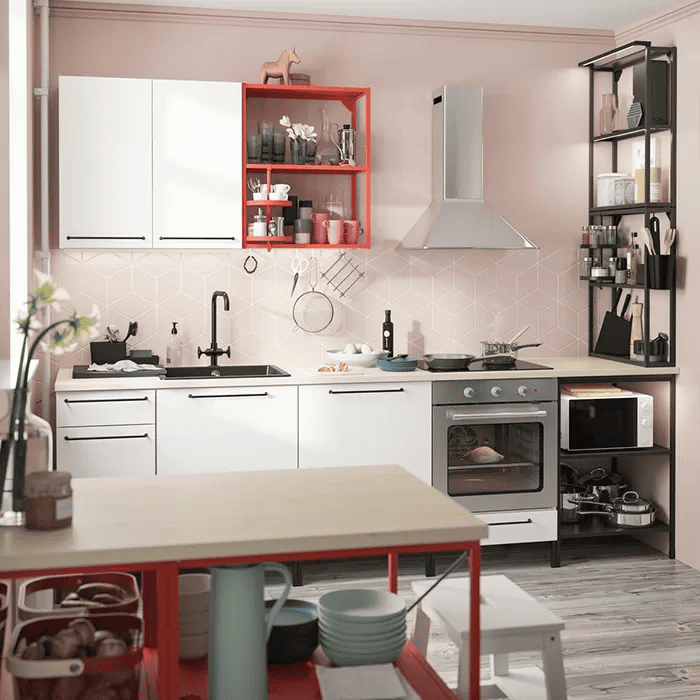
Caption: ENHET combines closed cabinets and open shelves, helping you keep frequently used tools within reach while storing less-used items behind cabinet doors.
This kind of kitchen is useful for homes where routines can change. On a regular day, the kitchen may serve a small family. During holidays or family visits, it may need to handle more cooking, serving, and storage.
Use closed cabinets for items that need more protection, such as dry food, extra plates, or tableware. Use open shelves for seasonings, everyday glasses, or small tools that are picked up often.
10. A kitchen that can grow little by little
You can start with the part of the kitchen you need most, then add more as daily routines become clearer. A stove, sink, worktop, and one main storage piece can already make the space usable. Later, you can add shelves, rails, a trolley, or wall cabinets when the need feels real.
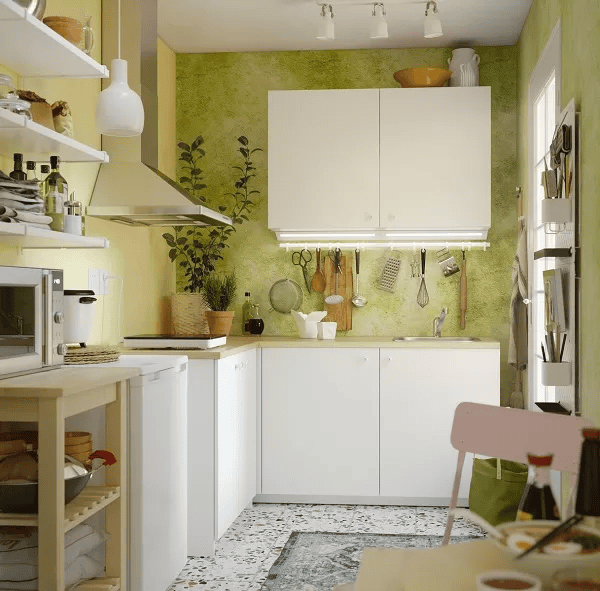
Caption: KNOXHULT has base cabinets and wall cabinets that can be combined around your kitchen space. You can start with a few cabinets now, then add more later as your needs grow, a little like building with simple blocks.
This gradual approach can feel easier for a family home or a village home that is still growing with the people who live in it. You can first notice how the kitchen is actually used: which items you reach for most, which area gets crowded, and which part becomes messy fastest.
Building the kitchen in stages also gives you more room to work with your budget. Start with what helps most, then add small solutions that make everyday cooking easier.
IKEA kitchen options to compare
Not every kitchen needs to start with a large setup. Some homes only need a small cooking area, while others need more closed storage or a mix of shelves and cabinets. This table can help you compare IKEA kitchen options based on space, cooking habits, and storage needs.
| Kitchen option | Best for | Look and function | What to keep in mind |
|---|---|---|---|
| KNOXHULT | Family kitchens that need base and wall cabinets | Minimal, functional, and easy to build from cabinet combinations | Works best in a fixed kitchen area with wall space for cabinets |
| SUNNERSTA | Mini kitchens, villas, weekend homes, or extra kitchen areas | Compact, open, movable, and light on space | Better for basic needs and everyday items that are not too many |
| ENHET | Kitchens that need a mix of open and closed storage | Flexible, easy to adjust, and useful for changing needs | Plan what stays open and what goes behind doors so the kitchen stays tidy |
What to check before building your kitchen
Before planning your kitchen, check the room size, water line, stove position, installation instructions, airflow, and likely storage needs. These small checks can help the kitchen work better in real life, not just look good in a plan.
Measure the wall and the walking space
Wall measurements help you decide whether a one-wall kitchen, L-shaped kitchen, or mini kitchen makes the most sense. Check the wall length, wall height, and the open area in front of the cabinets.
Leave enough room to open cabinet doors, pull out drawers, stand at the sink, and carry food from the cooking area to the dining table. Read our guide here for ideal kitchen set sizes.
Check the water line before placing the sink
The sink is usually easier to install and maintain when it sits close to the water line. In the kitchen, a practical sink position often matters more than a picture-perfect layout. If the kitchen is in a rural home with a basic water setup, keep the washing area easy to reach and easy to clean. A small drying area can also help keep water from spreading across the whole worktop.
Keep the stove away from strong airflow
A stove should sit on a stable surface, away from strong airflow, and close enough to the prep area. When a stove is too close to a window or wind path, the flame can become less steady.
The type of stove can still follow the home’s needs and preferences. If a regular stove or simple built-in cooktop is enough for daily meals and does not block movement in the kitchen, that can already be a good setup.
If the home has limited electrical capacity, avoid relying on too many electric appliances. Focus on the stove, basic lighting, and small tools that are truly useful for everyday cooking.
Pay attention to air, light, and humidity
Homes near gardens, fields, or open outdoor areas can be more humid. A kitchen in this setting needs good airflow to help the space stay drier and reduce the chance of mold or mildew.
Natural light can make the kitchen more pleasant during the day. Ventilation also helps with cooking smoke and food smells. If you use closed cabinets, make sure the surrounding area is not constantly exposed to water splash or rain.
Decide what should go inside closed cabinets
Not every item needs to sit on open shelves. Dry food, extra plates, guest tableware, and cooking tools that are rarely used are usually better stored behind doors.
Open shelves can be kept for items that are washed and used every day. This helps the kitchen feel lived-in without looking messy, and it can make daily cleaning a little easier.
Cabinet choices for a simple kitchen
Closed cabinets
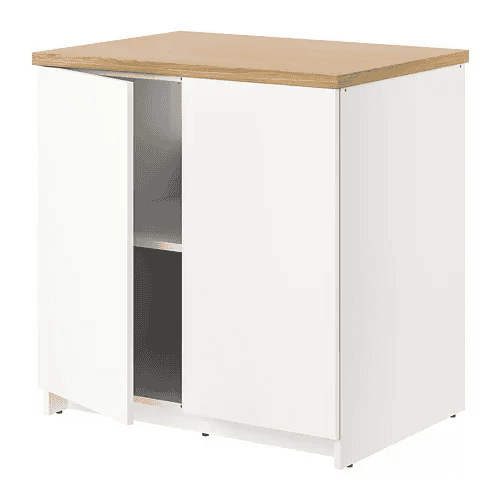
KNOXHULT cabinets
- Recommended use
- Cabinets with doors or drawers for items that do not need to stay visible.
- Best for
- Plates, glasses, dry food, large pots, kitchen stock, and cooking tools used less often.
- Watch out for
- Use closed cabinets for items that need more protection from dust, humidity, or a kitchen that looks too full.
Open cabinets
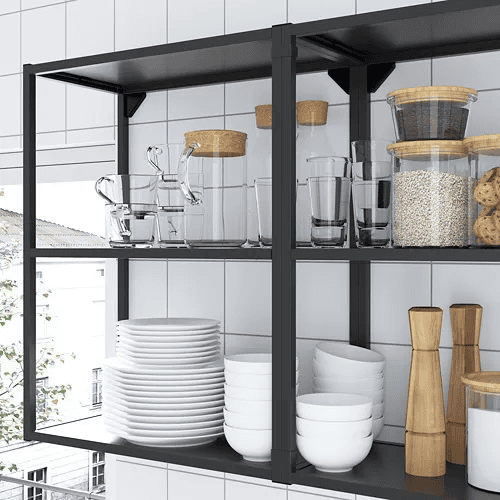
ENHET cabinets
- Recommended use
- Shelves or cabinets without doors for everyday items that are easy to grab.
- Best for
- Seasonings, everyday glasses, small bowls, cutting boards, kitchen cloths, or often-used tools.
- Watch out for
- Fill them with items that are used often and easy to wipe clean, so the shelves stay light and do not get messy too quickly.
Tips to keep your kitchen tidy and easy to care for
A simple kitchen is easier to care for when every item has a clear place. Once the cooking, washing, storage, and dining areas are set, the next step is keeping daily items from piling up on the counter again.
Start with these small habits:
Keep tools near where you use them
Cooking utensils and daily seasonings are easier to use near the stove. Dish soap and sponges belong near the sink. Plates and glasses can stay close to the dining or serving area.
Use a tray or container for small items
Oil, soy sauce, salt, and small seasonings can make a counter look busy fast. A tray keeps them together and makes them easier to lift when the counter needs a quick wipe.
Separate everyday items from backup items
Everyday items can go on open shelves or in upper drawers. Backup items can sit in lower cabinets or closed storage. The kitchen becomes easier to use when only the things you reach for most are in plain sight.
A simple kitchen for everyday life at home
A simple rural kitchen starts with the basics: cooking, washing, storage, and dining. Once those four areas are clear, the kitchen can feel tidier and easier to use even without many appliances.
For a family home, lower cabinets and wall cabinets can help the kitchen feel more organized. For a villa or weekend home, a light mini kitchen may be enough for simple needs. For a home where routines change, a mix of open and closed cabinets can give the kitchen more flexibility.
It is okay if the kitchen is not complete right away. Start with the flow you use most: take ingredients, prep food, cook, wash, and put things back. From there, you can add shelves, cabinets, a small table, or accessories little by little as the home needs them.
Frequently asked questions about simple kitchen ideas for rural homes
Start with the kitchen collections you need most