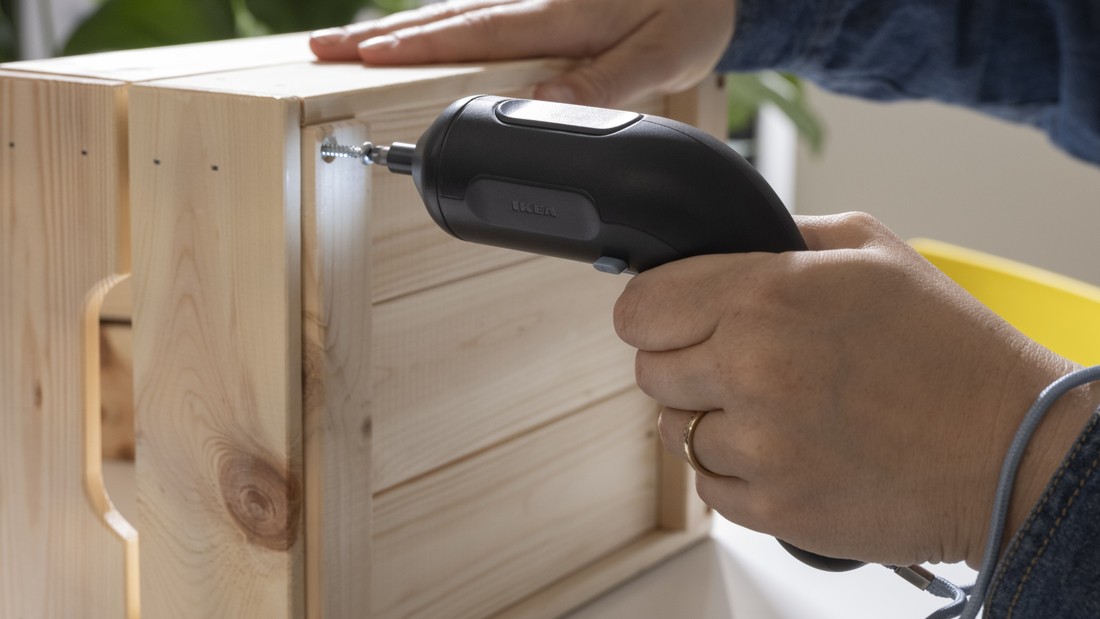
Installing home fixtures or repairing small items requires the right tools. One commonly used tool for these tasks is pliers, which come in different shapes and serve different purposes.
Although they may look similar at first glance, each type of pliers is designed for specific tasks. Understanding the differences can help you choose the right tool for DIY (do-it-yourself) projects and minor home repairs.
Read the following guide to learn about pliers and how they can be used for various simple repair tasks around the home.
Not all pliers are suitable for the same tasks. Choose pliers based on their intended function, the size of the object being handled, and the usage limits specified by the manufacturer to help ensure safer work.
Getting to know pliers and their functions
Pliers are hand tools consisting of two handles, a pivot joint, and jaws at the working end. When the handles are squeezed, the jaws close to grip or hold an object. Some designs also feature cutting edges for working with suitable materials.
Each component serves a different purpose. The handles allow you to apply pressure, the pivot connects the two sides and enables movement, and the jaw design determines how the tool grips or cuts the workpiece.
Pliers are used for a variety of tasks, from holding small components and bending wire to cutting specific materials. Since each type has a different purpose, it is important to understand its characteristics before use.
Different types of pliers for various tasks
Each type of pliers has a jaw design and mechanism intended for specific tasks. Here are some commonly used types and their key characteristics and applications.
1. Combination pliers
Combination pliers feature serrated jaws for gripping objects, a curved gripping section for holding round items, and cutting edges near the pivot.
This combination makes them suitable for general tasks such as gripping, twisting, and cutting wire within the tool's specified capacity.
2. Needle-nose pliers
Needle-nose pliers have long, slender jaws that make it easier to reach into narrow spaces and grip small components. They are commonly used to bend wire ends, retrieve small objects, or handle components in areas that are difficult to reach by hand.
3. Diagonal cutting pliers
Diagonal cutting pliers have sharp cutting edges designed to cut wire or cable within the tool's specifications. Their angled head allows for more controlled cuts, making them useful for assembly work, crafts, and minor repairs.
4. Locking pliers
Locking pliers feature a locking mechanism and an adjustment screw that controls the jaw opening. Once locked, they can maintain a firm grip on a workpiece, such as when holding a component in place during certain repair tasks.
5. Wire-stripping pliers
Wire-stripping pliers are used to remove insulation from electrical wires without damaging the conductor inside, provided the tool is correctly sized and adjusted.
Some models have designated stripping sizes or adjustable openings, so it is important to match the tool to the type and diameter of the wire.
6. Crimping pliers
Crimping pliers are used to compress connectors or terminals onto the ends of wires to create a secure connection through a process called crimping. The jaws have specially shaped dies, so the tool and die size must match the connector and wire being used.
Read also: 15 Essential Household Items for a Functional and Comfortable Home
How to choose the right pliers for your needs
Before buying pliers, consider the tasks you intend to perform and how often you will use the tool. The following factors can help you choose the right option:
-
Type of task: Determine whether you need pliers for gripping, cutting wire, stripping cables, or crimping connectors.
-
Size and capacity: Check the jaw length, maximum opening, and the types and thicknesses of materials the tool can handle.
-
Handle comfort: Choose handles that fit comfortably in your hand and have a non-slip surface for better control.
-
Build quality: Check the hinge for sturdiness, inspect the jaws, and assess the sharpness of the cutting edges, if applicable.
-
Frequency of use: Consider a tool set for a variety of household tasks, or specialised pliers if you regularly perform a specific type of work.
Tips for using and maintaining pliers safely
Proper use helps reduce the risk of injury and keeps pliers in good working condition. Follow these practices when using and storing your tools:
-
Inspect the jaws, hinge, and handles before use. Do not use pliers that are cracked or damaged.
-
Use pliers only for their intended purpose and within their rated capacity. Use a spanner or socket wrench to tighten or loosen nuts and bolts.
-
Never use ordinary pliers on live electrical installations. Electrical work requires appropriate safety procedures and properly insulated tools.
-
Wear eye protection when cutting wire to reduce the risk of injury from flying fragments.
-
Clean the pliers after use and dry them before storage. Lubricate the hinge when necessary, following the manufacturer's instructions.
Read also: Choices of kitchen tools to make cooking activity more enjoyable
Recommended tool set for minor home repairs
For DIY projects and minor home repairs, you need a few basic tools, such as pliers, screwdrivers, and other accessories. IKEA offers a tool set that combines several tools in one package, making home repairs more convenient.
Here is one tool set from IKEA that you may want to consider.
1.TRIXIG 15-piece tool set
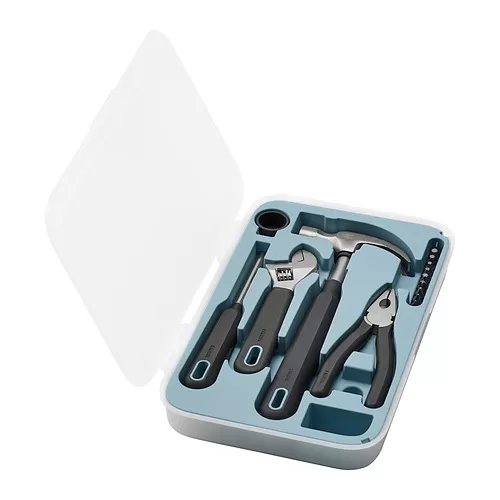
To support a variety of minor household tasks, the TRIXIG 15-piece tool set includes combination pliers, a claw hammer with a separate rubber mallet attachment, an adjustable wrench, a screwdriver, several screwdriver bits, and an awl.
All the tools are stored in a box measuring 28 × 19 × 4 cm, making it easy to keep alongside your other repair supplies. This set can be a practical addition to your household toolkit for everyday repairs and small DIY projects.
2. TRIXIG 20-piece drill and bit set
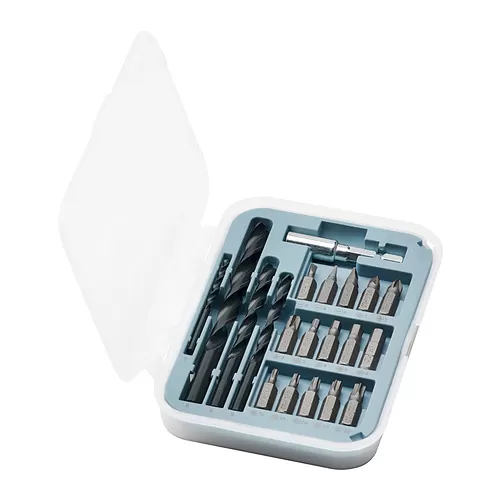
The TRIXIG 20-piece drill and bit set contains 20 drill and screwdriver bits for different screw types, including Phillips, Torx, Allen, and slotted, as well as drill bits with diameters of 3, 5, 6, and 8 mm.
The set comes with a magnetic storage case that keeps the bits in place. It can be used for projects involving wood, plastic, and metal.
3. TRIXIG screwdriver/drill
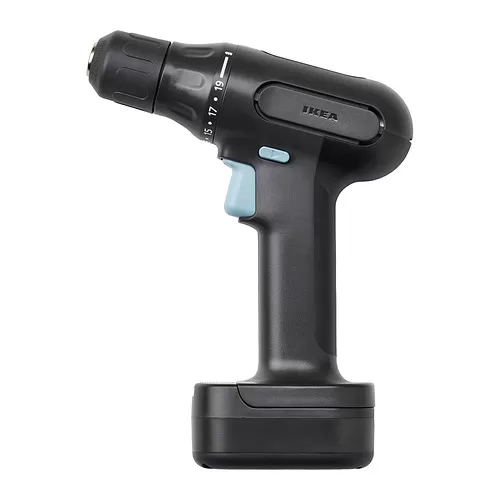
The TRIXIG screwdriver/drill can be used to drill into wood, plastic, and soft metal, as well as to insert or remove screws.
It features a 12 V lithium-ion battery with a capacity of 1.5 Ah, a maximum torque of 16 Nm, 19 torque settings plus a drilling mode, and an integrated LED light.
4. TRIXIG tape measure
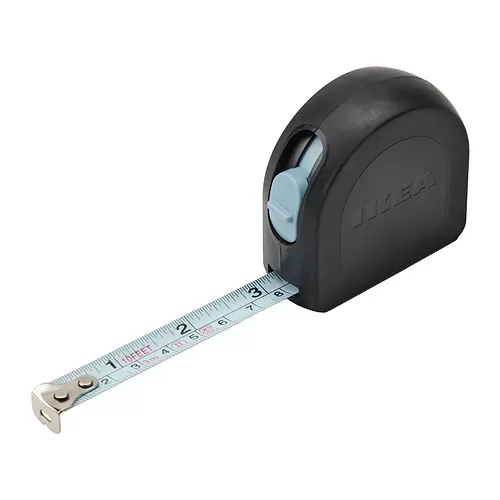
The TRIXIG tape measure features a 3-meter steel measuring tape with millimeter and inch markings. Its body is made of rubber-coated ABS plastic to provide a secure grip, and it includes a locking button and an automatic retraction mechanism.
Equip your home for everyday repairs
Choosing pliers according to the task can make minor home repairs more manageable. You do not need to own every type of pliers at once; start with the tools that suit your everyday needs.
To make DIY projects and home maintenance easier, consider other tools that support these activities as well. Choose tools based on their purpose, ease of use, and your specific needs.
Visit IKEA.co.id to explore tools and accessories that can support your home repair and maintenance tasks.
FAQ
Pliers are used to grip, hold, bend, cut, or pull certain objects, depending on their design.
Combination pliers can grip objects and cut certain types of wire, while cutting pliers are designed specifically for cutting materials within their rated capacity.
Needle-nose pliers have long, slender jaws that help reach narrow spaces and hold small components.
No. Each type of pliers has different functions and limitations, so choose one that suits the task.
Yes. The TRIXIG 15-piece tool set includes combination pliers and several other hand tools for DIY projects and minor home repairs.