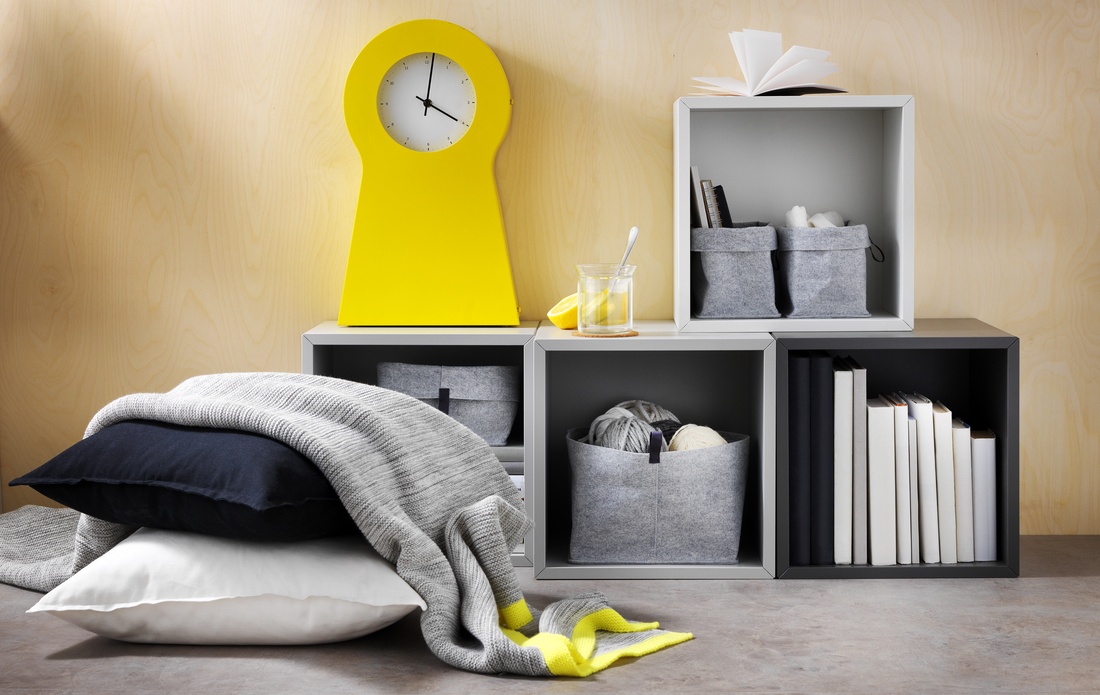
Household essentials support many everyday activities, from cooking and cleaning to organising belongings and creating a comfortable place to relax. Choosing the right household items therefore means considering more than appearance. Function, available space and everyday routines also matter.
Every home is different. A compact home may benefit more from multifunctional furniture and smart storage, while a larger household may need greater storage capacity or additional appliances. Prioritising your needs can help you create a home that feels comfortable without filling it with unnecessary items.
You do not need to buy every household essential at once. Start with items that support your most frequent routines—sleeping, cooking, dining, cleaning and storage—then add furniture and household appliances based on your available space, household size and budget.
What are household essentials?
Household essentials are items that make everyday activities at home easier and more comfortable. They include furniture such as sofas, chairs, wardrobes and shelving, as well as cookware, cleaning tools and electrical appliances such as refrigerators and washing machines.
Furniture is generally used to support the function of a room, while the broader term household items can also include accessories, kitchen equipment and appliances. Together, they help create a functional and organised home.
15 household essentials every home can benefit from
Not every item on this list is essential for every household. Use it as a practical guide and choose the products that best match your routines, available space and lifestyle.
1. Sofa and comfortable seating
A sofa provides a comfortable place to relax, spend time with family or welcome guests after a busy day.
Choose sofas and armchairs that fit the size of your room while leaving enough space to move around comfortably.
2. Dining table and chairs
A dining table supports everyday meals as well as conversations and family gatherings.
Match the table size to your household and available dining space. Explore dining tables and dining chairs to create a practical dining area.
3. Bed and sleep essentials
A comfortable bed, mattress, pillows and blankets can help create a more relaxing bedroom environment.
Choose sizes according to your bedroom dimensions and sleeping needs, while ensuring there is enough space to move comfortably around the bed.
4. Wardrobe
A wardrobe keeps clothes and personal belongings organised while helping reduce visual clutter in the bedroom.
When choosing wardrobes, consider your storage needs, available floor space and the types of clothes or accessories you need to store.
5. Storage shelving
Shelving is a flexible solution for books, work supplies, decorative objects and everyday household items.
Using shelving storage also helps make better use of vertical space, particularly in smaller homes.
6. Cooking utensils
Pots, pans, spatulas and other kitchen tools make everyday cooking easier.
Start with the kitchen tools you use most frequently rather than filling your kitchen with utensils that may rarely be needed.
Read also: Trends in modern kitchen equipment: cooking made easier
7. Hob or stove and oven
A hob or stove is a core appliance for preparing everyday meals. Depending on your home and cooking habits, you may choose a gas or induction option.
An oven is useful if you regularly bake or roast food. Consider its dimensions, capacity and energy use before making your choice.
8. Refrigerator
A refrigerator helps keep food, drinks and ingredients cool and organised.
Choose its capacity based on household size and shopping habits. An unnecessarily large model may take up valuable space and consume more energy than you need.
9. Tableware and drinkware
Plates, bowls, cutlery, glasses and cups are everyday dining essentials.
The quantity you need will depend on your household and how often you entertain guests. Keeping tableware well organised also makes everyday meals easier to prepare.
10. Broom and mop
Basic cleaning tools such as a broom and mop make it easier to remove dust and everyday dirt.
Choose cleaning tools based on the surfaces in your home and store them where they remain easy to reach for regular household cleaning.
11. Washing machine and dryer
A washing machine can save significant time and effort, especially for households that need to do laundry frequently.
A dryer may provide added convenience depending on your climate, available drying space and routine. Check capacity and dimensions before purchasing either appliance.
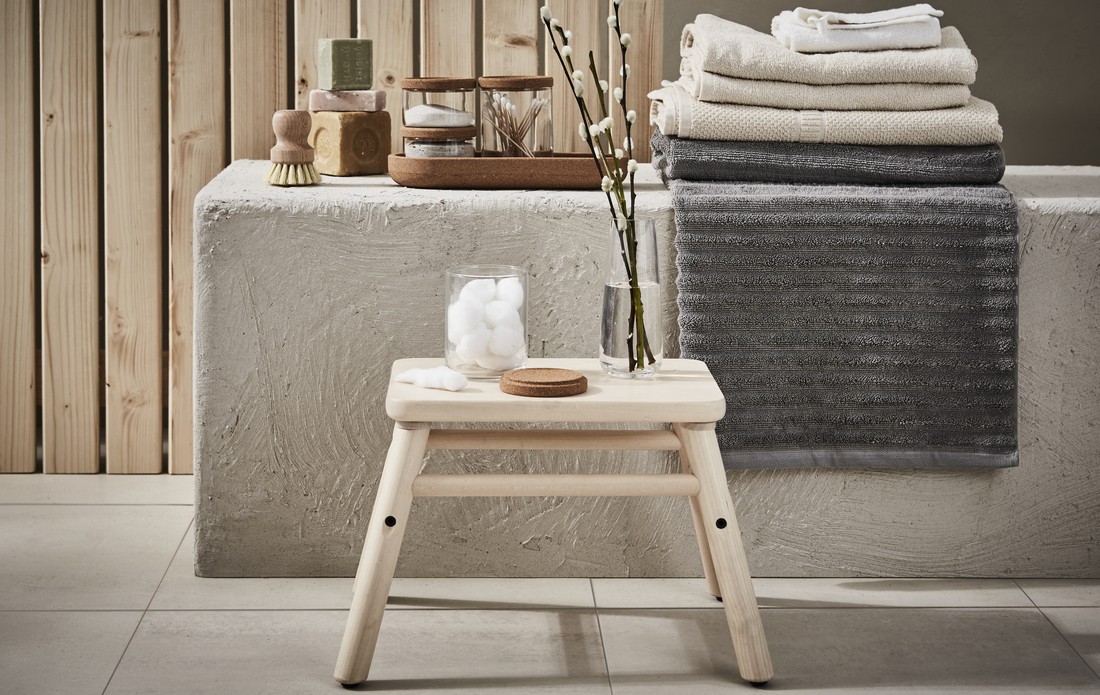
12. Bathroom essentials
Towels, bath mats, small storage solutions and bathroom accessories help keep everyday toiletries organised.
Appropriate storage can also keep frequently used items away from excess water and make the bathroom easier to maintain.
13. Rugs
Rugs can add comfort, texture and warmth to a living room, bedroom or dining space.
They can also help define different zones within an open-plan interior while contributing to the overall decorative look of the room.
14. Home decoration
Once functional essentials are covered, decorative accessories can help make your home feel more personal.
Mirrors, lighting, decorative plants and smaller accessories can enhance a room without taking over its function. Explore home decoration that suits your available space and interior style.
15. Functional household appliances
Beyond refrigerators and washing machines, some households may benefit from additional appliances such as cooling equipment, air-quality devices or other practical electronics.
Not every appliance is essential for every home. Consider how often you will use it, how much space it requires and whether its benefits match your everyday needs.
Tips for choosing household essentials
With so many household products available, it is easy to buy more than you actually need. A few simple considerations can help you prioritise the right items.
Prioritise function and frequency of use
Start with products you are likely to use every day. Beds, cooking equipment, storage solutions and cleaning essentials will usually provide more immediate value than buying large amounts of decoration first.
Match furniture to your available space
Measure your room before purchasing larger furniture.
Remember to leave enough clearance for doors, drawers and chairs to open comfortably. In compact homes, multifunctional furniture and vertical storage can help save valuable floor space.
Consider materials and maintenance
Quality household items should suit the way they will be used.
Consider material, construction, durability and how easy each item is to clean. This is particularly important in areas exposed to dust, moisture, food or frequent everyday use.
Make use of multifunctional furniture and storage
Furniture with more than one purpose can improve efficiency in smaller spaces.
Examples include benches with hidden storage, tables with drawers and shelving that combines organisation with display space.
Choose household appliances based on real needs
When selecting a refrigerator, oven, washing machine or dryer, look beyond the number of features.
Capacity, energy use, dimensions and frequency of use are often more important than choosing the largest or most complex product available.
Complete your home with functional essentials
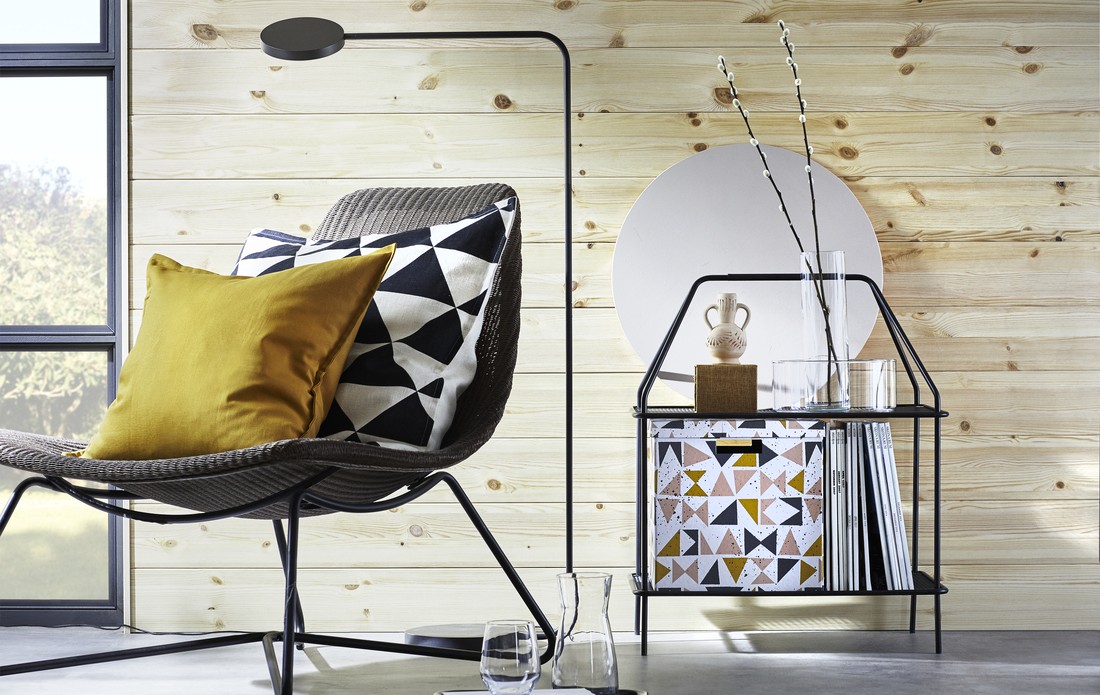
The right household essentials can make everyday routines easier while supporting a comfortable and organised home.
Explore IKEA sofas and armchairs, shelving storage and kitchen tools to find functional solutions that fit your available space and everyday needs.
Read also: Kitchen tools to make cooking more enjoyable
FAQs about household essentials
Household essentials are items that support everyday life at home, including furniture, kitchen equipment, cleaning tools, storage solutions and electrical appliances.
Common priorities include a bed, wardrobe, dining table and chairs, cooking equipment, refrigerator, cleaning tools, storage shelving and a washing machine. The exact list depends on your lifestyle and available space.
Household items is a broad term covering many products used at home. Furniture includes items such as tables, chairs, sofas and wardrobes, while appliances generally refer to electrical devices such as refrigerators, ovens and washing machines.
Basic cleaning essentials typically include a broom, mop, cleaning cloths, brushes and waste bins. Choose tools according to the surfaces and cleaning needs in each room.
Consider function, size, capacity, material, maintenance, available space and frequency of use. Prioritising high-use essentials before decorative or specialised items can help you use both space and budget more efficiently.