New school year 2026: time for the whole home to level up

The new school year is not just about children going back to school, but also a moment for the entire family to adapt to new routines at home. By understanding the 2026 education calendar, you can plan school start schedules, study time, and daily activities more effectively. This change can be a joyful beginning when prepared together.
Let’s explore how to make this transition more organized and full of energy through the complete guide below!
Education calendar 2026: a guide to organizing routines
Here is the 2026 education calendar that will help you structure your family routine more effectively:
Important dates in the 2026 education calendar
One important date to note is January 5, 2026, which generally marks the beginning of the second semester in many regions of Indonesia. During this time, teaching and learning activities resume after the year-end holiday, so it is important to start reorganizing your daily schedule.
From January 2026 to March 2026, school activities are usually intensive, with various learning materials that need to be followed consistently.
As June 2026 approaches, this becomes an important phase as it is typically filled with final assessments for the second semester. This is when children need a more focused study environment at home to prepare well.
After that, entering July 2026, the education calendar marks the start of the first semester and a new academic year, meaning you need to readjust daily routines to the new school schedule.
The role of the education office in determining schedules
It is important to understand that the education calendar is not entirely uniform across Indonesia. Scheduling is under the authority of provincial education offices, which adjust the calendar based on the needs and conditions of each region.
Therefore, even though there is a national reference, school start schedules, holidays, and teaching activities may vary slightly between regions.
In this process, the head of the education office plays an important role in setting policies related to the academic calendar. Terms such as school start schedules, teaching and learning activities, and semester divisions are part of the officially regulated structure.
School holiday schedule and family moments
School holidays provide an opportunity for you and your family to strengthen togetherness. Semester breaks, national holidays, and joint leave can become valuable moments to reset routines that were previously busy.
Semester holidays and national holidays
Semester holidays usually occur after an intensive learning period, such as after final assessments in June 2026. There are also national holidays and joint leave spread throughout the year, providing breaks during teaching and learning activities.
These moments can be used to rest from school routines while giving children space to recharge before going back to school.
Making the most of family bonding time
Instead of filling time with passive activities, you can use school holidays as an opportunity to strengthen family relationships.
Simple activities such as cooking together, organizing the study area, or rearranging parts of the home can be enjoyable experiences. These activities not only create emotional closeness but also help children learn responsibility in a more relaxed setting.
Managing holiday schedules to stay productive
To keep holidays balanced, it is important to create a flexible yet structured schedule. You can divide time between rest, play, and light activities that still support effective learning.
For example, set aside time for reading, drawing, or creative exploration at home. This way, children stay active without feeling pressured, and the home becomes a supportive space for growth during the holiday.
Preparing your home for the new school year
The new school year is often associated with busier schedules, increasing assignments, and changing daily rhythms. Therefore, preparing your home, even with small adjustments to the study area—can have a big impact on comfort and learning consistency.
Creating a comfortable study area
A comfortable study area does not have to be large, but it should be neat, well-lit, and supportive of concentration. You can start by choosing a corner of the home with minimal distractions, sufficient lighting, and easy access to daily study needs.
Add simple elements such as stationery holders, small shelves, or boards so that supplies are easy to reach. With the right setup, children will be more prepared to engage in learning activities without having to move around.
The home environment plays a big role in shaping study habits. If the home is organized and consistent, children are more likely to follow school schedules and maintain a steady learning rhythm.
This also helps make the transition from holiday mode to school routines smoother. A comfortable home becomes a “supporting space” for the school environment, keeping children motivated to learn.
The relationship between the school environment and the home atmosphere is very strong. At school, children are used to structured schedules. At home, they need a similar environment to stay focused and maintain that rhythm.
That’s why it’s important for you to create a supportive study area—not just in terms of furniture, but also atmosphere: calm, organized, and comfortable for thinking.
Read also: Decorating a child’s study space: make learning comfortable and enjoyable
Study desk and chair solutions
Choosing the right desk and chair helps children sit comfortably and maintain good posture while studying. For compact spaces, the MICKE desk is a practical option thanks to its slim design and easy placement in corners or shared areas. It helps maximize space without sacrificing functionality.
If you need a more flexible desk for various activities, the LAGKAPTEN/ALEX desk combination supports both studying and storage needs. The spacious surface provides room for books, laptops, and stationery, while drawers keep everything organized.
To complete the study area, the ORFJALL chair offers comfortable seating for longer study sessions. Its design supports stability and helps children stay focused during learning activities.
Building effective study routines for the whole family
An effective study routine is built from simple habits that are easy to follow daily and adapted to each family member’s needs. Here’s how:
Morning routine before going to school
Mornings are often the busiest time, especially when everyone is preparing at the same time. To avoid rushing, create a clear sequence of activities such as waking up, getting ready, breakfast, and leaving.
Setting a consistent wake-up time helps the body adjust so children don’t feel tired when school starts. If possible, leave 10–15 minutes as a buffer for unexpected situations.
Preparation before school should start with the basics—making sure all supplies are ready and easy to access. Place bags, shoes, water bottles, and lunch in the same area to avoid forgetting anything.
You can also put a simple checklist near the door to help children remember what to bring. This small habit makes mornings more organized and teaches responsibility.
To avoid rushed mornings, limit time-consuming activities such as searching for lost items or choosing clothes at the last minute.
Prepare school uniforms the night before and ensure the breakfast area is ready. If children struggle to focus in the morning, use visual reminders like clocks or notes to guide them.
Evening routine for the next day
Evening routines play an important role in ensuring a smooth morning. After learning activities, encourage children to tidy their study area and prepare for the next day.
This includes filling water bottles, organizing books, and checking assignments. When done consistently, children become more independent and less anxious in the morning.
Preparing school supplies at night also reduces stress in the morning. You can create a “ready-to-go corner” where all school essentials are kept.
To keep routines structured, create a realistic daily schedule. For example, set time for dinner, light study, preparation, and early sleep. Consistency helps children understand when it’s time to play, study, and rest.
Organizing school supplies for better efficiency
When everything is well organized, children don’t waste time searching for items and can focus more on learning. Here’s how:
Storing stationery and learning supplies
Stationery and learning tools are often the easiest to misplace. Use organizers and storage solutions to group items by function.
For example, separate containers for pens, notebooks, and art supplies. This makes it easier to find what’s needed.
To support creativity, you can use MÅLA products designed for drawing and exploration. Providing a dedicated creative space keeps things tidy while encouraging expression.
Managing school meals and lunch
Managing meals and lunch is also important for smoother daily routines. Preparing lunch the night before saves time and ensures proper nutrition.
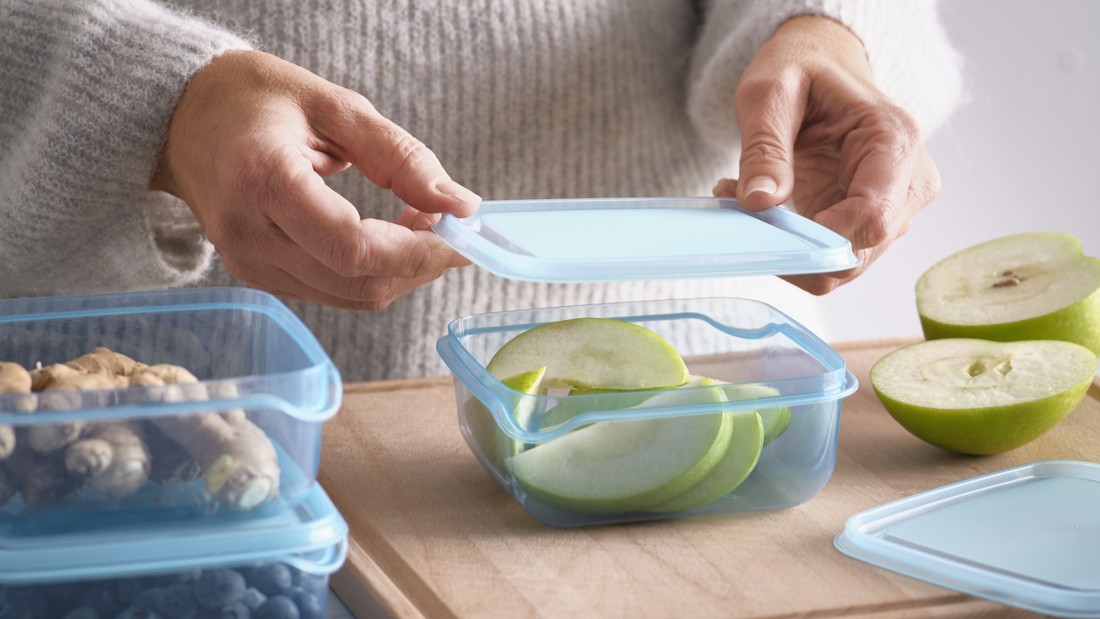
PRUTA food containers help organize meals, IKEA 365+ water bottles support hydration, and FRAMTUNG lunch bags keep everything together.
Preparing for final semester assessments
Final semester assessments can be challenging, as children need focused study time. With proper preparation at home, you can help them feel more confident.
Understanding second semester assessments
These assessments usually take place around June 2026. Children review and are tested on what they’ve learned since January. This is part of their learning journey.
You can help by creating effective study strategies, managing time, reviewing gradually, and ensuring enough rest.
Creating a focused home environment
A quiet and organized home helps children stay focused. Reduce distractions such as noise or clutter around the study area.
Good lighting, proper airflow, and complete study tools also support better learning.
Family support in learning
Family support plays a key role. You don’t need to teach all subjects—being present and supportive is already meaningful.
Appreciate effort, not just results. This builds confidence and motivation.
In the end, the home becomes a shared space for growth, where both children and parents adapt together.
Transition to a new semester: from second to first semester
This transition becomes a starting point for families to reset priorities in both learning and daily life.
Preparing for July 2026
As July 2026 approaches, begin preparing by checking school schedules, organizing supplies, and adjusting sleep routines.
You can also discuss learning goals with your child to help them mentally prepare.
Adapting to the new semester
Each semester brings new challenges. Children need to adapt to new materials and schedules. Consistent routines at home help make this easier.
Reorganizing space and schedules
This is also a good time to rearrange the study area. Evaluate comfort and make small improvements if needed.
Update daily schedules so all family members can follow routines more smoothly.
Read also: Back-to-school tips for organizing your child’s study space
Starting a more structured routine at home

The new school year is a moment for the whole family to grow together. From understanding the education calendar to organizing routines and spaces, every small step helps create a more comfortable daily life.
This is the moment when one home moves forward together, where every corner supports growth. With the right setup, daily routines become more organized and enjoyable.