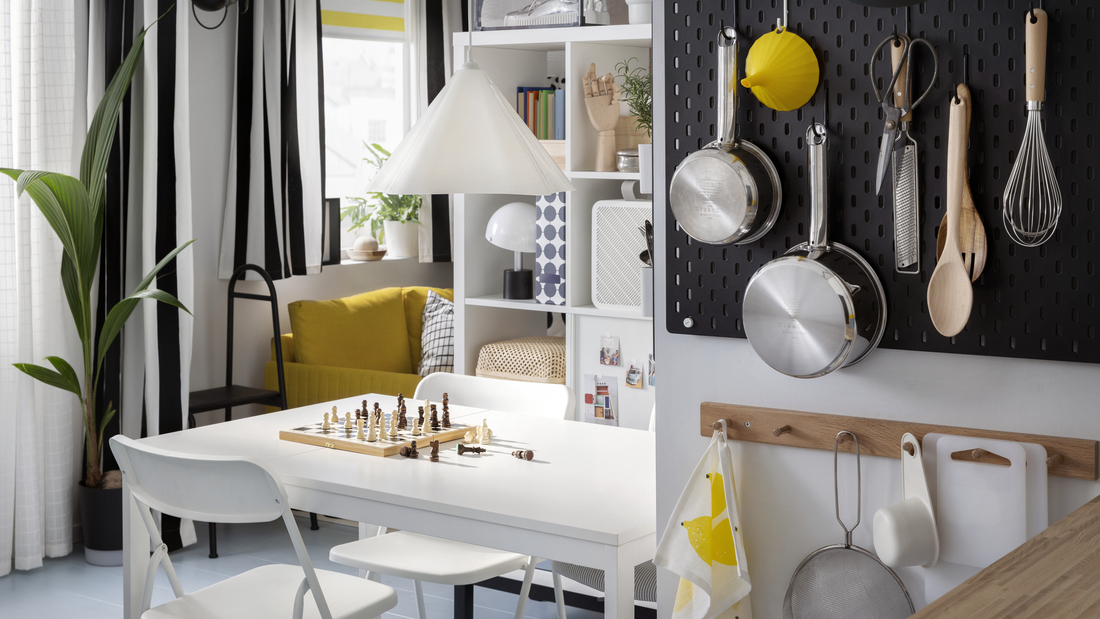
Struggling to flip an egg because you don't have a spatula, or searching for a strainer when your pasta is already cooked? Small situations like these can make cooking feel more complicated. Fortunately, a few simple kitchen utensils can make things easier for you.
A versatile kitchen doesn't necessarily need a large collection of equipment. You can start by choosing tools that truly suit your cooking habits, kitchen size, and the types of dishes you frequently prepare.
Here is a guide to choosing kitchen utensils efficiently, along with a list of kitchen utensils worth considering to complete your kitchen.
Kitchen utensils are tools used to prepare, process, cook, and serve food. Equipment such as spatulas, ladles, whisks, and strainers falls into this category. You don't need to own everything at once, as your kitchen equipment needs can be adjusted to your daily cooking activities.
What are kitchen utensils?
The term utensil refers to a tool used to perform a particular task. In the kitchen, kitchen utensils are various tools that help people handle food, from preparation to serving.
Some common examples of kitchen utensils include spatulas, ladles, vegetable peelers, food tongs, and whisks. Each has a specific shape and function designed to support certain cooking activities.
The term is also commonly used to describe relatively small kitchen tools that are operated manually. Unlike electrical appliances, such as rice cookers or blenders, most kitchen utensils do not require an electrical connection.
Differences between kitchen utensils and cookware
Although both are used in the kitchen, kitchen utensils and cookware serve different purposes.
Kitchen utensils are tools used when preparing or processing food. Examples include spatulas for flipping food, ladles for scooping broth, and whisks for mixing ingredients.
Meanwhile, cookware refers to equipment or containers used in the cooking process with heat, such as pots, frying pans, and certain baking trays.
Both complement each other. For example, when cooking vegetables in a frying pan, you need a spatula to stir the ingredients so that the cooking process is easier to control.
10 must-have kitchen utensils
Choosing kitchen equipment should begin with the activities you do most frequently. IKEA offers various kitchen utensils that can support different cooking needs, from preparing breakfast to making family meals. Here are ten types of kitchen utensils.
1. Spatula for stirring and flipping food
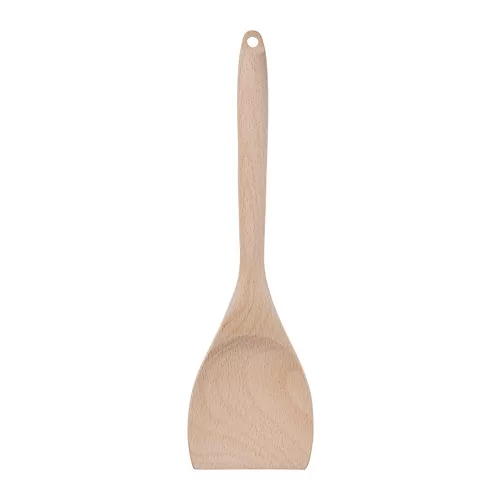
A spatula is one of the kitchen tools frequently used to stir, flip, or lift food. It comes in various shapes, from flat spatulas for flipping eggs to spatulas designed for mixing cooking ingredients.
The choice of spatula material should match the type of frying pan you use. For non-stick surfaces, use a spatula made from materials recommended by the pan manufacturer to help prevent scratches on the coating.
IKEA offers the RÖRT spatula for frying pans, made from beech wood, which can be an option for stirring or flipping food. The wooden material also brings a natural touch to your kitchen equipment.
2. Soup spoon for enjoying dishes with broth
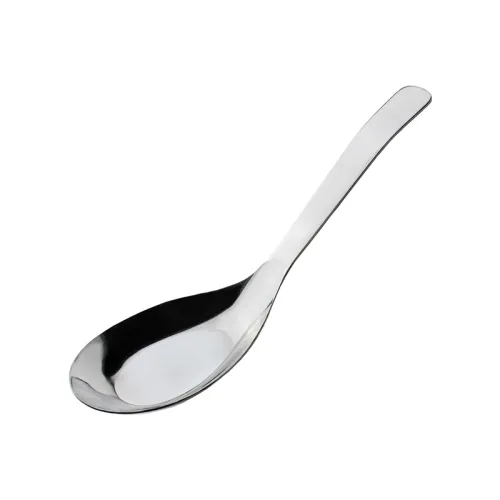
A soup spoon is a kitchen essential that helps you enjoy various dishes with broth, such as chicken soup, meatball soup, or soto. Its concave shape is designed to hold broth, making meals easier to enjoy.
One option you can consider is the TANICA 1116 Chinese soup spoon (2 pcs). Made from stainless steel, this spoon features a longer handle and a deep bowl, making it suitable for enjoying soup or desserts.
3. Kitchen knife for cutting food ingredients
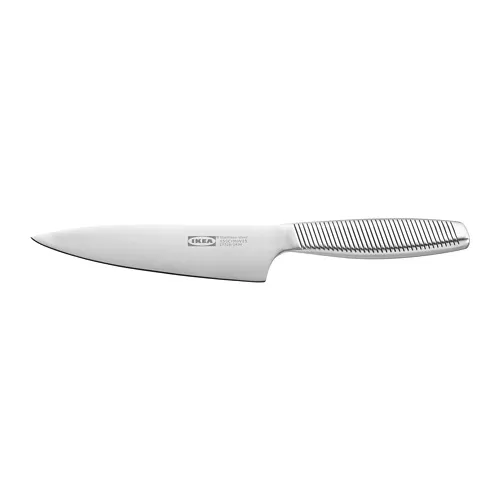
A kitchen knife helps you prepare various ingredients, from vegetables and fruits to other food items. The type of knife you use can affect comfort and precision when cutting.
For everyday use, a utility knife can be a starting point before adding more specialized knives. You should also consider the handle shape, blade size, and ease of maintenance.
The IKEA 365+ utility knife can be considered for everyday food preparation. Use the knife with a stable cutting board and store it in a safe place after cleaning.
4. Cutting board as a surface for cutting food
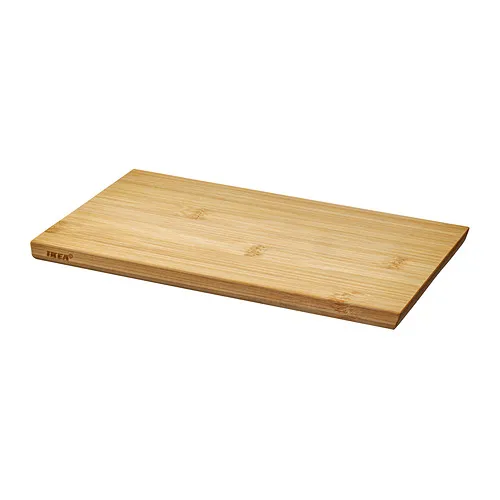
A cutting board provides a dedicated surface for slicing and cutting food ingredients. This tool also helps protect your kitchen countertop from direct contact with knife blades.
You can choose a cutting board made from wood, bamboo, or plastic according to your maintenance needs and cooking habits. It is advisable to use separate cutting boards for raw ingredients and ready-to-eat foods to help reduce the risk of cross-contamination.
One option from IKEA is the APTITLIG bamboo cutting board, which is available in several sizes. Its simple design makes it easy to combine with other kitchen equipment.
5. Strainer for washing and draining food ingredients
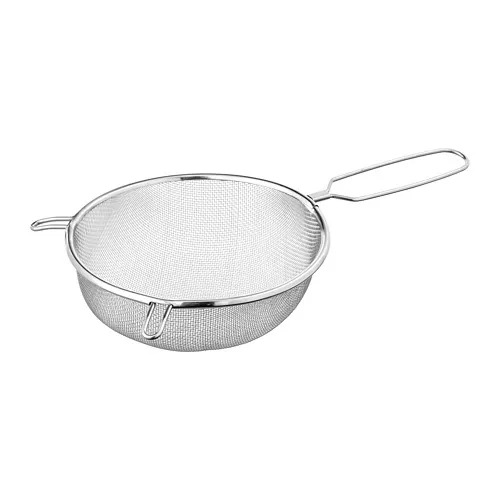
A kitchen strainer serves several purposes. You can use it to drain pasta, strain liquids, or help separate food ingredients from water.
When choosing a strainer, pay attention to its diameter, hole size, and the types of ingredients you frequently prepare. A fine-mesh strainer is more suitable for smaller ingredients, while a strainer with larger holes can be used for certain draining tasks.
The IDEALISK strainer from IKEA is made from stainless steel and has a diameter of 20 cm. This product can be an option for supporting food preparation in your kitchen.
6. Whisk for mixing cooking ingredients
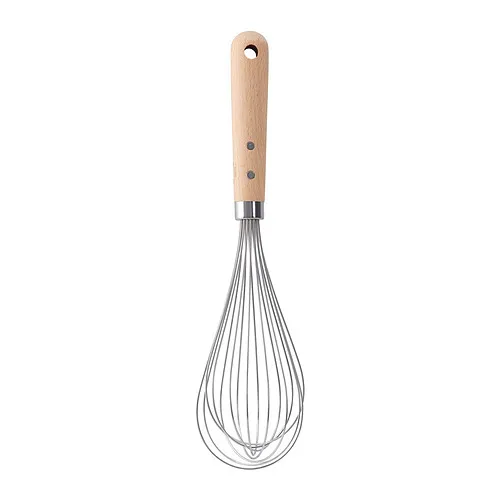
A whisk is a tool used to mix liquid ingredients or certain types of batter. Its wire design helps combine ingredients while incorporating air during whisking.
In addition to eggs, this tool can be used to prepare pancake batter, mix sauces, or process other food ingredients.
IKEA offers the VARDAGEN whisk, measuring 30 cm, with a combination of stainless steel and a beech wood handle. Its balloon-shaped design helps reach the inside of the bowl when mixing ingredients.
With a single whisk, you can handle several food preparation tasks without always needing an electrical appliance.
7. Vegetable peeler for food preparation
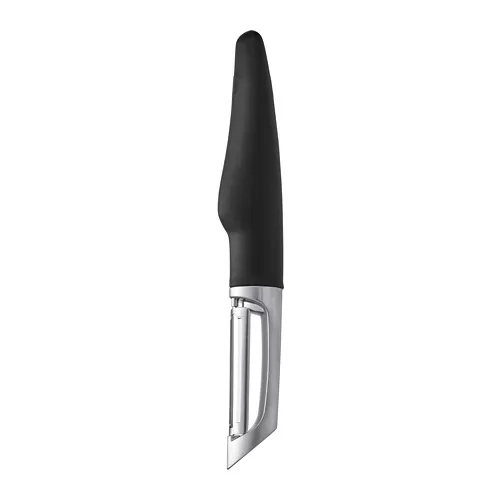
Peeling potatoes, carrots, or other thin-skinned ingredients can be done using a knife. However, a dedicated peeler often makes the peeling motion more controlled.
A vegetable peeler has a blade designed to help remove the skin from food ingredients. When choosing one, consider the comfort of the handle and how easily the blade can be cleaned.
The IKEA 365+ VÄRDEFULL potato peeler is one option for completing your food preparation equipment. This product has a handle designed to provide a firm grip and a special feature for removing potato eyes.
8. Food tongs for picking up and serving dishes
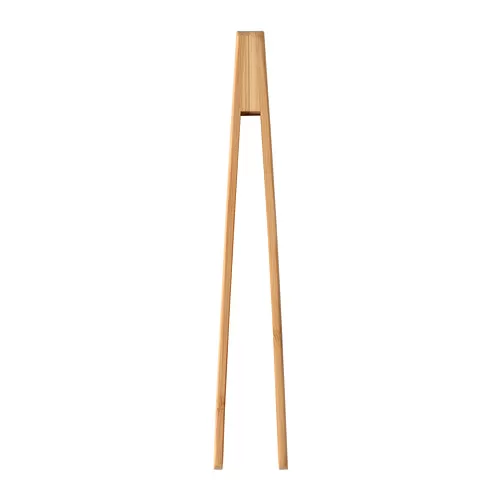
Food tongs, or kitchen tongs, are kitchen utensils that help you pick up and serve food without touching it directly. This tool is useful when serving salads, picking up pieces of food, or transferring dishes to serving plates.
One option you can consider is the OSTBIT serving tongs from IKEA. Made from bamboo and measuring 24 cm in length, these tongs have a natural appearance and can help you pick up vegetables and various foods when serving.
The bamboo material also adds a warm touch to your kitchen equipment. To maintain its condition, OSTBIT should be washed by hand according to the product care instructions.
9. Grater for processing ingredients into fine pieces
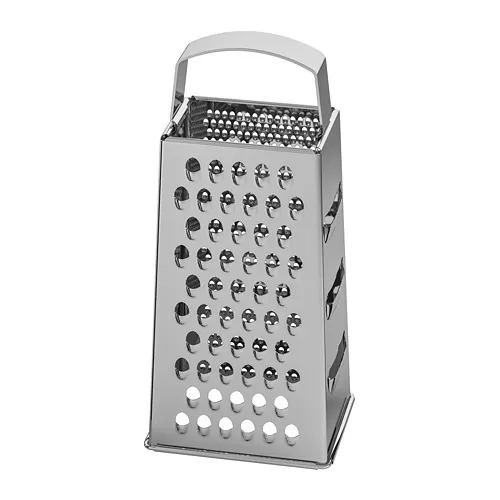
A grater helps turn food ingredients into shreds or small pieces. This tool can be used to process cheese, carrots, or other ingredients depending on the type of grating surface.
Pay attention to the shape of the grater holes because each size produces a different texture. For regular use, choose a model that is easy to hold and clean after use.
IKEA offers the IDEALISK grater, made from stainless steel, to support food preparation. You can also consider a grater with a container if you need a more practical way to collect grated ingredients.
10. Preparation bowls for organizing food ingredients
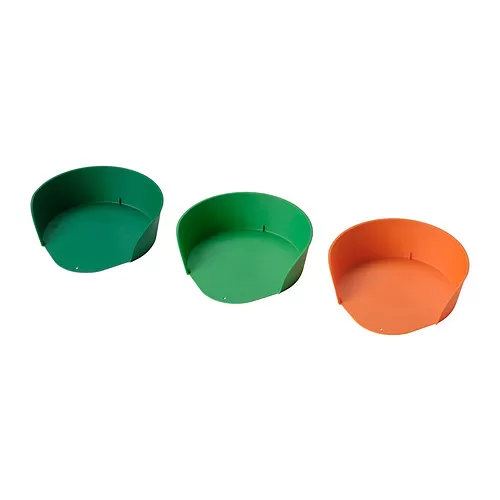
Preparation bowls may seem simple, but they play an important role in keeping the cooking process organized.
By placing chopped ingredients in separate containers, you don't need to search for ingredients once cooking has started. This approach is related to the concept of mise en place, which means preparing and organizing ingredients before cooking.
The UPPFYLLD preparation bowls from IKEA come in a set of three in mixed colors. These bowls can be stacked when stored and help separate prepared ingredients from food scraps.
For kitchens with limited space, using stackable containers can also help reduce storage space requirements.
Read also: Kitchen equipment recommendations for a more organized home
How to choose kitchen utensils that suit your needs
After learning about the different types of kitchen utensils, the next step is determining which tools you actually need. Not every kitchen requires the same number or variety of equipment.
1. Choose materials that suit your cookware
Each material has different characteristics. Understanding these characteristics helps you choose tools that are more suitable for everyday use.
-
Wood: Provides a natural appearance and is often used for spoons and spatulas. Pay attention to washing and drying instructions.
-
Stainless steel: Commonly used for strainers, whisks, and various kitchen utensils because it is sturdy and easy to maintain.
-
Heat-resistant silicone: Can be used for various stirring tools according to the temperature limits and product instructions.
-
Plastic: Generally lightweight and available in various shapes, but its use should be adjusted to each product's heat resistance.
Don't consider only the appearance of the tool. Make sure the material is suitable for the frying pan surface, cooking temperature, and maintenance methods available at home.
2. Match the size to your storage space
The size of kitchen utensils also affects kitchen comfort. Tools with long handles may be useful for large pots but can be less practical when stored in small drawers.
Before purchasing, measure the available storage area and consider the number of tools you will use regularly.
For a minimalist kitchen, multifunctional equipment and tools that can be hung can help you make more efficient use of space.
3. Prioritize the tools you use most frequently
You don't need to buy all your kitchen equipment at once. Start with the tools needed to prepare your everyday meals.
For example, if you frequently prepare stir-fried dishes, spatulas, knives, and cutting boards become your main priorities. However, if you enjoy baking, whisks, baking spatulas, and mixing bowls may be used more often.
Evaluate your needs after several weeks of cooking. From there, you can identify which additional tools truly help with your kitchen activities.
Tips for storing kitchen utensils to keep your kitchen tidy
A complete collection of kitchen equipment will be more convenient to use when every item has a designated storage place. Simple organization can also help you find tools quickly while cooking.
1. Use dedicated containers for frequently used utensils
Spatulas, ladles, and several other cooking tools can be placed in storage containers near the work area.
The ORDNING utensil holder, measuring 18 cm, from IKEA can be an option for storing larger kitchen utensils. Its stainless steel material provides a simple appearance that blends easily with various kitchen styles.
Make sure the tools have been cleaned and dried according to their care instructions before storing them for future use.
2. Make use of walls and drawer organizers
If countertop space is limited, consider using vertical storage. Hanging rails or kitchen hooks can help keep frequently used tools within easy reach.
For smaller equipment, you can use drawer organizers to prevent peelers, bottle openers, and other utensils from getting mixed together.
Organization systems such as SUNNERSTA and the UPPDATERA drawer organizer collection from IKEA can provide inspiration for more structured storage.
3. Separate tools according to their functions
Grouping equipment by function helps establish more consistent storage habits. You can create dedicated areas for food preparation tools, cooking equipment, and serving utensils.
Place frequently used tools in easily accessible positions, while equipment used less often can be stored in other parts of the cabinet.
With this arrangement, your kitchen countertop doesn't need to be filled with your entire utensil collection at once.
Read also: Kitchen utensil racks for a tidier and more practical kitchen
Mistakes to avoid when buying kitchen utensils
Buying new kitchen equipment can be enjoyable, especially when there are various shapes and colors available. However, there are several things you should consider before choosing a product.
-
Buying too many tools with similar functions. Choose equipment with a clear purpose to avoid overcrowding your kitchen drawers.
-
Ignoring material compatibility. Not every spatula is suitable for every frying pan surface.
-
Overlooking handle size. Tools that are too short or too long can reduce comfort during use.
-
Ignoring care instructions. Some products can be cleaned in a dishwasher, while others require handwashing.
-
Not providing storage space. Consider where you will store your utensils before adding more items to your kitchen collection.
Choosing products based on function rather than appearance alone can help you build a kitchen utensil collection that better suits your cooking habits.
Frequently asked questions about kitchen utensils
Kitchen utensils are tools used to help prepare, process, cook, or serve food. Examples include spatulas, ladles, strainers, whisks, and food tongs.
For beginners, some basic tools worth prioritizing include spatulas, kitchen knives, cutting boards, ladles, and strainers. You can add other tools depending on the types of food you frequently prepare.
Kitchen utensils are generally tools operated manually. Meanwhile, kitchen appliances refer to kitchen devices, particularly electrically powered equipment such as blenders, toasters, and rice cookers.
Clean utensils after use, follow the care instructions for each material, and dry them before storing. Avoid using tools that are damaged, cracked, or have unsafe sharp edges.
You can explore the kitchen equipment collection at IKEA Indonesia, which includes cooking utensils, food preparation tools, knives, and cutting boards. Choose products based on their function, size, material, and your everyday cooking needs.
Complete your kitchen utensil collection for more practical cooking
A comfortable kitchen doesn't always require a large amount of equipment. By understanding what kitchen utensils are and the functions of each tool, you can choose relevant equipment without making your cooking area feel overcrowded.
Start with basic equipment, such as spatulas, knives, cutting boards, and strainers, then gradually add more tools according to your needs. Don't forget to consider storage so that every tool remains easy to find and use.
Looking to update your cooking equipment at home? Explore the kitchen equipment collection at IKEA.co.id to discover various utensils, food preparation tools, and storage solutions that suit your kitchen.