Ever come home hungry only to find that your meal has gone cold? Or wanted to cook frozen ingredients but didn't have time to wait for them to thaw? These are common situations in today's busy households.
A microwave offers a simple solution. It helps you reheat leftovers, defrost frozen food, and prepare everyday meals in just a few minutes. Whether you have a spacious family kitchen, a compact apartment, or an office pantry, a microwave can make daily cooking faster and more convenient.
What is a microwave?

A microwave is a kitchen appliance that uses electromagnetic waves, known as microwaves, to heat or cook food quickly. Instead of relying on heating elements like a conventional oven, it transfers energy directly into the food, allowing meals to warm up in a fraction of the time.
For many households, a microwave has become an everyday essential. It's ideal for reheating leftovers, defrosting frozen ingredients, and preparing quick meals with minimal effort.
You may also hear the term microwave oven. While the names are often used interchangeably, it's important to remember that a microwave and a conventional oven heat food in different ways. A microwave uses electromagnetic waves, whereas a traditional oven cooks with heated air produced by electric or gas heating elements.
How does a microwave work?

At the core of every microwave is a component called a magnetron. This device generates microwave energy and directs it into the cooking chamber, where it interacts with the food.
Microwaves cause water molecules inside the food to vibrate rapidly. As these molecules move, they generate heat that warms the food from the inside out. This process allows meals to heat much faster than they would on a stovetop or in a conventional oven.
Most microwaves also include a rotating turntable that helps distribute heat more evenly. For the best results, place food in the centre of the turntable and avoid overfilling the container so the microwaves can circulate effectively.
Although microwaves use electromagnetic radiation, they are designed for safe household use when operated correctly. Always use microwave-safe containers and avoid placing metal objects or aluminium foil inside the appliance.
Good to know :Microwave-safe doesn't always mean heatproof. Some plastic containers labelled as microwave-safe are suitable for reheating food but not for cooking at high temperatures. Heat-resistant glass and ceramic containers are often the best choice for everyday use.
Everyday uses of a microwave

Most people use a microwave to reheat meals, but its capabilities go far beyond warming leftovers.
One of its most useful features is defrosting frozen ingredients. Meat, poultry, seafood, bread, and frozen ready meals can be thawed much faster than leaving them at room temperature, helping you save valuable time when preparing meals.
A microwave is also perfect for preparing simple everyday dishes such as oatmeal, steamed vegetables, baked potatoes, instant noodles, or ready-to-eat meals. Models with a grill function provide even greater versatility by adding a lightly browned or crisp finish to selected foods.
Because it combines speed and convenience, a microwave is one of the most practical appliances for busy households looking to simplify everyday cooking.
Recommended microwave solutions for your kitchen
Whether you're looking for a compact model for a small apartment or a built-in appliance to complement a modern kitchen, choosing the right microwave depends on your cooking habits and available space.
TILLREDA Microwave
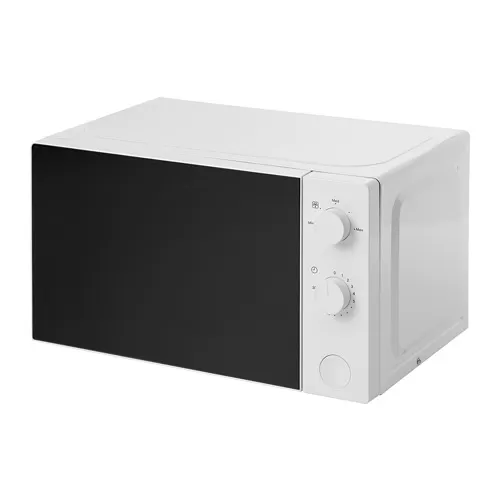
Compact, portable, and easy to place, the TILLREDA Microwave is ideal for reheating meals, defrosting frozen food, and preparing quick everyday dishes. Its space-saving design makes it a great choice for apartments, office pantries, and smaller kitchens.
MATÄLSKARE Microwave Oven
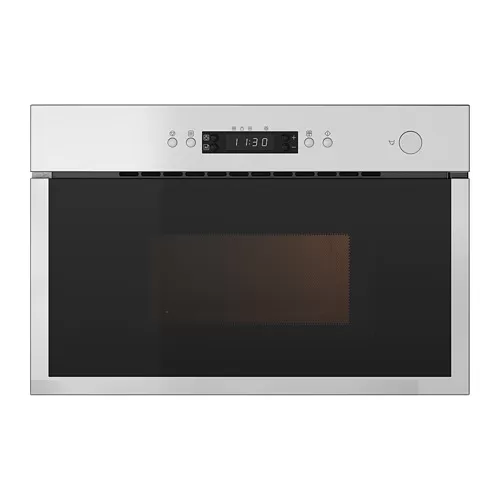
Designed for modern kitchens, the MATÄLSKARE Microwave Oven combines functionality with a clean, built-in appearance. It delivers quick, even heating while helping create a streamlined and organized kitchen.
VÄRMD Microwave Oven
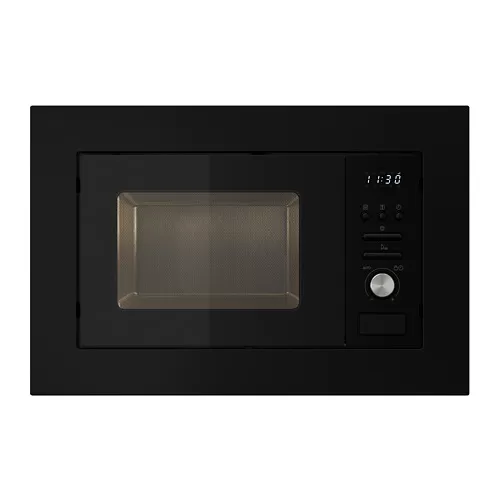
The VÄRMD Microwave Oven offers convenient heating and defrosting functions in a stylish built-in design. It's an excellent option for homeowners who want a practical appliance that blends seamlessly with contemporary kitchen cabinetry.
Microwave vs. oven: What's the difference?
Although microwaves and ovens are both used to prepare food, they serve different purposes in the kitchen.
A microwave is designed for speed. It heats food quickly by using electromagnetic waves that excite water molecules inside the food. This makes it ideal for reheating leftovers, defrosting frozen ingredients, or preparing quick everyday meals.
An oven, on the other hand, cooks food using heated air generated by electric or gas heating elements. Because heat surrounds the food, ovens are better suited for baking cakes, roasting meat, cooking bread, or preparing dishes that require a golden, crispy finish.
Rather than replacing one another, microwaves and ovens complement each other. A microwave offers convenience for everyday cooking, while an oven is the better choice for recipes that require even browning or longer cooking times.
How to choose the right microwave
The best microwave depends on how you plan to use it and the space available in your kitchen.
If your main priority is reheating meals or defrosting frozen food, a standard microwave is usually all you need. If you enjoy preparing a wider variety of dishes, consider a model with a grill function for added versatility.
Capacity is another important factor. Compact microwaves are ideal for apartments, office pantries, or smaller kitchens, while larger households may benefit from models with a bigger interior that can accommodate larger plates and serving dishes.
You should also consider the appliance's power rating. Lower-wattage models can help reduce electricity consumption, while higher-wattage microwaves generally heat food more quickly.
Finally, think about how the microwave will fit into your kitchen design. A built-in microwave creates a seamless, integrated look, while a freestanding model offers greater flexibility and can be moved or repositioned whenever needed.
Tips for using a microwave safely
Using a microwave correctly helps ensure even heating while extending the life of the appliance.
Always use containers labelled as microwave-safe, such as heat-resistant glass, ceramic, or microwave-safe plastic. Avoid placing metal cookware, aluminium foil, or containers with metallic decorations inside the microwave, as they can create sparks and damage the appliance.
When reheating soups or other liquid-based dishes, cover the container loosely to reduce splatters while allowing steam to escape. For solid foods, stir or turn the food halfway through heating to achieve more even results.
There's no need to use the highest power setting for every meal. Lower power levels are often better for delicate foods, while the defrost setting is designed specifically for thawing frozen ingredients safely and evenly.
To keep your microwave clean, wipe the interior with a damp cloth after use. For stubborn stains or dried-on food, heat a bowl of water for a few minutes to create steam that loosens residue, making it easier to wipe away.
Create a kitchen that works for you with IKEA
A microwave is more than just a convenient appliance—it's a practical addition to a well-designed kitchen. Whether you're reheating meals, preparing quick breakfasts, or defrosting ingredients for dinner, the right microwave can help simplify everyday cooking.
To create a kitchen that's both functional and comfortable, pair your microwave with smart storage solutions, organized cabinetry, and thoughtfully designed workspaces. Together, these elements help make meal preparation easier while keeping your kitchen tidy and efficient.
At IKEA, you'll find a wide range of microwaves, ovens, kitchen cabinets, and accessories designed to suit different lifestyles and kitchen layouts. Whether you're furnishing a compact apartment or upgrading a family kitchen, there are solutions to help you make the most of your space.
Explore IKEA's kitchen collection and discover products that combine everyday functionality with timeless Scandinavian design.
Frequently Asked Questions
A microwave is commonly used to reheat leftovers, defrost frozen food, and prepare simple everyday meals. Some models also include grilling functions for added cooking flexibility.
Microwaves generate electromagnetic waves that cause water molecules inside food to vibrate. This movement creates heat, allowing food to warm quickly and evenly.
No. A microwave uses electromagnetic waves to heat food quickly, while an oven cooks food using heated air. Microwaves are ideal for reheating and defrosting, whereas ovens are better suited for baking and roasting.
Yes. Microwaves are safe when used according to the manufacturer's instructions. Always use microwave-safe containers and avoid placing metal objects or aluminium foil inside the appliance.
Consider how you'll use it, the available space in your kitchen, the capacity you need, the appliance's power rating, and whether you prefer a freestanding or built-in model. Choosing a microwave that matches your cooking habits will help you get the most from your appliance.