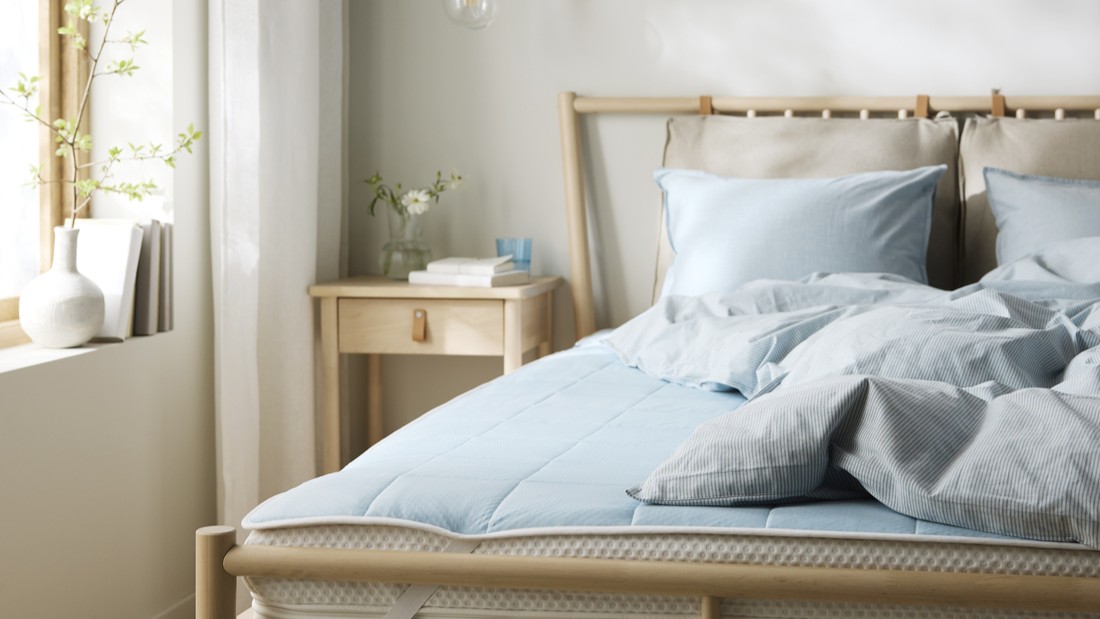
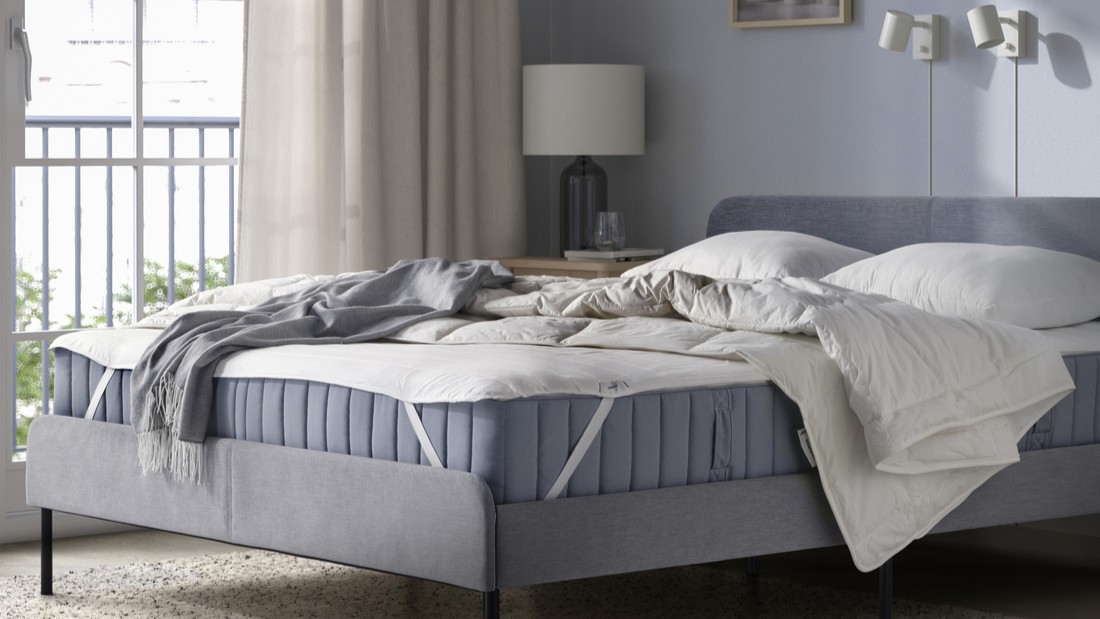
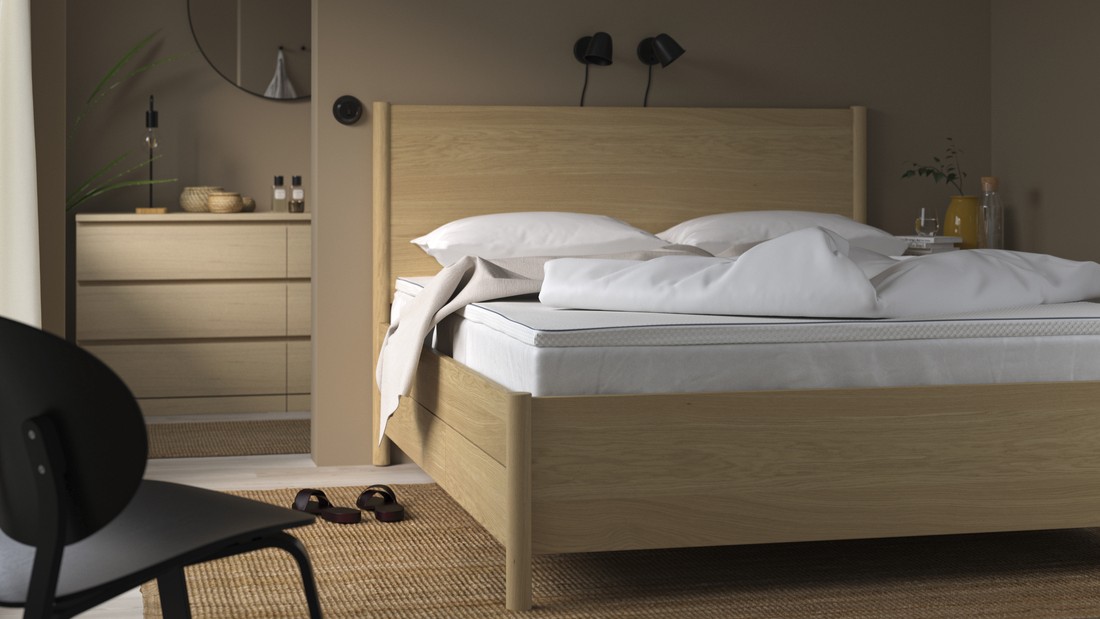
A mattress headboard does not stand alone, but rather becomes part of an interconnected bed system. In many designs, the headboard is integrated with the bed frame, which is the main frame that supports the bed as a whole.
The bed frame holds the weight of the mattress and the body, while the mattress headboard completes its function at the head of the bed, both from the perspective of use and appearance.
On the other hand, the bed base functions as the supporting foundation for the mattress. In some homes, the bed base can be a box spring, which is a spring-layered base placed on top of the frame. In this context, the mattress headboard still plays a role as a back and head support, even though a box spring is used as the base.
Types of mattress headboards based on design and usage
One common type is the mattress headboard that is integrated with the bed frame. In this model, the headboard becomes part of the bed frames designed as a single unit, so the appearance looks neat and consistent.
This type is often used on beds that prioritize a sturdy structure and long-term use, because the headboard and frame work together in supporting the bed.
There is also a mattress headboard that is separate from the frame, known as a wall-mounted or attachable headboard. This type provides more flexibility because it can be used as a separate headboard without having to change the entire bed frame.
This choice is suitable for those of you who want to customize the look of the room or add headboard functionality to an existing headboard and frame.
Seen from its surface, mattress headboards can be distinguished into upholstered and non-upholstered headboards. Upholstered headboards generally provide a softer touch when used for leaning, while non-upholstered headboards highlight the shape and material of the frame.
Both have the same function as a headboard, but the usage experience and visual impression can differ according to your needs and bedroom style.
How to choose the right mattress headboard for your needs
Choosing a mattress headboard should start with understanding how you use the bed daily. Do you often sit back to read or do light work, or do you use the bed mostly just for resting?
The size of the bed is also something that needs to be considered. Ideally, the mattress headboard should be proportional to the bed and in harmony with its frame. A headboard that is too large can make the room feel full, while one that is too small may not provide enough support.
If you are considering buying a bed, it is a good idea to see if the headboard is already a single unit or needs to be chosen separately.
In addition to size and structure, style also plays an important role. Choose a mattress headboard that blends with the atmosphere of the bedroom, whether in a modern or traditional style.
Also pay attention to the material and surface, whether you would prefer to choose an upholstered headboard that feels softer, or a non-upholstered one that highlights the shape of the frame.
Also read: Inspiring and creative studio bedrooms
Arranging the bedroom to feel warmer for moments of togetherness