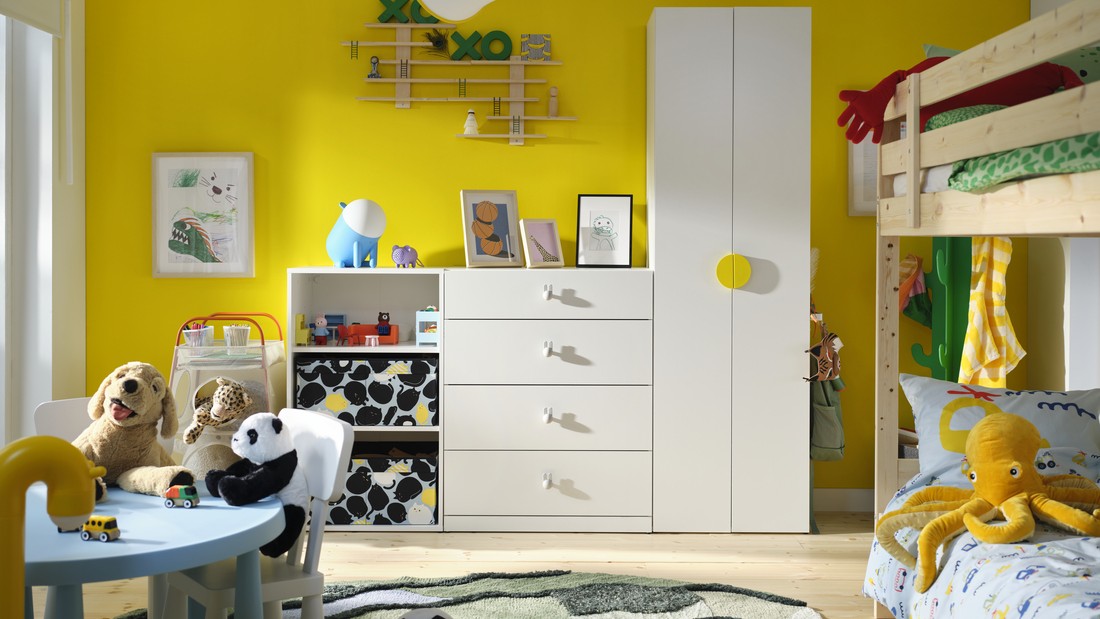
A school library is more than just a place to store a collection of books. It can also be a space for studying, reading, discussing, and discovering new things in a more relaxed atmosphere.
Because it is used for various activities, school library room design needs to consider layout, circulation, lighting, furniture, and ease of access. Even a simple space can feel inviting when every element has a clear purpose.
Library layout based on activities
Before planning the interior, first determine how the library will be used throughout the day. Properly dividing the space can help students read, look for books, study, or work in groups without disturbing one another.
Separate areas based on activities
Place bookshelves in the collection area, then arrange tables and chairs in sections that support reading or studying. If possible, provide a discussion area so group activities have their own space without disturbing other students.
Keep circulation areas open
Provide enough space between shelves, tables, and chairs so students can move around comfortably. Avoid placing furniture too close together, as narrow pathways can make the library feel crowded and make it difficult for students to take books from the shelves.
Create a flexible layout
A library can be used for various activities, so furniture that is easy to move or rearrange can be more practical. With a flexible layout, one area can accommodate several activities without requiring changes to the overall design.
Interior elements that create the library atmosphere
Once the layout has been determined, consider colors, lighting, materials, and decorations to create a comfortable atmosphere. Choose elements that continue to support the library's function as a reading and learning space. Here are some things to consider.
Use bright colors without overdoing them
White, cream, or natural colors can give the space a clean and spacious feel. To add visual interest, use green or colorful accents in certain areas without making the overall look feel too busy.
Make use of natural and additional lighting
If there are windows, make use of natural light in reading areas during the day. Additional lighting can be used in darker parts of the room so reading activities remain comfortable and lighting does not rely solely on sunlight.
Add natural elements and educational decorations
Wood, plants, student artwork, or displays of favorite books can serve as decorations while strengthening the library's identity. Choose decorations that are easy to maintain so they continue to support the space without creating excessive upkeep.
Also read: Creative classroom decoration ideas for a more comfortable learning environment
School library room design inspiration
Once the basic needs have been met, the interior style can be adapted to the school's character and the atmosphere you want to create. Here are several approaches that can inspire your design.
Bright minimalism
Use shelves with simple shapes, proportionate tables, bright colors, and a few decorations. A minimalist concept helps the space feel clean, easy to organize, and visually uncluttered.
Natural and warm
Combine wood elements, natural colors, green plants, and natural light to create a calmer atmosphere. This style works well for reading areas that should feel relaxed while remaining presentable.
Cheerful and flexible
For younger students, colorful accents, relaxed seating areas, and lightweight furniture can make the library feel more enjoyable. These areas can also be used for reading, creative activities, or group work.
Furniture recommendations for a school library room
Once you have determined the style and space requirements, choose furniture based on the activities that take place most often. IKEA provides a variety of workspace essentials that can be considered for collection, reading, storage, and study areas.
1. BILLY bookcase
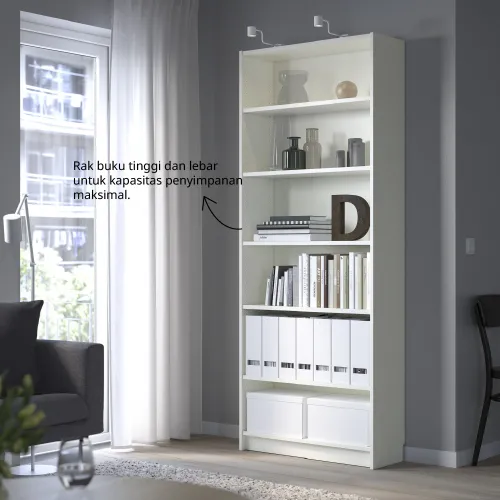
For storing collections, the BILLY bookcase measures 80 × 28 × 202 cm and has adjustable shelves. Its vertical design helps make use of wall space, while its modular form can be expanded according to storage needs. The product checked was available online.
2. MITTZON sit/stand desk
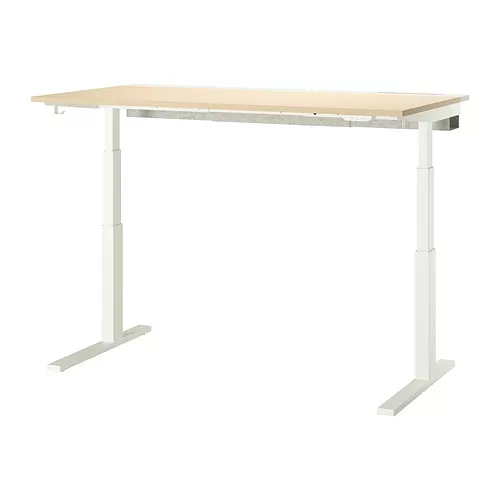
For study areas or group work, MITTZON measures 160 × 80 cm, providing a larger surface for shared use. The electric feature allows the desk height to be adjusted during use, keeping the study space flexible.
3. MALSKÄR/ELDBERGET swivel chair
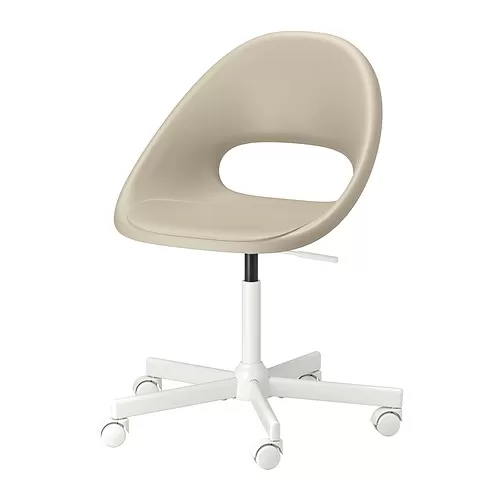
For reading or study areas, MALSKÄR/ELDBERGET has an adjustable seat height ranging from 45–57 cm and is tested for loads of up to 110 kg. The bowl-shaped seat, rounded backrest, and locking casters help make it comfortable to use.
4. BEKANT storage unit
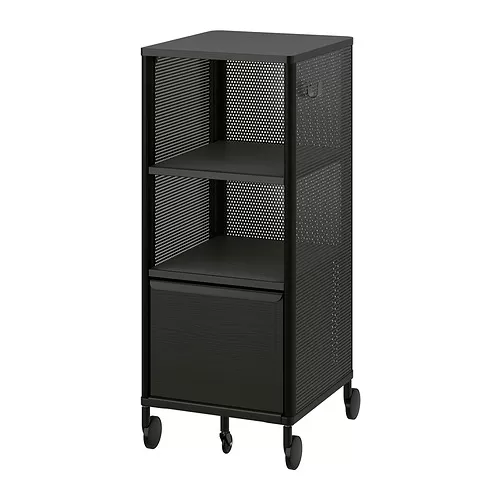
To keep library documents and supplies organized, BEKANT measures 41 × 45 × 101 cm and has shelves that can be adjusted or removed. Its casters make the unit easier to move when the room layout needs to be changed.
5. NÄVLINGE LED work lamp
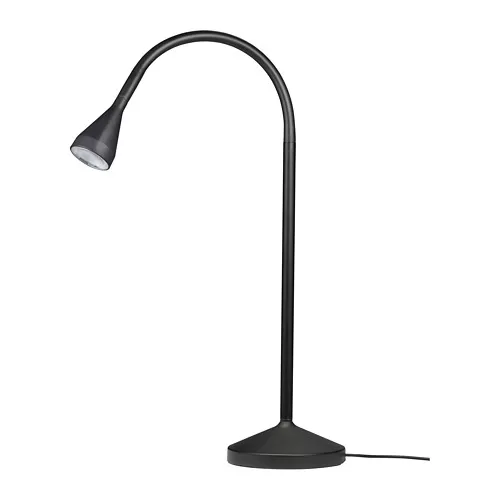
For areas that need additional lighting, the NÄVLINGE work lamp can provide focused light for a reading table or study area. Its compact design is also practical when desk space is limited.
Tips for making the library comfortable for reading and studying
In addition to the layout, several simple details can make the library more comfortable to use. Here are some things to consider:
- Create a quiet reading area with suitable tables and chairs so students can read or study comfortably.
- Make sure there is enough lighting by using natural light and adding lamps in dimmer areas.
- Keep the space organized and clean so pathways between areas remain clear and the library is easy to maintain.
- Use rugs or soft seating areas if space allows, creating a more relaxed reading option without disrupting the main pathways.
- Choose easy-to-maintain furniture and decorations so the library stays tidy even when used by many visitors.
Also read: How to organize books on a study desk neatly and comfortably
Make the library a comfortable space for learning
A well-organized library can make reading, studying, and discussions more comfortable. Start with the room's main needs, then choose bookshelves, tables, chairs, and storage solutions that help keep the area organized without reducing room to move around.
IKEA provides various furnishings that can help complete a library space. Choose combinations that suit the size of the room, students' activities, and the atmosphere you want to create.
Visit IKEA.co.id to help transform your school library into a comfortable, functional, and enjoyable space for everyday use.
FAQ
Use a simple layout, make use of vertical shelving, and leave enough space between shelves, tables, and chairs to maintain good circulation.
Bookshelves, tables, chairs, and storage are the main furniture pieces. Certain areas can also be equipped with rugs or multifunctional furniture depending on the type of activity.
Use suitable colors, natural light, comfortable reading areas, and educational decorations such as student artwork or displays of favorite books.
White, cream, natural colors, or green can be used as a base. Colorful accents can be added in moderation to keep the atmosphere lively.
Prioritize the collection, reading area, and circulation first. Vertical shelving and compact or multifunctional furniture can help optimize the use of space.