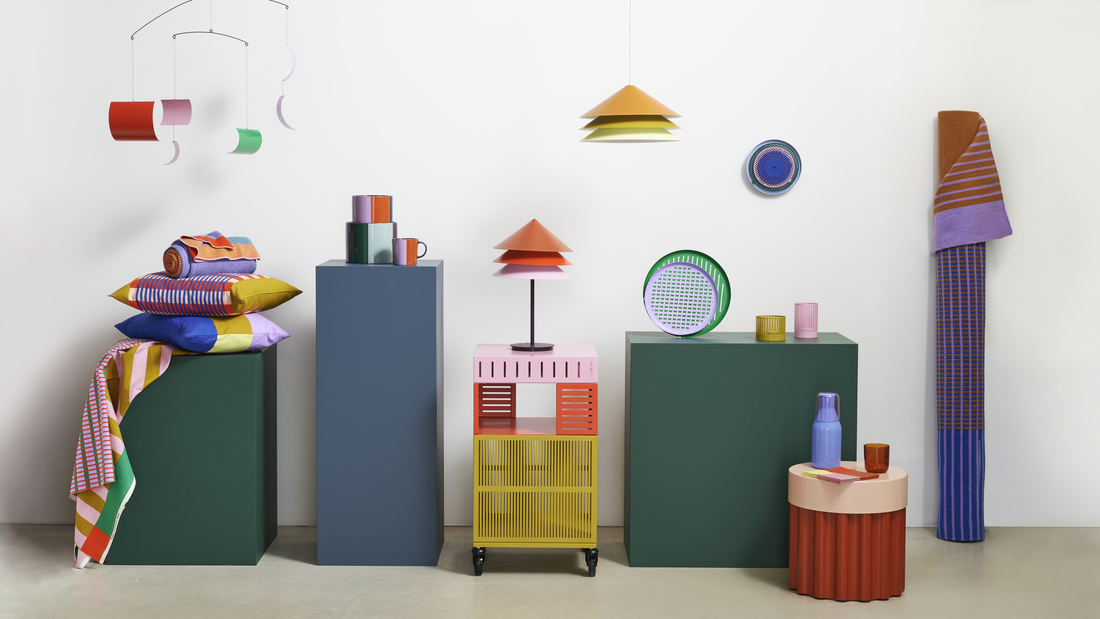
The right classroom decorations can create a learning environment that is more comfortable, organized, and enjoyable for students. From reading corners and storage areas to student artwork displays, every element plays an important role in supporting daily learning activities.
Explore the following classroom decoration ideas to make your learning space more inspiring while remaining functional.
10 classroom decoration ideas you can apply
Decorating a classroom does not have to involve major renovations. By making use of existing spaces and adding functional elements, you can create a learning environment that is tidier, more comfortable, and better suited to support students' daily activities.
1. A cozy reading corner
A reading corner can become students' favorite place to enjoy books during breaks between lessons. Place a bookshelf at an accessible height so students can easily take and return books independently.
Add a rug as a seating area along with a few cushions to create a more relaxed reading atmosphere without sacrificing comfort.
Complete the space with literacy posters featuring inspirational quotes, recommended reading lists, or classroom reading goals. Avoid using too many decorations so the reading corner remains spacious and focused on reading activities.
Recommended IKEA products (click the image)
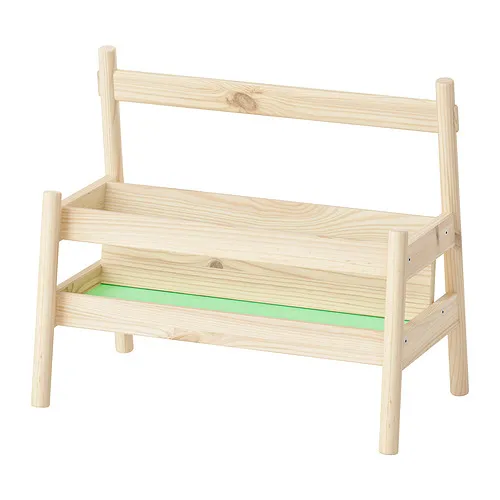
FLISAT children's book display:
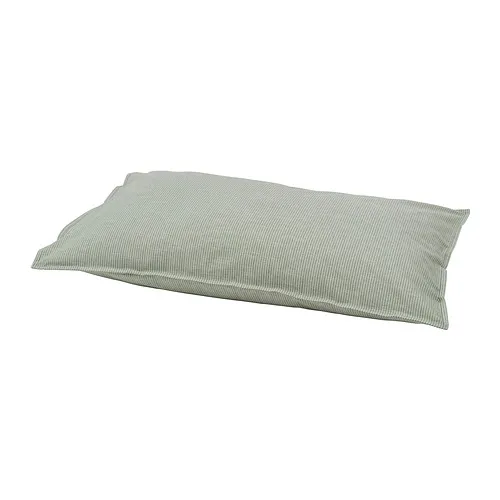
BERGPALM seat cushion:
2. Student artwork gallery
Providing a dedicated area to display student work can boost confidence while recognizing students' creativity. Display drawings, posters, crafts, or group projects on a dedicated wall so everyone in the classroom can enjoy the artwork.
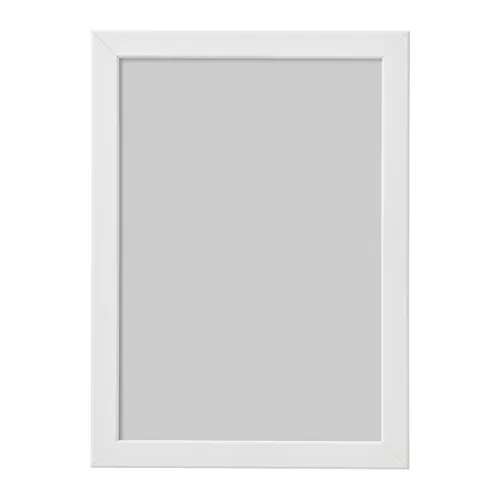
To create a neater appearance, use frames of the same size and rotate the displayed artwork regularly so every student has an equal opportunity to showcase their work. This approach also keeps the classroom looking fresh whenever the learning theme changes.
Recommended IKEA products (click the image)
LOMVIKEN frame:
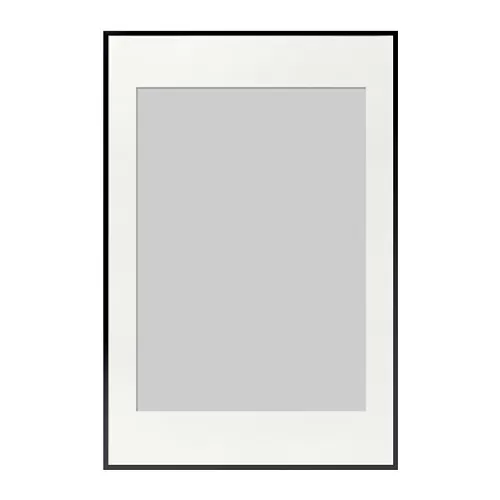
FISKBO frame:
3. A well-organized information board
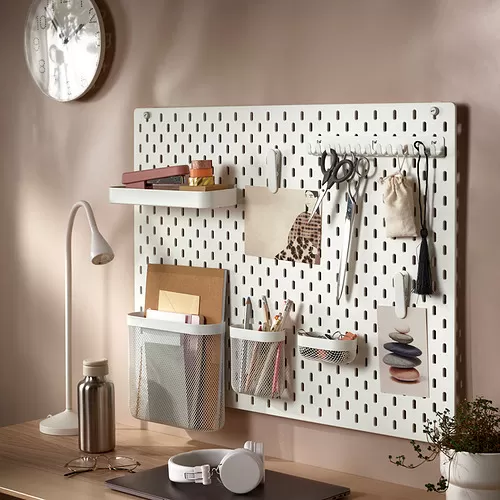
An information board helps students access important information without having to repeatedly ask the teacher. Organize the class schedule, academic calendar, weekly learning goals, and announcements in one area that is easy to see from anywhere in the classroom.
Use containers, hooks, and additional accessories so each category of information has its own designated space. This keeps the information board organized while allowing documents to be updated quickly whenever needed.
SKÅDIS is also designed with movable accessories, making it easy to customize the layout as your needs change.
Recommended IKEA product (click the image)
SKÅDIS pegboard with accessories:
4. Learning supplies storage area
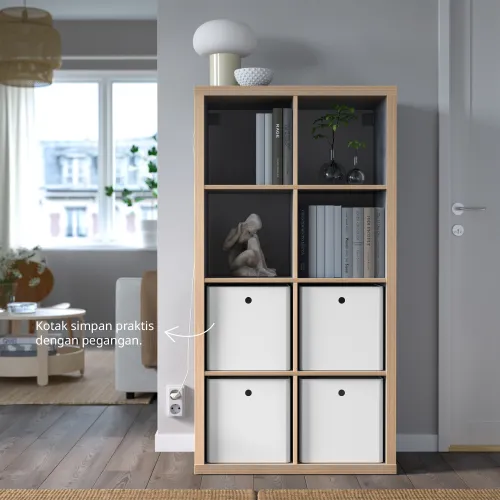
Learning supplies such as stationery, scissors, glue, colored paper, and activity books are easier to find when they have a clear storage system. Use storage boxes with name or category labels so students get used to returning items to their designated places after use.
If your classroom often works in groups, provide one storage box for each group so learning materials can be distributed more efficiently. Modular storage solutions also make it easier to reorganize the classroom as needs change throughout the semester.
Recommended IKEA products (click the image)
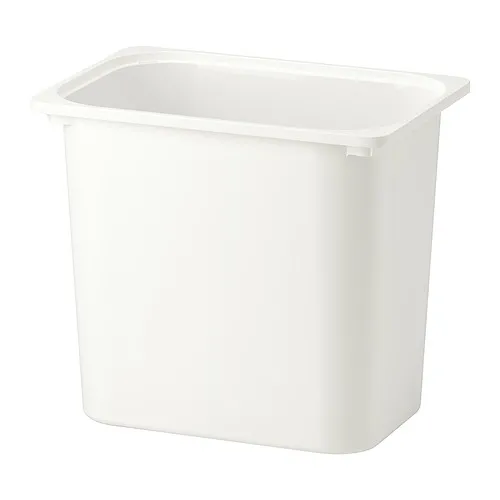
TROFAST storage box:
KUGGIS storage box:
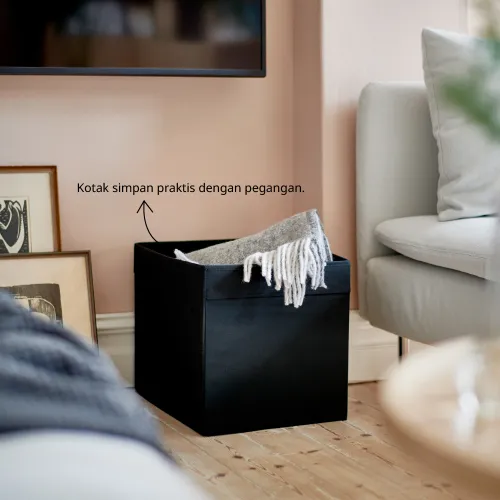
DRÖNA storage box:
5. Plant decorations for a fresher atmosphere
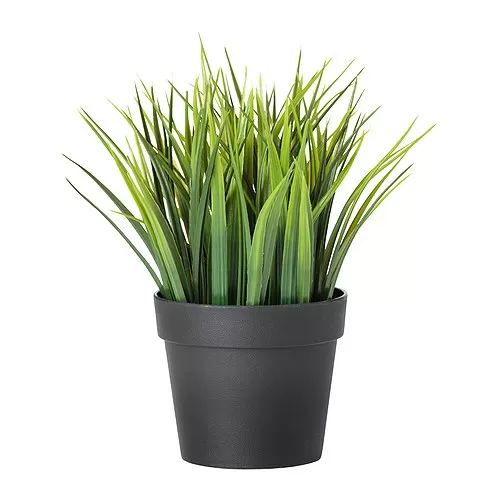
Adding decorative plants can make a classroom feel more lively without disrupting learning activities. If maintaining real plants is difficult, artificial plants are a practical alternative because they provide a green touch without requiring regular watering.
Place the plants in corners, on shelves, or near windows while ensuring they do not obstruct walkways or classroom circulation. Avoid using oversized decorations so the classroom remains spacious and easy to use for various learning activities.
Recommended IKEA product (click the image)
FEJKA artificial plant:
6. Educational wall
A classroom wall can serve as a learning resource that students see every day. Arrange materials such as the alphabet, numbers, maps, simple formulas, and educational infographics according to the students' grade level. A well-organized layout helps students remember the material more easily because they see it regularly.
To prevent the wall from looking overcrowded, group the materials by subject or theme. Update the educational wall regularly to match current learning topics so it remains attractive and relevant.
In this way, the decoration not only enhances the classroom's appearance but also functions as a learning tool that supports daily educational activities.
Recommended IKEA product (click the image)
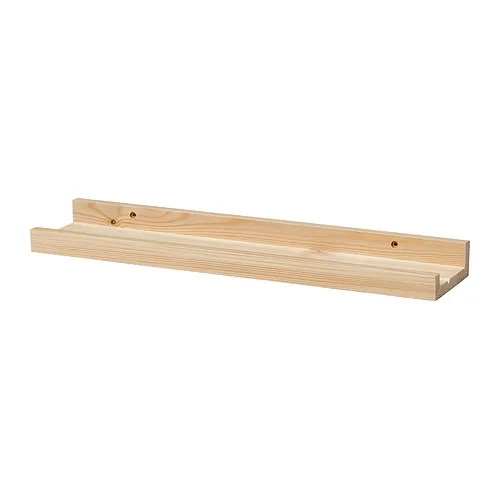
NORDHÄGG wall shelf
7. Creativity and arts & crafts area
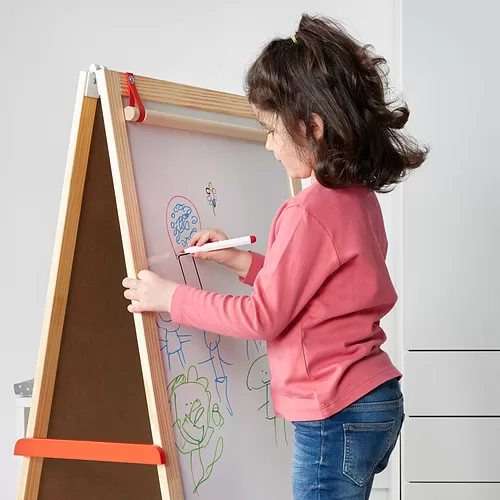
Providing a dedicated space for art activities allows students to express their ideas more freely. You can set up a table specifically for drawing, provide storage for art supplies, and allocate enough space for group projects so activities remain comfortable and organized.
Use equipment that is easy to move and store after use so the area can quickly be converted back for other classroom activities.
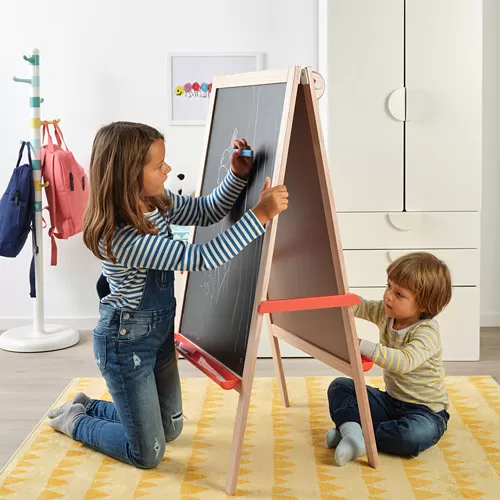
The MÅLA series is designed to support drawing, coloring, and creative activities, while its easel can be folded for easy storage and transport when not in use.
Recommended IKEA products (click the image)
MÅLA easel:
MÅLA art supplies:
8. Achievement and recognition corner
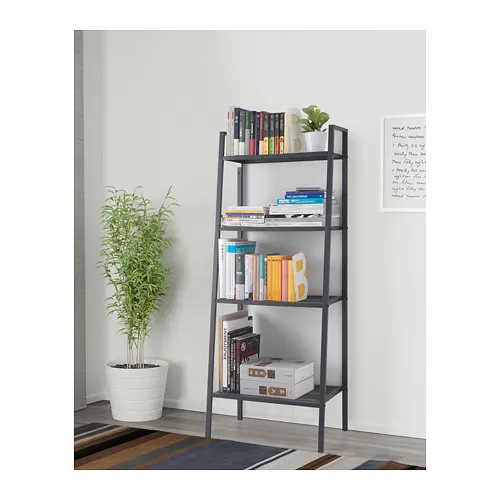
Providing a dedicated space to showcase student achievements can increase learning motivation. You can create a Student of the Month board, reading goals display, class achievement board, or showcase certificates from competitions and school activities.
Make sure every student has an equal opportunity to be featured in this area, whether for academic or non-academic achievements. Besides recognizing accomplishments, this recognition corner also encourages students to support one another and appreciate each other's efforts.
Recommended IKEA product (click the image)
LERBERG corner shelf:
9. Group discussion zone
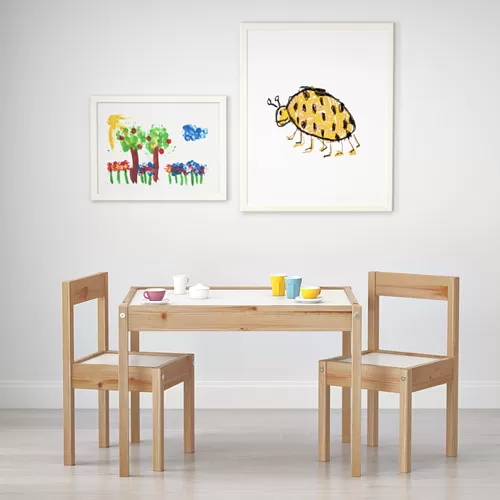
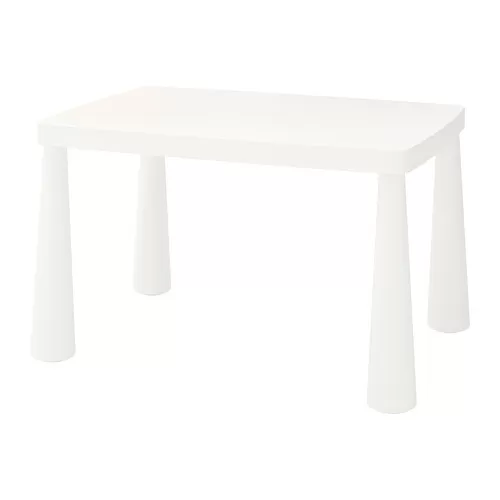
Collaborative learning becomes more comfortable when there is a dedicated discussion area. Use small tables with lightweight chairs that can easily be moved as needed. The layout can also be rearranged quickly for pair discussions or small group activities.
Choose furniture that is sturdy yet easy to move so the classroom remains flexible. This concept allows teachers to organize different learning methods without having to completely rearrange the classroom.
Recommended IKEA products (click the image)
LATT children's table:
MAMMUT children's table and chairs:
10. Seasonal and special occasion decorations
Changing classroom decorations to match different occasions keeps the learning environment feeling fresh throughout the school year. You can decorate the classroom for Independence Day, Kartini Day, Earth Day, or other educational celebrations relevant to school activities.
In addition to celebrating national holidays, update the classroom theme every semester so the space never feels monotonous. Involve students in decorating the classroom to help them develop a sense of ownership while encouraging creativity and teamwork.
Principles of effective classroom decoration
Classroom decoration provides the greatest benefits when it is designed with functionality, comfort, and ease of daily use in mind. Here are several principles you can apply to keep the classroom attractive while supporting the learning process.
1. Use a consistent theme
Choosing one main theme makes the classroom look more organized and cohesive. You can choose a nature theme dominated by green tones, a soft pastel theme, a science theme featuring experiment illustrations, or a character theme that matches students' age and grade level.
A consistent theme also makes it easier to add new decorations without making the room look cluttered. If needed, update the theme every semester so the classroom feels fresh while staying aligned with the current learning materials.
2. Choose colors that create a comfortable atmosphere
Colors influence the overall learning environment in a classroom. Use neutral colors such as white, cream, or light gray as the foundation to make the room feel brighter and more spacious.
Then, add bright accent colors through posters, information boards, or learning materials to create a more lively atmosphere.
Avoid using too many bold color combinations in one room, as they may distract students. A balanced color palette helps create a more comfortable environment that supports concentration.
3. Maximize natural lighting
Natural lighting is one of the most important elements in creating a comfortable learning environment. Place the reading corner near a window so it receives sufficient daylight throughout the day. Use sheer curtains to reduce glare without blocking natural light.
A bright classroom makes reading, writing, and group discussions more comfortable. Besides improving visual comfort, natural lighting also helps create a fresher and more pleasant learning environment.
4. Make sure the decorations are easy to maintain
Classroom decorations should not only be attractive but also practical for long-term use. Choose materials that are easy to clean and require minimal maintenance so they continue to look neat even with daily use.
In addition, make sure the decorations do not interfere with classroom activities or obstruct movement. Use decorative elements that can easily be removed or updated so you can replace themes, learning materials, or student artwork every semester without having to redesign the entire classroom.
Tips for choosing classroom decorations based on education level
Each education level has different learning needs. Therefore, classroom decorations should be tailored to students' ages so they remain visually appealing while effectively supporting daily learning activities.
1. Preschool and kindergarten
For preschool and kindergarten classrooms, use bright colors to create a cheerful atmosphere. Add large visual elements such as alphabet letters, numbers, geometric shapes, animals, or plants so they are easy for young children to recognize.
Choose furniture that is safe, easy to reach, and equipped with practical storage for toys and learning materials. Combining learning and play areas helps children transition between activities more comfortably while encouraging creativity.
2. Elementary school
Elementary school classrooms should combine educational and decorative elements. In addition to educational posters, provide a reading area with easily accessible books and a recognition corner to display students' artwork and achievements.
Updating the decorations according to learning themes helps keep students enthusiastic about classroom activities. A well-organized layout also creates a more comfortable learning environment without reducing space for daily activities.
3. Junior high school
As students enter junior high school, classroom decorations can become simpler by prioritizing functionality. Focus on classroom organization through information boards, academic calendars, class schedules, and storage areas for learning supplies that are easily accessible to all students.
A cleaner appearance helps students concentrate on learning materials without being distracted by excessive decorations. Decorative elements should simply complement the classroom while supporting a well-organized learning environment.
4. Senior high school
For senior high school classrooms, a minimalist decoration concept is generally more suitable. Use visual elements related to academic information, such as exam schedules, school activity calendars, learning targets, or student organization notice boards.
If space allows, provide a discussion area with tables and chairs that can easily be moved so students can collaborate on projects or group presentations. A simple yet functional layout helps create a more focused and comfortable learning environment.
Read also: Minimalist Korean apartment design
Create a neat and inspiring classroom with IKEA
Classroom decoration is not only about making the room look more attractive but also about creating a learning environment that is comfortable, organized, and supportive of students' daily activities.
With the right layout, from reading corners and storage solutions to creativity spaces, a classroom can encourage enthusiasm for learning while helping students develop positive habits.
To ensure the decorations remain practical for long-term use, choose furniture and accessories that are functional, easy to maintain, and adaptable to the classroom's needs.
IKEA offers a wide range of storage solutions, learning essentials, and decorative accessories to help create an organized and enjoyable learning environment. Discover IKEA.co.id's children's furniture and learning essentials.
FAQ
Start by choosing a single decoration theme, using harmonious color combinations, and adding functional elements such as an information board, reading corner, and storage area. With a well-organized layout, a classroom can look attractive without requiring excessive decorations.
Some easy-to-apply themes include nature, literacy, science, pastel colors, or seasonal themes. Choose a theme that matches students' ages and learning materials so the decorations not only enhance the classroom but also support the learning process.
Use labeled storage solutions, limit the number of wall displays, and update decorations regularly. Encouraging students to return learning materials to their designated places also helps keep the classroom organized every day.
You can use various IKEA products such as FLISAT for the reading area, SKÅDIS for classroom organization, TROFAST and KUGGIS for storage, FEJKA as an artificial plant decoration, and the MÅLA series to support drawing and arts & crafts activities.
Each education level has different learning needs. Preschool and kindergarten children generally benefit from bright, interactive visuals, while junior and senior high school students require simpler, more informative decorations that support concentration during learning.