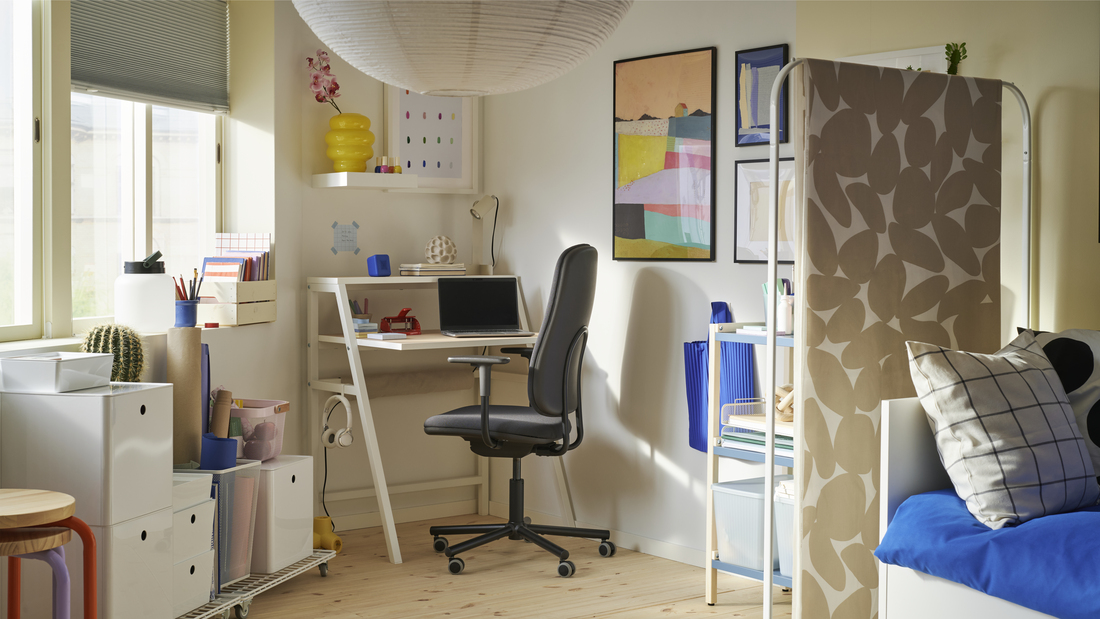
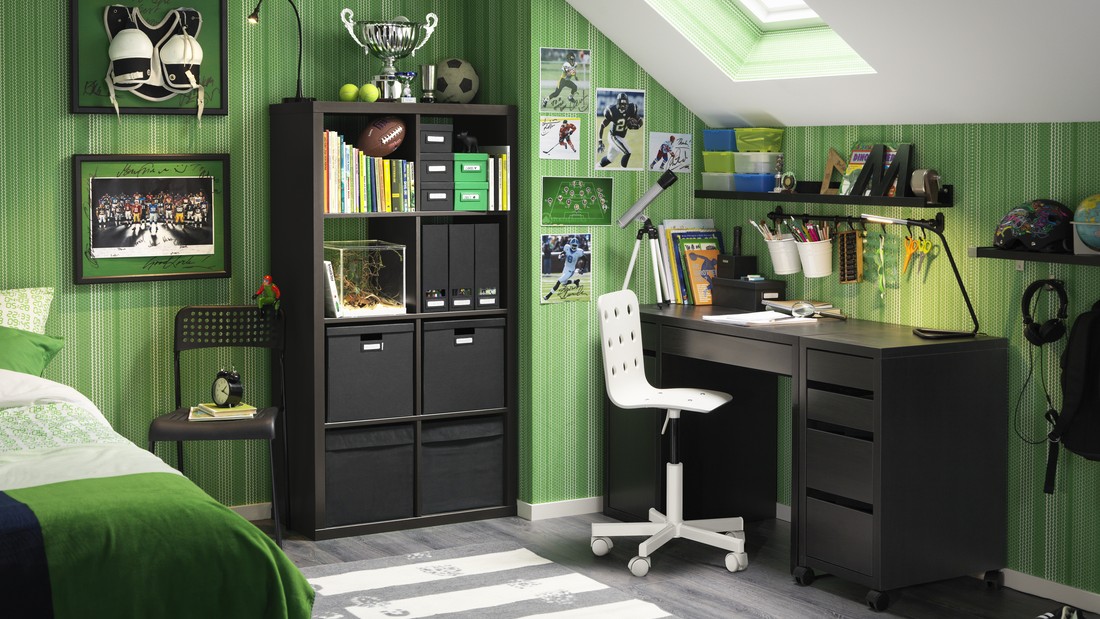
How to organize books on a study desk neatly and comfortably

A well-organized study space can be the start of a more comfortable new routine for the whole family. One simple step that is often overlooked is understanding how to organize books on a study desk so they stay neat and easy to use. 

A tidy desk helps children focus better while creating a space that feels more open and enjoyable. With proper book organization, study activities become more structured. Let’s explore ideas to organize books so your home learning space better supports your daily routines. 

Basic tips for organizing books on a study desk 

Organizing books on a study desk doesn’t have to feel complicated if you start with simple steps. With the right approach, books can be neatly arranged, easy to reach, and support daily learning comfort. 

1. Sort and group books before arranging 

Separate frequently read books from those that are rarely used so they don’t clutter the desk. You can also group books based on genre, subjects, or daily needs to make them easier to find when needed. 

Arrange books based on size and function 

After sorting, arrange books based on size to create a more structured and tidy look. Larger books should be placed at the bottom, while smaller ones can go on top. 

This method creates a sturdy arrangement so books don’t easily fall or shift. You can also adjust placement based on function, such as keeping main textbooks within easy reach. 

Use a combination of vertical and horizontal arrangements 

To avoid a monotonous look, combine vertical and horizontal book arrangements. Vertically arranged books allow quick access, while horizontal stacks add visual variation. 

To keep books standing neatly, use bookends so the arrangement remains stable and organized. This approach makes book organization both dynamic and functional. 

How to organize books on a small rack on your desk 

A small rack on your study desk can be a practical solution to keep books organized without taking up too much space. The key is maximizing every corner so it doesn’t feel crowded or messy. Here’s how: 

1. Use a minimalist bookshelf for limited space 

A minimalist bookshelf is perfect for small study desks. It helps create more organized storage while making the desk look lighter and less cramped. 

You can use the MICKE desk add-on unit as a practical solution that integrates with your desk, keeping books within easy reach without interfering with your main workspace. 

Add storage boxes and baskets 

For smaller books or rarely used collections, you can add KUGGIS storage baskets. Choose boxes with attractive designs so they also function as decoration. 

Baskets help keep books tidy without needing to stack them individually on shelves. This method keeps your desk clean and organized while avoiding a cluttered look. 

Place books based on frequency of use 

To make studying smoother, arrange books based on how often they are used. Frequently used books should be placed in the most accessible areas, such as the front of the rack or near your seating position. 

Meanwhile, rarely used books can be stored on the side or upper sections. This setup makes it easier to find books quickly and keeps your daily routine efficient. 

Read also: Tips for organizing a nice study desk 

Ideas to organize books for a more aesthetic desk 

The following arrangements can make your study space feel more lively and support a positive learning atmosphere. 

Arrange books by color for a visually appealing look 

One simple way to create an aesthetic bookshelf is by arranging books based on their cover colors. You can create a gradient from light to dark or group similar tones for a neat and dynamic look. 

This method not only looks visually appealing but also adds a decorative touch that blends with your study room interior. 

Combine books with decorative elements 

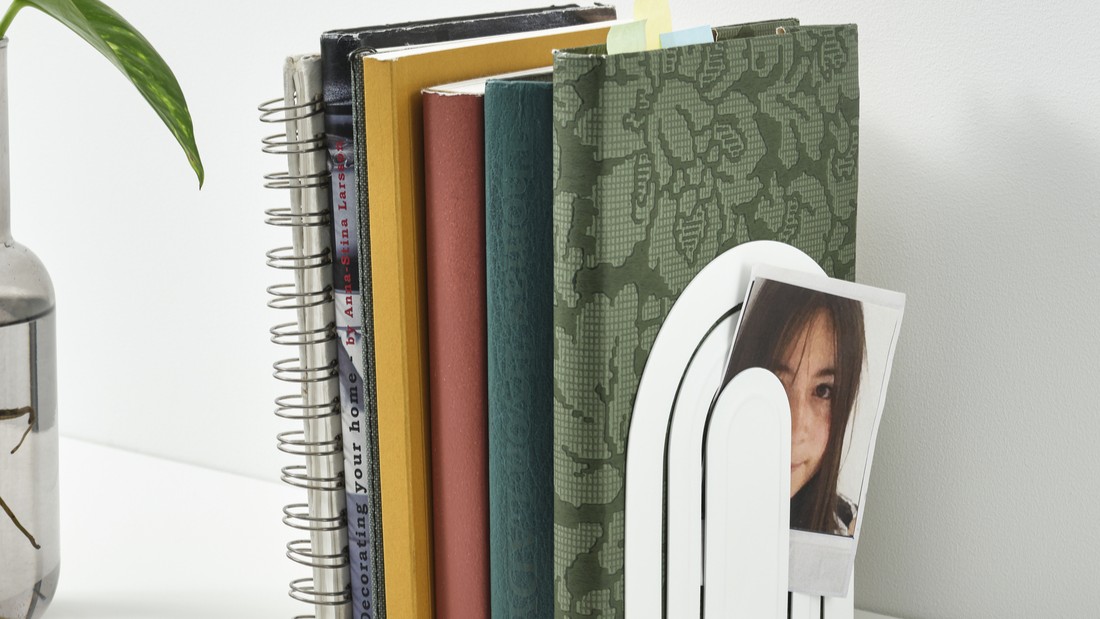
To avoid a plain look, combine books with decorative elements such as photos, small plants, or accessories. You can also use HÖSSLA bookends with an attractive design to add character to your shelf. 

This combination helps create a neat and appealing display while making the study area feel more personal and enjoyable. 

Match with the room’s interior theme 

Book arrangement will look more harmonious when aligned with your room’s interior theme, such as minimalist or modern styles. Choose colors, storage boxes, and decorations that complement each other. 

This approach helps create a study space that is not only neat but also comfortable and supportive of focus. 

How to keep books neat and long-lasting 

Organizing books is not enough without proper maintenance. To keep books neat and durable, you need to maintain cleanliness and ensure the arrangement stays stable every day. 

Clean shelves and books regularly 

Dust buildup can make books look dull and reduce comfort in the study space. Clean shelves regularly using a cloth or duster to keep surfaces tidy. Don’t forget to clean books periodically, especially covers and page edges. 

Keep the book arrangement stable 

To prevent books from falling or becoming messy, ensure the arrangement is stable and not too tight. Use bookends to keep books upright, especially when arranged vertically. 

Make sure the rack or desk is sturdy enough to support the weight. Avoid overfilling shelves so books remain easy to access and maintain their shape. 

Get into the habit of tidying up after use 

Simple habits like returning books to their place after reading can keep your study area tidy every day. This also helps build positive habits in children to maintain their own space. 

Book organization ideas for different family needs 

Each family member has different needs when using a study space. With the right approach, one shared area can remain organized and comfortable. 

For elementary school children 

For younger children, create a simple and accessible setup. Use low shelves so books can be easily taken and returned. Add colorful storage boxes to make the space more engaging and help children recognize book categories. 

Involve children in organizing their books based on their interests so they feel ownership and are more motivated to keep things tidy. 

For teenagers 

Teenagers often need a more personal and aesthetic study space. You can create a neater and more appealing bookshelf by combining storage and decoration. 

Arrangements can be more dynamic, such as mixing vertical and horizontal layouts or organizing by color. This supports productivity while reflecting their personality. 

For a shared family study space 

If the study space is shared, divide storage areas to keep things organized. Create specific zones for each family member so books don’t get mixed up. 

Storing books based on individual needs makes daily activities easier and reduces clutter. 

Read also: Ideal study desk for children 

It’s time to create a more organized study desk 
Organizing books on a study desk is not just about appearance, but also about creating comfort and ease in daily learning activities. With a neat setup, books are easier to find, the space feels more open, and studying becomes more focused. 

Simple habits like arranging, storing, and tidying books regularly can significantly improve the quality of your study space. 

The back-to-school season is the perfect time to adapt together as a family. In line with the spirit of “One home, a new grade,” every corner of the house—including the study desk—can be prepared to support a more structured and enjoyable routine. 

Now is the time to create a more organized and comfortable study space for the whole family. Discover exciting back-to-school inspiration with IKEA.co.id


Back to top