A tidy desk is the foundation of focused thinking. To achieve this, a child’s study space needs smart, integrated storage. Here’s how to create it.
Maximizing vertical storage on the wall
Using the wall above or beside the desk with wall shelves, pegboards, or hanging organizers is extremely helpful. Stationery, schedules, and notes can be stored without taking up desk space.
This keeps the desk open for books and a laptop while ensuring essential items stay within reach. A tidy desk supports focus, gives more room to move, and minimizes visual clutter.
Using drawers and storage boxes
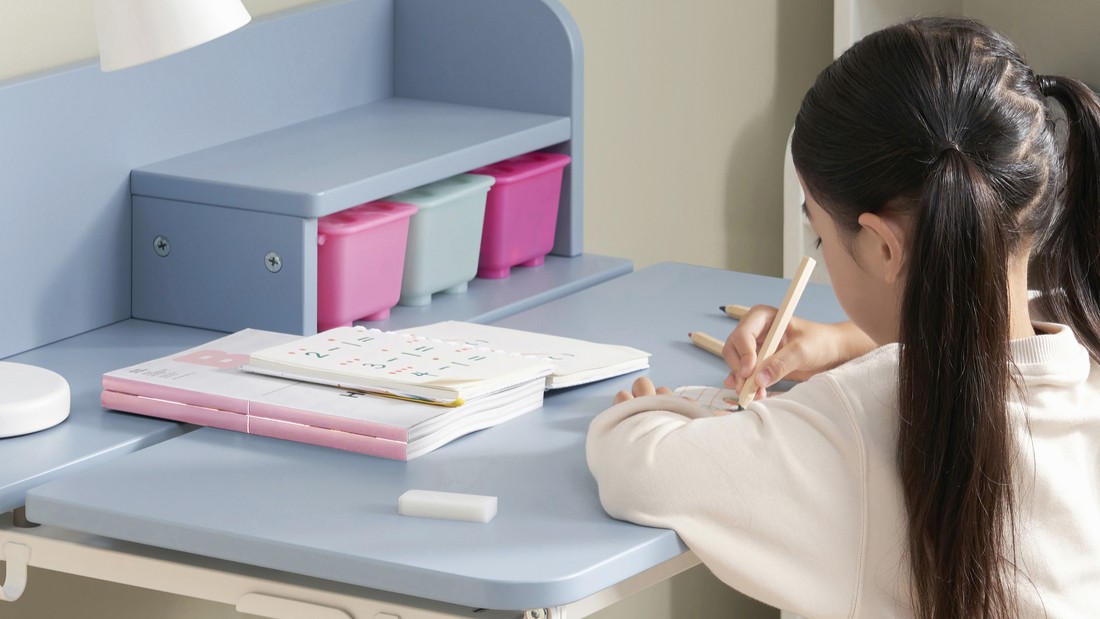
Drawers or storage boxes help children group items such as books, assignments, art materials, and stationery neatly.
This keeps the desk organized and teaches responsibility. A structured learning space not only looks pleasant but also creates a calm, stress free study environment.
Aesthetic touches that boost learning motivation
Beyond function, aesthetics and personalization also play an important role in making the study area comfortable and motivating.
Personalizing the area with colors and hobbies
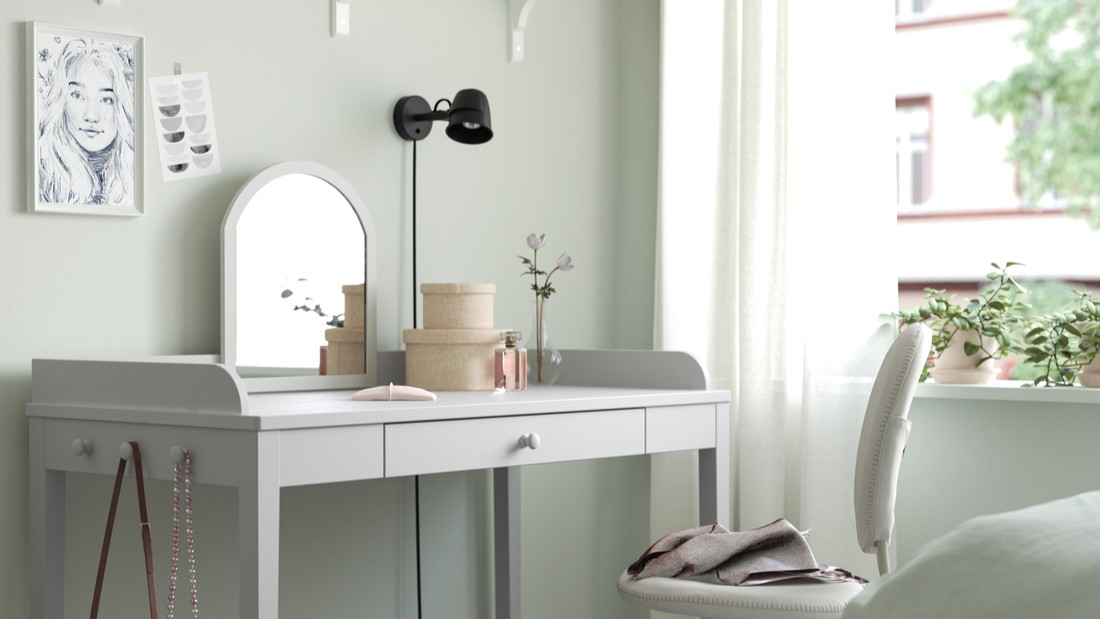
Letting children choose decorations, the color of their storage boxes, posters, or display their artwork in frames can make the space feel truly theirs.
This makes them more willing to stay in the room, turning study time into something enjoyable rather than a burden. Simple decoration can make the space warm, fun, and give them a sense of ownership that boosts motivation.
The importance of ergonomic furniture for growing children
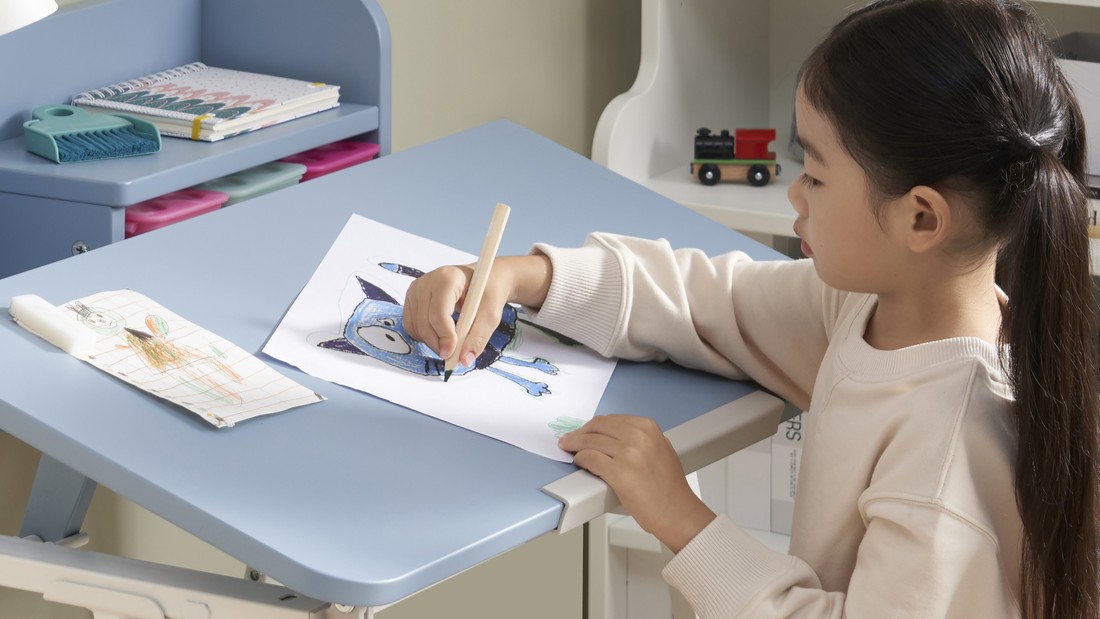
Choosing a height adjustable kids' desk and chair is a smart investment. Flexible furniture helps maintain proper posture as children grow.
Parents don’t need to replace furniture frequently, and ergonomic childern’s tables and chairs help reduce fatigue and support healthy study habits in the long term.
Make learning more enjoyable with the right study desk from IKEA