A clogged toilet can disrupt activities at home, especially when the water in the toilet starts to rise or drains more slowly. Blockages can be caused by toilet paper, foreign objects, or problems with the drainage system that make it difficult for water to flow.
Before calling a septic tank pumping service, there are several simple steps you can try to get the toilet flowing smoothly again. However, it is important to know when to stop so that your efforts to clear the blockage do not damage the toilet or make the problem worse.
Read on to learn how to unclog a toilet at home and when you need to seek professional help.
Not all clogged toilets can be handled in the same way. If the blockage keeps returning, the water does not drain, or an unpleasant odor appears, the problem may be related to the pipes or septic tank and require further inspection.
Common causes of a clogged toilet
A clogged toilet can be caused by everyday habits or problems with the drainage system. Some common causes include:
-
Too much toilet paper: Excessive toilet paper can build up and obstruct the flow.
-
Foreign objects: Sanitary pads, wet wipes, plastic, fabric, or other items that should not be flushed can block the drain.
-
Blocked pipes: A blockage inside the pipes can cause water to drain slowly or rise back into the toilet.
-
Full septic tank: This condition can obstruct wastewater flow and make it difficult for the toilet to drain normally.
-
Drainage system problems: If the toilet frequently becomes clogged without any visible obstruction, the problem may be further down the drainage system.
6 ways to unclog a toilet at home
If the water in the toilet starts to rise or does not drain as usual, do not flush it repeatedly. For minor blockages, you can try the following methods before seeking professional help.
1. Use a toilet plunger
A toilet plunger can help loosen a blockage around the toilet drain. Position the rubber cup so that it covers the drain tightly, then push and pull the handle several times at a steady pace to create pressure.
After that, wait for a moment and observe the water flow. If the water starts draining normally, you can try flushing the toilet slowly to make sure the blockage has cleared.
2. Use dish soap and hot water
For minor blockages, dish soap can help lubricate the drain, while hot water can help loosen the material causing the blockage. Pour an appropriate amount of dish soap into the toilet bowl, then add hot water that is not boiling.
Leave it for a few moments before trying to flush again. Avoid using water that is too hot, as extreme temperature changes may damage the toilet surface.
3. Try baking soda and vinegar
Baking soda and vinegar can be tried to help deal with minor blockages. Pour baking soda into the toilet drain, then slowly add vinegar and let the mixture react for a few moments.
After that, add hot water that is not boiling and check whether the water flow improves. This method does not always work, especially if the toilet is clogged by a foreign object that cannot dissolve.
4. Reduce the amount of water in the toilet
If the water level in the toilet is already too high, do not immediately add more water or other materials. Wait for the water level to drop or remove some of the water using a suitable container.
This helps reduce the risk of the water overflowing while you try to clear the blockage with a plunger or another method.
5. Avoid inserting objects or using chemicals carelessly
Wire, sharp objects, or chemicals such as caustic soda should not be used carelessly to unclog a toilet. These methods may damage the toilet surface or cause further problems if the blockage is not successfully cleared.
6. Contact a professional if the toilet is still clogged
If the toilet remains clogged after trying several methods, the water does not drain, or the blockage keeps returning, the problem may be related to the pipes or a full septic tank.
Consider contacting a professional so the source of the blockage can be inspected and handled using specialized equipment.
Also read: 4 Effective ways to clean your bathroom with furniture from IKEA
Recommended cleaning products to keep your toilet clean
After unclogging the toilet, keeping the toilet area clean can make regular maintenance easier. IKEA offers various cleaning products that can support your bathroom cleaning routine.
1. BOLMEN toilet brush/holder
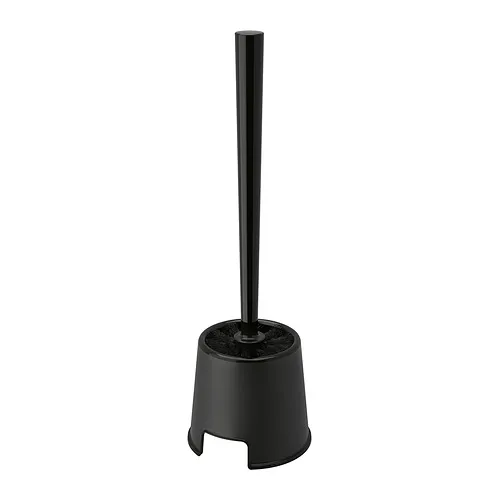
BOLMEN features a durable plastic brush that can be used to keep the toilet clean. It also comes with a holder, allowing the brush to be stored more neatly after use.
2. GANSJÖN toilet brush
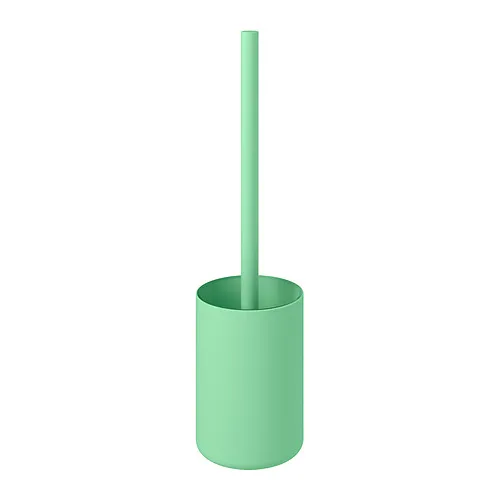
GANSJÖN can be used to help keep the toilet clean. Its brush comes with a tall holder that conceals the bristles, while the handle can be paired with a replacement brush when needed.
3. PEPPRIG floor squeegee
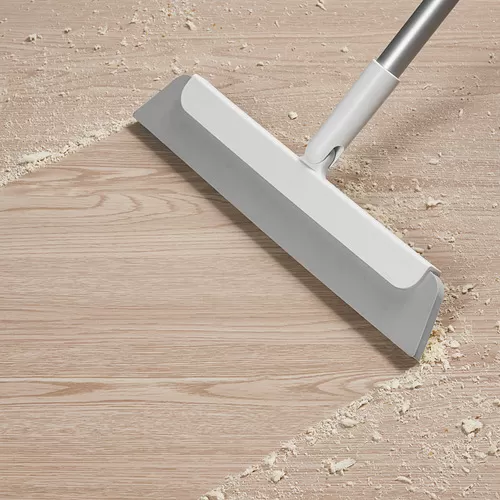
PEPPRIG features an EVA head that can help remove water, hair, and dirt from the floor. It is suitable for use in the bathroom, especially when the area around the toilet gets wet.
4. RINNIG cleaning gloves
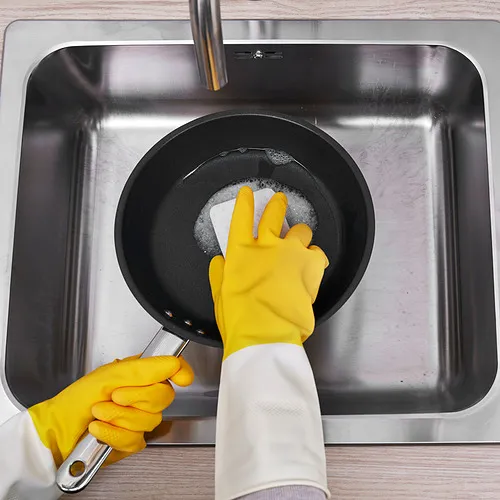
RINNIG can be used when cleaning the bathroom. The fingertips feature small raised details that help provide a better grip while in use. This variant is listed as available at IKEA Indonesia.
5. EKOLN waste bin
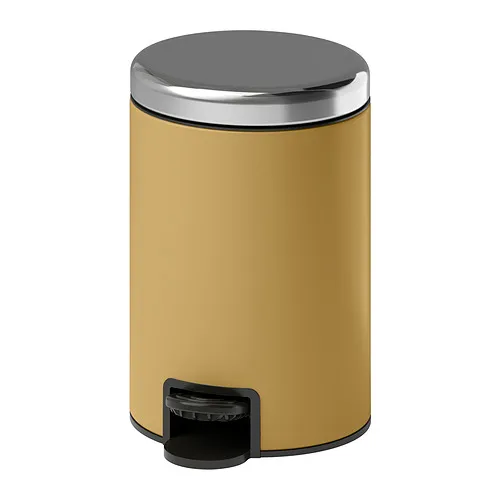
EKOLN can be placed in the bathroom to provide a designated place for waste that should not be flushed down the toilet. Its inner container can be removed, making it easier to empty and clean.
How to prevent your toilet from clogging again
Once your toilet is flowing normally again, a few simple habits can help reduce the risk of blockages recurring.
-
Avoid flushing foreign objects: Do not flush sanitary pads, plastic, fabric, wet wipes, or other items that are difficult to break down.
-
Use toilet paper sparingly: Be mindful of the amount of toilet paper you flush to prevent buildup and obstructed flow.
-
Monitor the water flow: If the water starts draining slowly or an unpleasant odor appears, check the drainage system before the problem gets worse.
-
Check the septic tank: A toilet that repeatedly becomes clogged may be related to the septic tank or drainage system and require further inspection.
Also read: Toilet cleaners you should have at home
Keep your toilet flowing and clean
Unclogging a toilet can start with simple steps, but it is important to recognize when a blockage requires professional help. Keeping the toilet clean and disposing of waste properly can also help reduce the risk of recurring problems.
Once the toilet is flowing normally again, avoid flushing foreign objects and clean the toilet area regularly. IKEA offers various cleaning products that can help you keep your bathroom neat and comfortable.
Visit IKEA.co.id to discover more solutions and inspiration that can be adapted to your home.
FAQ
A clogged toilet can be caused by excessive toilet paper, foreign objects, blocked pipes, or a full septic tank.
For minor blockages, you can try using a toilet plunger or dish soap with hot, non-boiling water. If it does not work, consider seeking professional help.
They can be tried for minor blockages, but they do not always work, especially when the toilet is clogged by a foreign object or a deeper blockage.
Caustic soda should not be used carelessly because it may damage the toilet and create hazards during subsequent handling.
Consider seeking professional help if the toilet remains clogged, the water does not drain, blockages keep recurring, or an unpleasant odor appears.