Rainy and humid weather can make laundry difficult to dry. With less sunlight and higher humidity, damp clothes may take much longer to dry and can develop an unpleasant musty smell if moisture remains trapped in the fabric.
The simplest way to dry clothes quickly is to remove as much excess water as possible after washing and then maximise airflow around each garment. A washing machine spin cycle, dry towel, fan and suitable drying rack can all help speed up the process.
Different fabrics require different drying methods. Always check the garment care label before wringing, tumble drying, ironing or applying heat. In most cases, the safest way to speed up drying is to remove excess water first and allow plenty of air to circulate around the fabric.
Why do clothes take longer to dry and develop musty smells?
Clothes dry when moisture in the fabric evaporates into the surrounding air. Lower humidity, moving air and sufficient space between garments can help this process happen more efficiently.
High humidity, thick fabrics, poor ventilation and overcrowded drying racks can all slow evaporation.
When clothes remain damp for too long, moisture can also create conditions in which microorganisms, including bacteria and fungi, may contribute to unpleasant odours.
So, when rainy weather makes laundry difficult to dry, focus on two things: remove excess water and improve airflow.
10 ways to dry clothes quickly
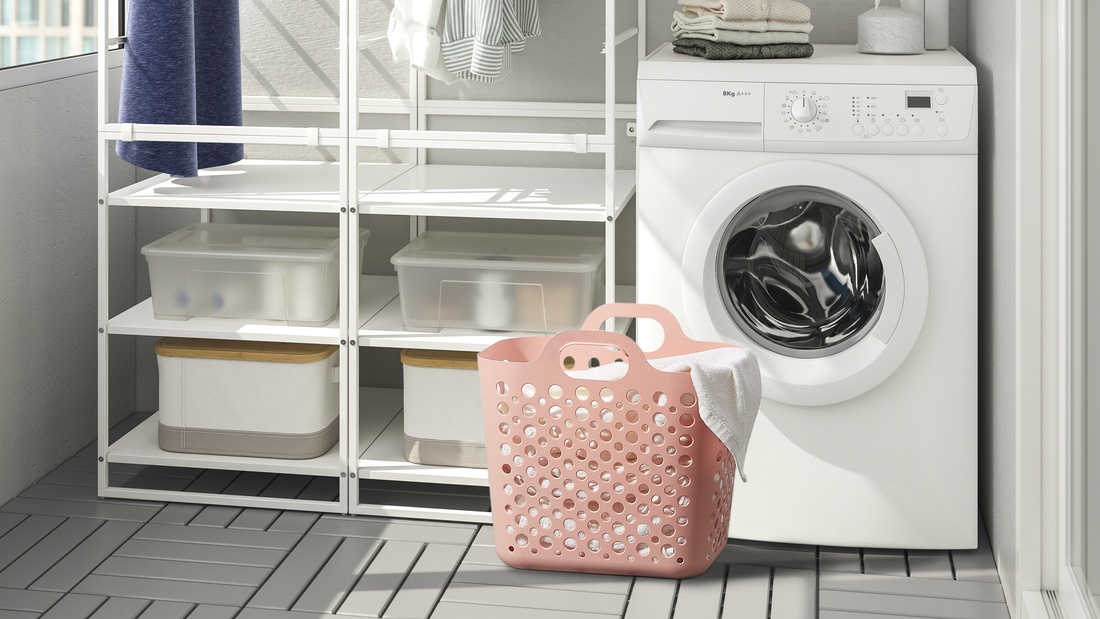
Try these practical methods to help clothes dry faster whether you are drying them outside, on a balcony or indoors during rainy weather.
1. Use the washing machine spin cycle
One of the easiest ways to dry clothes faster is to remove more water before they reach the drying rack.
The spin cycle rotates clothes at high speed to reduce the amount of water left in the fabric. The less moisture a garment contains, the less time it will normally need to dry.
However, using a washing machine spin cycle does not necessarily mean the clothes will come out completely dry. Most garments will still need to be air-dried or transferred to a tumble dryer where the care label allows it.
2. Remove as much excess water as possible
If clothes leave the wash holding a large amount of water, the drying process will naturally take longer.
For garments that allow it, gently squeeze out excess water before hanging them up.
Avoid aggressively twisting delicate fabrics, as this may stretch the material or affect the fibres. Always follow the garment care instructions.
3. Press damp clothes in a dry towel
A dry towel can help absorb additional moisture, particularly from garments that should not be strongly wrung.
Lay the garment flat on top of a clean, dry towel. Roll the towel and garment together, then gently press along the roll so the towel absorbs some of the remaining water.
Unroll the towel before hanging the garment to dry.
If the clothing is still very wet, repeating the process with another dry towel may help remove even more moisture.
4. Shake out garments and open folded areas
Before hanging clothes, give each garment a gentle shake to separate layers of fabric.
Open sleeves, pockets, collars and any areas that have folded in on themselves. This exposes more of the damp fabric to moving air and helps moisture evaporate more evenly.
It is a simple step, but it can make a difference for areas that otherwise stay damp after the rest of the garment has dried.
5. Leave enough space between garments
Overloading a drying rack can make clothes dry more slowly.
Leave enough space between items so air can circulate around them rather than forcing damp fabrics to touch each other.
A JÄLL drying rack can provide a flexible solution for drying clothes indoors or outdoors.
For larger laundry loads, a MULIG drying rack provides additional drying space.
Read also: Minimalist clothes drying rack models for different homes
6. Use suitable hangers and drying accessories
Hangers can help shirts, tops and lightweight garments stay open while drying, allowing more air to reach the fabric.
Choose clothes hangers that suit the type of garment and avoid placing too many pieces too close together.
Small items such as socks, underwear or baby clothes can be placed on a hanging dryer to free up space on your main drying rack.
The important point is to keep wet fabrics separated so air can move around them.
7. Choose a well-ventilated drying area
Direct sunlight can help clothes dry, but it is not the only factor that matters.
When there is little sunlight, place your laundry in a well-ventilated location such as near an open window, on a covered balcony or in another area where fresh air can circulate.
Avoid drying a large amount of wet laundry in a closed room with no ventilation. Moisture released from the clothes can increase indoor humidity and slow the drying process.
8. Use a fan to improve airflow
A fan can be useful when you need to dry clothes indoors.
Position the fan at a safe distance so moving air passes across the garments. It does not need to be placed directly against the laundry.
Combine the fan with good ventilation and adequate space between garments for better results.
This can be especially helpful during rainy weather when sunlight is limited and clothes need to dry inside the home.
9. Use a clothes dryer when appropriate
A tumble dryer or other clothes dryer can provide a practical solution when weather conditions make air-drying difficult.
Before using one, check the garment care label and select a programme suitable for the fabric.
Higher heat does not always mean better drying. Some materials can shrink, lose their shape or become damaged when exposed to excessive heat.
Using the correct temperature and drying cycle helps make the process both more efficient and suitable for the garment.
10. Use a hair dryer only for small damp areas
A hair dryer is designed to dry hair rather than an entire load of laundry, but it can be useful when only a small part of a garment remains damp.
Use a low or moderate temperature and keep the hair dryer at a reasonable distance from the fabric. Keep the airflow moving instead of concentrating heat in one place.
For a garment that is still wet overall, a drying rack, fan or clothes dryer is a more practical solution.
How to prevent musty smells while drying clothes

Clothes can develop a musty smell when they remain damp for too long.
Remove laundry from the washing machine as soon as the cycle finishes rather than leaving wet clothes sitting in the drum.
When hanging clothes, leave enough space for air to move between garments. If you need to dry them indoors, use ventilation or a fan to keep the surrounding air moving.
Before folding or storing anything, make sure the clothing is completely dry. Collars, waistbands, pockets and thick seams can sometimes remain damp even when the outer surface feels dry.
It is also worth using laundry detergent according to its recommended amount. Excess detergent may leave residue on fabric and can affect how fresh clothes feel after washing.
Good airflow and complete drying are key steps in keeping laundry fresh and helping prevent musty smells.
Common mistakes that make clothes dry more slowly
Several everyday habits can unnecessarily extend drying time.
Leaving wet clothes in a pile. Hang laundry soon after washing so moisture is not trapped between garments.
Overcrowding the drying rack. Clothes need space for moving air to reach their surfaces.
Skipping the spin cycle. Removing more water before drying can significantly reduce the amount of moisture that needs to evaporate.
Storing garments while they are still damp. Always make sure clothes are completely dry before folding them into drawers or wardrobes.
Relying on excessive heat. An iron is not designed to dry soaking-wet garments. If you need to press a slightly damp area and the care label allows ironing, use the correct temperature and place a protective cloth between the iron and delicate fabric where appropriate.
Make laundry drying easier with the right accessories
A suitable drying setup can make it easier to spread laundry out and maintain better airflow between items.
Explore IKEA laundry and laundry accessories for practical solutions that can help with washing, drying and organising clothes.
For smaller garments, a hanging solution can also help free up space on your main rack while keeping damp items separated.
Read also: Efficient laundry during the rainy season with the right equipment and organisation
Read also: Tips and ideas for a laundry on the balcony
FAQs about drying clothes quickly
Remove as much water as possible using the washing machine spin cycle, then hang clothes with sufficient space between them in a well-ventilated area. A fan can help improve airflow when laundry needs to dry indoors.
Use the highest appropriate spin setting for the garment to remove more moisture before drying. A spin cycle does not usually make clothing completely dry, so garments may still need to be air-dried or transferred to a clothes dryer.
Not necessarily. The spin cycle mainly removes water from the fabric. How damp the clothes remain depends on the washing machine, spin speed, fabric type and how much water the clothing retained.
Use a drying rack in a well-ventilated room, leave space between garments and use a fan to keep air moving. Opening a window where appropriate can also help reduce indoor humidity.
Hang wet laundry soon after washing, avoid overcrowding the drying rack, maintain good airflow and make sure every garment is completely dry before storing it. These steps reduce the time clothes remain damp and help prevent musty odours.