How to deal with termites in bedroom, living room, and kitchen
Termites often appear without being noticed and can damage various wooden furniture in your home, from wardrobes in the bedroom, shelves in the living room, to kitchen cabinets. Because termites are wood-eating insects that live in large colonies, damage can develop slowly before it finally becomes visible.
Therefore, understanding how to deal with termites early helps you keep your home furniture neat and comfortable for everyday use. By recognizing early signs of termite activity and choosing suitable furniture, you can take preventive steps more quickly.
Understanding termites and signs of infestation
Termites are wood-eating insects that live in colonies and often appear in damp and dark areas of the home. They can attack various wooden furniture such as wardrobes, shelves, or wooden flooring in bedrooms, living rooms, and kitchens.
Recognizing the presence of termites early helps you take steps on how to deal with termites before the damage spreads.
Types of termites commonly found in homes
-
Subterranean termites: Usually originate from the soil and enter through house foundations, floor gaps, or damp walls.
-
Drywood termites: Live inside wooden materials such as wooden wardrobes, shelves, or other home furniture.
Signs of termite activity
Some signs you may notice include:
-
Small holes or fine wood dust around furniture
-
The surface of wardrobes or wooden furniture feels fragile when touched
-
Small mud tunnels on walls or floors
-
Termite activity around areas frequently passed by termites such as wardrobe corners or wooden panels
If termite activity is not handled quickly, termite colonies can grow and affect more wooden areas in the home. By recognizing these signs early, you can maintain your furniture and create a more comfortable home environment.
Why do termites suddenly appear in the house?
The presence of termites in the house is often related to environmental conditions that support termite activity. These insects are attracted to damp, dark areas and wooden materials that serve as a food source.
High humidity and poor ventilation
Termites tend to thrive in areas with high humidity. Rooms with poor ventilation allow moisture to remain inside the house, creating conditions that termites prefer. Areas such as kitchens, corners of living rooms, or the back of wardrobes often become termite activity spots due to limited air circulation.
Wood that touches the ground
Wooden furniture or structures that are directly connected to the ground make it easier for subterranean termites to enter the home. Termites can move through house foundations or small gaps in floors and then reach furniture such as wooden wardrobes, storage shelves, or wooden wall panels.
Leaking pipes and ineffective drainage
Leaking pipes or poor drainage systems can increase moisture around the foundation of the house. Damp soil becomes an ideal environment for termite colonies to develop.
When these conditions persist for a long time, termites can easily move from the soil to wooden areas inside the house and begin using furniture as a food source.
How to eliminate termites that are already attacking
When termites in the house begin to appear on wardrobes or wooden furniture, taking action can help reduce termite colony activity. Several simple methods can help drive termites away while keeping your home comfortable.
Natural ingredients
Several natural ingredients can help repel termites naturally from furniture areas or room corners.
-
Soap water or salt water: Spray a concentrated soap or salt solution on areas frequently passed by termites. This liquid can disrupt termite breathing and encourage them to move away.
-
Rice-washing water or tobacco water: The aroma of these ingredients is often used to help repel termites from wooden furniture or damp areas of the house.
-
Essential oils: The scent of cinnamon, clove, or tea tree oil is known to be disliked by termites and can help repel them from wardrobes or storage shelves.
Practical chemical solutions
In addition to natural ingredients, practical methods can provide anti-termite protection for wooden furniture.
-
Anti-termite spray: Special spray solutions or wood coatings can be applied to furniture surfaces to provide additional protection and help maintain the condition of the wood.
-
Camphor: Place camphor in wardrobe corners or damp areas. Its strong scent helps repel termites from storage areas.
-
Kerosene or thinner: These materials are often used on roof frames or ceilings to reduce termite activity and can be quite effective for controlling termites in certain areas.
Trap method
This simple method can help eliminate termites commonly found around wooden furniture.
-
Wet cardboard: Wet a piece of cardboard and place it in areas suspected to be termite pathways. Termites are attracted to damp materials that resemble wood.
-
Removing the cardboard after termites gather: Once termites gather on the cardboard, move it away from the house to reduce the number of termites and disrupt the activity of nearby termite nests.
How to repel termites from walls and other areas
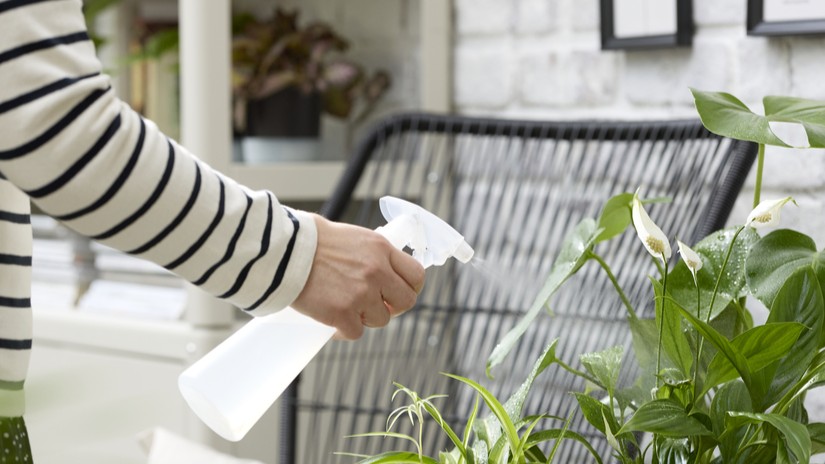
Termites can also appear on walls, corners of rooms, or damp areas of the house. If small mud tunnels or drywood termite activity appear around walls, several simple steps can help repel termites from walls while maintaining a comfortable home environment.
Use natural solutions or anti-termite products
You can spray natural solutions such as soap water, salt water, or essential oils into wall cracks frequently passed by termites. Anti-termite spray solutions can also help reduce termite activity on areas such as wooden panels or wardrobe corners attached to walls.
Improve ventilation and sunlight exposure
Termites tend to prefer damp and dark areas. Opening ventilation and allowing sunlight to reach wall areas can help reduce moisture that termites prefer. Good air circulation also keeps the home environment fresh and comfortable.
Check cracks or gaps in walls
Small cracks in walls often become entry paths for termites from outside the house. By checking and sealing these cracks, you can reduce the chances of termites entering and developing colonies inside the home.
How to prevent termites from returning
After termite activity has been reduced, the next step is maintaining conditions that support a termite-free home. With simple care and proper room arrangement, you can help prevent termites from returning to furniture or wooden areas.
Reduce humidity inside the house
Termites tend to thrive in damp areas. Maintaining good air circulation in bedrooms, living rooms, and kitchens helps reduce humidity levels inside the house.
Use wood coatings
Coatings such as paint or varnish help close wood pores so termites cannot easily enter the wood fibers. These coatings also help maintain the appearance of wooden furniture such as wardrobes, shelves, or storage tables.
Fix leaking pipes and drainage systems
Leaking pipes or poor drainage can increase soil moisture around the house. Repairing leaks and ensuring proper water flow helps reduce conditions that attract termites.
Product options for a termite-free home
In addition to maintaining cleanliness and humidity, choosing the right furniture can help create a comfortable home environment while reducing the risk of termite damage.
Anti-termite products (non-wood materials)
One practical way to protect your home is by choosing anti-termite furniture made from non-wood materials. Materials such as metal or plastic do not serve as termite food sources.
Some options include:
-
Metal wardrobes for bedroom or living room storage
-
Lightweight plastic shelving for kitchens or bathrooms
-
Outdoor storage units made from moisture-resistant materials
These materials help maintain the function of wardrobes and storage units while reducing the risk of termite damage.
Read also: 10 metal wardrobe ideas for your home décor
Wood care products
If you have wooden furniture, proper surface treatment can help maintain its condition and reduce moisture in the material.
Some treatments include:
-
Wood care oil to protect wood surfaces from moisture
-
Paint and varnish as wood coatings that help seal wood pores
Regular maintenance helps wooden furniture such as wardrobes, tables, or storage shelves remain functional for longer.
Read also: Tips for choosing a wooden wardrobe and how to maintain it
Furniture placement tips
Furniture arrangement also plays an important role in keeping your home comfortable and helping repel termites from wardrobes.
Some useful tips include:
-
Leave a 5–10 cm gap from damp walls to improve air circulation around furniture
-
Use additional legs on wooden furniture so wooden wardrobes do not touch the floor directly
Proper furniture placement helps maintain dry material conditions and keeps the home environment more organized.
FAQ: Frequently asked questions
How can I prevent wardrobes from being eaten by termites?
Maintaining wooden wardrobes properly can help reduce termite risk. Using wood coatings such as paint or varnish helps seal wood pores. Leaving space between wardrobes and damp walls also improves air circulation. Choosing non-wood furniture can also be an alternative anti-termite storage option.
How do you repel termites from walls?
You can use natural solutions such as soap water or essential oils in wall cracks frequently passed by termites. Anti-termite sprays can also help reduce termite activity. Good ventilation and sunlight exposure help keep wall areas dry.
How do you prevent termites?
Simple steps include controlling humidity levels, repairing leaking pipes, ensuring proper air circulation, and choosing furniture materials that are more resistant to termites.
Why do termites suddenly appear in the house?
Termites often appear due to environmental conditions such as high humidity, decaying wood, poor ventilation, or ineffective drainage systems. Maintaining a dry and well-organized home environment helps reduce the chances of termite development.
A more comfortable home with simple termite prevention
Dealing with termites can begin with simple steps such as recognizing early signs of infestation, reducing humidity, and maintaining wooden furniture with protective coatings.
Choosing furniture with suitable materials also helps create a more organized home and supports a termite-free environment. IKEA offers various storage solutions, non-wood furniture options, and wood care products that help you maintain your furniture more easily.
To help arrange your home furniture properly, you can also use IKEA’s assembly service so that furniture is installed neatly and securely.
Discover more inspiration for home organization, storage solutions, and furniture care ideas for a more comfortable home by visiting IKEA.co.id.