A simple minimalist home starts with the space you already have. Using a 2-bedroom home as an example, this guide walks through small, practical ways to create clear zones, keep walkways open, choose helpful furniture, and use storage, color, and lighting to make everyday life at home smoother.
Start with daily routines: entryway, kitchen, living room, and bedroom
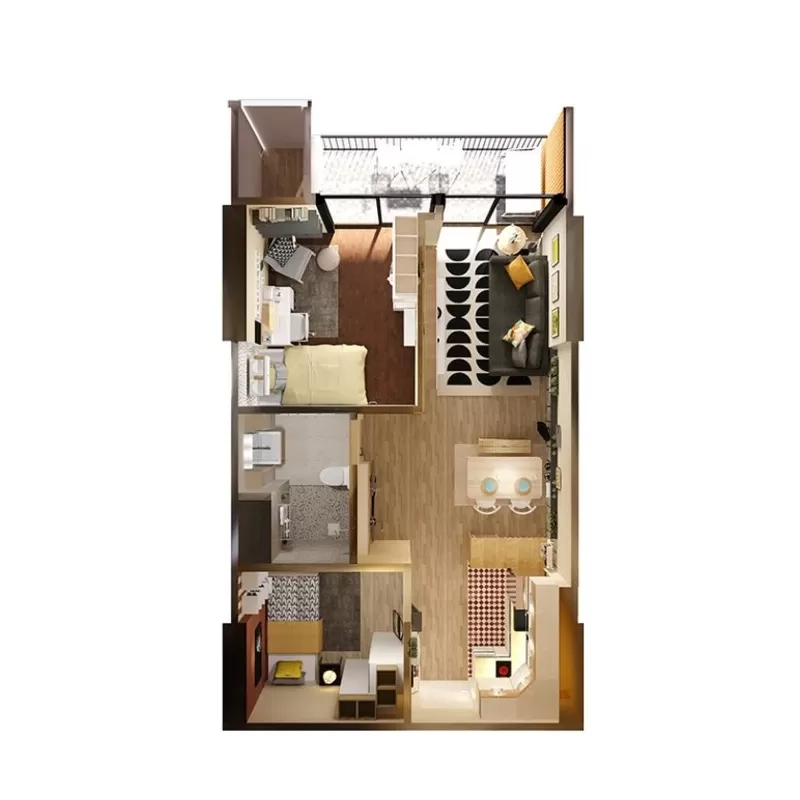
Caption: In a compact home, it helps to plan around the way people move, cook, rest, and gather. This makes it easier to choose the furniture you need while keeping the space simple and functional.
Start with daily routines because they show where the home works well and where it needs a little help, from the entryway that collects shoes and bags to the kitchen used every morning, the living room where people gather, and the bedroom where the day slows down.
These small patterns can guide the first furniture and storage choices before you think about changing the whole room.
Start with a few simple questions:
- Who lives in the home?
- Which room or corner gets used the most?
- Does the living room also work as the family room?
- Is the kitchen used for everyday cooking?
- Do you need a desk or study spot?
- Which items tend to move from room to room?
- Does the entryway need a place for shoes, bags, helmets, or keys?
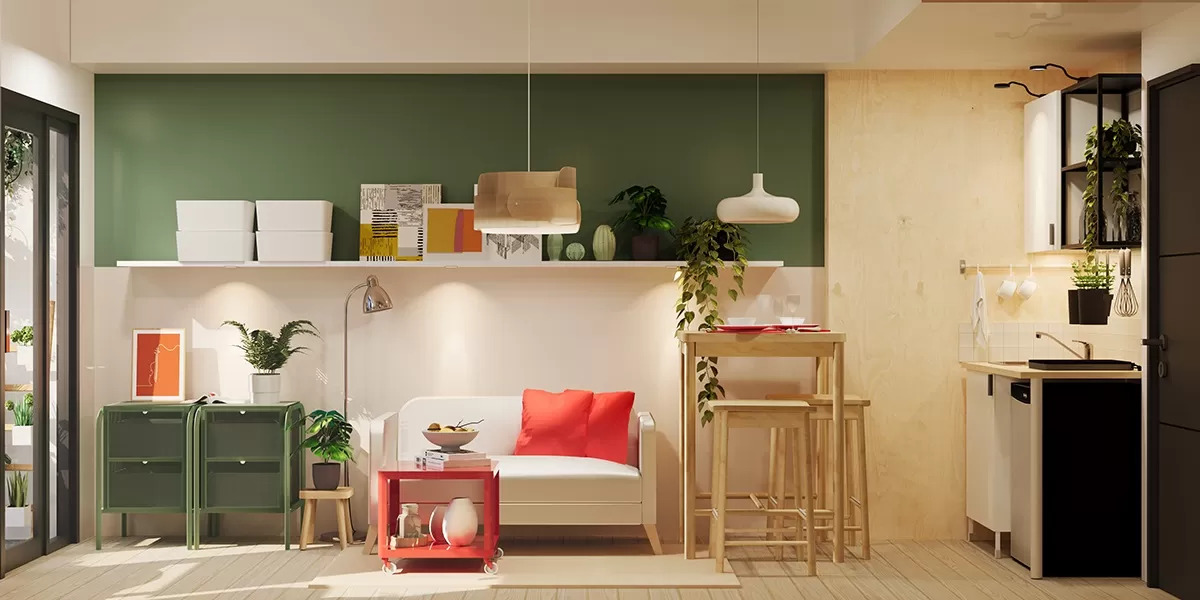
If the living room is where everyone gathers, it can also work as the family room. A sofa that fits the space, a small table, a TV unit, and closed storage for daily items can already make that area easier to use.
If the kitchen gets used often, look at the spots your hands reach for every day: cookware, spices, utensils, and food storage. If shoes and bags usually land near the door, a slim shoe rack or a few hooks can make the entryway more welcoming and less cluttered.
Small choices like these give you a gentle place to begin. Every room does not need to be finished at once. Start with the areas that do the most work each day, then give them the furniture and storage that make life a little easier.
What should each space help you do: gather, eat, work, rest, or store?
Each space should support the activity that happens there most often, from family time in the living room and meals near the kitchen to work, rest, storage, or a little of each. One room can still be flexible, especially in a compact home. The helpful part is knowing what the space needs to do first, so the furniture has a reason to be there.
A few examples:
- A living room can also be the family room
- A second bedroom can become a child’s room, guest room, work room, or study area
- A dining area can sit close to the kitchen
- An entryway can hold shoes, bags, keys, and small daily items
- An empty corner can become a small work spot or extra storage area
This keeps home design from turning into a long shopping list. Instead of thinking, “What else should I buy?” you can look at each area and ask, “What does this spot need to help with?”
If the living area is also used when guests come over, choose pieces that can handle both everyday lounging and casual hosting. A comfortable sofa, a small table for drinks or snacks, and closed storage for quick tidying can do a lot.
If the second room does not have one fixed purpose yet, keep it flexible. A small desk, a rack, or a compact bed can help the room work now, while still leaving room for it to become a child’s room, guest room, work room, or study area later.
Make room to move: paths, doors, drawers, and chairs
Before adding more furniture, check how the home already moves: where people walk, where doors swing, where drawers open, and where chairs need space to pull out. These small checks can show whether a room needs a new piece, a smaller size, or simply a clearer path between the entryway, living room, kitchen, dining area, and bedroom.
Try walking through the home slowly. Notice where the path feels tight, where a chair might get in the way, or where a cabinet door needs more room to open.
Start with these main paths:
- From the entryway to the living room: is it easy to walk through?
- From the kitchen to the dining area: can you carry food without bumping into the table or chairs?
- Around the dining table: can the chairs pull out comfortably?
- In the bedroom: can the wardrobe open without touching the bed?
- In the kitchen: is there enough room to move while cooking?
- In a work area or extra room: are the desk, chair, and storage easy to use?
- Around storage: are everyday items kept close to where they are used?
More furniture is not always the fix. Sometimes a room becomes easier to live in when the walkway stays open, daily items have a home, and you do not need to move things around before using the space.
Before choosing a sofa, picture the path from the front door to the living room. A long sofa may look cozy, but it can make the room harder to pass through. In the dining area, check whether the chairs can pull out without bumping into the kitchen or nearby cabinets.
In the bedroom, wardrobe placement matters too. If the door is hard to open or sits too close to the bed, the room may become less practical. A small check like this helps you choose furniture that looks good and still works with the way you live.
Choose pieces that do more: seating, storage, work, and rest
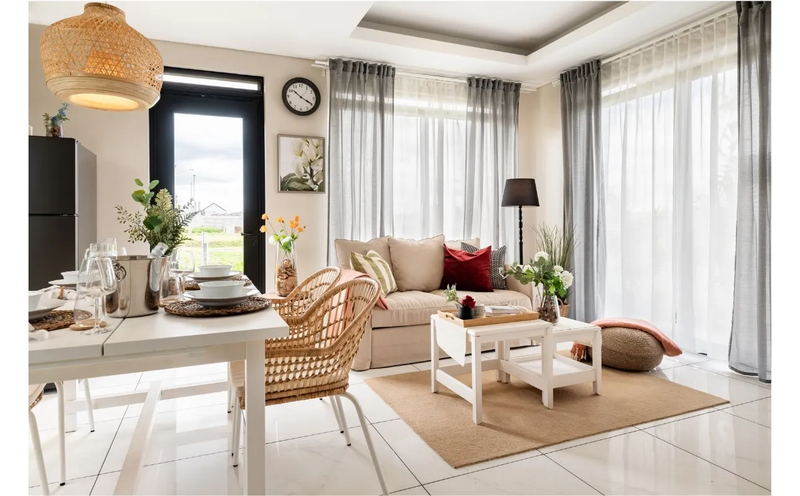
Caption: Example of key furniture placement in a multifunctional living and dining area
Once the walkways are easy to move through, focus on the furniture that does the most helpful work. The goal is not to fill every corner. It is to make each area easier to use.
A living room may need a sofa, but the sofa should not block the way. A bedroom may need a wardrobe, but the doors still need space to open. A dining area may need a table, but the chairs still need room to pull out.
Use this table as a starting point:
| Area | Key furniture | Why it helps | Check before choosing |
|---|---|---|---|
| Entryway | Shoe rack, hooks, small tray | Gives outdoor items a place to land | Keep the door easy to open and the entry path clear |
| Living room | Sofa, small table, TV unit, closed storage | Supports sitting, hosting, and everyday storage | Choose a sofa size that does not block the path |
| Kitchen | Cabinets, racks, organizers | Keeps cookware and ingredients easier to reach | Leave enough room to move while cooking |
| Dining area | Dining table and chairs | Makes everyday meals easier | Check whether chairs can pull out comfortably |
| Bedroom | Bed, wardrobe, bedside lamp | Supports rest and clothing storage | Leave room to walk and open the wardrobe |
| Extra room | Small desk, rack, compact bed | Can work for studying, guests, work, or children | Choose pieces that can move if the room changes |
| Bathroom | Small rack, mirror, hooks | Keeps bathroom essentials easier to manage | Use storage that does not make wet areas feel tight |
If the path from the entryway to the living room needs to stay open, choose a sofa that gives enough seating without blocking the way. A small table can also be light or slim, so it is easy to move when needed.
In the bedroom, the bed and wardrobe usually come first. They support rest and clothing storage every day. From there, you can decide whether a bedside table, reading lamp, or extra storage is still needed. If the room already works well with the basics, you can pause there.
Check the size before the style
A sofa may look cozy, a dining table may look beautiful, and a wardrobe may offer plenty of storage. But if it makes the walkway too narrow, it may not feel as useful once it is at home.
A few small checks can help:
- Is there still room to walk through?
- Can doors, drawers, or wardrobes open?
- Can chairs be pulled out?
- Is the furniture still easy to use with the items around it?
When in doubt, go with the safer size. A slightly more compact piece is often easier to live with in a smaller home.
Choose pieces that are easy to mix
When the size works, look at the shape, color, and material. Furniture with neutral colors, clean shapes, and a clear purpose is usually easier to pair with other rooms.
Start with a LANDSKRONA sofa in a soft color and warm wood legs to give the living room a calm, versatile foundation. Use KULLEN to keep everyday items out of sight and add KALLAX for a mix of storage and display that makes the space feel personal without adding clutter.
Keep everyday items close to where they are used
Key furniture works better when everyday items have a clear place. Keys can stay near the entryway, shoes on a rack, cookware near the kitchen, clothes in the wardrobe, and documents near the work desk.
This makes tidying feel lighter because things do not need to travel far. It is a small step, but it can make a minimalist home work better from the start.
Clear the busy spots: surfaces, cables, papers, and open shelves
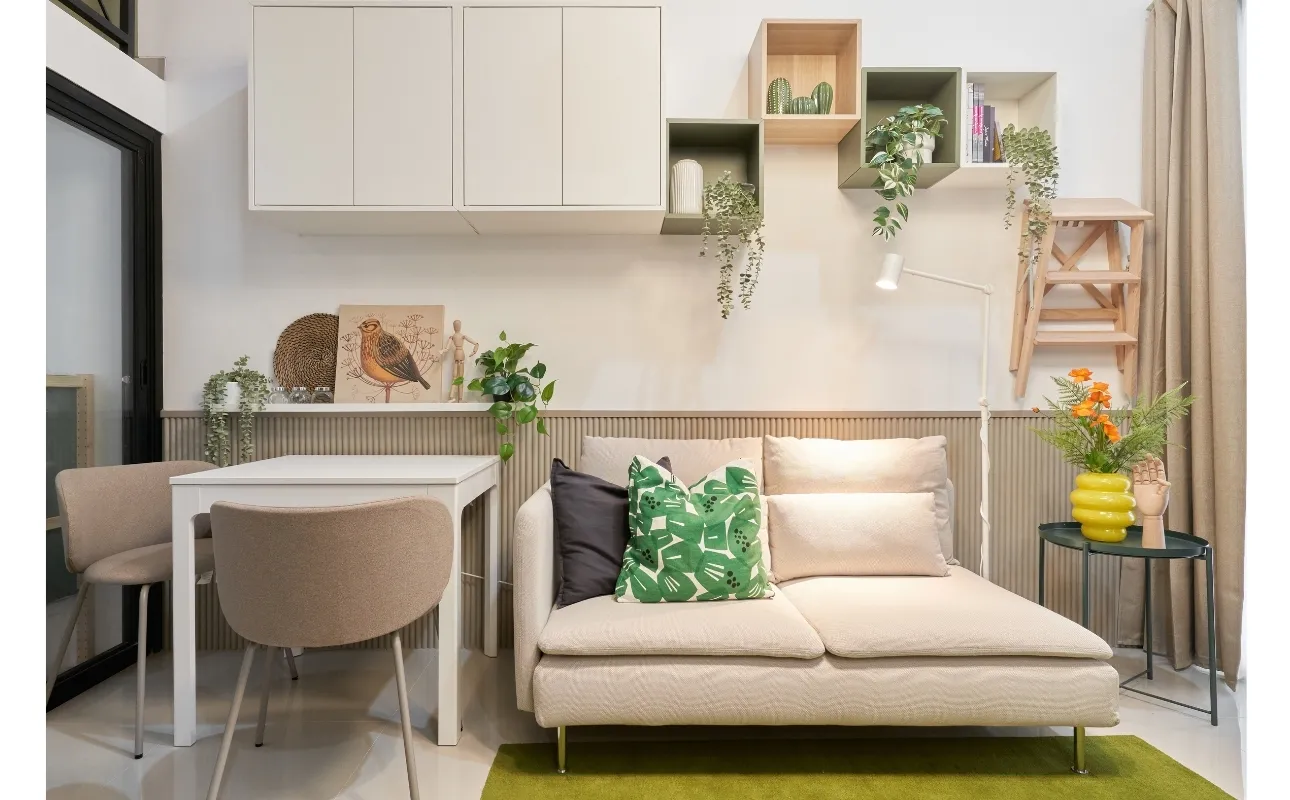
Caption: Example of white wall cabinets that blend with the wall color and sit close to other key furniture. They save space, support storage, and help the room look tidier even when several pieces share one area.
When the key furniture has a good place, the busy spots become easier to spot. The coffee table may collect too many things. The TV unit may show too many cables. The cushions and rug may not quite work together. A bedroom corner may slowly turn into a drop zone.
A room may start to feel less minimal when:
- Tables, shelves, or cabinets often hold too many small items
- Too many colors in one room do not feel connected
- Cables, remotes, papers, or daily items are always visible
- There is plenty of decor, but the room still does not feel calm
- Furniture looks good on its own, but feels busy together
- An area needs to be cleared before it can be used
These little things can make a room feel more crowded than it really is. They can also make the home look messy faster, even when there are not many items. A minimal look is not only about neutral colors or clean-lined furniture. It is also about giving the eye a little breathing room and making the space easier to use.
A few small changes can help.
Clear the surfaces you see most
The surfaces you notice first, like a small table, TV unit, nightstand, or cabinet, can start to feel busy when little things keep landing there. Remotes, cables, chargers, papers, or keys may seem small on their own, but when they are all out at once, the room can look more crowded than it really is.
To make tidying easier, give those small items a simple place close to where you use them. A tray, a small organizer like NOJIG, a lidded box like KUGGIS, a drawer, or closed storage can help keep the surface open for everyday use, cleaning, and a calmer view of the room.
Choose textiles and accessories in a close color palette
Textiles and accessories create a more connected room when cushion covers, rugs, curtains, bedding, lampshades, and storage boxes stay within two or three related colors. These are small pieces, but they are often the first colors you notice around a sofa, bed, or cabinet.
Start with calm tones that are easy to live with, like white, cream, light gray, light wood, or other natural shades. If the wall color already works with the main furniture, you do not need to repaint first. A few smaller updates can already make the room look more settled.
When the smaller colors sit well together, the main furniture looks more like one thoughtful setting. The room can stay simple, warm, and easier to enjoy every day.
Use furniture shapes that are easy to mix
Furniture shapes are easier to mix when sofas, tables, wardrobes, shelves, and cabinets have clean lines, simple fronts, and details that do not feel too busy. This helps a compact home look lighter without making every piece plain.
You can still keep one piece with a little more character, like a favorite chair color or a wood-textured cabinet. It just helps to let the other pieces stay quieter, so the room does not ask your eyes to look everywhere at once.
Once the surfaces are clearer and the colors feel closer, simple furniture shapes help the room stay calm from one corner to another.
Give small decor enough room
Small decor works better when plants, table lamps, cushions, rugs, and wall art have enough space around them. This gives each piece a clear place, so it can add warmth without making the room look full.
One plant near the window, one small lamp by the sofa, or one frame on the wall can already bring in a personal touch. When these details have room to breathe, they look more intentional and the room stays easy to use.
A more minimal look can start from what is already at home. Clear the surfaces, bring smaller colors closer together, keep furniture shapes simple, and let a few personal details have their own place.
Use storage, color, and light to keep rooms tidy
When the interior looks calmer, the next step is helping it stay that way. Focus on three small but useful things: storage for small items, accessory colors that work together, and lighting that supports each area.
This does not need to begin with repainting, renovating, or replacing every lamp. Start with things that are easier to adjust: storage boxes, baskets, drawers, curtains, bedding, cushions, rugs, and extra lamps only where they are needed.
A quick check before you start:
- Are small items still visible on tables, TV units, bedside tables, or the floor?
- Do storage boxes, baskets, curtains, rugs, and cushions work well together in color?
- Is window light blocked by furniture, stacked items, or heavy curtains?
- Are some areas too dim at night, such as the kitchen, work desk, or reading corner?
- Is the extra lamp the right size, or does it make the room feel crowded?
Use storage for small items that are easy to see
Storage is especially useful for small things that can quickly make a room look full: remotes, cables, chargers, papers, toys, keys, stationery, accessories, or small kitchen tools.
Start with the areas you notice most:
- Living room: storage boxes, drawers, or closed cabinets for remotes, cables, and small items
- Entryway: a slim shoe rack or closed cabinet so the floor stays easier to walk through
- Kitchen: spice racks, organizers, or a small tray so the worktop is ready to use
- Bedroom: drawers, baskets, or small boxes for accessories, chargers, and daily items
When storage is close and easy to reach, things are easier to put back. The room can look tidier without needing to start over every time.
Choose storage and accessory colors that work together
Color here does not mean you need to repaint the walls. Start with things that are easier to change, such as storage boxes, baskets, cushion covers, rugs, curtains, bedding, or lampshades.
For an easy base, try calm colors like:
- white
- cream
- light gray
- light wood
- rattan
- other natural tones
For example, neutral storage boxes can blend in with a TV unit. Cushions in similar tones can make a sofa look more pulled together. Bedding that works with the curtains can make a bedroom look calmer.
Make the most of window light before adding lamps
During the day, check whether natural light can enter the room easily. Large furniture, piles of items, or very heavy curtains can make a space look darker. Sheer curtains can help light come in while still giving some privacy.
At night, add lighting only where it helps:
- A small table lamp for a work desk, study table, or bedside table
- A slim floor lamp for a living room corner
- Task lighting in the kitchen for cooking or preparing food
- Warm lighting in a relaxing corner to make the space softer
To keep the look minimal, choose lamps with simple shapes and a size that suits the room. This way, the lamp is not just decor. It actually supports the activity in that area.
With storage for small items, accessory colors that feel connected, and enough light, a simple home can look tidy without needing too many extras. The space can still feel warm, just not full.
Add personality without clutter: plants, frames, lamps, and baskets
When storage, color, and light feel more settled, a minimalist home can still feel personal. Minimal does not mean plain, empty, or copied from a catalog. Your home can still have small things that feel close to your habits, memories, and the things you enjoy.
Personal touches can be many things: a cushion color you love, a plant you care for, a family photo, books you actually read, a rug for your favorite sitting spot, or a warm lamp in the corner where you like to unwind. The key is to give those details a place, so they do not make the room harder to use.
Ideas to try:
- A small plant in the living room or near a window
- Sofa cushions in a color or texture you like
- A small rug for a favorite sitting area
- Warm lighting in a relaxing corner
- A photo, print, or simple wall decoration
- A book, vase, or small object with a story
- A basket for blankets, toys, or everyday items
Small details that make a home feel more personal
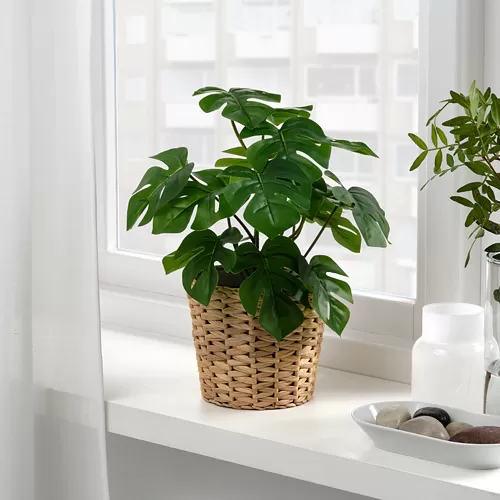
Small plant
FEJKA
- Recommended use
- place it on a table, shelf, or near a window
- Best for
- adding freshness without adding too much decor
- Keep in mind
- choose a pot that does not crowd the table or block the walkway
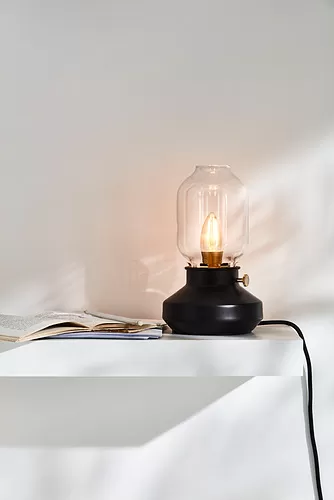
Table lamp
TÄRNABY
- Recommended use
- place it on a bedside table, work desk, or side table
- Best for
- adding soft light to a reading spot or quiet corner
- Keep in mind
- choose a size that keeps the tabletop easy to use
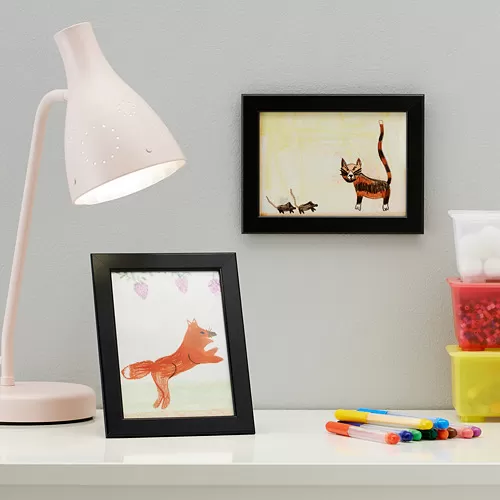
Photo or simple print
FISKBO
- Recommended use
- choose one or two photos or prints in matching tones
- Best for
- adding memories, hobbies, or a favorite visual style
- Keep in mind
- leave enough space so the wall still feels light
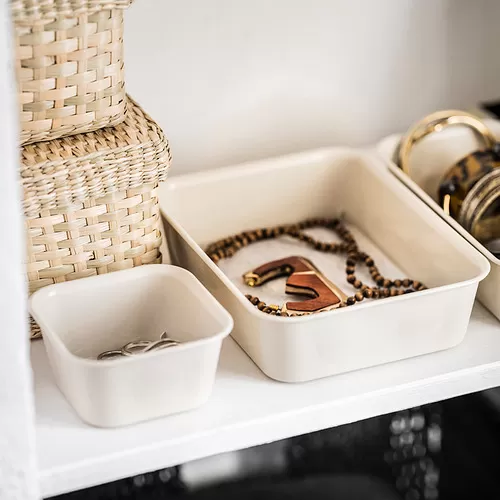
Decorative basket
NOJIG
- Recommended use
- use it for throws, toys, magazines, or cables
- Best for
- adding warmth while giving small items a place
- Keep in mind
- keep it near where the items are used, such as the sofa, shelf, or bedroom
Small changes that make home easier to live in
A simple, comfortable home can begin with the parts you use most: daily routines, clear zones, open walkways, helpful furniture, storage for small items, calmer colors, and light that supports each area.
In the living room, that might mean a sofa that fits the space, a small table that is easy to move, and closed storage for remotes, cables, papers, or other everyday items. In the bedroom, it could be a bed and wardrobe placed where they are easy to use, with enough room to walk, open doors, and keep daily things close by.
Once the main areas feel easier to use, you can add personal details little by little, such as plants, frames, lamps, or baskets.
The result does not have to feel perfect. It just needs to feel simple, warm, and right for the way you live each day.
Frequently asked questions about simple home design
Start with the layout, then find the right furniture