
Assembling a metal shelving unit does not have to be complicated if you understand the correct assembly sequence. By preparing all the components, following the assembly instructions, and ensuring every part is installed properly, your shelving unit can stand more securely and safely.
Read on for this complete guide to make the assembly process easier, neater, and less prone to mistakes.
A sturdy metal shelving unit starts with the correct assembly sequence: preparing all the components, assembling the frame, installing each shelf level one at a time, and tightening all the bolts once the frame is properly aligned.
How to assemble a metal shelving unit in the correct order
Assembling a metal shelving unit is much easier when done step by step in the proper sequence. Avoid tightening all the bolts at the beginning, as this can make it difficult to adjust the frame if some parts are not properly aligned.
As a general guideline, always follow the manufacturer's assembly instructions to ensure every component is installed correctly.
1. Prepare all the components and tools first
Before you begin assembling, remove all the components from the packaging and check that everything is complete. Make sure the frame, posts, shelves, bolts, nuts, and protective feet match the parts list.
Next, prepare the necessary tools, such as a screwdriver, wrench, or Allen key, depending on the type of metal shelving unit you have. Be sure to read the assembly instructions first so you understand the installation sequence and can avoid mistakes from the start.
2. Assemble the main frame first
The next step is to assemble the main frame by connecting the vertical posts and side frames. At this stage, tighten the bolts only enough to hold the frame together while still allowing adjustments if needed. This helps ensure all sides of the shelving unit remain properly aligned before everything is fully secured.
3. Install each shelf level gradually
Start by installing the bottom shelf to provide greater stability throughout the assembly process. Once one shelf level is installed, make sure it is level and properly aligned before moving on to the next. Repeat this process until all shelf levels have been installed.
4. Tighten all the bolts once the frame is aligned
After all the components have been installed, inspect every corner to ensure nothing is misaligned. Once the frame is properly positioned, tighten all the bolts gradually and alternately on each side. This technique distributes pressure evenly, making the shelving unit sturdier.
5. Make sure the shelving unit stands securely
Place the shelving unit on a level floor, then gently shake it to ensure there are no loose or shifting parts. If the unit still feels unstable, check the frame alignment and bolt tightness again before using it to store items.
Preparation before assembling a metal shelving unit
Proper preparation helps make the assembly process faster, safer, and less prone to errors. Besides ensuring all the components are complete, a comfortable work area also allows you to move more freely during installation.
1. Choose a spacious, level work area
Use an area with enough space to arrange all the components neatly. A level floor also helps ensure the frame remains properly aligned during assembly.
2. Sort the bolts by size
Separate the bolts, nuts, washers, and other small components according to their size or type. This simple step makes it easier to find the parts you need without searching through everything one by one.
3. Wear gloves if necessary
Some metal shelving components have sharp edges or corners. Wearing work gloves can help protect your hands from scratches while also providing a better grip when assembling the frame.
4. Check for damaged components
Before assembly begins, inspect every part to ensure there are no bent posts, dented shelves, or damaged bolts. If you find any damaged components, replace them before proceeding so the shelving unit can be used safely.
5. Keep the assembly manual
Once the shelving unit has been assembled, store the instruction manual in an easily accessible place. It will be useful if you ever need to disassemble, move, or reassemble the shelving unit in the future.
Tips to make your metal shelving unit sturdier after assembly
A properly assembled metal shelving unit still requires proper organization and regular maintenance to remain stable over the long term. Besides making sure all the bolts are securely fastened, the way you place items on the shelves also affects the unit's strength and safety during everyday use.
1. Place heavier items on the bottom shelf
Store the heaviest items on the lowest shelf to keep the center of gravity low. This helps reduce the risk of the shelving unit becoming unstable or tipping over, especially when storing a large number of items.
2. Distribute the weight evenly
Avoid placing all your items on one side of the shelving unit. Distribute the weight evenly across each shelf so the frame receives balanced pressure. In addition to improving stability, this also helps extend the lifespan of the metal shelving unit.
3. Tighten the bolts regularly
Over time, bolts may loosen slightly due to vibration or when the shelving unit is moved. Take the time to inspect and tighten all the bolts periodically to keep the connections secure and prevent the shelving unit from wobbling.
4. Secure tall shelving units to the wall
For tall shelving units, securing them to the wall helps improve safety, especially in homes with children.
IKEA also recommends anchoring furniture that could tip over by using the included safety fittings or hardware suitable for your wall type.
5. Avoid exceeding the shelf's weight capacity
Every shelving unit has its own maximum weight capacity. Always follow the product specifications and avoid storing items beyond the recommended limit, as this can cause shelves to bend, joints to loosen, or even increase the risk of the shelving unit collapsing.
Read also: 10 unique modern minimalist TV stands for small spaces
Common mistakes when assembling a metal shelving unit
Small mistakes during assembly can affect the strength and stability of your shelving unit. By recognizing the following common errors, you can avoid unnecessary disassembly and reassembly while keeping your shelving unit safe to use.
1. Not reading the assembly instructions
Many people begin assembling components without reading the instructions. However, each shelving model may have a different assembly sequence, so following the guide can help reduce the risk of mistakes.
2. Tightening the bolts too early
Fully tightening all the bolts at the beginning makes it difficult to adjust the frame if some parts are not properly aligned. It is better to tighten the bolts gradually after all the components have been installed.
3. Installing the shelves upside down
Some shelves or brackets have a designated top and bottom side. Installing them in the wrong orientation can make the shelving unit less stable or complicate the installation of the remaining components.
4. Placing heavy items on the top shelf
Storing heavy items on the top shelf raises the center of gravity, making the shelving unit less stable. Place heavier items on the bottom shelves and lighter items on the upper levels instead.
5. Placing the shelving unit on an uneven floor
An uneven or sloped floor can cause the shelving unit to wobble even if it has been assembled correctly. Always position the shelving unit on a stable, level surface before using it.
6. Ignoring wall anchoring for tall shelving units
Tall shelving units have a greater risk of tipping over if they receive uneven weight distribution or are pulled from the front. Therefore, installing wall anchors is an important step in improving everyday safety, especially in homes with young children.
IKEA metal shelving units that are easy to assemble
Choosing the right metal shelving unit not only makes assembly easier but also helps create a more organized and durable storage solution. IKEA offers several metal shelving series with practical modular designs that can be adapted to suit the needs of your home or workspace.
1. BROR for heavy-duty storage
The BROR series is designed for storage needs that require high durability. Its sturdy steel construction makes it suitable for use in garages, workshops, storage rooms, and other utility spaces.
Its modular system allows you to add shelves, cabinets, or other accessories as your storage needs grow. In addition, the design is intended to make assembly relatively easy, with components that can be expanded over time.
See more details in the image below:

2. HYLLIS for versatile storage
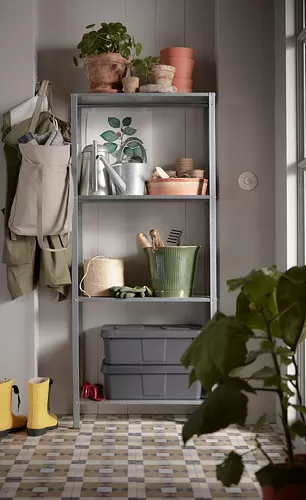
If you are looking for a metal shelving unit with a simple design, HYLLIS is a great option. Made from galvanized steel, it is resistant to moisture, making it suitable for protected indoor and outdoor areas.
Its minimalist design makes the assembly process straightforward while allowing it to blend easily with a wide range of interior styles.
See more details in the image below:
3. OMAR for kitchen and storage room organization
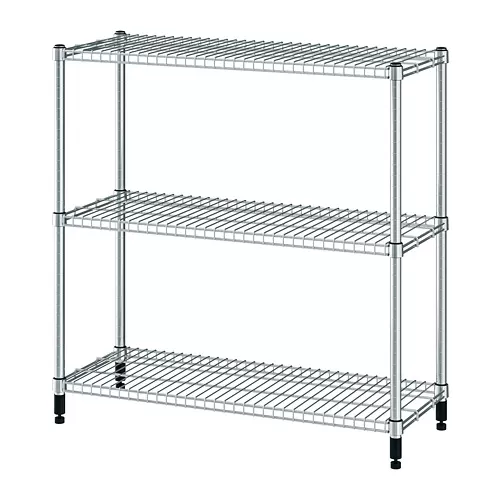
The OMAR series features wire shelves that promote good air circulation around stored items. It is ideal for organizing kitchen supplies, dry food storage, laundry rooms, or utility spaces.
See more details in the image below:
4. Pair it with BRANÄS storage boxes
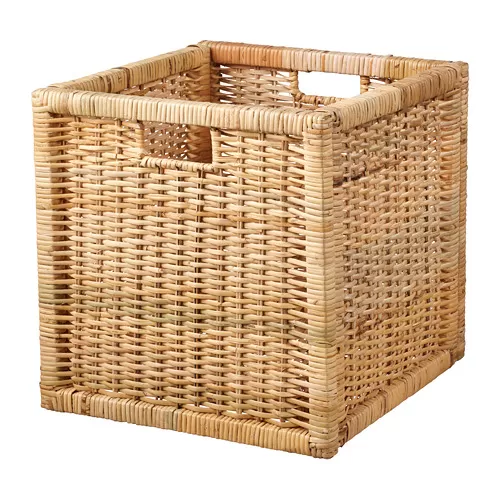
To keep your metal shelving unit even more organized, complement it with IKEA storage boxes or baskets such as BRANÄS. Grouping items by category makes them easier to find while reducing visual clutter on open shelving.
See more details in the image below:
Read also: Small but tidy kitchen: How to organize, design, and maximize storage without clutter
Create a tidy storage space with IKEA
Assembling a metal shelving unit becomes much easier when you follow the process step by step—from preparing the components, assembling the frame, and installing the shelves to making sure all the bolts are securely tightened.
In addition to following the correct assembly technique, placing items according to their weight and securing tall shelving units to the wall also helps keep them stable for long-term use.
IKEA.co.id offers a wide range of metal shelving units, modular storage systems, and organizational accessories that can be adapted to suit the needs of your home, garage, or workspace.
FAQ
Yes. Most metal shelving units can be assembled at home as long as you follow the assembly instructions, prepare the appropriate tools, and install each component in the correct sequence.
Tightening the bolts too early can make it difficult to adjust the frame if some parts are not properly aligned.
For tall shelving units or those used to store heavy items, securing the unit to the wall is highly recommended to reduce the risk of the furniture tipping over.
Place heavier items on the bottom shelf, distribute the weight evenly, avoid exceeding the recommended weight capacity, and inspect and tighten the bolts regularly to keep the shelving unit stable and durable.
You can download the assembly instructions again from the product page on the official IKEA website. The instructions are available in PDF format, making it easy to assemble or reassemble your product.