Cooking is not just about preparing ingredients until they are ready to serve. It is also about creating delicious and appetizing dishes. The choice of ingredients, the use of appropriate cookware, and the right cooking methods all contribute to the final result.
Each dish requires a different approach to maintain its optimal flavor, aroma, texture, and appearance. Therefore, it is important to understand which cooking techniques are best suited to different ingredients and dishes.
To learn more about cooking techniques, explore the following guide to discover the types of cooking techniques used by professional chefs, along with recommendations for kitchen equipment that can help you cook at home.
The right cooking technique can help you achieve the desired flavor, texture, and level of doneness. Use appropriate cookware and follow the recommended cooking temperatures and times to achieve the best results.
Why are cooking techniques important?
The right cooking techniques help you achieve the desired flavor, aroma, texture, and level of doneness. Each method produces different results, so it is important to choose one that suits the ingredients and the characteristics of the dish you want to prepare.
Choosing the right cooking technique also helps preserve ingredient quality, control oil usage, and ensure that food cooks evenly.
Types of moist-heat cooking techniques
Moist-heat cooking techniques use water, other liquids, or steam to transfer heat to food. These methods are suitable for preparing tender dishes while maintaining the moisture content of the ingredients throughout the cooking process.
1. Boiling
Boiling is a cooking technique that involves submerging food in liquid heated to its boiling point, typically around 100°C (212°F) at normal atmospheric pressure. This technique is suitable for cooking pasta, eggs, potatoes, and various types of vegetables.
2. Simmering
Simmering is a cooking technique that involves cooking food in liquid maintained just below its boiling point, typically around 85–96°C (185–205°F), depending on the conditions and type of liquid.
The small bubbles that form gradually help cook the ingredients evenly without the vigorous movement caused by a rolling boil.
3. Poaching
Poaching is a cooking technique that involves cooking food in liquid at a relatively low temperature, generally around 70–85°C (158–185°F), without bringing it to a vigorous boil. This method is suitable for eggs, fish, and boneless chicken because it helps preserve their tender texture.
4. Steaming
Steaming uses heat from water vapor to cook food without submerging it in water. This technique is suitable for fish, vegetables, chicken, and cake batters that benefit from a moist cooking environment.
5. Blanching
Blanching is a technique that involves briefly heating food in boiling water or steam as a preparation step before further processing.
This method helps loosen the skins of certain ingredients, preserve the color of vegetables, and deactivate enzymes before freezing.
Read also: How to use an electric oven for perfect cooking results
Types of dry-heat cooking techniques
Dry-heat cooking techniques use hot air, a heated cooking surface, or oil to transfer heat to food.
These methods are commonly used to create browned surfaces, crispy textures, and distinctive aromas through roasting, baking, or frying. Here are the different types of dry-heat cooking techniques.
1. Sautéing
Sautéing is a cooking technique that uses a small amount of oil over medium to high heat for a relatively short period. Ingredients are usually cut into small or thin pieces to help them cook quickly and develop a browned surface.
2. Stir-Frying
Stir-frying involves cooking small pieces of food in a small amount of oil over high heat while stirring continuously.
This method is widely used in Asian cuisine to cook vegetables quickly while preserving their crisp texture.
3. Shallow-Frying
Shallow-frying is a technique that involves frying food in enough oil to partially cover its surface. The food needs to be turned during cooking to ensure that both sides cook evenly and develop a golden-brown color.
4. Deep-Frying
Deep-frying is a cooking technique that involves completely submerging food in hot oil. This method produces a crispy outer layer and a cooked interior, making it suitable for dishes such as fried chicken, French fries, and tempura.
5. Baking
Baking is a cooking technique that uses dry heat inside an oven to cook food gradually. This technique is commonly used to prepare bread, cakes, pastries, and other dishes made from dough or batter.
6. Roasting
Roasting is a dry-heat cooking technique, usually performed in an oven, that creates a browned surface and enhances the food's aroma. This method is commonly used for whole chickens, large cuts of meat, and vegetables such as potatoes and carrots.
7. Grilling
Grilling is a cooking technique that uses direct heat from a heat source located beneath or near the food. This technique creates distinctive grill marks and is suitable for meat, fish, chicken, and vegetables.
8. Broiling
Broiling uses direct heat from a heating element positioned above the food, typically in an oven with a broil function. This technique is suitable for browning the surface of dishes, melting cheese, or cooking thin cuts of fish and meat.
9. Dry-Roasting
Dry-roasting is a cooking technique that involves heating food in a dry pan or cooking vessel without adding oil. This method is commonly used for spices, seeds, nuts, and coconut to enhance their aroma and flavor.
Combination cooking techniques for tenderizing ingredients
Some cooking techniques combine dry heat and moist heat to create more tender and flavorful dishes.
These methods generally begin by browning the ingredients before continuing with slow cooking in liquid. Here are two combination cooking techniques used to tenderize ingredients.
1. Braising
Braising is a cooking technique that begins by browning the ingredients before slowly cooking them in a small amount of liquid in a covered pot.
This technique is suitable for cuts of meat with a high amount of connective tissue because prolonged cooking helps break down the tissue and produce a more tender texture.
2. Stewing
Stewing is a cooking technique that involves slowly cooking small pieces of food in seasoned liquid for a relatively long period. This method produces flavorful, saucy dishes with tender ingredients, such as beef stew and various traditional stews.
Recommended cookware from IKEA
The right cookware can help you apply different cooking techniques more conveniently. IKEA offers a range of kitchen equipment for steaming, frying, roasting, and preparing dough to suit your everyday cooking needs.
Here are some recommendations.
1. KLOCKREN bamboo steamer
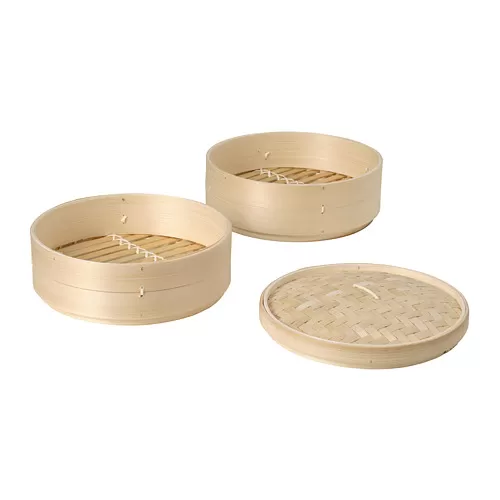
The KLOCKREN bamboo steamer can be used to cook vegetables, fish, chicken, and dumplings using hot steam. Its two-tier design allows you to cook several ingredients at once or keep different dishes separate during the cooking process.
The bamboo material gives your kitchen a warm, natural look. This steamer is a practical choice if you want to try steaming at home.
2. VARDAGEN frying pan
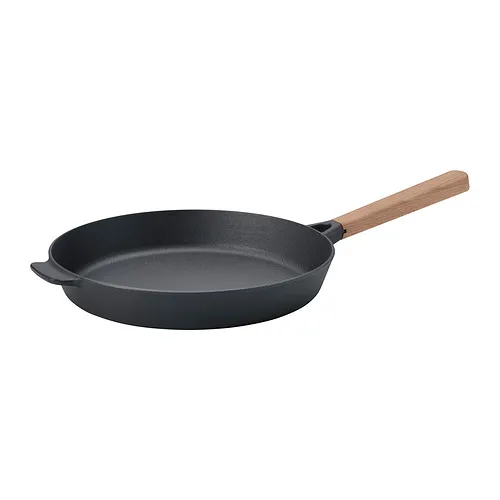
The VARDAGEN frying pan is made of cast iron, which helps distribute heat evenly and retain it for extended periods.
These properties make it suitable for frying and cooking ingredients to the desired level of doneness.
The pan can be used on various types of stovetops, including induction cooktops. Its thick base and walls help maintain a stable temperature throughout the cooking process.
3. VARDAGEN pot with lid
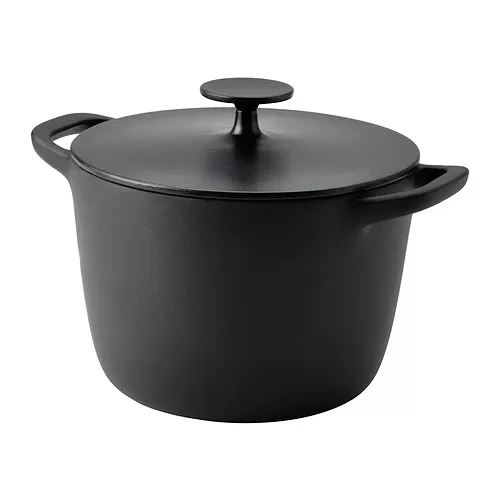
The VARDAGEN pot with lid is made of enameled cast iron, which distributes and retains heat evenly. It is suitable for slow-cooking methods such as braising and stewing, as well as preparing casseroles.
The lid helps retain moisture inside the pot, keeping food moist during cooking. The pot can also be used in the oven and on various types of stovetops, including induction cooktops.
4. GUBBRÖRA rubber spatula
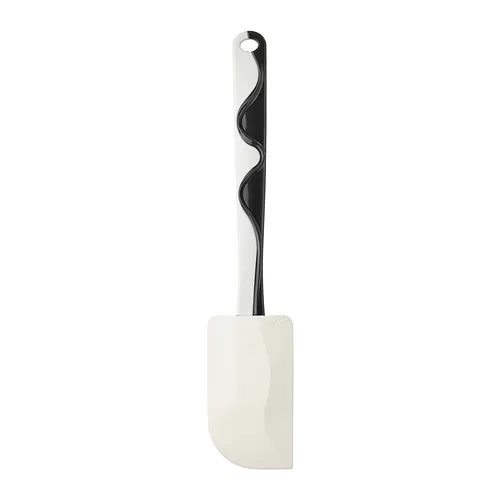
The GUBBRÖRA rubber spatula helps scrape leftover batter or flour from the inside of a mixing bowl. Its shape is also practical for spreading icing on cakes or applying sauce to dishes.
This utensil is useful when preparing cake batter, mixing ingredients, or making sauces. It can be hung on a hook for easy access whenever needed.
5. LÄTTVIKTIG oven dish
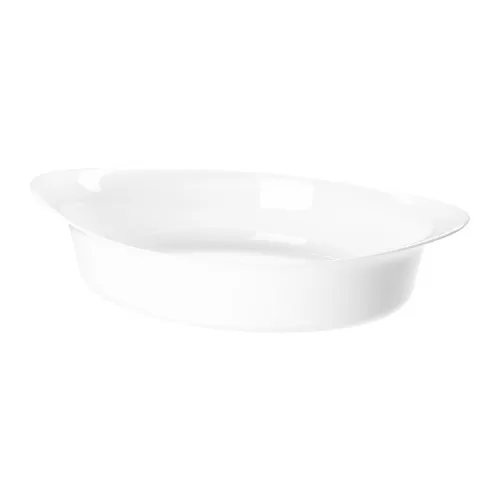
The LÄTTVIKTIG oven dish is made of tempered glass designed for strength and durability. It can be used for cooking and serving, allowing you to bring dishes directly to the dining table.
Its lightweight design makes it easier to handle and clean after use. The dish is also dishwasher- and microwave-safe when used according to the product instructions.
Read also: 15 must-have kitchenware for home chef
Choose the right cooking technique for the best results
Understanding different cooking techniques helps you choose the right method based on your ingredients, available time, and desired results.
From boiling to roasting, each technique can produce different characteristics in food when applied correctly. To make cooking at home more convenient, IKEA offers a variety of kitchen equipment to suit your needs.
Visit IKEA.co.id to find the right cookware and create delicious meals with greater ease.
FAQ
Cooking techniques refer to specific ways of preparing food, such as sautéing or steaming. Cooking methods are often used as a broader term to describe approaches to food preparation, including classifications based on the medium used to transfer heat.
The doneness of meat can be determined by its internal temperature, cooking time, and the characteristics of the cut. Use a food thermometer to check the temperature at the thickest part of the meat for more accurate results and safer consumption.
Oil temperature affects how quickly food cooks, as well as its color and texture. Oil that is too cool can cause food to absorb more oil, while excessively high temperatures can burn the exterior before the interior is fully cooked.
Allowing meat to rest after cooking gives the juices time to redistribute throughout the tissue. This helps reduce the amount of juice lost when the meat is cut, resulting in a juicier texture.
Check the material, maximum temperature rating, and usage instructions provided by the manufacturer. Not all cookware is designed to withstand oven heat, especially products with plastic handles, wooden components, or coatings that are sensitive to high temperatures.