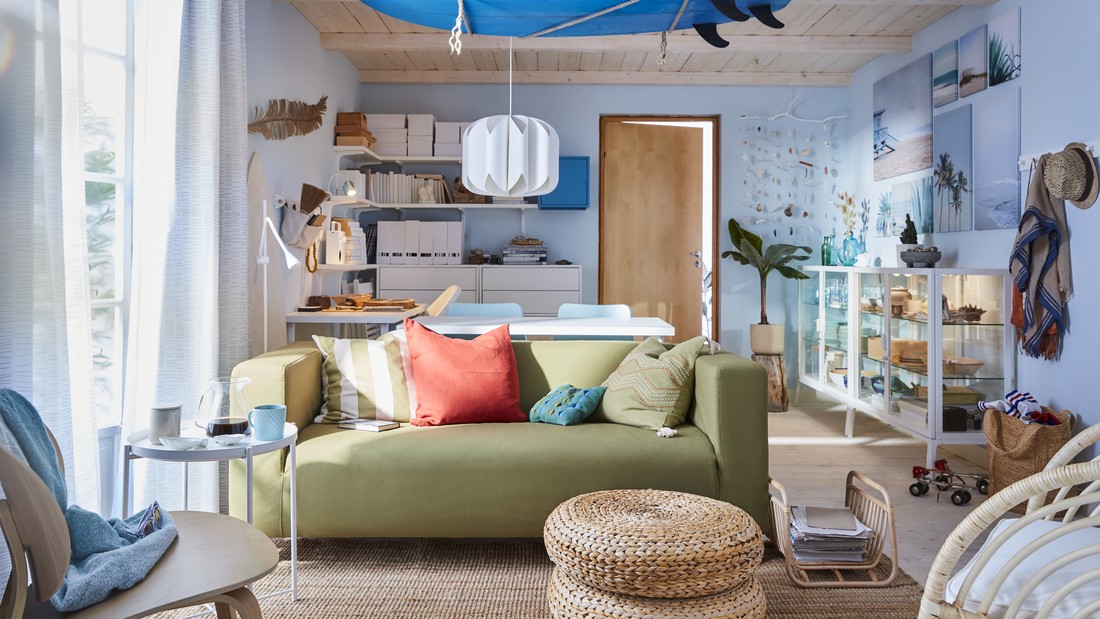
The living room is an important part of the home, whether you use it to welcome guests, relax after a long day or spend time with family. Creating an aesthetic living room should therefore be about more than appearance. Comfort and everyday function matter just as much.
You do not need to fill every surface with decoration to create a beautiful interior. A well-proportioned sofa, coordinated colours, comfortable textiles, rugs, lighting and a few personal details can transform the atmosphere of a room.
With thoughtful styling, even a minimalist living room can feel distinctive, comfortable and inviting enough to make both family and guests want to stay longer.
What Makes a Living Room Feel Aesthetic and Comfortable?
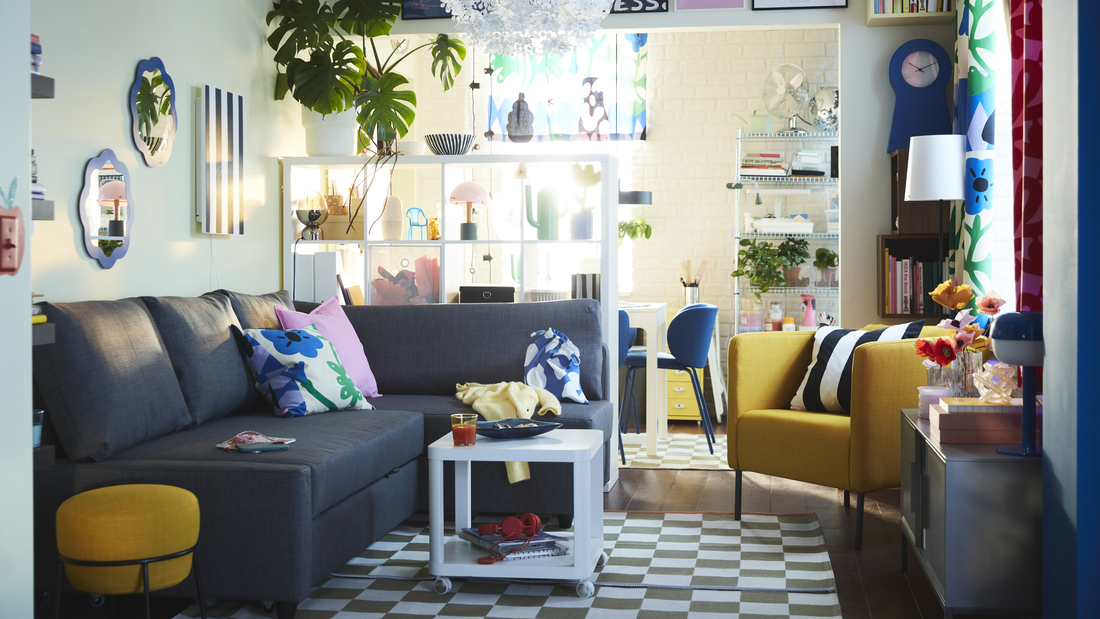
An aesthetic living room does not need to be filled with decoration. Begin with the main elements, such as your sofa and room colours, then gradually introduce rugs, lighting, textiles, plants or wall decoration. Leave enough open space for individual pieces to stand out. With a balanced combination of colour, texture, lighting and furniture that suits the way the room is used, your living room can feel more comfortable, personal and inviting for both family and guests.
A comfortable aesthetic living room usually has a clear visual relationship between its colours, furniture, textures, lighting and decorative details.
Begin by deciding what kind of atmosphere you want. Neutral colours and natural materials can create a calm and relaxing mood. Brighter colours can make the room feel playful, while grey, brown, metal and textured surfaces can add an industrial character.
Room size and circulation should also guide your furniture choices. Sofas, chairs, coffee tables and shelving should support everyday activities without blocking movement.
A successful interior does not have to follow a single trend. What matters is how the elements work together to make the room functional, visually balanced and enjoyable to use.
1. Use Neutral Colours as a Decorating Canvas
White, cream, beige and light grey are flexible starting points for an aesthetic living room. Neutral colours make it easier to change accessories and allow furniture or accent pieces to stand out.
A white wall, for example, can provide a clean background for a beige sofa, timber coffee table or colourful artwork.
To prevent a neutral interior from feeling monotonous, introduce colour through cushions, rugs, vases or wall decoration. Repeating one or two accent colours throughout the room can strengthen its visual character without making the design feel busy.
2. Make the Sofa the Main Focal Point
As one of the largest pieces of furniture in the room, the sofa naturally has a strong impact on the overall interior.
Choose a minimalist IKEA sofa that suits the size of the space. Cream and beige upholstery can create a soft and warm appearance, while a grey or colourful sofa can become a stronger visual focal point.
Consider shape, proportions, seat depth and comfort as well as colour. An aesthetic room will feel more successful when the main furniture also supports the way you actually relax, socialise and spend time at home.
3. Layer Cushions and Textiles for Colour and Texture
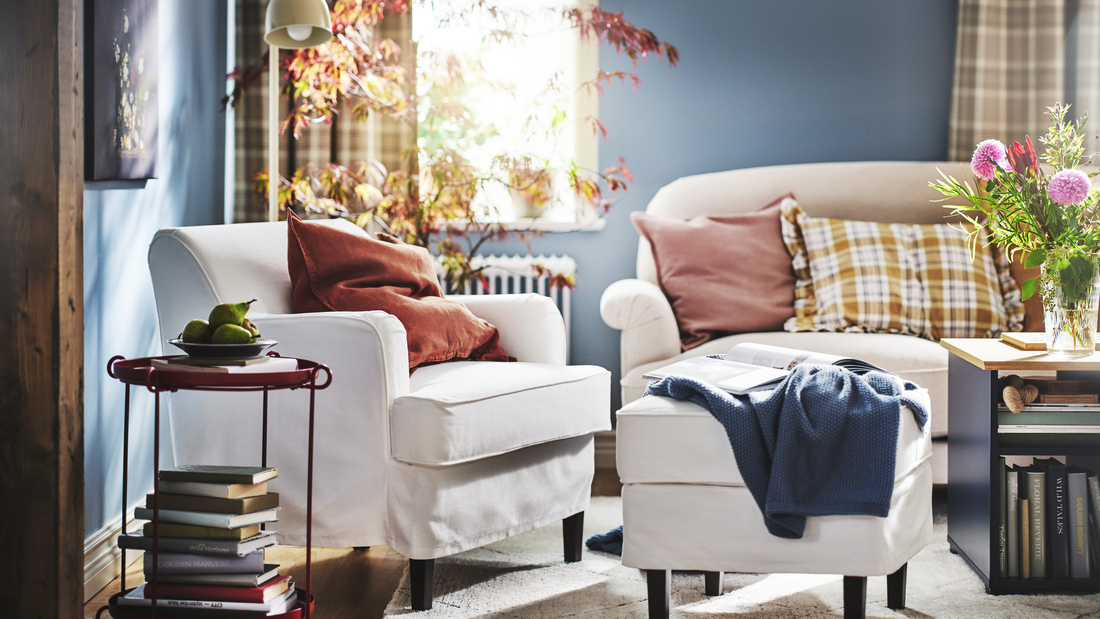
Changing cushions is a simple way to refresh living room decor without replacing the main furniture.
Choose sofa cushions in two or three related colours. A beige sofa, for example, can work well with cream, soft brown, olive or muted accent colours.
Texture adds another layer of visual interest. Combine smooth fabrics with woven or tactile surfaces rather than relying on many different patterns.
These small details can make a modern minimalist living room feel warmer, softer and more personal.
4. Use a Rug to Connect the Seating Area
A rug can visually bring sofas, chairs and tables together while making the seating area feel more comfortable.
Choose a living room rug that is proportionate to the furniture. Where possible, allow at least the front legs of the sofa and chairs to sit within the rug area.
A textured or subtly patterned rug can add interest to a neutral interior. If the room already contains several strong colours, a simpler rug may help maintain visual balance.
Rugs are also useful for defining the living area within an open-plan home.
5. Create Atmosphere with Layered Lighting
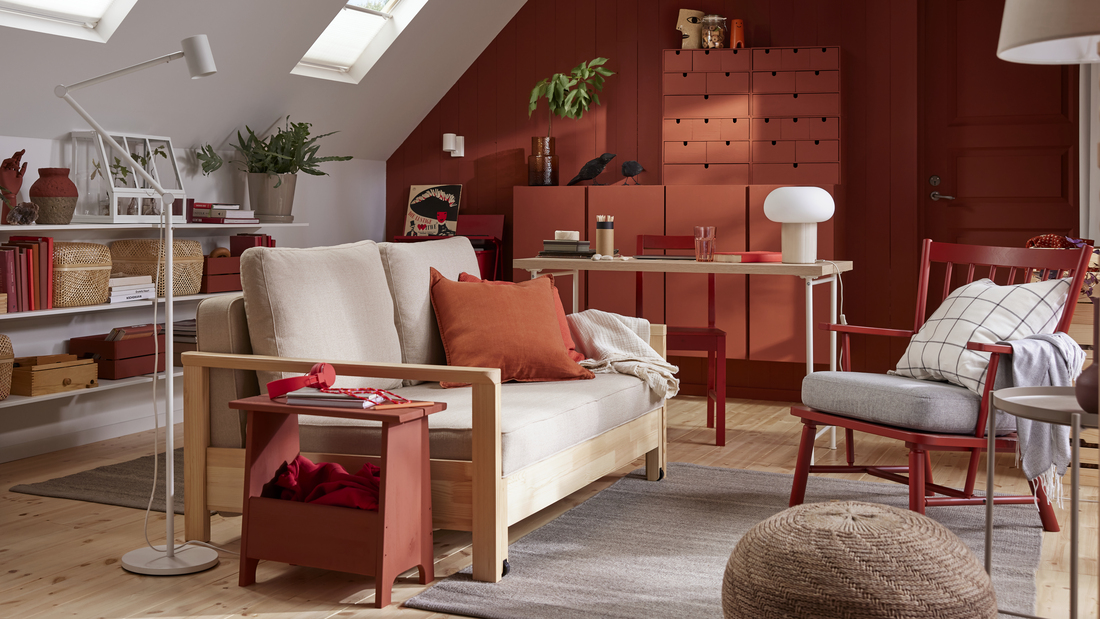
Good living room lighting rarely comes from a single source.
During the day, maximise natural light from windows and use lightweight curtains to soften brightness without making the room feel enclosed.
In the evening, combine general lighting with floor lamps, table lamps or pendant lighting.
Warmer illumination can create a calmer and more intimate atmosphere, while the shape of the lighting fixture itself can become part of the room decor.
Layering several types of lighting also gives you greater flexibility for activities such as reading, relaxing or entertaining guests.
6. Personalise the Walls with Artwork and Frames
Not every wall needs to be covered in decoration. Choosing one focal wall can create a clearer and more intentional interior.
Display artwork, photographs or posters that connect with the colours already used in the room. A collection of frames can add personality, but leave enough spacing between items to avoid visual clutter.
In a minimalist living room, one larger piece of artwork can also create a strong impression without requiring many accessories.
Related read: Simple and minimalistic living room wall decoration ideas for more ways to personalise your walls.
7. Decorate with Mirrors to Create a More Open Impression
Mirrors can work as decorative features while reflecting the available light around a room.
In a compact living room, position a mirror where it can catch daylight from a nearby window. The reflection can create an impression of greater depth and make the visual space feel more open.
Mirror shape and framing can also reinforce the style of the room. Simple frames suit modern minimalist interiors, while more detailed designs can add classic, industrial or elegant character.
Avoid using too many large mirrors at once so the room can maintain a clear focal point.
8. Style Shelves Instead of Filling Them
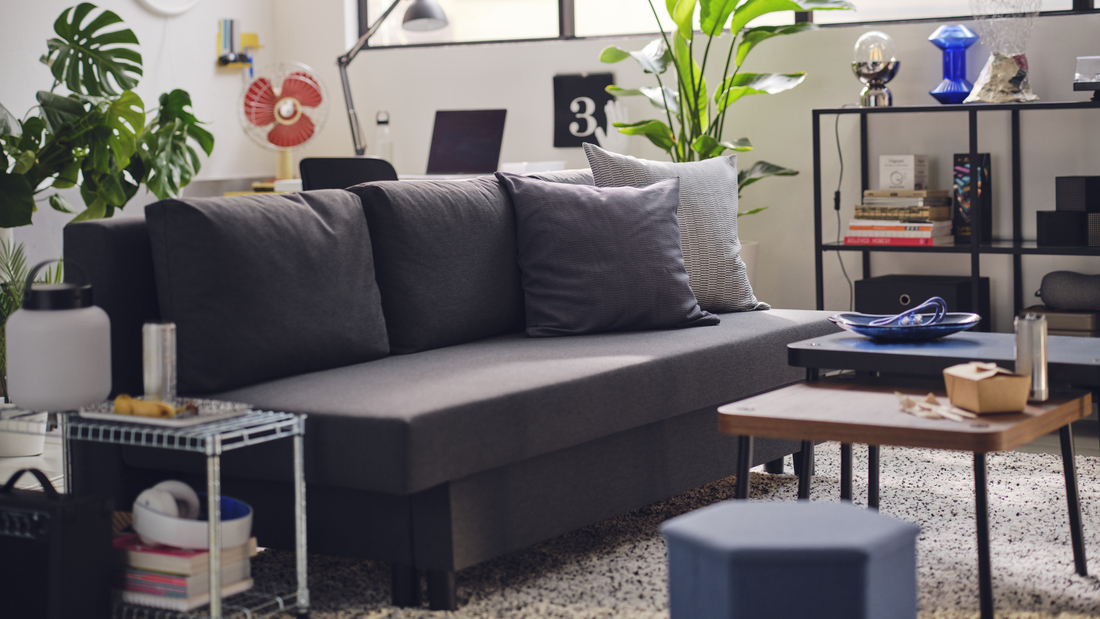
Shelving can provide storage and decoration at the same time when objects are arranged thoughtfully.
Use shelves or wall-mounted storage to display a limited selection of books, vases, small plants, photographs or meaningful personal pieces. Vary the height and shape of the objects for a more natural composition.
Leave some intentional empty space rather than filling every shelf.
This approach keeps the room functional while allowing individual pieces to stand out. In smaller homes, wall shelves can also make use of vertical space without taking up additional floor area.
9. Introduce Natural Details with Plants and Texture
Natural elements can make a living room feel fresher and more relaxed.
Place greenery near windows, on shelves or in an unused corner. If you prefer an easier-care option, IKEA artificial plants can provide a similar decorative effect.
Combine greenery with timber, woven baskets, tactile fabrics and shades of brown or beige.
These textures add depth and character to an interior even when the overall colour palette remains simple. The result can feel natural, warm and welcoming without requiring excessive decoration.
10. Keep the Decoration Light in a Small 2x3 Living Room
A small living room benefits from careful furniture proportions and sufficient open space.
Choose a compact sofa, lightweight coffee tables and side tables, and wall storage to keep more of the floor visible. Multifunctional furniture can also reduce the number of separate pieces you need.
Select one focal point, such as the sofa, rug or artwork, and keep the remaining decoration relatively restrained.
Light wall colours, sheer curtains, mirrors and good lighting can create a more open visual impression, while clear circulation makes the room more comfortable to use.
Related read: Minimalist living room decoration for small homes.
How to Decorate a Living Room Without Making It Feel Cluttered
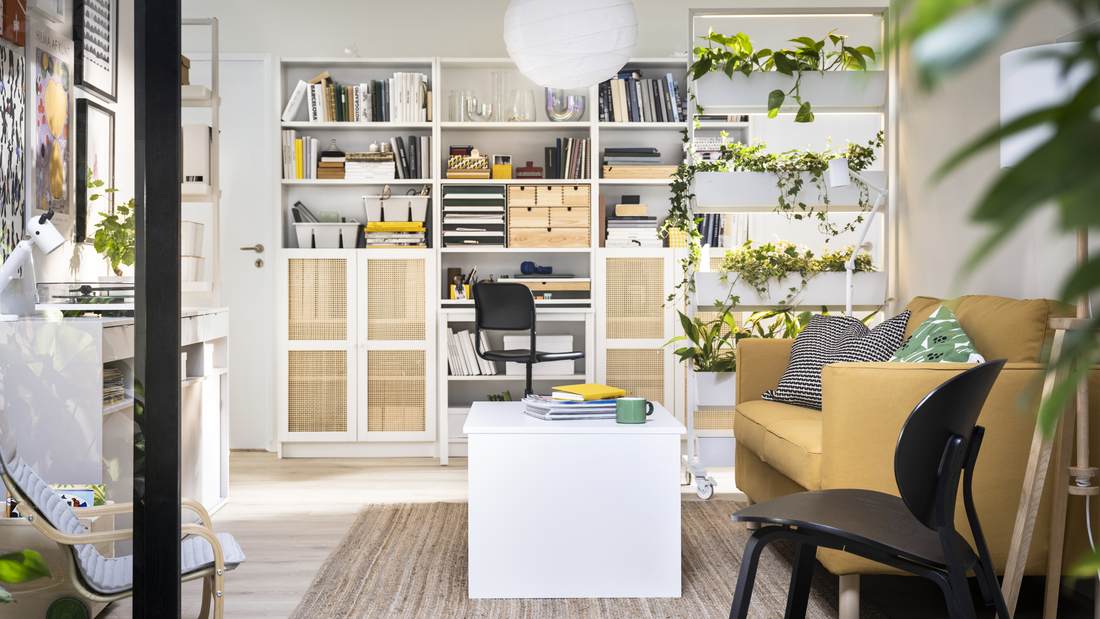
Begin with a main colour palette so that your furniture and decoration share a consistent visual direction. Then choose one focal point, such as the sofa, rug, pendant light or artwork.
Avoid filling every wall, table, shelf and corner. Empty space gives the eye somewhere to rest and helps important pieces stand out.
Repeat one or two accent colours in different parts of the room to create continuity. Vary the height and texture of decorative objects so arrangements feel natural rather than overly symmetrical.
In smaller interiors, prioritise decorative pieces that also perform a function, including lamps, shelving, tables, storage baskets and mirrors.
If you are looking for guidance focused more on layout, furniture selection and overall design concepts, related read: Modern minimalist living room design ideas.
Create an Aesthetic and Comfortable Living Room with IKEA
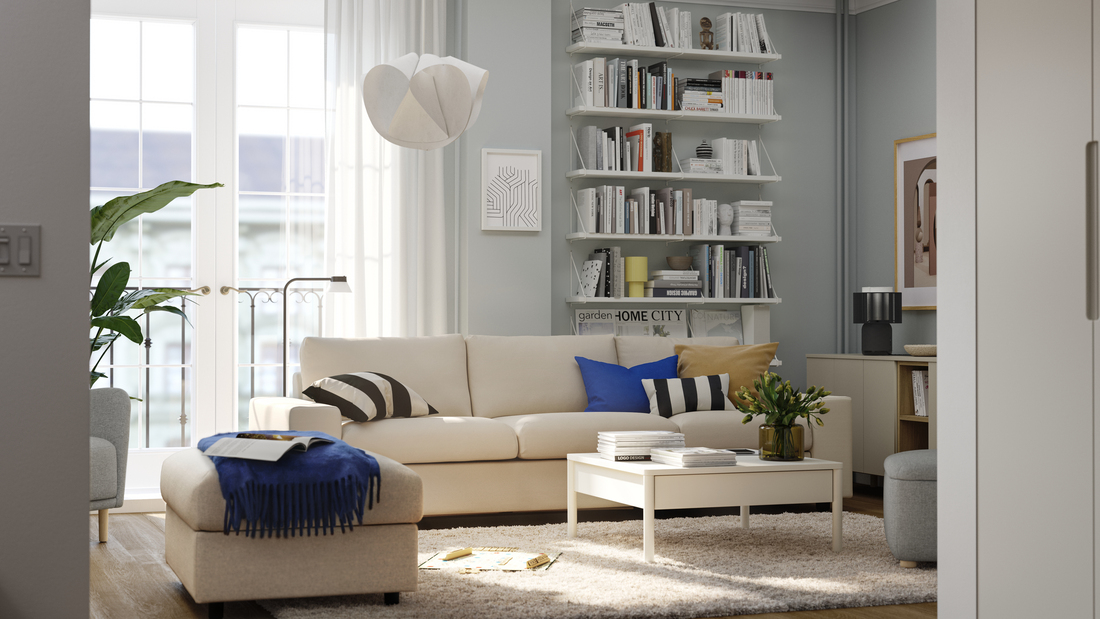
Creating an aesthetic living room can begin with simple changes that reflect the character and needs of your home.
Explore IKEA's selection of minimalist sofas, coffee tables and side tables, living room rugs, sofa cushions and floor lamps to create an atmosphere that suits your living space.
Complete the room with shelves, greenery and meaningful decorative details that strengthen its character without making it feel crowded.
If you need additional help coordinating furniture, colours, lighting and layout, the IKEA interior design service can help you create a living room solution that better suits your home and everyday needs.
FAQ About Aesthetic Living Rooms
An aesthetic living room usually has a balanced relationship between colour, furniture, lighting, texture and decorative details. Furniture proportions, a clear focal point and personal items can create character without requiring the room to follow one specific design trend.
White, cream, beige, light grey and soft brown are versatile base colours. You can introduce olive, blue, terracotta or other accent colours depending on the atmosphere you want to create.
Start with smaller changes such as rearranging the furniture, replacing cushion covers or introducing a rug, lamp, plant or artwork. These updates can noticeably change the visual character of a room without replacing major furniture.
Choose a compact sofa, proportionate tables and vertical storage. Use light colours, natural light, sheer curtains and a limited number of decorative pieces. Keep circulation paths clear so the room feels more open and comfortable.
Rugs, cushions, plants, mirrors, artwork, vases, wall shelves and decorative lighting can all work well. Choose a limited number of pieces with related colours or textures to maintain a clean overall appearance.
Maximise natural daylight during the day, then use several lighting sources in the evening. Combining general lighting with a floor or table lamp can create a warmer, softer and more flexible atmosphere.