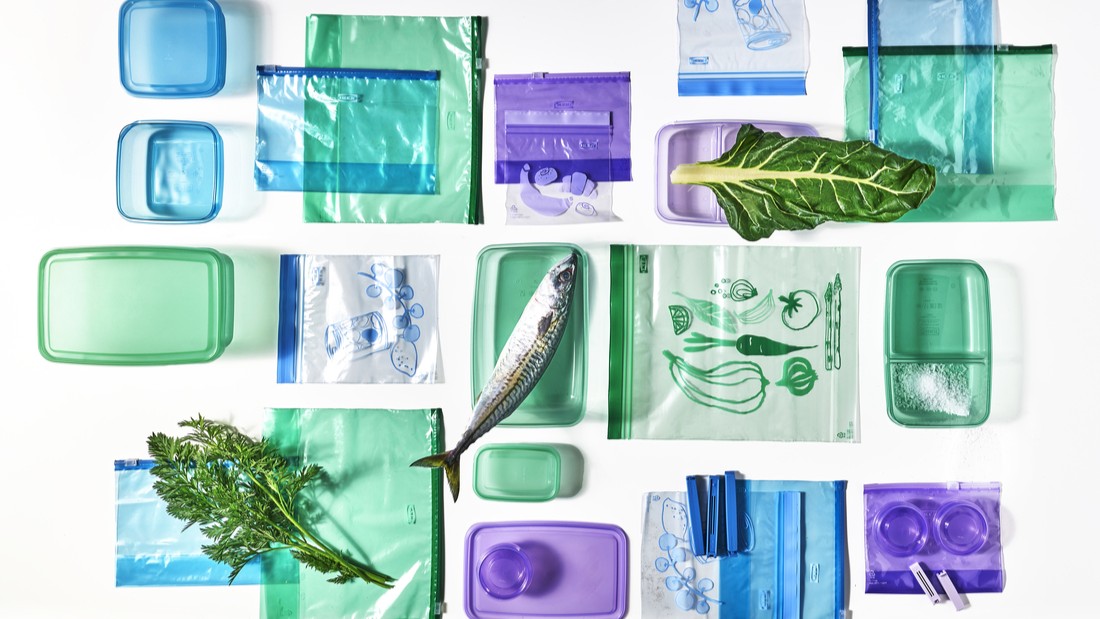
Choosing containers for everyday use involves more than just considering their design, price, or durability. There are several other factors to consider, especially the materials used and their potential impact on health.
Product labels can help consumers make more informed decisions before purchasing or using a product. So, what should you know about BPA-free products, potential health risks, and how to choose safe products? Let’s explore the details below.
Good to know: BPA is a chemical substance whose use in food-contact materials has been evaluated by various organizations, with findings and assessment approaches that may differ.
What is BPA-free?
The “BPA-Free” label means that a product does not use Bisphenol A (BPA) in its materials. This label is commonly found on water bottles, food containers, tableware, and products that come into contact with food or beverages.
Bisphenol A, or BPA, is an industrial chemical that was widely used in the production of polycarbonate plastics and epoxy resins.
These materials are known for their strength and heat resistance, while epoxy resins are also used as coatings on the inside of some food and beverage cans.
Why is BPA considered a health concern?
Concerns about BPA have emerged because the substance can migrate from certain materials into food or beverages under certain conditions.
Several scientific organizations have also assessed the potential effects of BPA on the hormonal system and certain bodily functions, although the level of certainty varies depending on the specific health effect. Here is an explanation:
1. As an endocrine disruptor (estrogen-like activity)
BPA has activity that can resemble estrogen and interact with the body’s hormonal system. This characteristic has led BPA to be studied as an endocrine disruptor that may affect the balance of the endocrine system.
Disruption of the hormonal system is one of the reasons BPA exposure continues to receive attention. Its effects may vary from person to person depending on the level and pattern of exposure, as well as individual factors.
2. Potentially increasing the risk of reproductive problems
BPA exposure has been studied in relation to various reproductive functions through hormonal mechanisms. Some studies have reported associations between BPA exposure and changes in reproductive function in women.
These findings do not mean that BPA directly causes reproductive problems in every individual. The potential risk should be understood based on the overall body of scientific evidence, level of exposure, and other health factors.
3. Potential effects on child development
Fetuses and children receive particular attention in discussions about BPA because their bodies are still undergoing growth and development.
Research on BPA exposure during early life continues to examine its potential effects on neurological development and bodily functions.
Therefore, choosing BPA-free products can be one way to reduce unnecessary exposure. This is particularly relevant for bottles, food containers, and utensils used by children.
4. Potential links to chronic diseases
BPA has also been studied for its potential links to metabolic disorders, immune system function, inflammation, and certain chronic diseases. However, these associations do not mean that BPA exposure will necessarily cause disease in every individual.
Evidence regarding some health effects is still being researched and evaluated by scientific organizations. In 2023, EFSA established a much lower tolerable daily intake (TDI) for BPA following its latest risk assessment.
Read also: Food and beverage packaging, is plastic or glass safer?
How to choose safe BPA-free products
Choosing a product labeled BPA-free involves more than simply looking at its appearance. Check the label, material, product condition, and usage instructions to ensure that the container is suitable for your everyday needs.
Here are some ways to choose the right product:
-
Look for a clear “BPA-Free” label.
-
Check the recycling symbol and make sure the material is suitable for food contact.
-
Choose products labeled microwave-safe or heat-resistant if needed.
-
Avoid containers that are scratched, cloudy, deformed, or have a strong plastic odor.
-
Purchase from trusted sellers and check for certifications or product safety information when available.
-
For drinking bottles and food containers, prioritize products designed for food-grade use.
How to reduce BPA exposure in everyday life
In addition to choosing BPA-free products, how you use them can also help reduce exposure from various sources. Several simple steps can be adopted without having to completely change your household habits.
1. Replace damaged containers and wash your hands regularly
Avoid reusing single-use containers to store food for extended periods. Choose BPA-free containers or alternative materials such as glass for food storage, especially if a plastic container has become scratched.
Wash your hands after handling receipts or thermal paper to reduce exposure from these sources. Damaged containers should also be replaced promptly to ensure they remain suitable for use.
2. Avoid heating plastic and reduce canned foods
To reduce exposure from packaging, transfer food to a glass or ceramic container before heating it. Always follow the product’s usage instructions because a microwave-safe label does not necessarily mean that every part of the container is safe to heat in the same way.
Reducing your consumption of canned foods may also be an option if you want to limit potential BPA exposure. Fresh or frozen foods, as well as foods packaged in glass, can be practical alternatives.
3. Avoid thermal paper
Minimize direct contact with thermal paper, such as by choosing an e-receipt when available. Household cleanliness is also important because BPA can be found in dust from various environmental sources.
Wash fruits and vegetables before eating them to maintain food hygiene. Prioritize replacing children’s drinking bottles and food containers, avoiding heat exposure to plastic, and choosing suitable packaging alternatives.
BPA-free food and drink container recommendations from IKEA
IKEA offers various food and beverage containers for storage, packed meals, and travel. Here are some recommendations:
1. IKEA 365+ food container
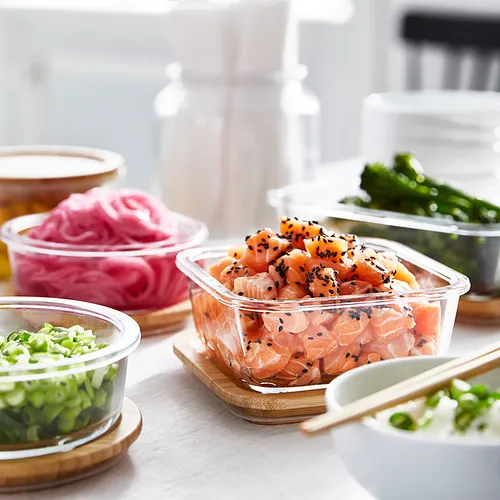
IKEA 365+ food container is available with a glass container and a tightly fitting bamboo lid to help keep food fresh.
The glass is heat-resistant and can be used in the oven and microwave according to the instructions. It also does not easily absorb food odors or colors.
Some sizes are suitable for storing food in the refrigerator or for cooking and reheating food. The bamboo lid should be washed by hand and should not be placed in the freezer.
2. HAVSTOBIS Food Container
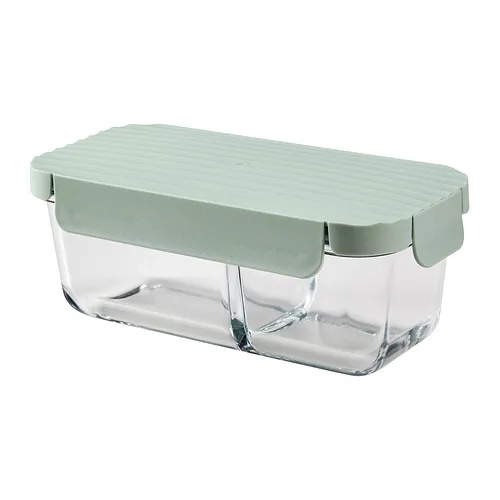
HAVSTOBIS features two compartments for separating different foods, making it practical for packed meals. Its transparent glass container does not easily absorb odors or become discolored by foods such as tomato sauce.
The lid is designed to be leak-resistant, making it more convenient to carry when traveling. The product can also be used in the microwave, freezer, and dishwasher according to the usage instructions.
3. SPARTANSK Glass Water Bottle
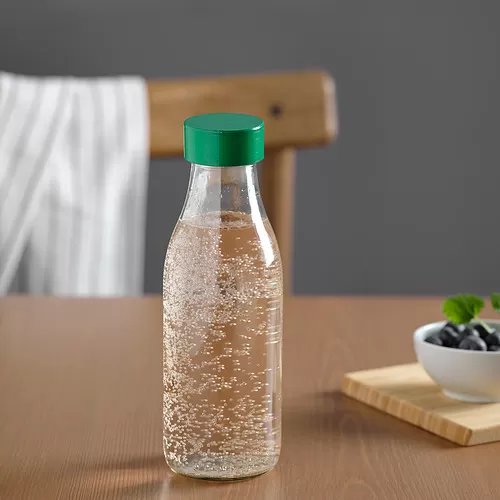
SPARTANSK is a glass water bottle designed for reusable use with cold beverages. Its shape makes it easy to carry and allows it to fit into the side pocket of a backpack or a car cup holder.
This bottle is also suitable for carbonated beverages. It should be used within the specified temperature limits because it is not intended for hot beverages.
4. ENVÄLDIG Portable Tumbler
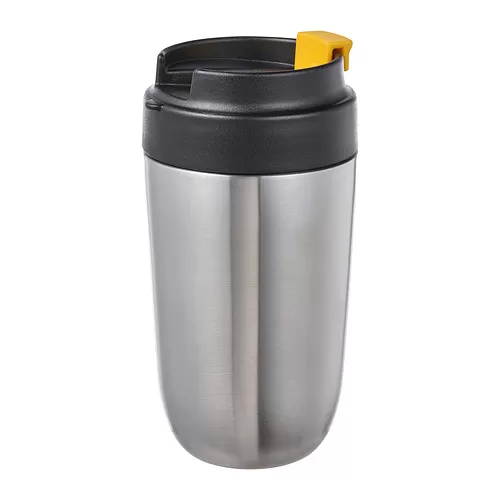
ENVÄLDIG is a portable tumbler made of stainless steel and designed to carry hot or cold beverages while traveling. Its shape is designed for easy gripping and convenient carrying on the go.
It can also fit into the side pocket of a bag or a car cup holder. This tumbler is a practical option for carrying beverages during everyday activities.
5. UNDERSÖKA Portable Tumbler
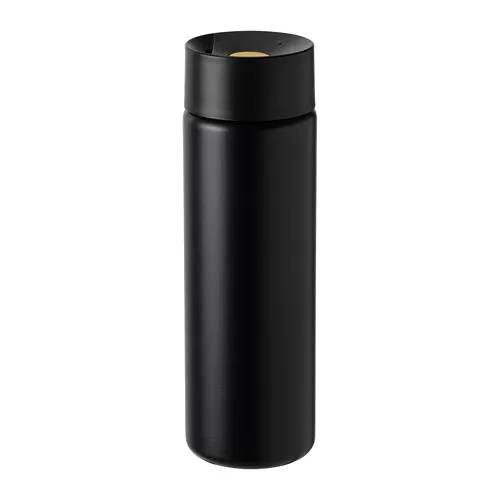
UNDERSÖKA is a travel mug designed to carry hot or cold beverages while traveling. Its lid can be easily opened and closed with one hand, making it convenient to use on the go.
The tumbler’s surface provides a more stable grip during use. Its shape is also designed to fit most car bottle holders.
Read also: IKEA Eco-Friendly Plastic. Healthy Choices for the Planet
Why choosing the right BPA-free product matters
BPA-free means that a product is made without using Bisphenol A, a chemical that has received significant attention in materials that come into contact with food and beverages.
IKEA offers various food storage containers and tableware made from glass as well as BPA-free plastic for different everyday needs.
Find food containers, drinking bottles, and storage solutions that suit your needs at IKEA. Visit IKEA.co.id to explore various product options and find detailed information about materials and usage instructions.
FAQ
Not necessarily. BPA-free means that a product does not contain BPA, while food-grade refers to the suitability of a material for contact with food or beverages.
No. Code 7 is a category known as “other” and can include various types of plastic. Therefore, the code alone is not sufficient to determine whether a product contains BPA.
BPA can contribute to non-food exposure, including through contact with certain materials. Therefore, reducing unnecessary contact with potential BPA sources may help limit exposure.
No. BPA can also be found in certain other materials, including some coatings and thermal paper. A person’s exposure may come from more than one source.
Not necessarily. Prioritize replacing containers that are damaged, lack clear safety information, or are frequently used with hot food, depending on your household needs.