Have you ever looked around your kitchen and wondered why it feels cluttered, even though there are only a few jars, dishes, groceries, and small appliances on the countertop? Often, the issue isn't the size of the kitchen, it's how the space is organized.
That's where a pantry comes in. More than just extra storage, a pantry helps keep your kitchen tidy, organized, and ready for everyday life. Whether you're making breakfast, preparing coffee, or storing groceries, a well-planned pantry can make daily routines easier and more enjoyable.
Simply put, a pantry is a dedicated area for storing food, beverages, kitchen essentials, and frequently used tableware. Depending on the size of your home, it can be as simple as a cabinet with organized shelves or as elaborate as a separate pantry space with storage units, a microwave, a coffee station, or even a compact refrigerator.
In modern homes, the pantry often acts as a bridge between the kitchen and dining area. It provides convenient access to snacks, drinks, and everyday essentials, allowing you to prepare or serve food without interrupting cooking activities in the main kitchen.
Pantry functions in modern homes
A pantry is much more than a place to store groceries. It helps create a kitchen that's organized, functional, and easy to maintain by giving everything its own dedicated space.
A well-designed pantry can be used to store dry food, beverages, spices, lunch boxes, tableware, small kitchen appliances, and other everyday essentials. Keeping these items in one organized area makes them easier to find while reducing clutter on countertops and inside kitchen cabinets.
For minimalist homes, a pantry is an excellent way to maximize available space without sacrificing style. While the main kitchen is used for cooking, the pantry can serve as a convenient area for preparing breakfast, making coffee, organizing food supplies, or storing frequently used dishes and utensils.
Beyond improving functionality, a pantry also enhances the overall appearance of your kitchen. With everyday items neatly stored away, your kitchen feels cleaner, more spacious, and easier to keep organized.
Pantry vs. kitchen: What's the difference?
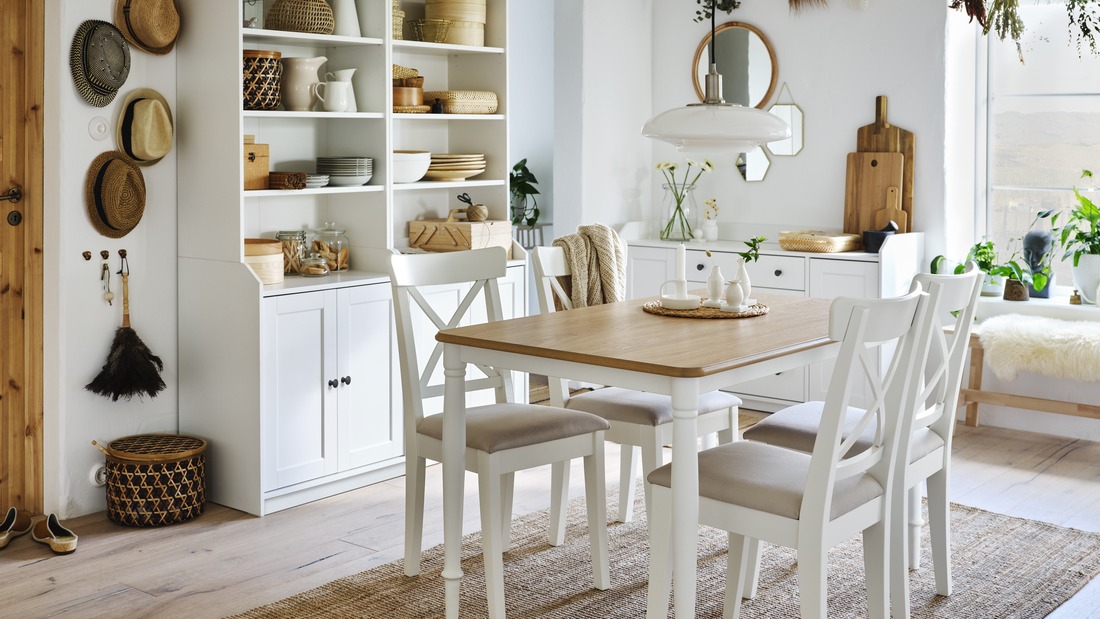
Although the terms are sometimes used interchangeably, a pantry and a kitchen serve different purposes.
A kitchen is designed for cooking and food preparation. This is where you wash ingredients, prepare meals, cook, and clean cookware after use.
A pantry, on the other hand, focuses on storage, organization, and light meal preparation. Instead of housing large cooking appliances, it typically stores groceries, beverages, dishes, and kitchen essentials. It's also an ideal place for simple daily tasks such as making coffee, preparing snacks, or reheating leftovers in a microwave.
In many modern homes, especially those with larger layouts, the cooking area may even be separated from the pantry. While the main kitchen handles food preparation and cooking, the pantry provides a clean, organized space for storing essentials and serving food, helping maintain a clutter-free kitchen.
Also Read: Straight kitchen countertop design for a modern and elegant kitchen
How to create a functional pantry
A functional pantry is designed around your daily routine. The goal is to make frequently used items easy to find while keeping the space neat and organized.
Start by creating dedicated storage zones. Open shelves work well for everyday essentials such as coffee, tea, snacks, mugs, and glasses, allowing quick and convenient access. Closed cabinets are better suited for storing dry groceries, extra cookware, cleaning supplies, and other items you'd prefer to keep out of sight.
If space allows, consider adding appliances that support your daily routine, such as a microwave for reheating meals, a water dispenser for easy access to drinking water, or a compact refrigerator for fresh ingredients and beverages.
The key is to create a logical workflow. When each item has its own place, preparing meals, serving food, and cleaning up afterward becomes faster and more efficient. A thoughtfully organized pantry not only saves time but also helps keep your kitchen looking clean and welcoming every day.
Minimalist pantry ideas for modern homes
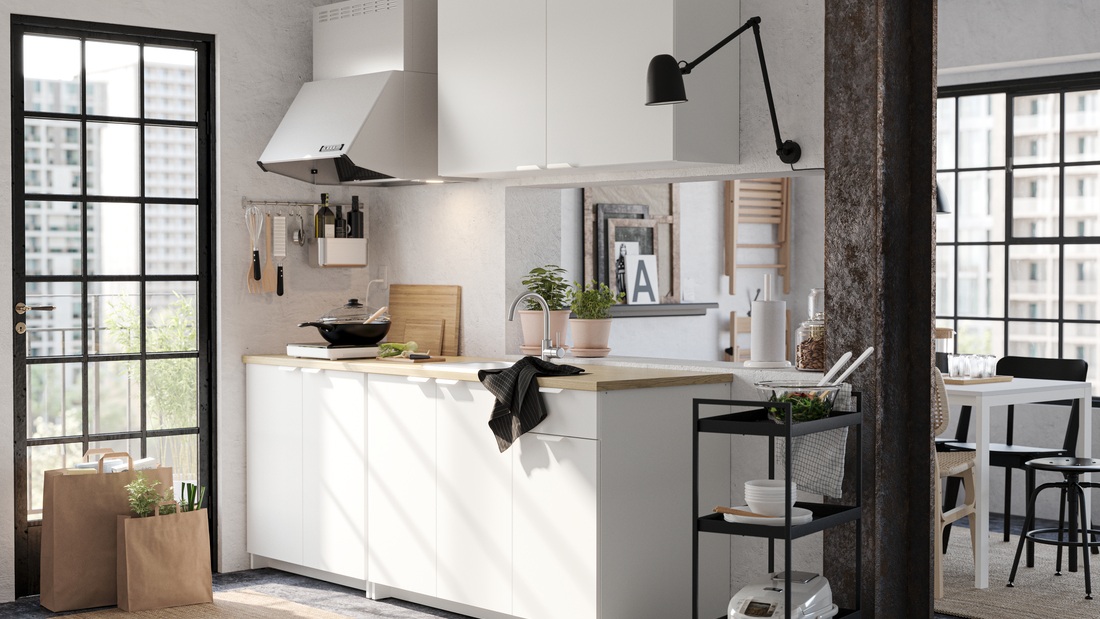
Designing a pantry isn't just about making the most of your available space, it's about creating a storage area that suits your daily routine. Even a small pantry can be both practical and visually appealing with the right combination of storage solutions and thoughtful organization.
Choose open shelving to keep frequently used items within easy reach, and combine it with closed cabinets to maintain a clean, uncluttered look. Neutral colors such as white, beige, grey, or natural wood finishes can also create a warm and timeless style that complements a variety of kitchen designs.
By balancing functionality with aesthetics, you can create a pantry that not only keeps your kitchen organized but also enhances the overall look of your home.
Pantry design ideas for your home
A functional pantry doesn't require a large room. With smart storage solutions and efficient layouts, you can create a pantry that fits your space while making everyday tasks easier.
Open shelving for everyday essentials
Open shelves are a practical choice for storing items you use every day, such as coffee, tea, snacks, mugs, and tableware. They make everything easy to find while giving your pantry a light, open feel.
To keep the space looking organized, use matching storage containers, clear jars, or woven baskets. Pairing open shelving with a few closed cabinets also helps hide less frequently used items while maintaining a tidy appearance.
Combine your pantry with a kitchen counter
If you're working with limited space, combining your pantry with a kitchen counter or island is an excellent way to maximize functionality. Cabinets and drawers beneath the countertop provide additional storage for groceries, cookware, and dining essentials while keeping everything within easy reach.
This layout creates a seamless workspace where you can prepare meals, serve food, and store kitchen essentials all in one convenient area.
How to organize your pantry
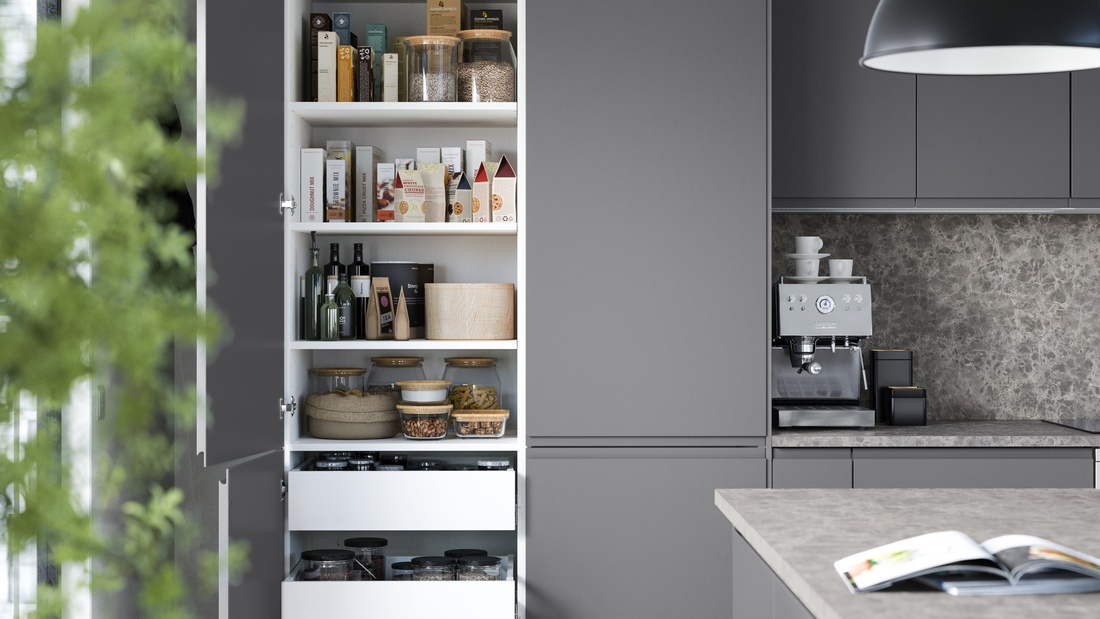
An organized pantry makes cooking and meal preparation faster and more enjoyable. The simplest way to start is by grouping similar items together.
Keep dry goods, snacks, beverages, spices, tableware, and cooking utensils in separate sections so everything has its own place. This makes it easier to find what you need without searching through multiple cabinets.
Store everyday essentials at eye level or within easy reach, while heavier items such as rice, cooking oil, or bottled drinks should be placed on lower shelves for safety and convenience. Less frequently used items can be stored on higher shelves to free up valuable space.
Adding labels to storage containers or shelves can also help everyone in the household maintain an organized pantry while making it easier to monitor food supplies and reduce waste.
Office pantry benefits
Pantries aren't just useful at home and they're also an important part of a comfortable and productive workplace.
An office pantry typically includes essentials such as a refrigerator, microwave, water dispenser, storage shelves, tableware, and basic cleaning supplies. It provides employees with a convenient place to prepare drinks, store lunches, and enjoy a relaxing break during the workday.
Beyond convenience, a well-designed office pantry encourages social interaction and helps create a welcoming workplace culture. It offers employees a comfortable space to recharge, connect with colleagues, and return to work feeling refreshed.
Tips for using a pantry at home or in the office
To keep your pantry organized, follow a simple principle: easy to see, easy to reach, and easy to put back. Avoid filling the pantry with items that are rarely used, and prioritize everyday essentials that support your daily routine.
At home, organize your pantry around your family's habits. If you enjoy quick breakfasts, dedicate a section for cereal, bread, coffee, and breakfast essentials. If you cook regularly, keep spices, oils, and frequently used ingredients close to your food preparation area.
In the workplace, equip the pantry with practical essentials such as covered waste bins, dishwashing supplies, drying racks, and designated areas for clean and used dishes. Clear organization and shared responsibility help keep the pantry clean and enjoyable for everyone.
Create a pantry that fits your lifestyle with IKEA
A well-designed pantry can make everyday life simpler, whether you're preparing breakfast, organizing groceries, or serving meals for family and friends. With the right combination of storage solutions, you can create a space that's both functional and inviting.
From cabinets and shelving units to kitchen organizers, storage containers, and multifunctional furniture, IKEA offers a wide range of products to help you make the most of every inch of your kitchen. Whether you're furnishing a compact apartment or planning a spacious family kitchen, you'll find flexible solutions to suit your needs and style.
Explore IKEA's kitchen collection for inspiration and discover practical storage ideas that help you create a pantry that's organized, efficient, and designed for everyday living.
Frequently Asked Questions
A pantry is a dedicated storage area for groceries, beverages, kitchen essentials, and tableware. It helps keep your kitchen organized while making everyday tasks like meal preparation and serving more convenient.
The main purpose of a pantry is to store food and kitchen essentials in one organized space. It reduces countertop clutter, improves accessibility, and helps create a more efficient kitchen workflow.
A kitchen is designed for cooking and preparing meals, while a pantry focuses on storing food, organizing supplies, and handling light food preparation such as making coffee, preparing snacks, or reheating meals.
Absolutely. A pantry doesn't require a separate room. Open shelving, tall cabinets, wall-mounted storage, or multifunctional furniture can help you create a practical pantry even in a compact kitchen.
Pantries are ideal for storing dry foods, canned goods, snacks, beverages, spices, baking ingredients, tableware, lunch containers, and small kitchen appliances that you use regularly.