Various types of office furniture you must have to support work efficiency

Choosing the right office furniture is one of the key steps in creating a comfortable and productive work environment. The right office furniture not only supports comfort but also enhances work efficiency. In this article, we’ll discuss the essential types of office furniture that should be present in every workspace to support your work activities. 

What Is office furniture and why is it important? 

Office furniture refers to the various pieces of furniture used in a workplace to support different work activities. By choosing the right office furniture, productivity and employee comfort can be enhanced. Properly selecting furniture that is ergonomic, functional, and suitable for the workspace will impact performance and long-term health. 

The importance of office furniture lies not only in its aesthetic appeal but also in its role in creating a workspace that supports daily activities. Comfortable furniture, such as a chair that provides back support or a spacious desk, can reduce the physical strain often caused by long hours spent at a desk. 

Common types of office furniture 

Here are some of the most common types of office furniture found in modern workplaces: 

1. Office desks 

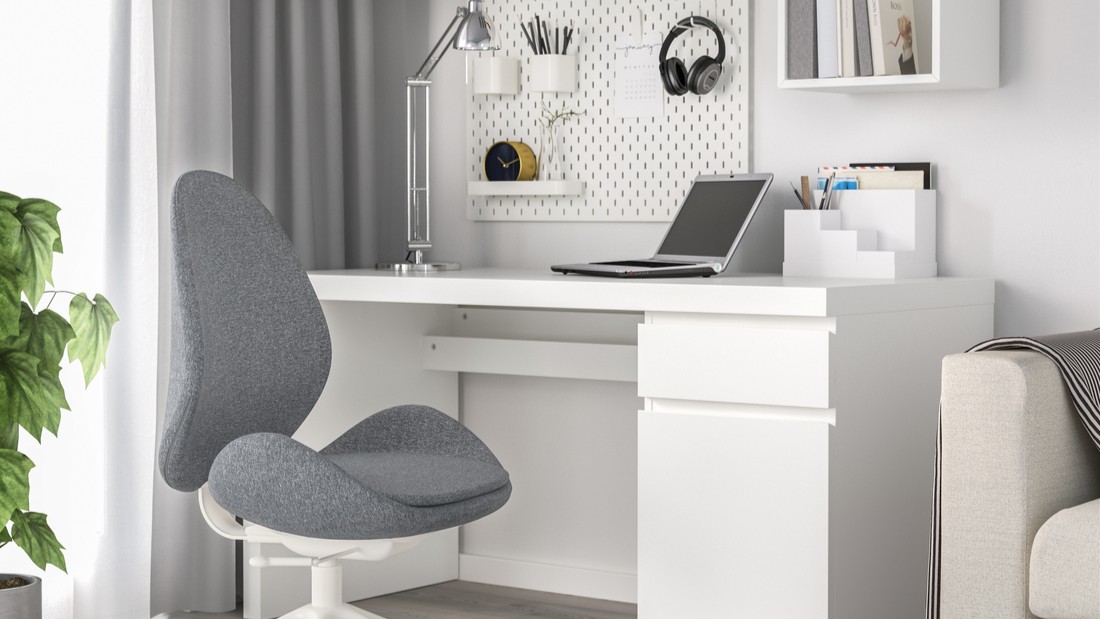
Office desks are essential pieces of furniture used for working, organizing documents, or placing office equipment. Popular types of office desks include personal desks, conference tables, and adjustable-height desks (standing desks). 

2. Office chairs 

A comfortable office chair plays a vital role in productivity. Ergonomic office chairs that support the back, neck, and legs can reduce muscle strain and help maintain energy throughout the day. 

3. Filing cabinets 

Filing cabinets are used to store documents and files in an organized manner. This type of furniture helps keep the workspace neat and provides easy access to important documents. 

4. Bookshelves 

Bookshelves in offices can store reference materials or other work-related items, while also enhancing the office's appearance. An organized bookshelf allows employees to quickly find resources or reading materials. 

5. Lockers 

Lockers are used to store personal belongings or sensitive documents that require extra security. Well-organized lockers help reduce clutter in the office space. 

6. Office partitions 

Partitions help divide office spaces into separate areas, creating more private zones or collaborative workspaces. These can be movable or fixed panels, depending on the office needs. 

Read also: Recommendations for stylish office furniture for women 

Office desks: functions and available types

Office desks are a key piece of furniture essential for comfort and work efficiency. There are several types of office desks available, including: 

1. Personal work desks 

Designed for individual use, these desks provide space for a computer, documents, and other office supplies. Many personal desks come with drawers for storing personal or important items. 

2. Conference tables 

Used for group meetings, conference tables are generally larger and can accommodate multiple people. They are often equipped with space for presentation equipment or internet connections. 

3. Standing desks 

Standing desks can be adjusted in height, allowing users to switch between sitting and standing while working. Standing desks are especially useful for reducing the health risks associated with prolonged sitting. 

Office chairs: comfort that boosts productivity 

Ergonomic office chairs play a crucial role in enhancing comfort during work. A good office chair should support the body, especially the back and hips, and allow flexible movement. Some common types of office chairs include: 

  • Ergonomic chairs: Designed to support proper posture and reduce muscle strain, particularly in the back and neck. 

  • Conference chairs: These chairs are used for meetings and are generally lighter and easy to move. 

  • Executive chairs: These are more luxurious and comfortable, typically used by managers or executives, offering more adjustments for added comfort. 

Benefits of choosing the right office furniture 

Choosing the right office furniture offers many advantages. Aside from improving comfort and productivity, furniture that suits the office environment helps create a more efficient space that also supports health in the long run. Ergonomic furniture, for example, can help reduce fatigue and stress caused by poor posture while working. 

Additionally, selecting the right furniture can enhance the office’s aesthetics. An organized and comfortable workspace fosters a more pleasant atmosphere, which in turn can boost employee morale. 

Optimizing the use of office furniture in the workspace 

To make the most out of office furniture and increase office productivity, proper arrangement is key. Here are a few tips for optimizing the use of office furniture: 

1. Choose furniture that fits the apace 

Make sure the furniture you choose fits the office space. Using oversized furniture can make the space feel cramped, while using too small furniture can reduce comfort. 

2. Use partitions to divide the space 

Office partitions can help divide the workspace into private zones, ideal for focused work or team collaboration. 

3. Consider flexibility 

Choose furniture that is adjustable or easy to move, such as desks that can be raised or chairs that are lightweight, so the office space remains adaptable to different needs. 

How to choose office furniture based on needs and budget 

Selecting the right office furniture depends on both functional needs and available budget. Here are some tips for choosing furniture that fits your budget: 

Prioritize functionality 

Choose furniture that has the core functions needed for the workspace, such as ergonomic desks and chairs, which will enhance comfort and productivity. 

Opt for durable furniture 

While cheaper furniture may seem tempting, it’s important to invest in durable furniture that can be used for the long term, even if it costs a little more. 

Read also: Tips for creating a minimalist modern home office space 

Maintaining and caring for office furniture to ensure longevity 
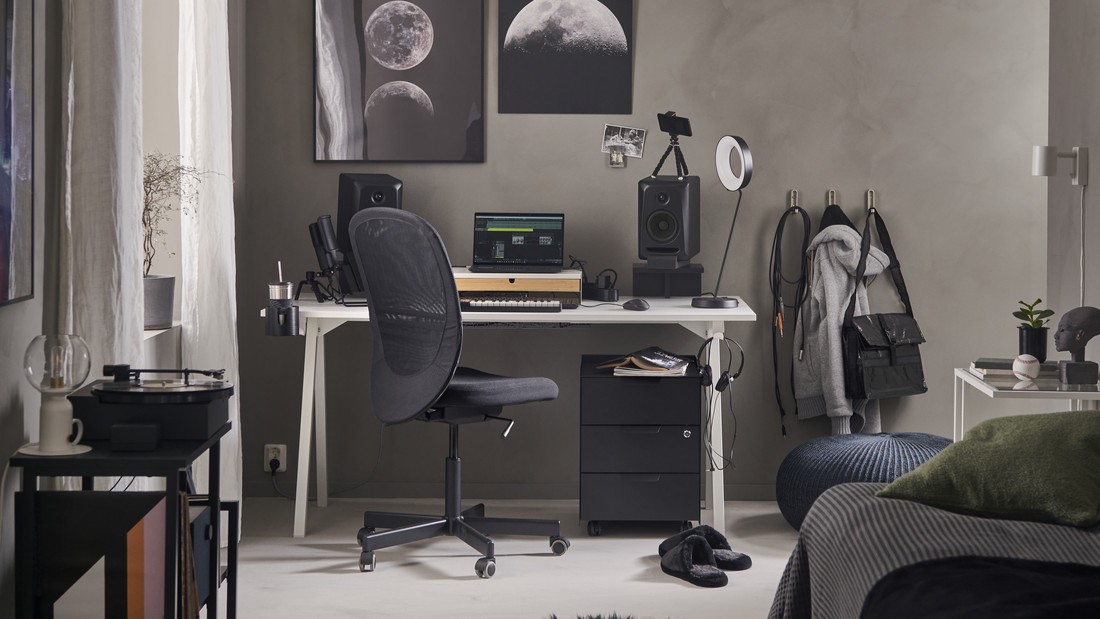
Maintaining office furniture is essential to ensure its quality and durability. Here are some tips for maintaining office furniture: 

  1. Clean regularly: Regular cleaning of office furniture helps maintain cleanliness and prevents damage from accumulated dust or dirt. 
     

  1. Repair small damages promptly: If there are minor damages to the furniture, such as a jammed drawer or a loose chair, repair them immediately to avoid further deterioration. 
     

  1. Use protectors for furniture: Using protectors on desk surfaces or chairs can help prevent scratches or damage caused by everyday use. 
     

With this guide, you can choose and maintain the right office furniture to create a more productive and comfortable workspace. If you need further assistance in selecting the right office furniture, consult with an interior design expert at IKEA. Explore the perfect office furniture options that suit your needs at IKEA.co.id


Back to top