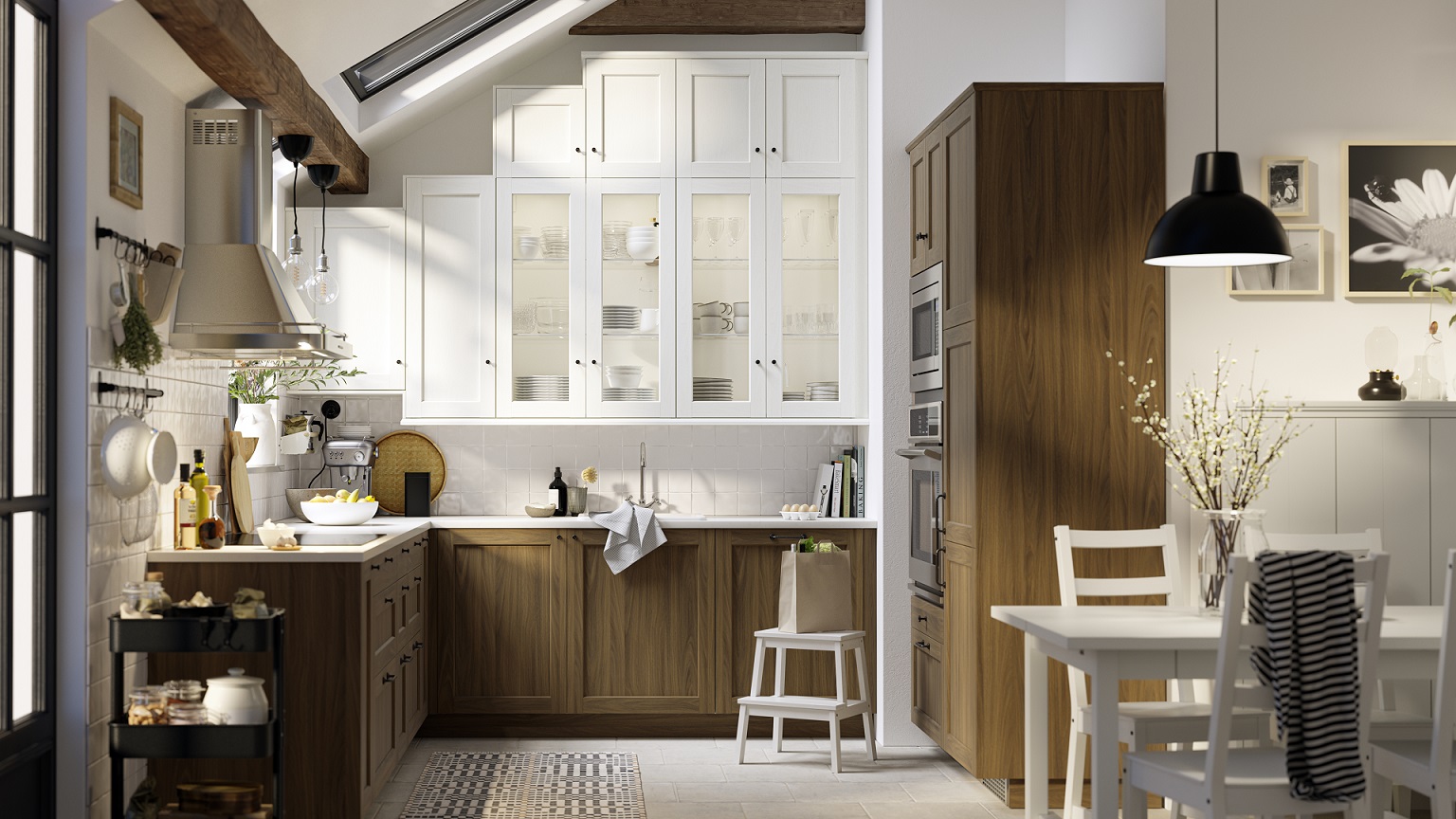
Wood is widely used in furniture because of its natural appearance, distinctive grain patterns, and versatility across different interior styles. However, every type of wood has different characteristics in terms of strength, colour, weight, durability, grain, and maintenance requirements.
Choosing the right wood for furniture therefore depends on how and where the piece will be used. A material suitable for a dining table may have different requirements from outdoor furniture, while lighter woods may be more practical for shelving or pieces that need to be moved regularly.
No single wood species is automatically the best material for every type of furniture. The right choice depends on function, construction, finish, placement, and how the furniture will be maintained.
What Is the Difference Between Solid Wood and Veneer?
Solid wood uses natural timber pieces as the main material in a furniture component. Its grain and colour variations give each piece a distinctive appearance that can develop over time.
Wood veneer is a thin layer of real wood applied over a core material. It provides the natural appearance of timber while allowing a different type of construction. When choosing furniture, check the complete material specification, as one product may combine solid wood, veneer, plywood, particleboard, and fibreboard.
Read also:
10 Types of Wood Commonly Used for Furniture
1. Teak
Teak is a premium hardwood widely associated with durable furniture. Its distinctive grain and natural oil content contribute to its ability to cope with moisture and some insect exposure when the material is properly constructed and maintained.
Teak is commonly used for tables, chairs, cabinets, and suitable outdoor furniture. Its quality, sourcing, and availability can also make it more expensive than many alternative woods.
2. Mahogany
Mahogany is known for its relatively fine grain and colour that can develop into warm reddish-brown tones. These characteristics make it popular for classic and elegant interior furniture.
It can be used for tables, cabinets, chairs, and other indoor pieces. As with any natural material, suitable finishing and maintenance are important for long-term use.
3. Trembesi
Trembesi, also known internationally as suar or rain tree wood in some markets, is appreciated for expressive grain patterns and wide slabs that can create dramatic table surfaces.
It is often chosen for large dining or statement tables. Proper drying and finishing are particularly important because natural wood movement can be affected by changing environmental conditions.
4. Sungkai
Sungkai generally has a lighter colour and visible grain, making it suitable for natural, minimalist, and contemporary interiors.
Its comparatively lighter character can work well for tables, chairs, cabinets, and other indoor furniture. Appropriate finishing helps protect the surface and maintain its appearance during everyday use.
5. Mindi
Mindi wood typically has light to medium-brown colouring with an attractive natural grain. It is used for indoor furniture such as tables, shelving, cabinets, and decorative pieces.
The material is relatively workable, but its suitability still depends on the construction, intended use, and finish of the furniture.
6. Pine
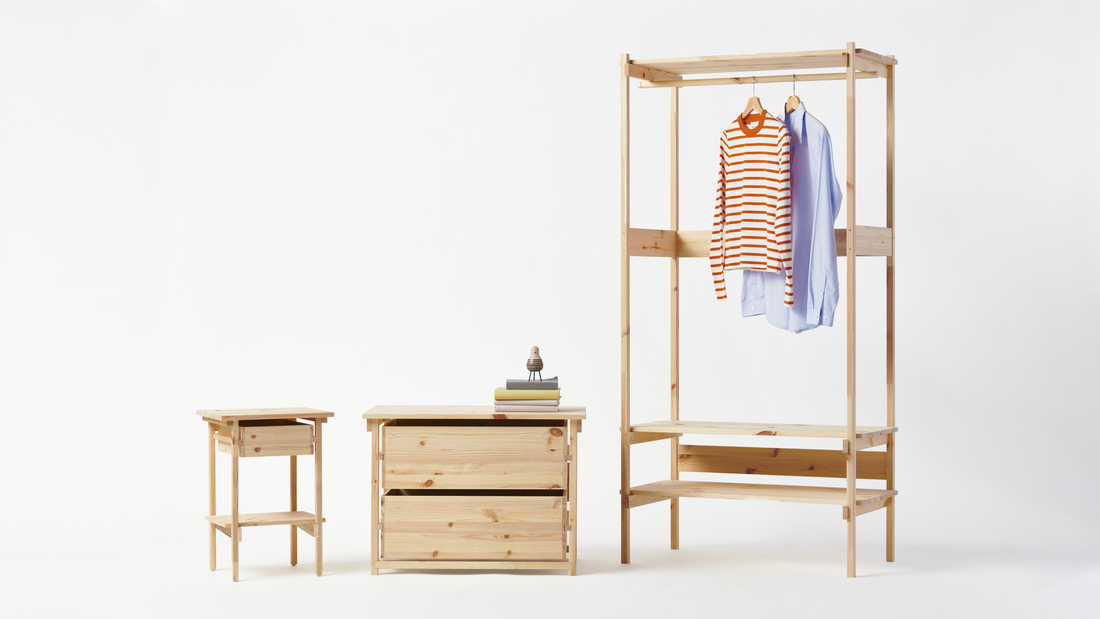
Pine is a softwood with a generally light colour and visible natural grain. Its relatively low weight and simple appearance make it popular for Scandinavian-style shelving, tables, and storage furniture.
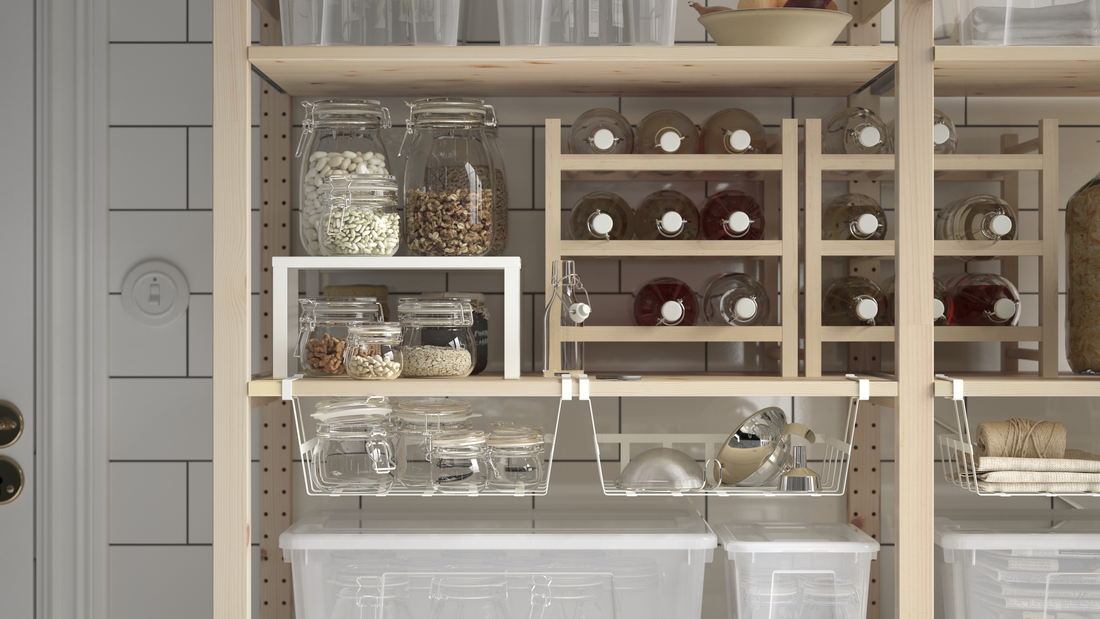
The IVAR solid pine shelf is one example. Because pine is softer than many hardwoods, its surface may be more susceptible to dents and scratches, making appropriate care or surface treatment useful.
7. Acacia
Acacia is a dense hardwood with rich brown colouring and distinctive grain. Its strength and natural character make it suitable for furniture designed for regular use.
The SKOGSTA solid acacia table uses solid acacia for its tabletop and main structural elements. The grain and colour variations help make each piece visually distinctive.
8. Oakz
Oak is a popular hardwood valued for durability and its prominent grain pattern. It works well for tables, cabinets, chairs, and other furniture where both appearance and strength matter.
Furniture does not always use oak as solid timber. The TONSTAD oak veneer extendable table, for example, uses real oak veneer on selected components to create a natural wood expression.
9. Birch
Birch is a hardwood with a relatively light colour and subtle grain, making it easy to combine with minimalist and Scandinavian interiors.
The NORDEN solid birch gateleg table uses solid birch in several main components, with birch plywood used in selected parts. Its light appearance makes birch particularly versatile for modern home interiors.
10. Ash
Ash is a strong hardwood recognised for its attractive, clearly visible grain. Its lighter natural colour works particularly well in contemporary and natural-looking furniture.
The LISABO ash veneer table combines an ash veneer surface with solid birch legs. This illustrates how furniture can combine different wood materials to achieve the desired construction, strength, and visual expression.
How to Choose Wood for Furniture
There is no single best wood for every piece of furniture. Consider:
-
Purpose: a dining table has different requirements from decorative shelving.
-
Placement: indoor and outdoor furniture face different environmental conditions.
-
Strength and weight: furniture that needs to move regularly may benefit from a lighter construction.
-
Maintenance: solid wood, veneer, and different surface finishes require different care.
-
Appearance: consider colour, grain, and how the wood fits your interior.
-
Budget: cost varies according to species, quality, size, processing, and furniture construction.
Understanding these factors can help you choose furniture that suits both your interior and everyday needs.
Find Wooden Furniture for Your Home
Checking the material specification can help you choose furniture with the colour, grain, construction, and functionality that suit your room. Explore IKEA's dining tables and other home furniture to find materials that complement your interior.
Frequently Asked Questions About Wood for Furniture
Teak, oak, acacia, mahogany, birch, ash, and other hardwoods are widely used, but the best option depends on the furniture's purpose. Construction quality, finish, and care are just as important as the species itself.
Pine is relatively lightweight and useful for many furniture applications, although it is a softwood. Birch and ash offer different hardwood characteristics, but the final weight also depends on the size and construction of the furniture.
Not necessarily. Solid wood uses natural timber throughout the relevant component, while veneer uses a thin layer of real wood to provide a natural surface over a different core construction. Both can be suitable depending on design, quality, use, and maintenance.
Mahogany, sungkai, mindi, pine, birch, ash, oak, and acacia can all be used for indoor furniture when appropriately constructed and finished. For humid spaces or outdoor use, always check whether the specific product is designed for those conditions.