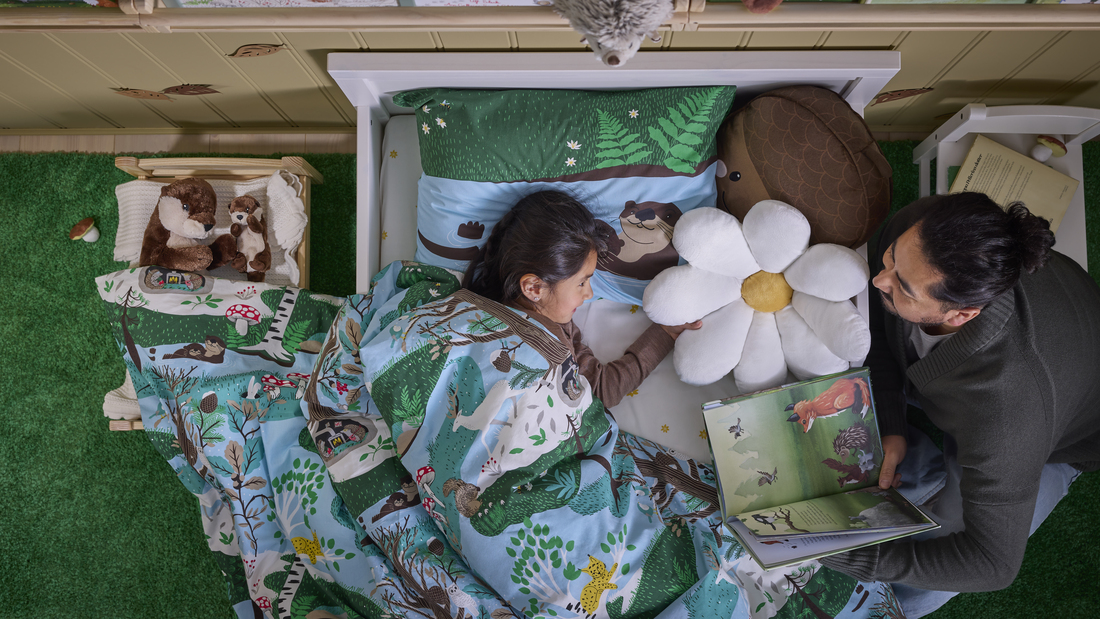
A baby sleeping soundly at night is certainly something many parents hope for. However, newborns are still developing their sleep patterns and may wake several times to feed or need help getting comfortable again.
Helping your baby sleep more soundly does not have to be complicated. By creating a routine, a calm atmosphere, and a comfortable sleeping environment, you can support your little one's rest.
Why do babies have trouble sleeping at night?
There are many reasons why babies have trouble sleeping, ranging from an immature body clock, hunger, and an uncomfortable diaper to excessive stimulation. An uncomfortable room environment can also make it difficult for a baby to transition from being awake to feeling sleepy.
For newborns, day-and-night patterns are not always clearly established. Babies may wake more frequently and sleep in cycles that differ from adults, so frequent waking does not necessarily mean they are having trouble sleeping.
Also pay attention to your baby's physical condition, such as a runny nose, fever, vomiting, or clothing that is too warm. If your baby seems uncomfortable or experiences concerning changes in condition, consult a pediatrician.
7 Tips for helping your baby sleep soundly at night
After understanding the reasons why babies have trouble sleeping, the next step is to build habits that make bedtime feel calmer. Here are some simple habits that can help your baby relax before sleep.
1. Create a consistent bedtime routine
A simple routine can serve as a familiar sleep cue for your baby. Dim the lights, change into sleepwear, feed your baby, then give a gentle massage or do another calming activity consistently.
The routine does not have to be long or exactly the same every night. What matters is that the sequence is easy to recognize and suits your baby's needs.
2. Differentiate between daytime and nighttime
During the day, keep the home bright and let activities continue as usual. As bedtime approaches, reduce bright lights, noise, and overly stimulating activities.
This difference in atmosphere can gradually help your baby recognize day and night patterns. You also do not need to make the house completely silent for your baby to sleep.
3. Recognize signs that your baby is getting sleepy
Look for signs such as yawning, rubbing their face, losing interest in playing, or becoming quieter. Putting your baby to sleep when they are starting to feel sleepy can help before they become overly fussy.
Every baby has a different pattern. Therefore, observe your little one's signs of sleepiness rather than relying too strictly on a fixed sleep schedule.
Also read: Tips for choosing a safe and comfortable baby Mattress for your little one
4. Reduce stimulation before bedtime
Active play, loud noises, and bright lights can make it more difficult for your baby to settle down. Make the time before bedtime a transition from activity to a more relaxed atmosphere.
Reduce playtime and use a gentle voice when starting the bedtime routine. The goal is not to make your baby fall asleep quickly, but to help them become more ready for sleep.
5. Make sure your baby's basic needs are met
Before putting your baby to sleep, check their needs, such as feeding, diaper changes, and sleepwear. Make sure their clothing is suitable for the room temperature so they do not become too hot or cold.
Every baby's feeding needs vary according to their age and condition. Therefore, a baby waking up to feed at night does not mean their sleep routine has failed.
6. Use a soothing method that works for your baby
Every baby may have a different way of becoming calm, such as being held, hearing a gentle voice, receiving a touch, or having a light massage. Choose a method that helps your baby relax and stop if they become more fussy.
Soothing your baby is different from where your baby sleeps. Once calm, continue to place your baby on a safe sleeping surface.
7. Make sure your baby's sleeping area is safe
A baby's sleeping area should be simple and free from unnecessary items. Babies should be placed on their backs on a firm, flat, non-inclined surface.
Keep pillows, loose blankets, stuffed toys, bumpers, and other soft objects away from the sleeping area. The AAP also recommends that babies sleep in the same room as their parents, but on a separate sleeping surface.
Recommended baby sleep essentials to support your baby's routine
Preparing an organized baby room can make the bedtime routine feel more practical. Here are some baby sleep essentials from IKEA that can help organize your little one's needs and make rest time more comfortable.
1. SMÅGÖRA Baby cot

SMÅGÖRA baby cot measures 60×120 cm, with a mattress base that can be adjusted to two heights. The cot is recommended for ages 0–3 years, has ventilation in the cot base, and meets the European EN 716-1 standard.
2. SKÖNAST Foam mattress for cot

SKÖNAST foam mattress measures 60×120×8 cm and is recommended for ages 0–3 years, with high-resilience foam that helps support the body.
Its cover can be removed and washed at up to 60°C, while the mattress meets the EN 16890:2017+A1:2021 standard and is designed to fit a 60×120 cm baby cot without leaving gaps.
3. LENAST Mattress protector

LENAST mattress protector measures 60×120 cm and has a layer that helps protect the mattress from moisture. It can be machine washed, making it easier to maintain when used as part of your baby's daily routine.
4. LENAST Baby bed blanket

LENAST baby bed blanket measures 110×125 cm and is made from 55% lyocell and 45% cotton. The material is lightweight and moisture-absorbent, while the filling uses a blend of polyester and lyocell to help maintain a comfortable temperature.
Note: for babies, the use of loose blankets in the sleeping area should follow safe sleep guidelines and the baby's age. Do not add blankets, pillows, or soft objects to the sleeping area simply to make the baby feel more comfortable.
5. SMÅGÖRA Baby furniture set

SMÅGÖRA baby furniture set combines a 60×120 cm baby cot with a storage unit and changing table.
The cot has two mattress-base height options and good ventilation, while the additional storage helps keep your baby's essentials organized around the sleeping area.
How to soothe a baby who wakes up at night
Babies waking up at night is normal, especially during the early stages of life. Here are some simple steps that can help you respond to your baby without making them more alert.
- Check their basic needs. Make sure your baby is not hungry, does not need a diaper change, and is not feeling uncomfortable.
- Keep the atmosphere calm. Dim the lights, use a gentle voice, and avoid play activities so your baby recognizes nighttime as a time for sleep.
- Soothe them according to their needs. You can provide gentle touch, hold your baby, or feed them if necessary.
- Return them to a safe sleeping space. Once calm, place your baby on their back on a firm and flat sleeping surface.
- Pay attention to where your baby falls asleep. If your baby falls asleep somewhere that is not designed as a regular sleeping surface, move them to a safe baby sleeping space as soon as possible.
Also read: Types of blanket materials for different sleeping needs
Create a more comfortable sleeping routine for your baby
Helping your baby sleep soundly can start with a simple routine and a comfortable sleeping space. Make sure your little one's sleep needs are appropriate for their age and continue to follow safe sleep principles.
IKEA provides various baby sleep essentials such as cots, mattresses, and sleep textiles to help prepare your little one's sleeping space. Choose items according to your baby's needs and your family's routine so bedtime feels more comfortable.
Visit IKEA.co.id to discover more baby essentials and room-organizing inspiration that can support your everyday life with your little one.
FAQ
Start with a consistent bedtime routine, recognize signs of sleepiness, reduce stimulation before bedtime, meet basic needs, and prepare a safe sleeping environment. There is no single method that works for every baby.
No. Newborns are still developing their sleep patterns and often wake to feed or need help settling back down.
Babies should always be placed on their backs when put down to sleep. If your baby can roll independently from back to stomach and stomach to back, continue starting every sleep period on their back and make sure the sleeping area is free from soft objects.
Not necessarily. Making a baby very tired does not guarantee that they will fall asleep quickly. Daytime activities should remain balanced with their needs for play, feeding, and rest.
If your baby consistently has difficulty sleeping, seems very uncomfortable, or has sleep difficulties accompanied by symptoms such as fever, difficulty breathing, concerning vomiting, lethargy, or changes in behavior, you should consult a pediatrician.