Tips for choosing a comfortable children's study desk to support learning motivation at home

The Back to School moment is not just about children returning to school, but also about how the entire family adapts to new routines at home. One important step is creating a comfortable study space for children that supports focus. 

Choosing a study desk that suits your child’s needs can help them feel more motivated to learn. With the right desk discussed in this article, you can start building a comfortable learning environment that supports your child’s daily learning process. 

Tips for choosing a study desk that suits your child’s needs 

Choosing a study desk for your child doesn’t have to feel confusing if you know what to consider. Let’s take a look at some tips for choosing the right study desk so the learning process feels more comfortable and enjoyable. 

1. Pay attention to desk size and height according to body posture 

Choosing a study desk cannot be separated from selecting the right size and height according to your child’s posture. Make sure the desk and chair are proportionate so your child can sit comfortably while studying. 

The ideal desk height helps maintain an upright sitting position, while the study chair supports the back properly. You can adjust the desk height based on your child’s elbow position so it is not too high or too low when writing. 

A desk that is too high can cause the shoulders to lift, while a desk that is too low can make your child slouch. Over time, this can affect posture and learning comfort. 

By choosing the right desk, you help your child maintain an ergonomic sitting position so learning activities become more focused and less tiring. 

2. Choose a desk that is comfortable and safe for children 

Comfort and safety are important when choosing a study desk. Select a desk made from child-friendly materials and without sharp edges. Materials such as wood with smooth finishing or other quality materials can provide a sense of safety for daily use. 

A smooth desk surface is also important so children can write or draw comfortably without obstacles. Make sure the desk structure is stable and not easily shaken during use. A sturdy desk helps children feel safer and more focused, while also reducing the risk of injury. 

3. Consider a functional study desk design 

A functional desk design helps create a neat and organized learning area. You can choose a desk equipped with drawers or shelves as storage solutions for stationery and school supplies. 

A desk with a bookshelf is also a great option because it allows children to access books easily without leaving their seat. For more compact spaces, a minimalist desk design can be a practical solution. Meanwhile, desks with additional features like drawers and shelves are suitable for children who need more storage in one area. 

4. Adjust the desk to your child’s needs and activities 

Every child has different learning needs, so it’s important to adjust the desk to their activities. Children need enough space for writing, reading, and drawing, so the desk surface area should be considered carefully. 

A desk with a spacious surface allows children to carry out various learning activities more freely. If space is limited, a folding desk can be a flexible solution. This type of desk is easy to store when not in use while still supporting learning needs. 

5. Choose colors and designs that match your child’s interests 

Desk color and design also play a role in increasing learning motivation. Neutral colors such as white or natural wood tones can create a calm and focused learning atmosphere. 

Simple colors are also easy to match with various room themes. On the other hand, desks with playful designs or motifs can boost children’s interest in learning. You can adjust the design to match your child’s bedroom theme for a more harmonious look. 

Also read: Tips for choosing a children’s study chair  

Organizing a study desk to keep it neat and support focus 
A tidy study desk helps children concentrate more easily and enjoy their learning activities. Let’s explore how to organize a study desk so it stays structured and supports focus at home. 

1. Organizing stationery and books neatly 

Organizing stationery and books neatly is the first step to creating a comfortable learning area. You can group items like pencils, erasers, and markers in one container for easy access. 

Meanwhile, textbooks can be arranged based on categories or daily schedules. With simple organization, children don’t waste time searching for items and can focus directly on learning. 

2. Using drawers, shelves, and additional storage 

To avoid a cluttered desk, you can use drawers, shelves, or additional storage. Desks with drawers help store small items neatly while keeping them accessible. 

Bookshelves near the desk also make it easier for children to reach books without leaving their study area. This storage solution helps maintain neatness while building good organizational habits. 

3. Placing a study lamp for optimal lighting 

Proper lighting is essential for comfortable learning. Use a desk lamp that provides sufficient light without glare. Position the lamp so it doesn’t create shadows when your child writes or reads. 

With optimal lighting, children can study more comfortably and maintain eye health over time. 

4. Avoiding an overcrowded desk to reduce distractions 

A cluttered desk can make it difficult for children to focus due to visual distractions. Only place essential items on the desk surface. 

Leave enough empty space so children have room to write or draw. A clean and uncluttered desk helps create a calmer learning environment and supports concentration. 

Also read: How to organize books on a study desk neatly and comfortably

Study desk inspiration for different space needs 

Every home has different spatial conditions, so choosing a study desk should match your available space and needs. Here are some inspirations to help you create a comfortable and functional study area. 

1. Study desks for small spaces 

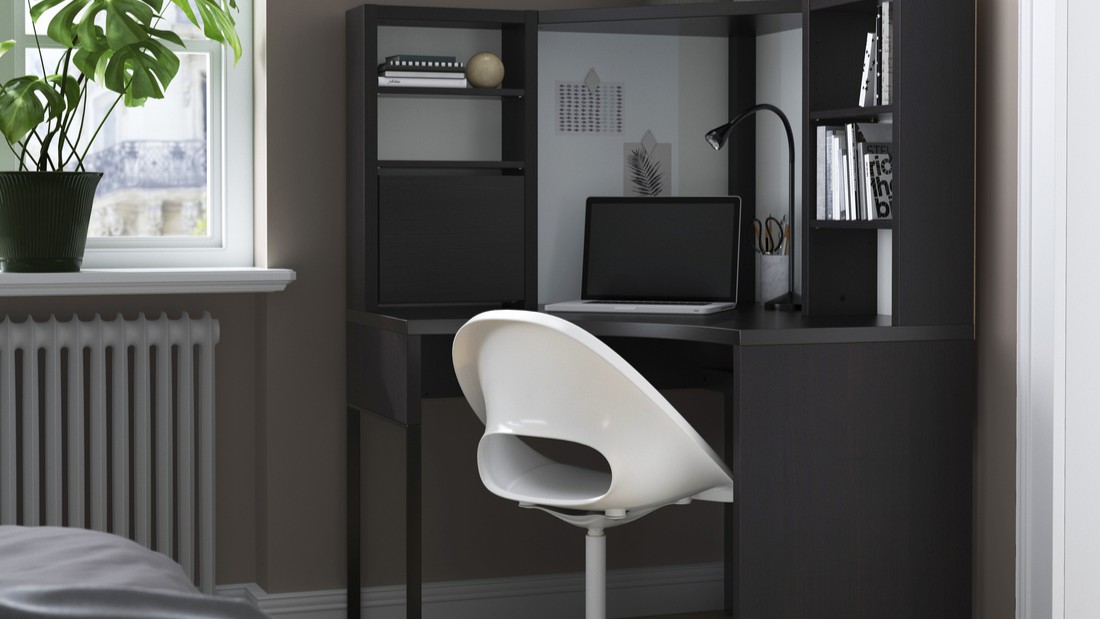
If you have limited space, a minimalist desk design can be the right choice. Models like the MICKE desk offer compact size while remaining functional. 

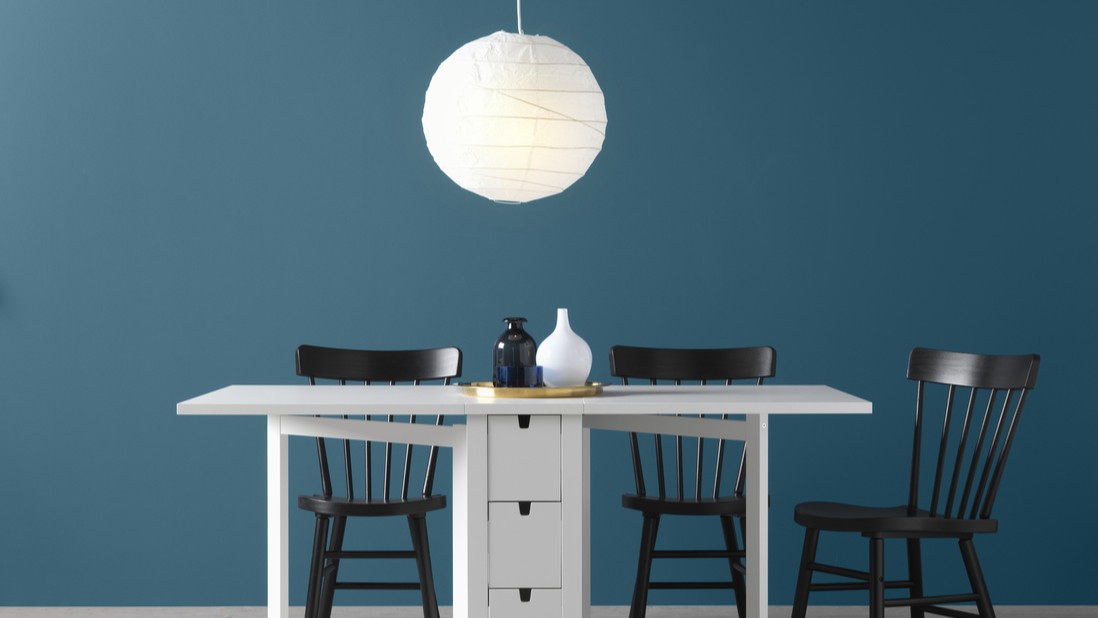
The NORDEN folding desk is also a flexible solution as it can be stored easily when not in use. Simple designs help small spaces feel more open without sacrificing function. 

2. Study desks for dedicated learning rooms 

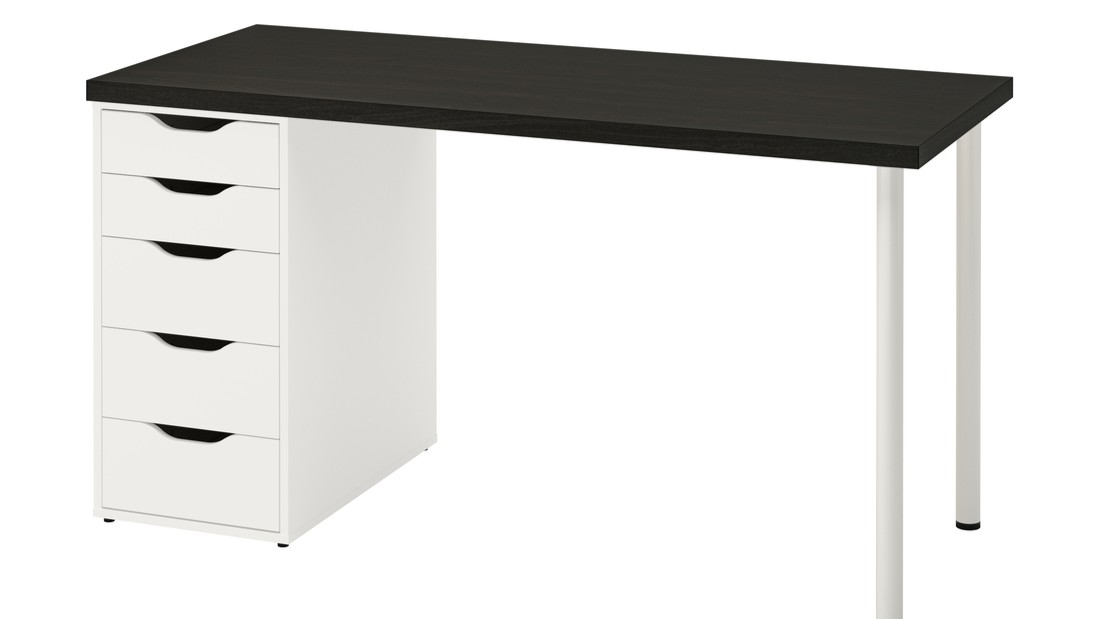
If you have a dedicated study room, a desk with complete storage can help keep the area organized. The LAGKAPTEN/ALEX combination offers a wide surface and drawers for storing school supplies. 

You can also add a BILLY bookshelf around the desk so everything is well organized. A structured learning area helps children stay focused because everything is within reach. 

3. Study desks for shared learning spaces 

If children share a study area, a long desk can be a practical solution. The LAGKAPTEN desk allows multiple children to study together without disturbing each other. 

To maintain focus, you can divide the workspace using storage boxes or designated zones. This way, each child still has their own space even when sharing a desk. 

The role of family in helping children maximize study time 

The family plays an important role in creating a positive learning experience at home. Simple support from you can help children stay focused, comfortable, and motivated every day. 

  • Helping children choose the right desk: Involve children in choosing a desk so it suits their needs and interests. 

  • Assisting in organizing the study space: Encourage children to arrange their desk and supplies neatly. 

  • Building consistent study habits: Create a regular study schedule. 

  • Creating emotional support: Provide encouragement and appreciation to boost confidence and motivation. 

It’s time to create a more comfortable study space at home 

Choosing the right study desk is the first step in creating a comfortable learning environment that supports daily study activities. From size and design to storage, every detail plays a role in helping children stay focused and maintain good posture. 

More than just furniture, a study space reflects how a family adapts to new routines. This is the moment when one home grows together, in line with the Back to School spirit. 

Start with simple steps like choosing the right desk, then complement it with neat organization and a comfortable atmosphere. Small changes can bring a big impact on your child’s learning process at home. 

Discover exciting back-to-school inspiration with IKEA.co.id


Back to top