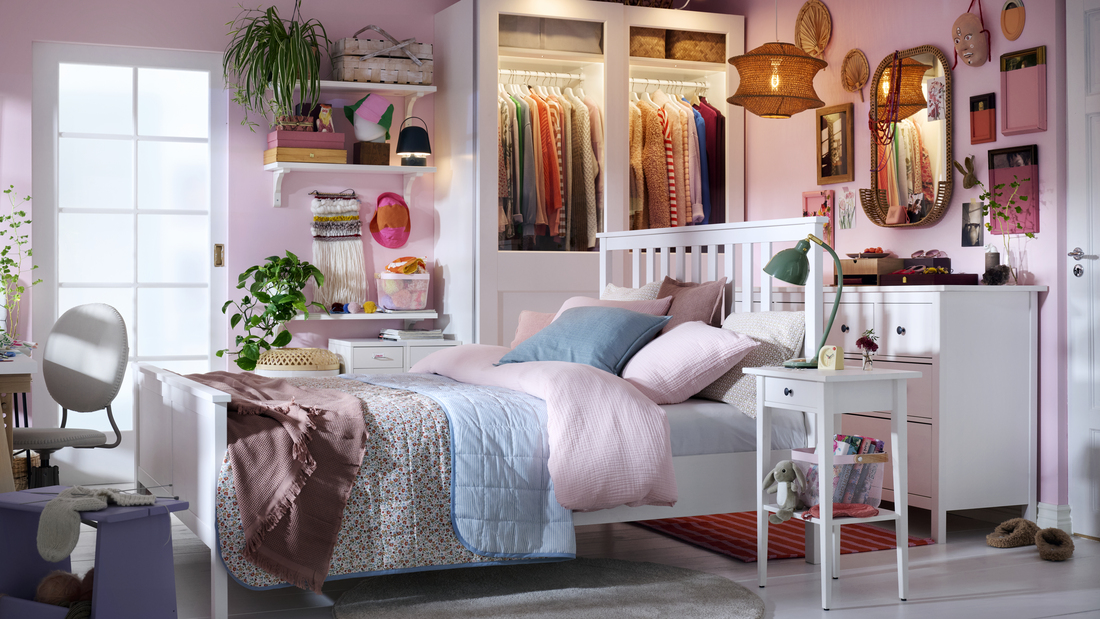
Having a small shop does not mean you have to compromise on keeping your merchandise organized. With the right storage system, you can make the most of limited space while keeping your shop neat and comfortable.
Proper product organization also makes it easier to find inventory and speeds up customer service. Here are some practical storage solutions to help you create an efficient storage system for your small shop.
Storage solutions should be selected based on room dimensions, product characteristics, and required load capacity. Check each product's specifications before purchasing to ensure safe, efficient, and long-lasting storage.
Tips for storing items in a small shop
Storing items in a small shop requires careful planning to make the most of every corner. Here are some tips to help you choose the right storage solutions and manage your inventory more efficiently.
1. Identify your storage needs before buying shelves
To determine your storage needs, distinguish between insufficient storage capacity, disorganized items, and excess inventory. Each issue requires a different approach.
Additional shelving can help when you genuinely lack storage space. However, if your space is occupied by empty packaging or inactive inventory, adding more shelves will only shift the problem elsewhere.
Therefore, inspect your inventory and measure the available space before deciding which type of shelving you need.
2. Make an inventory of items to be stored
To organize your inventory, record each product's name, packaging dimensions, weight, maximum storage quantity, and picking frequency. Also, note any special requirements, such as protection against impact, security monitoring, or specific storage temperature limits.
3. Measure your space
To determine your available storage capacity, measure the areas that can actually be used. Keep in mind that some space must remain accessible for customers, staff, door openings, and moving merchandise.
Aisle widths should accommodate the people using the space, daily activities, handling equipment, and applicable building regulations. Check whether staff can carry items without obstructing customers or emergency exits.
4. Compare suitable storage options
When choosing storage solutions, compare their functions and practical limitations. Vertical storage can help save floor space, but its benefits may be limited if items are difficult to reach or the load capacity is insufficient.
5. Separate certain items
Separate items according to their types, functions, and storage requirements to make inventory management easier. Fragile items, products that may leak, or goods requiring special storage conditions should be kept separately in accordance with their storage instructions.
This separation helps reduce the risk of damage and cross-contamination. Use suitable containers to keep items safe and easy to locate.
6. Make use of walls and corners
Use walls and corners to increase storage capacity without taking up too much floor space. You can install wall-mounted shelves or use storage boxes that fit your available space and the characteristics of your merchandise.
When deciding where to place items, consider both picking frequency and weight, as well as handling risks. Frequently accessed items are not necessarily suitable for upper shelves, especially if they are heavy.
7. Check storage materials and safety
When evaluating storage solutions, check both the materials and the finished product specifications. A shelf that looks sturdy may not necessarily be suitable for your load requirements or storage environment.
Use written information from manufacturers or suppliers as the basis for your purchasing decisions. For installations involving building structures, seek assistance from qualified professionals when necessary.
8. Establish storage locations and inventory rotation
To maintain an organized storage system, every item should have an identification label, a designated storage location, and clear picking procedures.
Furniture provides the physical storage space, while procedures ensure that the space remains functional. A simple system can be sufficient as long as all staff members follow the same rules and record inventory changes.
9. Use product labels
Use labels to identify product names, item codes, or inventory categories on each storage box and shelf. Clear labels help staff locate items without having to open every container.
Choose labels that are easy to read and suitable for your storage environment. Update the information whenever the contents or storage locations change to prevent picking errors.
10. Set a budget based on your needs
Determine your storage budget based on the quantity of items, room dimensions, and types of containers required. Prioritize the most essential storage equipment to keep expenses under control.
Compare prices, materials, capacities, and durability before purchasing. With careful planning, you can find suitable storage solutions without spending more than necessary.
Read Also: 5 Creative ways to use storage boxes in the living room
Storage recommendations for small shops at IKEA
Choosing the right storage solutions can help keep your merchandise organized and easily accessible.
IKEA offers a variety of boxes and baskets that can be used to store inventory, work supplies, and small items according to your shop's needs.
Here are some recommended products:
1. UPPDATERA brown box

The UPPDATERA box features two handles that make it easy to carry and pull out of drawers or shelves. Its lower front edge allows you to see and access the items inside more easily.
This box is suitable for storing small supplies so they are easier to find. Its plastic material and rounded corners also make cleaning easier, while its design allows it to be combined with other boxes.
2. SNIDAD Rattan Basket

The SNIDAD basket can be used to store items that need to be easily accessible, such as shop supplies or accessories. Its relatively large size allows you to place it on the floor, depending on your available space.
The rattan material gives the basket a natural appearance, with a unique character that develops over time. Each basket also has its own distinctive features because it is handmade by skilled artisans.
3. SKUBB Box

The SKUBB box helps organize small items so they do not get mixed up with other supplies. It can be used to store work accessories, hobby supplies, or small items that need to be kept separate.
This box is ideal for keeping drawers and cabinets organized. At least 90% of the polyester material used in this product comes from recycled materials.
4. KNAGGLIG Wooden Box

The KNAGGLIG wooden box is suitable for storing cans, bottles, and shop supplies that require a sturdy container. Its handles make it easier to lift or pull out the box when retrieving items.
Made from untreated solid pine, this box can be coated with oil or paint according to your preferences. You can also stack two boxes to make use of vertical space, provided the arrangement is stable and suitable for the items being stored.
5. SAMLA Transparent Box

The SAMLA box is made of transparent plastic, allowing you to see its contents without opening the container. Its design makes it suitable for organizing small tools, cleaning accessories, and other shop supplies.
You can add a 5-liter SAMLA lid to help protect items from dust and make stacking easier. Before stacking the boxes, make sure their contents and arrangement comply with the product's capacity and usage instructions.
Read Also: Tips to create additional storage space with IKEA products
More efficient storage solutions for small shops
Effective storage for small shops starts with identifying your needs, measuring available space, and organizing items systematically. Choosing the right shelves, boxes, and baskets can help maximize space and simplify inventory management.
IKEA offers a wide range of storage solutions to help you organize your merchandise according to your needs. Visit IKEA.co.id to discover storage options that suit your shop's space and requirements.
FAQ
Use storage furniture that fits the room's dimensions and avoid placing too many items in customer areas. Choosing the right colors and lighting can also help create a more spacious feel.
Calculate the volume of each item or package, then compare it with the usable capacity of your shelves, cabinets, or storage boxes. Leave enough space to retrieve items safely and maintain proper air circulation when necessary.
Open shelves make it easier to see and access items, while closed shelves help protect products from dust and keep the shop looking tidy. Choose the type of shelving based on product characteristics, accessibility requirements, and storage conditions.
Set minimum and maximum stock levels based on sales patterns and replenishment lead times. Review your inventory regularly to reduce excess purchases and identify slow-moving products.
Cleaning frequency depends on the types of items stored, room conditions, and how frequently the storage areas are used. Establish a regular inspection schedule to remove dust, check for damaged containers, and ensure that items remain in good condition.