The right supplies not only support comfort but also help children feel more confident on their first day. Here are the essentials to prepare:
1. School bags and main essentials
Choose a bag that is lightweight, comfortable, and suited to your child’s size so it is easy to carry daily. Make sure it has enough space for school supplies and meals.
Complete it with an IKEA 365+ water bottle to keep your child hydrated throughout the day. With practical supplies, children will be more ready to follow their kindergarten routine.
2. Stationery for learning and play activities
In kindergarten, learning activities are often delivered through creative play such as drawing and coloring. Therefore, it is important to prepare stationery such as colored pencils, crayons, and other drawing tools.
You can choose MÅLA products designed to support children’s creative exploration. With the right tools, children can freely express their ideas and imagination while developing fine motor skills.
3. Practical lunch containers and bags
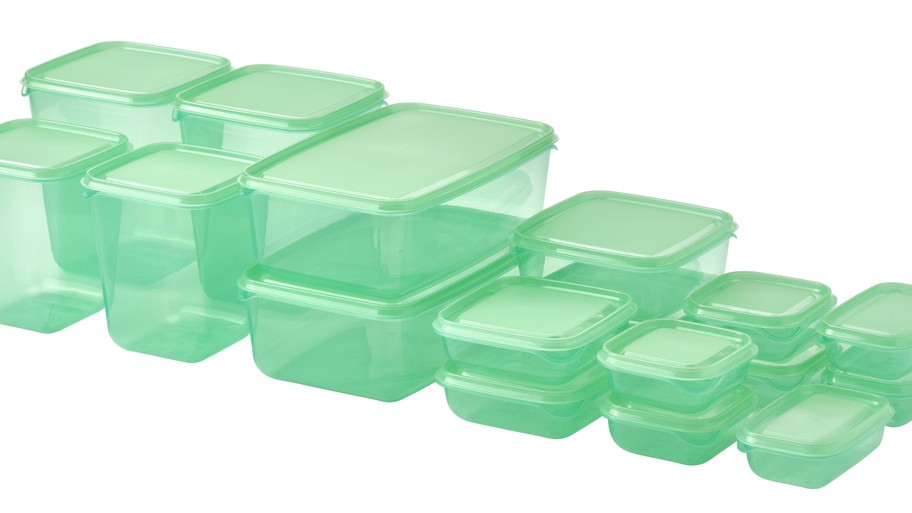
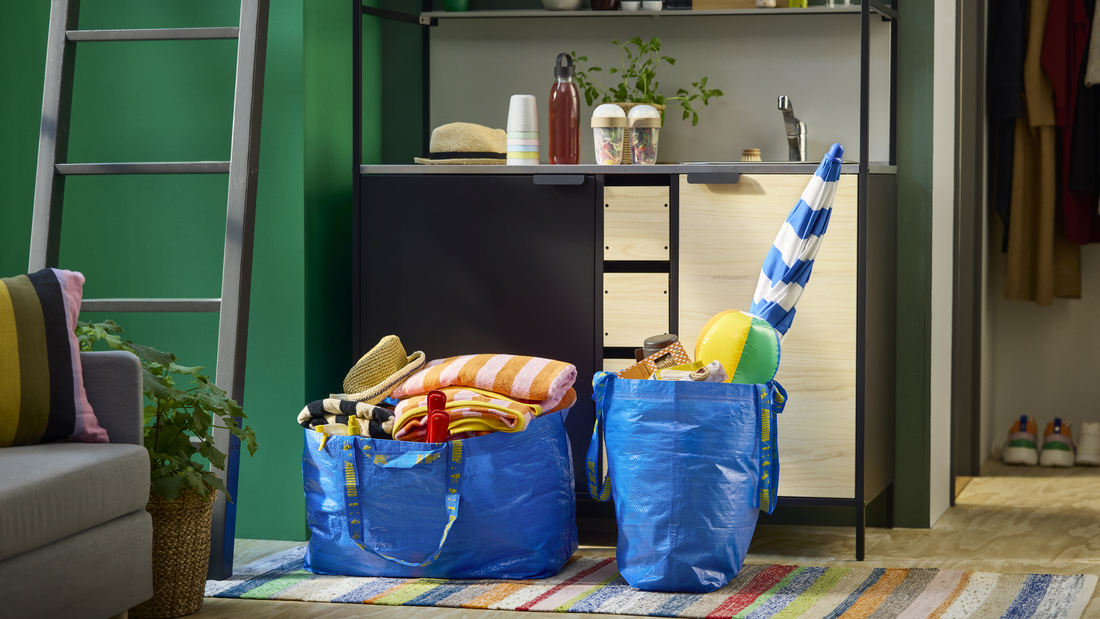
Meals are essential to support children’s energy during school. Use PRUTA food containers that are practical and easy for children to open. FRAMTUNG lunch bags help keep food organized and easy to carry.
With suitable meal supplies, children not only learn independence while eating but also feel more comfortable during break time at school.
Setting up a study and play space at home
In addition to school supplies, the home environment also plays an important role in helping children adapt comfortably to kindergarten. A well-organized study and play space helps children understand when it’s time to focus and when it’s time to explore. Here’s how to create it.
1. Create a simple and comfortable study corner
You don’t need a large space to create a learning area. A small corner at home can be optimized with a LATT table designed for young children.
Pair it with a MAMMUT chair that is lightweight and easy to move, allowing children to sit comfortably while studying or playing. This area helps children recognize a dedicated space for learning and build positive habits from an early stage.
2. Use storage to keep supplies organized
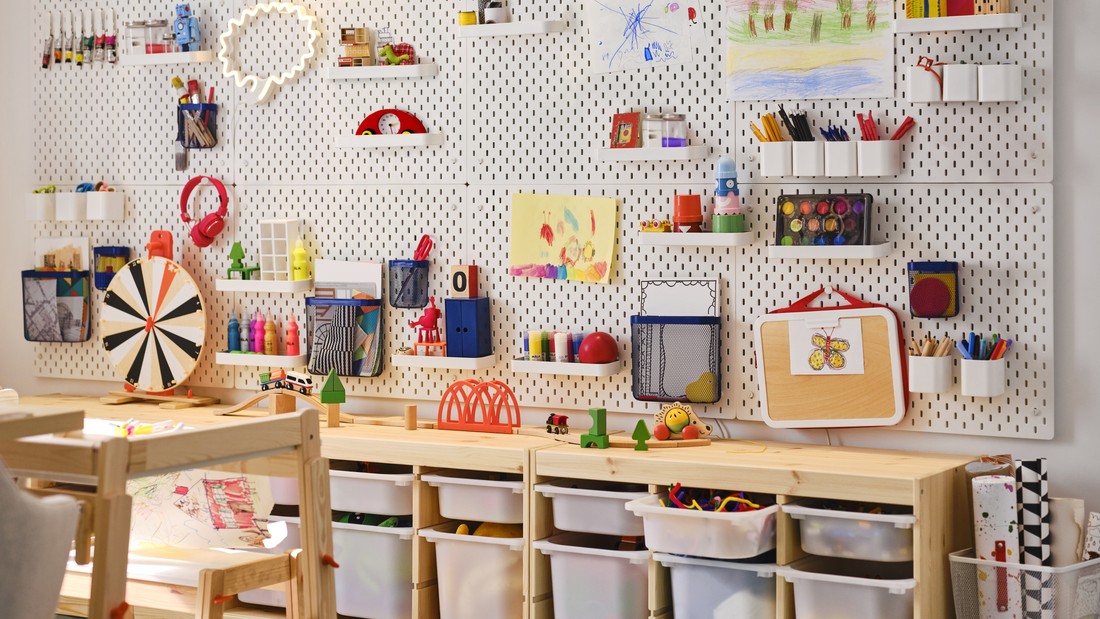
Tidiness is key to preventing distractions while children learn. Use storage boxes for stationery like pencils, crayons, and drawing tools so they are easy to reach.
You can also add a small BILLY shelf to store books and children’s artwork neatly. With a simple storage system, children can learn to tidy up their belongings and understand the importance of keeping their environment organized.
3. Create a fun learning atmosphere
The atmosphere of a room also affects children’s enthusiasm for learning. You can introduce bright colors and playful Scandinavian elements to make the space feel warm and child-friendly.
Provide a special area for drawing or creative exploration so children can freely express their ideas. With a fun environment, children will be more excited to learn and play at home every day.
The role of parents in helping children adapt to kindergarten
The process of starting kindergarten is not only about the child’s readiness but also how you as a parent are present and supportive at every stage. Here are ways you can take part.
1. Accompany children during the early days of school
During the early days, children may feel anxious or hesitant when separating from their parents. Therefore, it is important to provide a sense of safety and comfort through consistent presence.
You can accompany your child to school, give a hug before parting, and reassure them that they will be okay. This support helps reduce anxiety and builds confidence as they begin their school days.
2. Build positive communication about school
The way you talk about school influences your child’s perception. Try to share enjoyable activities they will experience, such as playing with friends or drawing.
Avoid putting excessive pressure or expectations that may burden the child. With positive communication, children will feel more enthusiastic and see school as a fun place.
3. Make learning a family activity
Learning does not always have to feel formal, especially for young children. You can turn it into a warm family activity, such as drawing together, reading books, or playing educational games at home.
These moments not only help children understand the learning process but also strengthen the bond between parents and children. When children feel supported, they are more ready to face new experiences at school.
Also read: Educational toys for kids
It’s time to prepare your home to support your child entering kindergarten