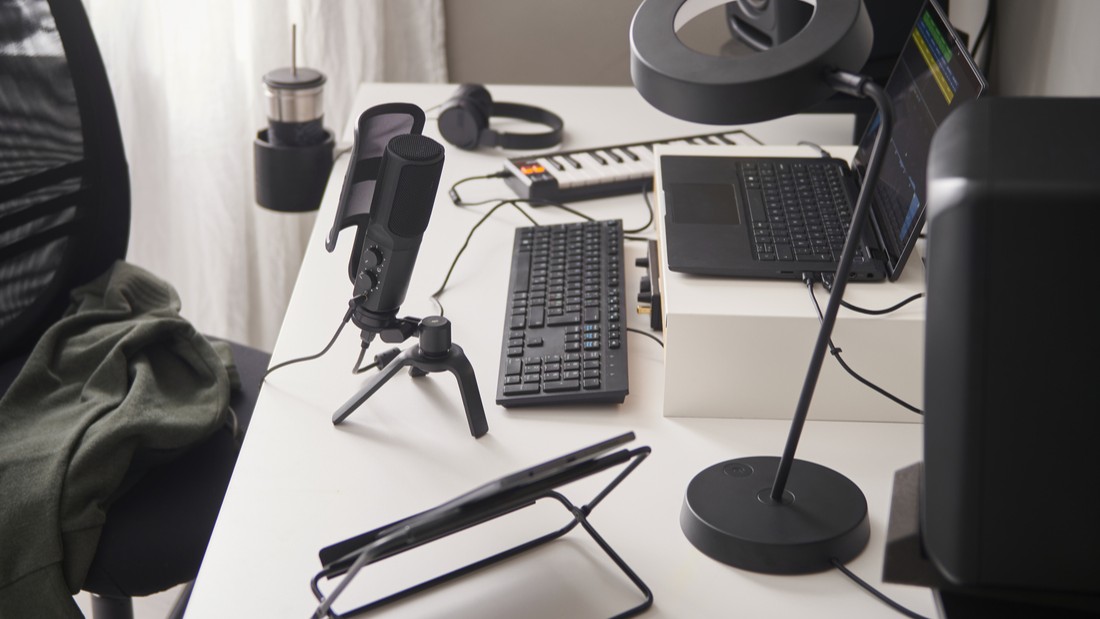
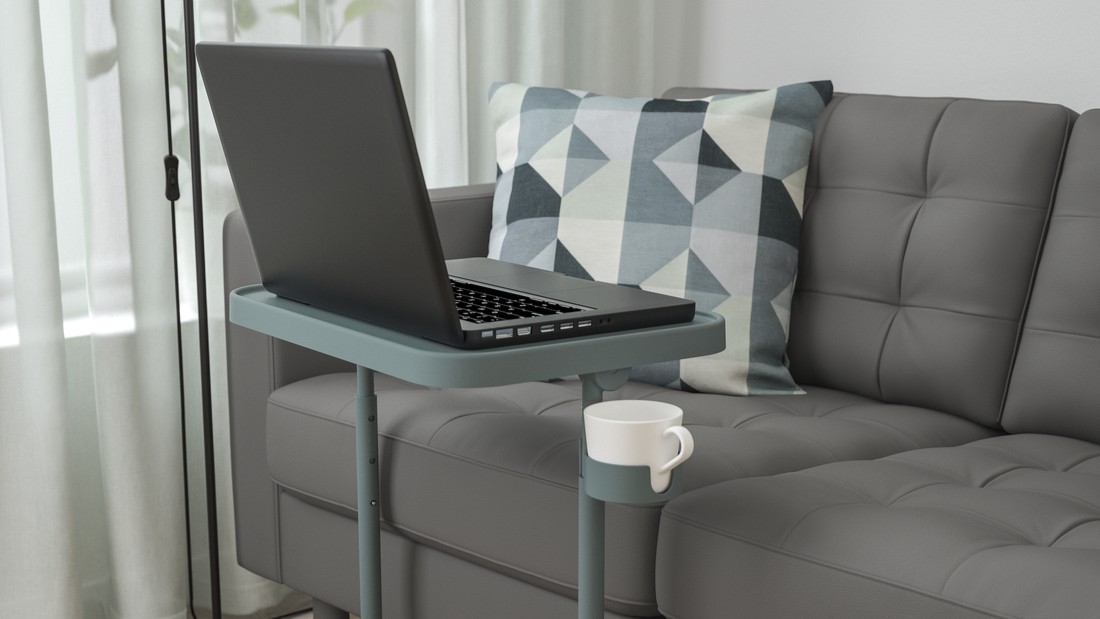
Office equipment needed to support daily work activities

Office equipment forms the foundation of modern work activities, whether in corporate offices, administrative workplaces,or small-scale workspaces. When people search for “office equipment needed for daily work”, they are usually not looking for a random list of items, but for a clear understanding of what tools truly support everyday productivity. 

In this context, office equipment refers to durable work tools that enable core work processes, not disposable supplies. By understanding office equipment from the beginning, you can structure your workspace more effectively, avoid unnecessary purchases, and ensure every item has a clear role in your daily workflow. 

Understanding office equipment and office supplies in a modern work context 

To understand work needs properly, office equipment should be seen as part of a work system rather than as isolated objects.  

In today’s offices—both corporate and administrative—equipment functions as the primary enabler of daily tasks. The terms office equipment and office supplies are often used interchangeably, even though they serve different purposes. 

Office equipment supports core work activities, while office supplies support administrative processes around them. Clarifying this distinction helps prevent common mistakes, such as prioritizing consumable items before establishing a functional work setup. 

What is meant by office equipment 

Office equipment refers to durable tools that are used repeatedly to support daily work processes. These tools are directly involved in performing core activities, such as working at a desk, sitting for extended periods, or processing tasks using computing devices. 

Common examples include a work desk as the main activity area, a work chair to support long working hours, and a laptop or computer to process tasks and data. Office equipment is designed for long-term use and functions as part of the essential infrastructure of a workspace. 

The difference between office equipment and office supplies 

Office equipment and office supplies differ in both function and usage characteristics, even though they work together in daily operations: 

Aspect 

Office equipment 

Office supplies 

Usage nature 

Durable, long-term 

Consumable 

Main function 

Core work tools 

Administrative support 

Role in work 

Work foundation 

Operational complement 

Common examples 

Desk, chair, computer 

Stationery, paper, ink 

This distinction clarifies that equipment creates the structure of work, while supplies support ongoing administrative tasks. 

Office equipment or office supplies: which comes first 

In most situations, office equipment should be prioritized before office supplies. Equipment forms the foundation of the work system, while supplies become relevant once that system is in place. Without a desk, chair, or primary work device, office supplies cannot be used effectively. This way of thinking helps avoid unnecessary spending and ensures that every addition to the workspace serves a clear function. 

Key reasons to prioritize equipment: 

  • Equipment enables work activities to begin 

  • Supplies follow established work processes 

  • A solid foundation simplifies future adjustments 

Read also: Minimalist workspace inspiration with discounted IKEA furniture 

Types of office equipment and their functions 

Office equipment is best understood through functional classification rather than random item lists. This approach helps clarify how each category contributes to the overall workflow. 

Core work equipment for daily activities 

Core work equipment consists of tools used throughout the workday and directly connected to primary tasks. 

  • Work desk functions as the main area for performing daily activities. 

  • Work chair supports seated work for extended periods. 

  • Laptop or computer is used for processing tasks, documents, and data. 

Together, these items form the center of daily work activities and are usually the first equipment required in any office setup. 

Supporting equipment for document and data processing 

This category includes equipment that supports both physical and digital document workflows. These tools help manage printing, copying, and data handling so that administrative processes run smoothly. 

The focus is on workflow support rather than technical specifications. With proper supporting equipment, document-related tasks can be completed without disrupting core work activities. 

Office storage and filing equipment 

Storage equipment plays a key role in maintaining order and accessibility in the workplace. Well-organized storage reduces time spent searching for documents and minimizes the risk of misplacement. 

Common examples include: 

  • Document racks 

Efficient storage contributes directly to smoother daily operations. 

Presentation and communication equipment in the office 

Presentation and communication equipment supports collaboration and information sharing. These tools help teams communicate ideas, discuss data, and coordinate tasks. In a general office setting, such equipment enables clear communication without relying on software or applications. Their presence supports teamwork and informed decision-making. 

Essential office equipment to support productivity 

Not all office equipment needs to be acquired at once. However, certain items are generally considered essential due to their critical role in supporting productivity. 

Basic office equipment that cannot be left out 

Basic office equipment represents the minimum requirements for starting work activities. 

Essential checklist: 

  • Work desk: primary activity surface 

  • Work chair: supports daily work posture 

  • Primary work device: processes tasks and data 

This basic setup is often sufficient for small or newly established offices. 

Additional office equipment based on work needs 

Office equipment needs vary depending on work activities. Administrative work may require more document-related equipment, while presentation-focused tasks require communication tools. 

In many cases, additional equipment becomes necessary only after the core workflow is stable. This approach ensures that equipment additions are relevant and functional. 

The relationship between office equipment and office supplies within one work system 

Office equipment and office supplies function together within a single work system. Equipment provides the structure, while supplies support day-to-day operations within that structure. Understanding this relationship helps create a more integrated and efficient workspace. 

How office equipment and office supplies support each other 

The functional relationship becomes clear in everyday use. A work desk, as equipment, provides the activity surface, while stationery, as supplies, is used on that surface to support administrative tasks. This example shows that supplies work best when the necessary equipment is already in place. 

How to understand office equipment needs based on work activities 

Understanding office equipment needs is not about copying other offices, but about aligning tools with actual work activities. 

Adjusting office equipment to different types of work 

Different work activities involve different workflows. Tasks focused on physical documents require storage and processing tools, while data-driven work relies more on computing devices. By focusing on activities rather than job titles, you can identify equipment that truly supports your work. 

Setting equipment priorities before completing office supplies 

A commonly used approach is to establish the foundation first. Office equipment is prioritized to create a functional system, and office supplies are added afterward as operational needs emerge. This sequence is widely applied to maintain efficiency and relevance. 

Read also: Minimalist office work desk inspiration for productive work 

Building a relevant and sustainable work system 
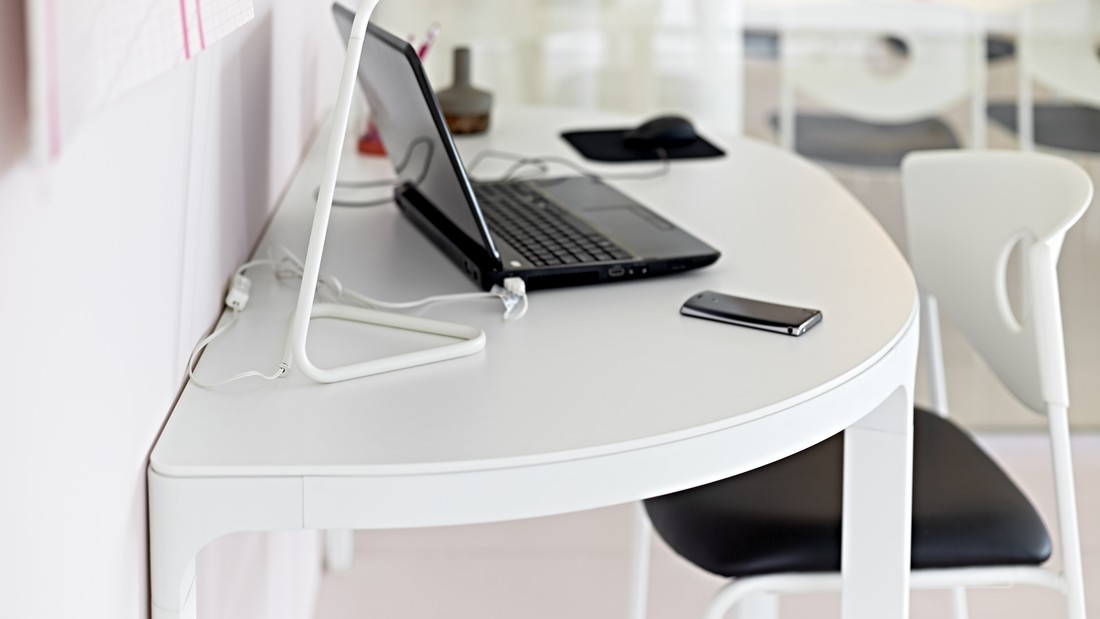
In general, office equipment forms the foundation of a productive and well-structured work system. By understanding what office equipment is needed, how it functions, and how to prioritize it, you can create a workspace that supports daily activities effectively. In professional practice, this systematic approach helps maintain efficiency without excess. 

For further inspiration and practical references on modern workspace organization, you can explore room and workspace ideas on the official IKEA.co.id website. This perspective aligns with 


Back to top