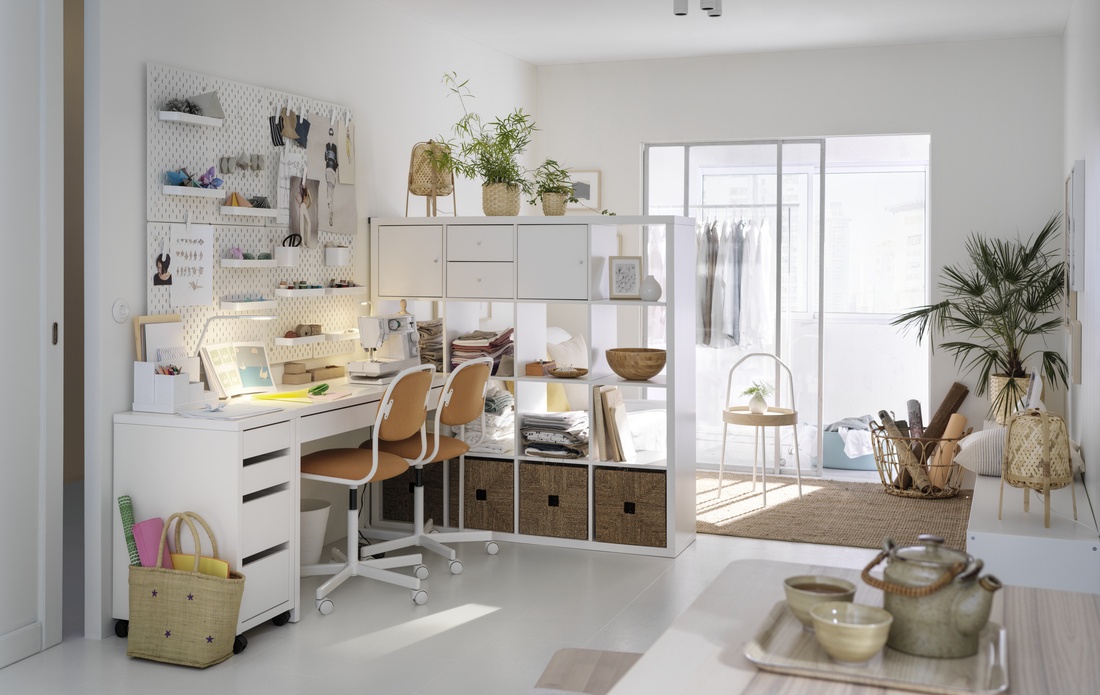
A minimalist two-storey house can provide more living space without requiring a large plot of land, but every household still needs a practical place for its belongings. Without a clear storage plan, bedrooms, living areas, corners and circulation spaces can quickly become cluttered. Making use of vertical storage, walls, the area under the stairs and multifunctional furniture can increase storage capacity without sacrificing valuable floor space.
Before adding more cabinets or creating a dedicated storage room, group your belongings according to category and how frequently they are used. Everyday items should stay within easy reach, while seasonal or rarely used belongings can be stored in more concealed areas. This makes it easier to decide what type of storage your home actually needs.
If you are still planning the overall layout, room functions and division between the upper and lower floors, explore this guide to a minimalist 2-storey house design before deciding where storage should be placed.
Plan Storage According to Each Floor
Storage should support the activities that take place on each level.
On the ground floor, prioritise storage for frequently used belongings such as shoes, documents, living-room accessories and everyday household items.
Upstairs, storage can focus on clothing, bedding and more personal belongings associated with bedrooms and private areas.
This approach reduces unnecessary movement between floors and helps every item have a logical place.
Organise Items by How Often You Use Them
Keep frequently used items in easily accessible drawers, cabinets or shelves.
Seasonal decorations, luggage, hobby equipment and other rarely used belongings can be placed higher up, under the stairs or inside a dedicated storage area.
Use IKEA boxes and organisers to separate belongings into clear categories and make cabinets or storage areas easier to maintain.
Turn the Space Under the Stairs into Storage
The empty area underneath a staircase is one of the most useful opportunities in a compact two-storey house.
Depending on its dimensions, it can become a closed cabinet, shoe storage, shelving, drawers or a flexible household storage area.
Open shelves work well for books and decorative items, while closed cabinets or boxes are more suitable for belongings that you prefer to keep out of sight.
Can the Area Under the Stairs Become a Storage Room?
Yes, if its dimensions and access make it practical.
It can be used for cleaning supplies, tools, household stock or other items that are not required every day.
Avoid simply piling things into the available space. Shelves, labelled boxes and clear categories make stored items easier to find.
Also consider the environmental conditions. Items that are sensitive to moisture or heat should not be stored in unsuitable areas.
Use Walls to Increase Storage Capacity
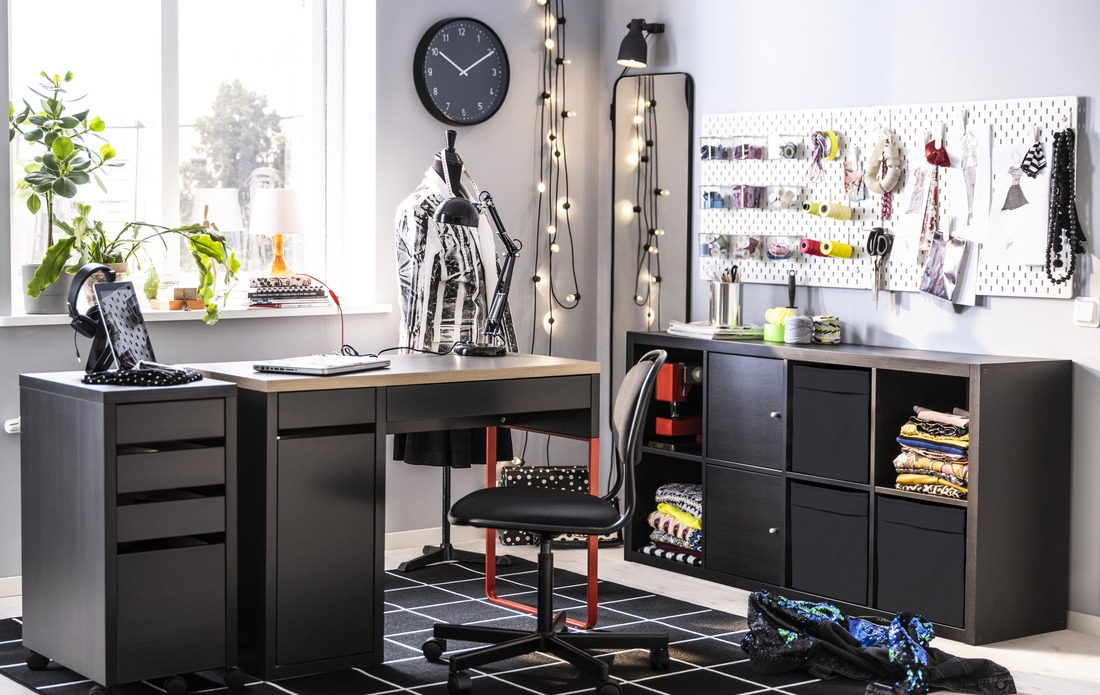
When floor space is limited, move storage upwards.
Wall shelves can make use of vertical surfaces in bedrooms, hallways, living areas or workspaces without occupying additional floor area.
Explore IKEA wall shelves for storage and display solutions that can be adapted to different rooms.
Match the Shelf to What You Store
Open shelves are useful for books, decorative objects and frequently used items.
For smaller belongings that can make a room look cluttered, combine shelving with boxes or organisers.
Always consider the intended load and appropriate installation method so wall storage remains safe as well as functional.
Make Better Use of Unused Corners
Corners are often difficult to furnish using standard pieces, but they can accommodate slim shelving, tall cabinets or customised storage.
In a small home, using these overlooked areas can reduce the need for an additional dedicated storage room.
Use Height Instead of More Floor Space
Tall cabinets and shelving increase storage capacity by using vertical space.
Neutral colours such as white, beige or grey can also make larger storage furniture feel visually lighter and easier to integrate into a minimalist interior.
Choose Multifunctional Storage Furniture
Multifunctional furniture is particularly useful where available space needs to serve more than one purpose.
Beds with drawers, storage benches, tables with compartments and modular furniture can provide additional capacity without introducing another standalone cabinet.
In bedrooms, under-bed storage can hold bedding, seasonal clothes or rarely used belongings.
In the living room, concealed storage helps keep accessories and smaller objects from accumulating on visible surfaces.
Match Storage to the Function of the Room
Different rooms require different storage solutions.
Bedrooms typically need wardrobes and clothing storage, while living rooms may need space for books, electronics, toys or everyday accessories.
Organising storage around each room's function makes the home easier to maintain.
Do You Need a Dedicated Storage Room?
A dedicated storage room can be useful when a household has many items that are used only occasionally, but it should not automatically be the first solution.
Before creating one, check whether under-stair space, wall storage, high cabinets and unused corners can meet your needs.
If a dedicated area is still necessary, design it according to what will actually be stored.
Give the Storage Area a Clear Purpose
A space for tools will have different requirements from one used for pantry supplies or household equipment.
Use shelving to keep items off the floor and boxes to organise smaller belongings by category.
Lighting and ventilation should also be considered so the storage area remains practical and suitable for the items inside.
For more general ideas, see these tips for creating additional storage space.
Can You Use an Attic or High-Level Storage?
If your home has an attic or a high storage area that has been safely designed for use, it may be suitable for lightweight or rarely used belongings.
Closed, labelled boxes can protect stored items from dust while making them easier to identify.
Avoid filling a space simply because it is empty. Accessibility, safety and structural load should always be considered.
Recommended Storage Solutions for a Minimalist Home
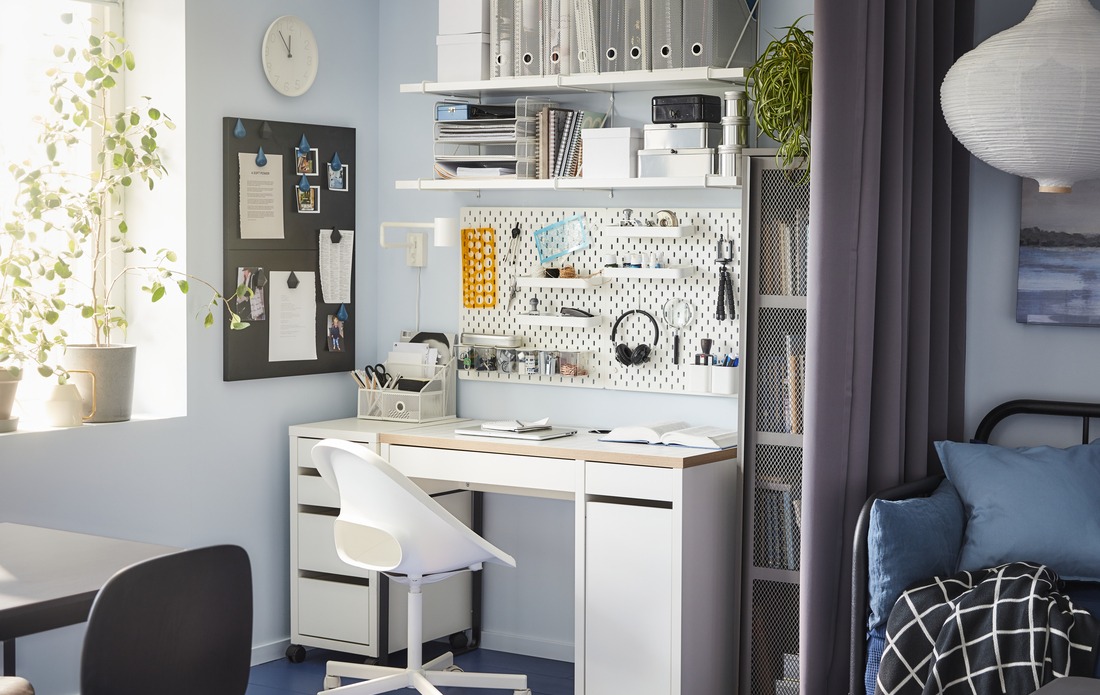
A practical storage system usually combines several different solutions.
Boxes are useful for grouping small or seasonal items, wall shelves take advantage of vertical space, and closed cabinets keep visually busy belongings out of sight.
Browse IKEA boxes and organisers and storage shelving to find options for bedrooms, living rooms, under-stair areas and general household storage.
Choose each solution according to a specific problem rather than filling every empty wall or corner. A minimalist home still needs enough open space for comfortable circulation.
Create a System That Keeps the House Organised
Storage furniture alone will not keep a home tidy if belongings constantly move between different places.
Assign a clear category to each box, shelf or cabinet, and return items after they are used.
Review stored belongings periodically as well. Keeping things you no longer need reduces the capacity available for items that genuinely support everyday life.
With a clear system, storage in a minimalist two-storey house can remain practical without making the home feel crowded.
Read also: Minimalist 2-Storey House Design for Functional Space Planning for broader ideas on organising the upper and lower floors before planning storage for each area.
FAQ About Storage in a Minimalist Two-Storey House
Use wall space, under-stair areas, room corners, tall cabinets and storage built into furniture. Vertical storage increases capacity without using too much floor area.
Depending on the available space, it can hold shoes, tools, cleaning supplies, books, household equipment or rarely used belongings.
Yes, when its size and access are suitable. Shelves, boxes and clearly defined categories help prevent the area from becoming cluttered.
Place them in labelled, closed boxes in a suitable high cabinet, dedicated storage area or another accessible but less prominent location.
Modular and multifunctional pieces such as beds with drawers, storage benches, tall shelving and tables with built-in storage can help save space.
Not necessarily. Wall storage, cabinets, under-stair space and multifunctional furniture may provide enough capacity without requiring a separate room.