Minimalist European house design: Differences, application methods, and design inspiration

European-style houses are often associated with large buildings, grand columns, and heavy decorative details. But what if you love the classic and elegant European atmosphere without having to build a house that feels too formal or overloaded with ornaments? This is where minimalist European house design becomes the solution. 

This style takes the essence of European architecture and simplifies it to stay relevant to modern housing needs, especially in Indonesia. The result is a home that feels neat, elegant, and modern, whether it is a single-story or a two-story house. To understand it better, explore the explanation below. 

Differences between minimalist european and classic european styles 

Minimalist European house design can be seen as a “lighter” version of classic European style. While classic European houses emphasize large columns, detailed carvings, and strong ornaments, the minimalist version takes a more restrained approach. 

What remains are proportion, symmetry, and a sense of classic elegance. Heavy details are reduced or even removed entirely. This approach makes the house feel cleaner, less excessive, and far more suitable for a modern lifestyle. 

In the Indonesian context, this design also adapts to the tropical climate, limited land size, and practical spatial needs. That is why terms such as modern classic European or minimalist classic are often used to describe this style. 

How to apply minimalist European house design 

Applying minimalist European house design requires a controlled approach so the result does not feel excessive. The focus is not on the number of ornaments, but on choosing the right elements that truly represent the European character. 

With the right steps, a house can remain distinctive without sacrificing function and comfort. Here are several approaches you can apply. 

Defining the facade and main elements 

Start with the facade as the main identity of the house. Choose two to three key European elements, such as a gable roof shape, symmetrical window composition, or simple profile molding. Limiting these elements helps keep the exterior neat and prevents it from feeling overly classic. 

Unifying colors and materials 

Once the facade is defined, the next step is selecting a consistent color palette and materials. Neutral colors such as white, cream, and gray work best as a base, combined with darker accents or natural textures. 

Materials like wood, natural stone, and black metal can be used selectively to strengthen the European feel. With proper planning from the start, the risk of design changes during construction can be reduced, resulting in a more cohesive final look. 

Optimizing natural light 

Natural light plays an important role in minimalist European house design. Large window openings help the interior feel brighter and more spacious, while also highlighting European proportions. 

To maintain a minimalist impression, use curtains with simple designs and neutral colors. Avoid busy patterns or thick layered curtains, as they can make the space feel heavy and closed off. 

Choosing furniture and decor in moderation 

Furniture with slim legs and simple designs is more suitable for minimalist European homes than large, bulky pieces. Classic forms can still be present, but with clean lines and lighter proportions. 

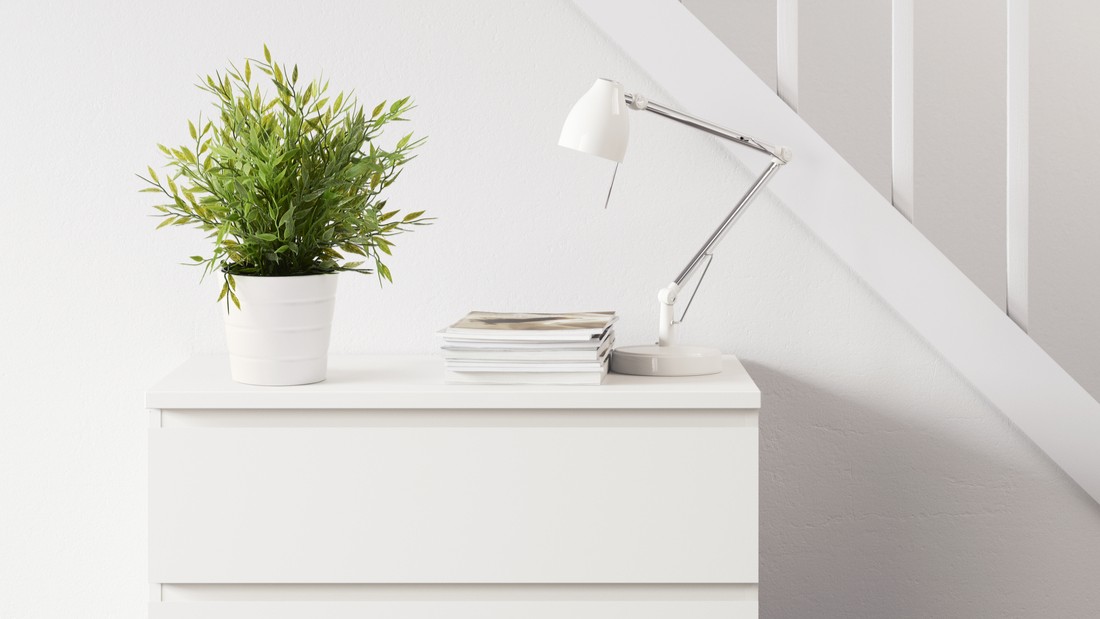
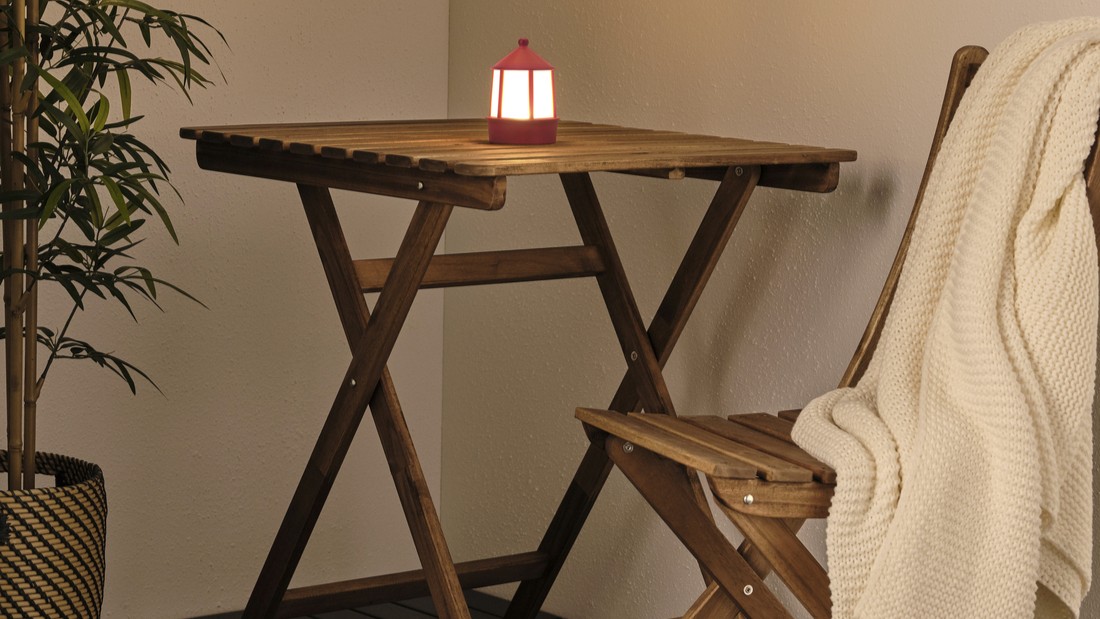
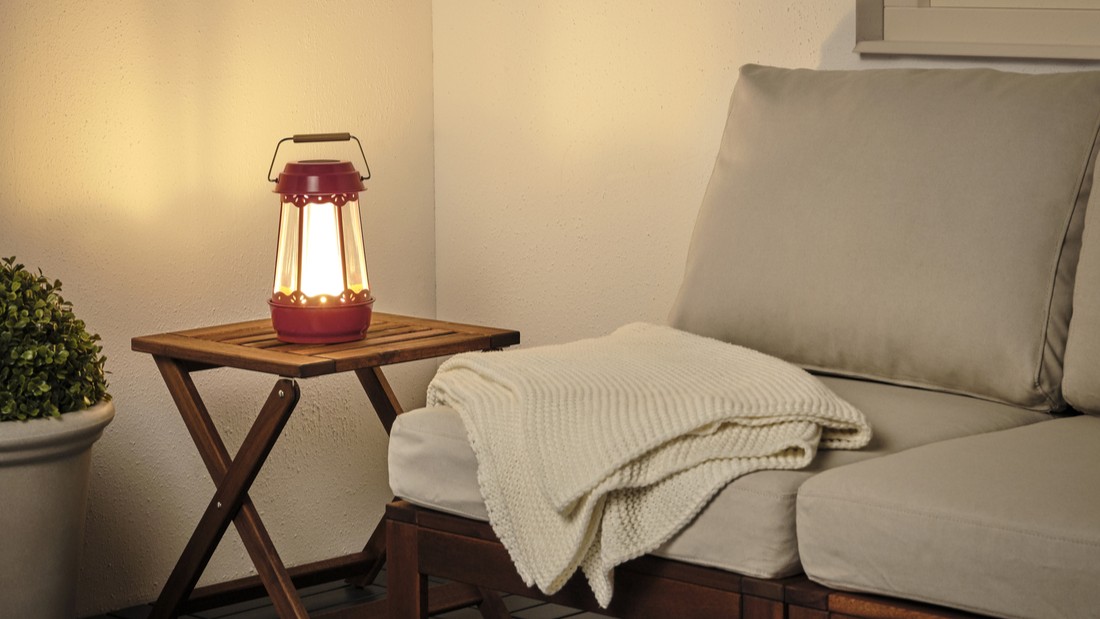
Decor should function as an accent rather than the main focus. A single modern classic lamp, a simple framed mirror, or a medium-sized artwork is usually enough to add character without disrupting the clean look. 

Read also: What is Scandinavian home design? here are some styling tips 

Minimalist European house inspiration based on the number of floors 
The number of floors plays a major role in determining how European character is applied to a house. Single-story and two-story homes require different approaches in terms of proportion, detailing, and ornament control. 

By understanding these differences, minimalist European style can remain balanced and never feel excessive. Here are some ideas you can consider. 

Single-story minimalist European house 

Single-story houses are safest when applying this style with a clean facade and light colors. Usually, there is only one classic accent, such as simple molding or a European-style window shape. 

This approach is ideal for limited land and creates the impression of a modern European countryside home that feels warm and well-organized. 

Two-story minimalist European house 

Two-story houses allow more room for exploration, such as small balconies, tall windows, or slim columns. However, the main risk is making the house look too classic. 

The solution is to control ornamentation. If the facade is already strong, other decorative elements should be minimized to keep the overall look modern. 

Minimalist European house interior for a refined look 

If the exterior already reflects a minimalist European style, the interior determines whether that impression truly carries through once the house is lived in. Many homes look “European” from the outside but lose their character indoors due to overly crowded or inconsistent layouts. 

Minimalist European interiors rely on how spaces are arranged to feel bright, neat, and well-proportioned. Every piece of furniture should have a clear function, without excessive decoration. Below are some interior applications of minimalist European style. 

Minimalist European living room 

The living room is usually arranged simply with a balanced layout. A minimalist sofa faces a focal point, such as a main wall or a large window. 

A slim coffee table and a modern classic table lamp are enough to reinforce the character. A common mistake is adding too many wall decorations, which can make the space feel crowded. 

European-style dining room 

The dining room highlights a warm atmosphere with a light formal touch. A light wood dining table often becomes the main element, paired with a simple pendant lamp with a classic shade. Furniture size should be carefully adjusted so the space remains open and comfortable. 

Minimalist European bedroom 

The bedroom should feel calm and well-organized. A simple bed, concealed cabinets, and neutral colors help create a comfortable atmosphere. Textiles with busy patterns should be avoided to keep the minimalist character intact. 

Read also: 7 Basic interior design principles to make your home more aesthetic 

Creating a minimalist European home that feels real and achievable 

Minimalist European house design is a realistic solution for creating a European-style home that feels refined, neat, and relevant to modern living in Indonesia. By simplifying ornaments and focusing on proper proportions, the house can remain elegant without feeling heavy. 

To ensure this concept feels cohesive throughout the interior, proper interior planning is essential. Through IKEA’s interior design services, you can plan layouts, furniture, and storage solutions that suit a minimalist European style as well as your daily needs. 

To plan your home interior more effectively, you can explore the interior design services or visit IKEA.co.id to discover a wide range of home interior inspirations and solutions. 


Back to top