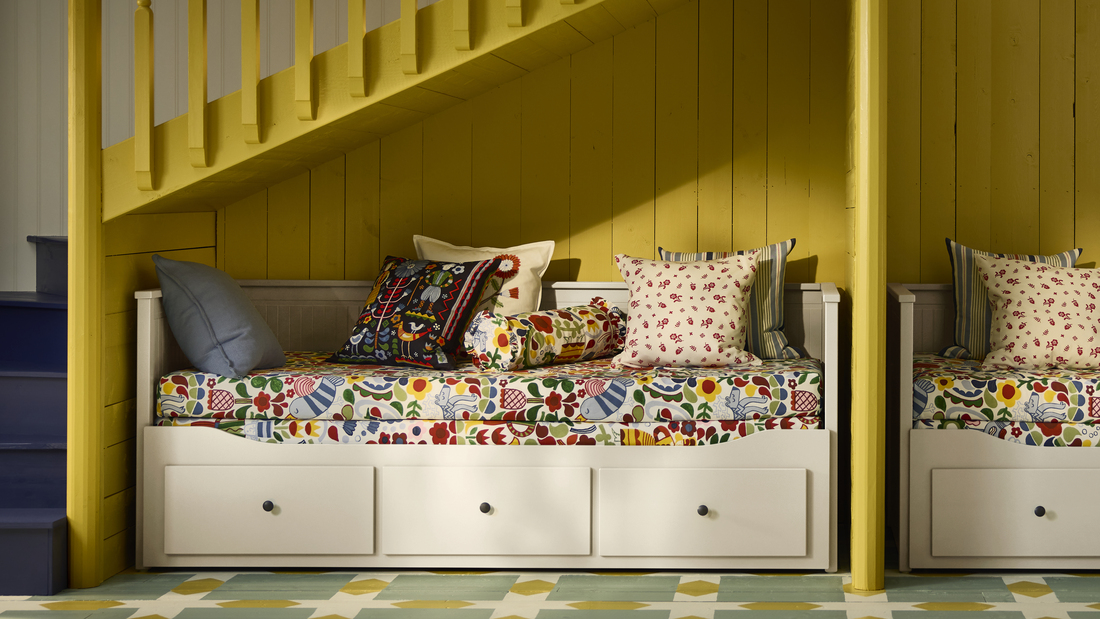
Bunk beds are a practical solution for rooms with limited space. The choice of materials, such as metal and wood, can affect durability, appearance, comfort, and maintenance.
Each material has its own advantages and disadvantages that should be matched to your needs. So, what are the benefits and considerations of each option? Let’s take a closer look below.
Good to know: Choosing a bunk bed is not only about the material but also about safety, size, weight capacity, and functionality. Choose a bunk bed that suits your room conditions for long-term comfort and use.
Types of bed frames based on material
Metal and wood are two common materials used for bunk bed frames. Understanding the characteristics of each material can make it easier to choose the right option for your needs.
1. Metal
Metal bunk beds typically use steel, hollow metal, or aluminum with a protective coating. This material is suitable for minimalist, modern, and industrial-style interiors.
The frame is relatively lightweight, easy to clean, and resistant to termites. Make sure the frame has a high-quality rust-resistant finish to maintain its durability and appearance.
2. Wood
Wooden bunk beds can be made from solid wood such as pine, teak, and mahogany, or from high-quality engineered wood. This material creates a warm, natural look and works well with various interior styles.
Solid wood tends to be heavier and more stable during use. It needs to be protected from moisture and termites to prevent damage.
Read also: Bunk Beds as a Solution for Small Bedrooms
Metal vs. wooden bunk beds: a comparison
The differences between materials can be seen in terms of durability, safety, maintenance, and price. The following table provides a simple comparison of the two options.
|
Aspect |
Metal |
Wood |
Notes |
|
Durability & lifespan |
Durable when coated with rust protection and resistant to termites. |
Durable when made from quality wood and properly treated. |
Moisture can affect both materials. |
|
Safety & stability |
Sturdy when the construction and bolts are strong. |
Stable due to its heavier weight. |
Proper installation is essential. |
|
Noise |
May squeak when the bolts become loose. |
Generally quieter when the joints are tight. |
Joints should be checked regularly. |
|
Aesthetics |
Modern, minimalist, and industrial. |
Natural, warm, and classic. |
Match it with your room style. |
|
Initial price |
Generally more affordable. |
Quality solid wood tends to be more expensive. |
Prices depend on the material. |
|
Maintenance |
Relatively easy, but requires rust prevention. |
Requires protection against termites and moisture. |
Maintenance needs vary. |
|
Weight & portability |
Lighter and easier to move. |
Heavier and more difficult to move. |
Consider this if you frequently rearrange the room. |
|
Functionality |
Easy to combine with storage or a desk. |
Can be integrated with other furniture. |
The design determines its functionality. |
How to choose between a metal or wooden bunk bed based on your needs
Your choice of bunk bed should consider the occupants, room conditions, intended duration of use, and budget. Consider the following points before making a purchase.
-
Choose metal if you need a lightweight bed that is easy to move.
-
Choose wood if you prioritize a warm appearance and a sturdy feel.
-
Match the bed size to the room’s floor area and ceiling height.
-
Check the weight capacity before use.
-
Make sure the frame has strong and stable joints.
-
Consider additional features such as a desk, drawers, or storage.
-
Set aside a budget for the mattress, installation, and maintenance.
Tips for maintaining metal and wooden bunk beds for long-lasting use
Simple maintenance can help keep the frame in good condition for longer. Adjust the maintenance method according to the material of the bunk bed.
For metal frames:
-
Regularly remove dust with a soft cloth.
-
Dry the frame immediately if it gets wet.
-
Check and tighten the bolts regularly.
-
Cover scratches with paint or a rust-resistant coating.
-
Maintain good air circulation to prevent the room from becoming too humid.
-
Avoid hard impacts that could damage the finish.
For wooden frames:
-
Clean with a slightly damp cloth and dry afterward.
-
Use termite-resistant treatment as needed.
-
Keep the bed away from water sources and excessive moisture.
-
Avoid prolonged exposure to direct sunlight.
-
Sand and refinish areas that are starting to look dull.
-
Tighten joints that have become loose.
-
Use floor protectors when moving the bed.
Benefits of choosing the right bunk bed
A bunk bed can make a room feel more spacious without reducing the number of available beds. Choosing the right design can also help create a more functional living space. Here are some of the benefits:
-
Saves floor space for other activities.
-
Keeps shared bedrooms more organized.
-
Provides a separate sleeping area for each occupant.
-
Can be equipped with a desk, drawers, or storage space.
-
Suitable for children’s rooms, teenagers’ rooms, dormitories, and guest rooms.
-
Helps maximize small spaces.
Bunk bed recommendations from IKEA
IKEA offers a variety of bunk beds and loft beds designed to meet different space requirements. The following models can serve as references when looking for a practical and space-saving bed. Explore IKEA’s selection of beds to find an option that suits your space and room style.
1. TUFFING
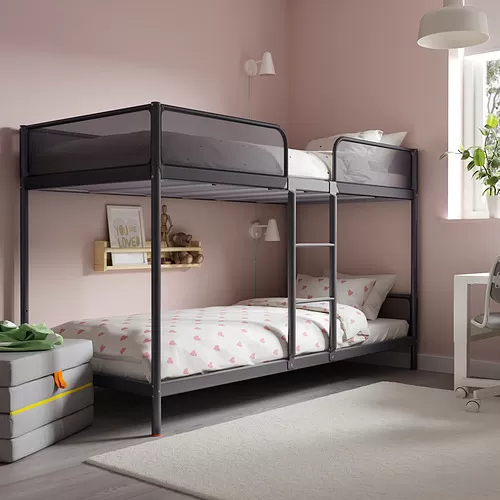
TUFFING is a bunk bed designed for two people in a limited space. Its sleeping positions are lower than those of some other models, making access to the upper bunk easier.
This model uses a frame designed for a 90 × 200 cm mattress and accommodates mattresses up to 11 cm thick. IKEA also states that this product is recommended for children aged 6 and above.
2. SVÄRTA
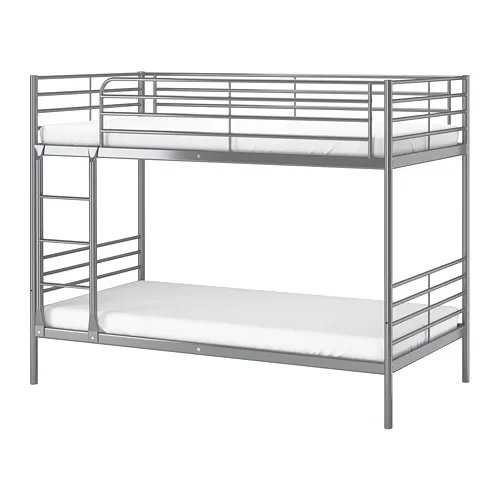
SVÄRTA is suitable for rooms that need two beds without taking up too much floor space. Its bunk design leaves additional room for other activities in the bedroom.
This model can be a good option for children’s rooms or shared spaces with limited floor area. Its simple design also makes it easy to pair with other bedroom furniture.
3. KURA
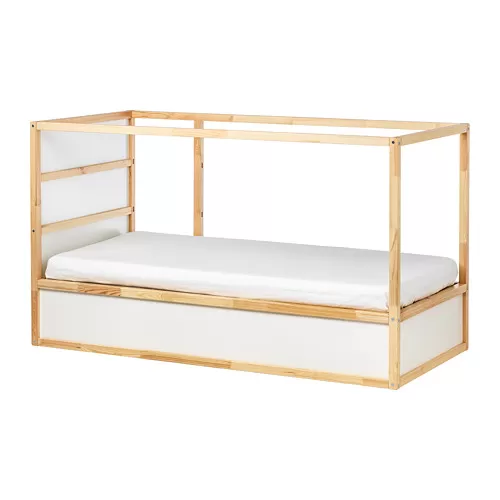
KURA is a low bed that can be adapted as a child grows. Its frame can be flipped to transform the space underneath the bed into a play area.
This design makes KURA flexible for different stages of a child’s development. The space underneath the bed can be used as a play area or a place to relax.
4. VITVAL
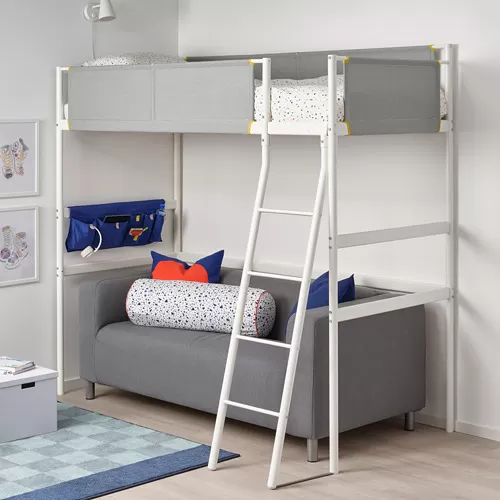
VITVAL offers a bunk bed with an open space underneath that can be used for various activities. This space can serve as a study area, workspace, or seating area.
The VITVAL model accommodates a 90 × 200 cm mattress and has a frame height of approximately 162 cm. IKEA recommends the upper bed for children aged 6 and above and specifies a maximum weight capacity of 100 kg.
5. SMÅSTAD
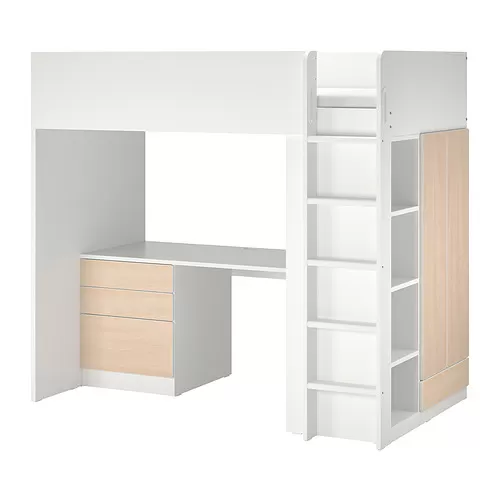
SMÅSTAD is a loft bed solution that combines a sleeping area with a desk and storage. This combination is suitable for small rooms that need sleeping, studying, and storage functions in one area.
Its design helps create a private space for children without requiring a large bedroom. The integrated furniture concept also makes it easier to organize the room according to different needs.
Read also: 6 Recommendations for Small and Single Spring Beds for Minimalist Bedrooms
Choose the right bunk bed material for your needs
There is no single material that is best for every need. Metal is suitable if you are looking for a lightweight, practical bed with a modern style, while wood is better suited to those who prefer a natural appearance and a sturdy feel.
Frame quality, installation, weight capacity, and maintenance remain important factors to consider. Choose the material based on your room conditions, number of users, budget, and intended use.
If you are looking for bunk beds with a variety of designs and functions, IKEA offers a range of products for different bedroom needs. You can explore the latest options at IKEA.co.id before choosing the bed that best suits your needs.
FAQ
Bunk beds should be used according to the manufacturer’s age recommendations and safety instructions. Make sure the guardrails, ladder, frame, and installation are all in good condition.
The ceiling height should be considered based on the bed height and the amount of space above the mattress. Measure the distance between the mattress and the ceiling to ensure that the occupant can sit comfortably without easily hitting their head.
This depends on the product’s design and construction. Check the manufacturer’s specifications before purchasing if you need a model that can be used as two separate beds.
Use a mattress with the size and thickness specified for the bed frame. A mattress that is too thick can reduce the effectiveness of the guardrail on the upper bunk.
Bunk beds can be a good option for dorm rooms because they help save floor space. Choose a size that fits the room and consider ease of installation and portability.