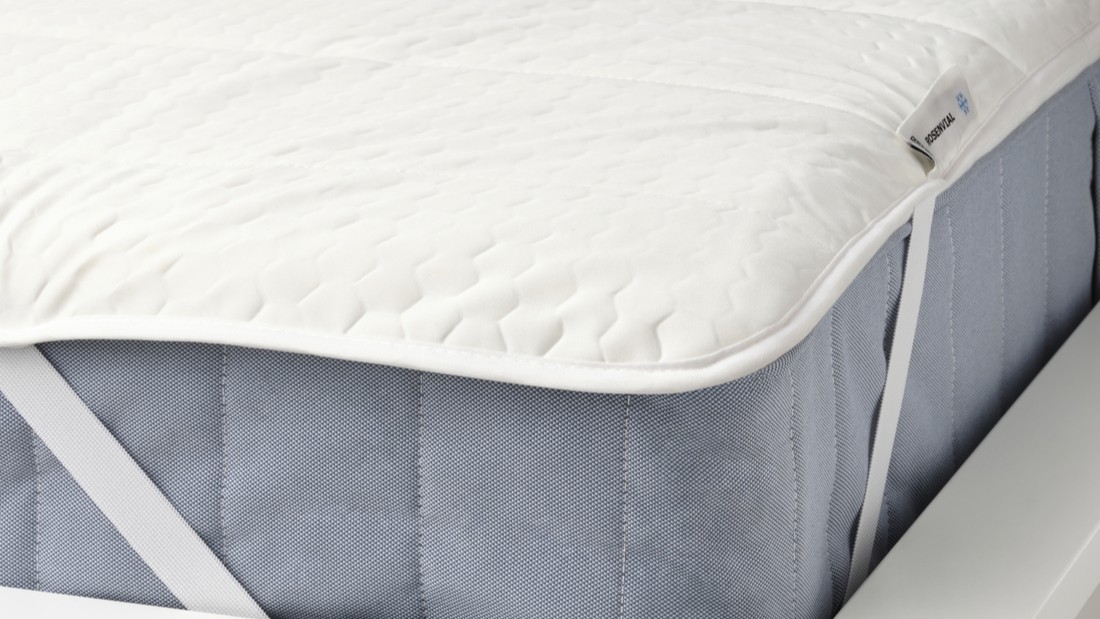
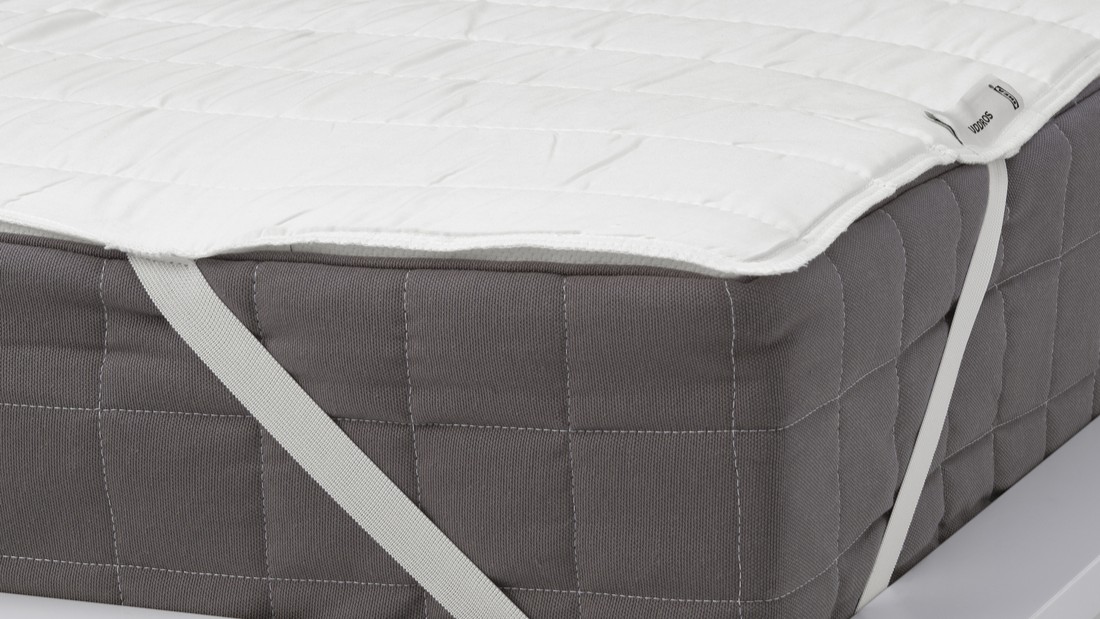
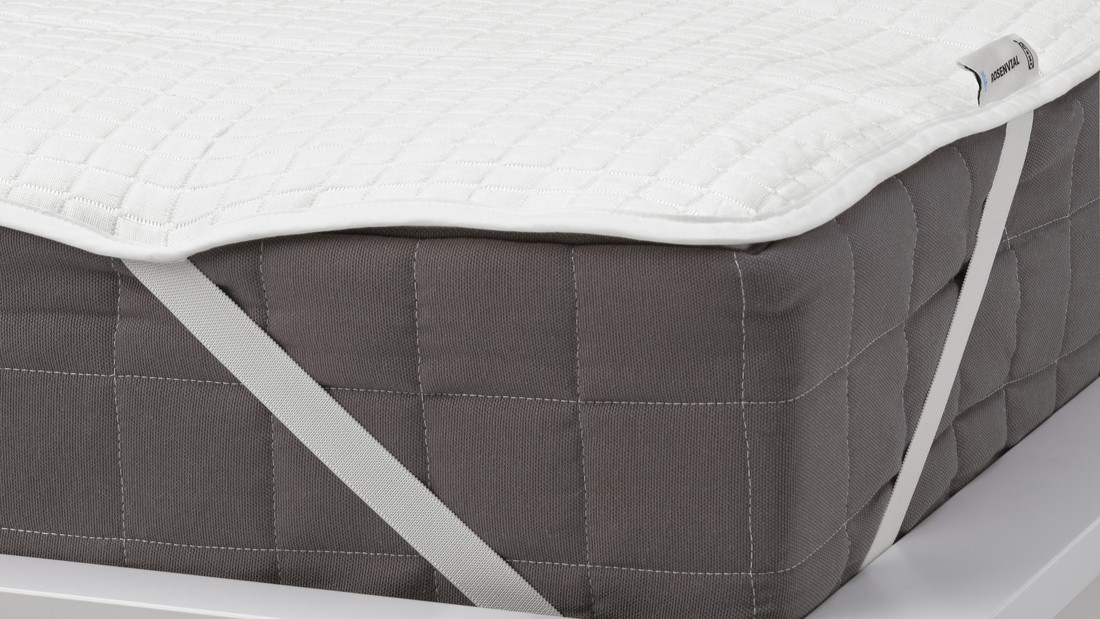
Not all mattress protectors are created equal for different needs. Each material offers its own advantages when used with different mattress protectors, depending on your preferences.
Cotton mattress protector
Cotton is a popular choice for mattress protectors. The material is breathable and soft on the skin when used. The price is also more affordable than other materials of comparable quality.
The disadvantage is that it tends to absorb liquids easily, so it gets wet quickly. If spills occur, stains can penetrate and are difficult to clean. However, for basic dust protection, this material is sufficient to complement your bed.
Waterproof mattress protector
For maximum protection from liquids, choose waterproof or water-resistant ones. Suitable for families with children's mattresses or active pets. Its special layer can prevent liquids from permanently damaging your mattress and leaving stains.
This material usually uses water-resistant polyurethane or vinyl layers. Still comfortable to use and protects the mattress from spills and moisture. This material is the right choice for keeping the mattress durable.
Memory foam mattress protector
Want to add sleep comfort while protecting the mattress surface? Memory foam can be another option. This material can conform to the body's shape and provide optimal support.
It has varying thicknesses, generally 2-5 cm, with different levels of softness. The thicker it is, the softer it feels when you lie on it. However, it should be noted that this type of mattress requires extra care because it cannot be machine-washed.
Latex mattress protector
Latex offers better durability than regular foam, which tends to deflate easily. This material is naturally hypoallergenic and suitable for allergy and asthma sufferers. Air circulation is also better, so it doesn't feel hot when used.
The price is indeed higher than other options in the bedding category. However, its long-term durability is worth the investment. Latex can last up to 5 years or more with proper care.
The difference between mattress protectors and mattress toppers
Many people are still confused about how to distinguish these two bedding products. Yet their functions are quite different, even though both are installed on top of the mattress for extra comfort as complementary furniture in the bedroom.
Mattress protectors are thinner, usually under 5 cm, with a focus on protection. The main purpose is to protect the mattress surface and add a slight amount of softness. While mattress toppers are much thicker, can be 7-10 cm to change the hardness level.
Toppers are suitable for use if your mattress is too hard or too soft. Meanwhile, mattress protectors usually help keep the mattress from everyday stains and dirt.
When combined, the topper will enhance comfort, while the mattress protector will provide optimal protection. However, for most people, just one of them is sufficient for daily needs.
Tips for choosing the right mattress protector
Buying a mattress protector is not just about taking the first one you see. There are several important factors to consider to suit your needs.
Match the mattress size
The right size is the first thing to check when buying a mattress. A protector that's too small won't cover the entire mattress surface, while one that's too large will actually shift and not be neat when installed.
Make sure to choose the same size as your mattress at home. For orthopedic or children's mattresses, pay attention to the mattress thickness as well. Protectors with elastic straps are usually more flexible and work with a wider range of mattress types.
Consider the material
Choose materials that suit the climate and your sleep needs. In humid Indonesia, breathable materials like cotton are more suitable for maintaining air circulation and reducing stuffiness when sleeping. For extra protection, you can combine it with a waterproof, water-resistant layer.
Memory foam or latex is suitable if you're looking for extra comfort when sleeping. However, premium mattress protectors are also more expensive than standard ones. Adjust to the budget you have for long-term investment.
Check the ease of care
Protectors that can be machine-washed are far more practical for daily use. You can clean them regularly without hassle. Some models even have removable covers for the main layer.
Don't forget to read the care instructions before buying bedding products. Products that look easy to care for often end up rarely washed properly. Yet maintaining cleanliness aims to maintain health.
Read also: Comfortable and practical folding mattresses for efficient living
How to care for mattress protectors to last
Having a quality mattress protector alone is not enough for optimal results. Proper care ensures the product lasts long and continues to function to protect your mattress.
Wash the mattress protector every 2-3 months with mild detergent without bleach. Bleach can damage fibers and reduce material durability. Then dry completely before reinstalling to prevent mold and unpleasant odors.
Rotate the position when changing sheets to make usage more even. If there are stains, clean them immediately so they don't permanently stick to the surface. When not in use, store in a dry place, especially for portable folding foam mattresses.
Comfortable sleep starts with a well-maintained mattress