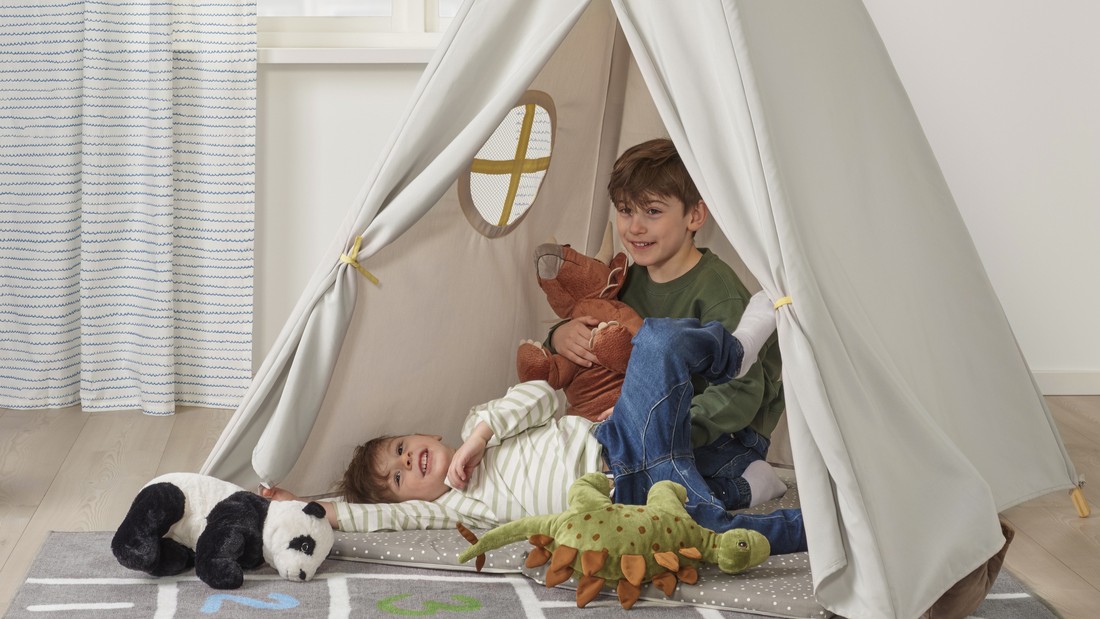
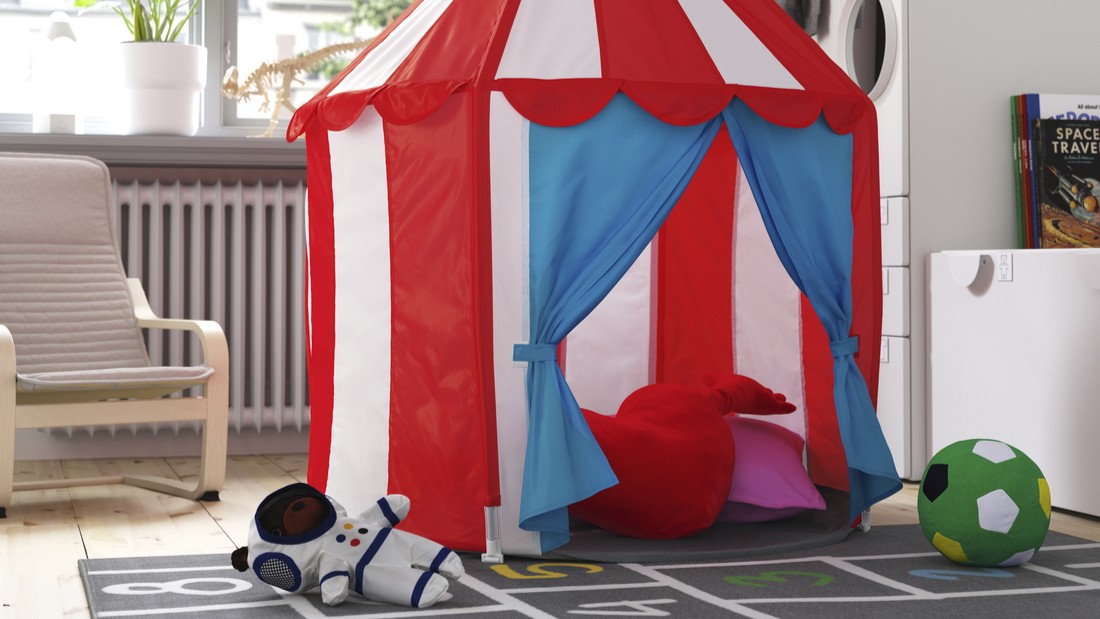
Children's toys to accompany growth and development and play moments with family

Playing is an important part of a child's daily life. Through children's toys, they learn to know the world around them, express their imagination, as well as build various basic skills from an early age.

Not just about having fun, playing activities can also help support a child's physical, emotional, and social growth and development. This article will help you get to know various types of children's toys, their benefits for growth and development, and inspiration for playing together with family at home.

Read also: Educational children's toys to build a warm world of learning at home 

What are the types of children's games?

In general, children's games can be grouped based on their benefits and how they are played. Some games involve physical activity, while others focus on creativity, imagination, or social interaction.

Here are several types of children's games that are often encountered and widely used in daily play activities at home.

Sensory and motor games

Sensory and motor games are designed to stimulate a child's senses, such as touch, sight, and hearing. Toys with various textures, colors, or shapes can help children practice eye and hand coordination as well as fine motor skills.

This type of game is generally suitable for babies and toddlers who are actively getting to know their surroundings through touch and movement.

Imaginative games (pretend play)

Imaginative games allow children to act as if they are someone else or performing certain activities, such as cooking, shopping, or caring for dolls.

Through these games, children learn to understand social roles, express emotions, and develop creativity. Pretend play also often becomes a means for children to communicate and interact with others when playing together.

Construction and stacking games

Construction games, such as stacking blocks or simple shapes, help children practice logical thinking and problem-solving skills.

Children can learn to recognize shapes, sizes, and balance while trying various arrangement possibilities. This activity can also foster a sense of self-confidence when children succeed in building something from their own ideas.

Creative and art games

Creative games include activities such as drawing, coloring, or making simple crafts. This type of game provides space for children to express ideas and imagination without limits. In addition, creative games can also help train focus and patience in children in completing an activity.

Social and role games

Social games involve interaction with others, whether with parents, siblings, or peers. Through these games, children learn to share, cooperate, and understand simple rules. Playing together can also strengthen family relationships, especially when done during leisure time or gathering moments at home.

Educational children's toys and their benefits for growth and development
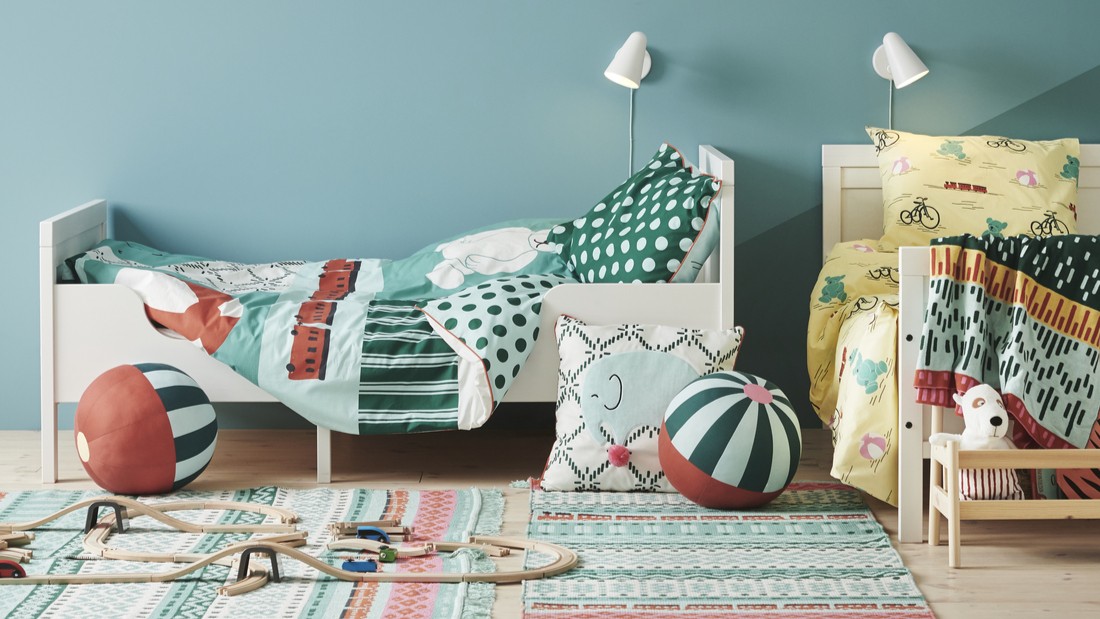
One of the main benefits of educational children's toys is helping to train fine motor skills and body coordination. Activities such as stacking, holding, or moving objects can help children control hand and finger movements. 

In addition to physical aspects, educational toys also play a role in a child's cognitive development. Children are invited to recognize shapes, colors, numbers, or simple concepts through games.

Another benefit is the support for a child's social and emotional development. When playing together with parents or other family members, children learn to communicate, express feelings, and understand turns.

Choosing children's toys according to age

Here is a general guide for choosing children's toys based on age groups so that playing activities at home feel more meaningful.

Toys for babies and toddlers

At the baby and toddler age, children tend to learn through senses and movement. Toys with bright colors, diverse textures, and simple shapes can help stimulate vision and touch. Activities of holding, grasping, or dropping objects can also train eye and hand coordination from an early age.

Toys for preschool-aged children

Preschool-aged children begin to actively imagine and imitate activities around them. Toys that support role play, stacking, or creative activities can help children develop imagination and simple thinking skills. At this stage, children also begin to learn to interact and share when playing together with others.

Toys for school-aged children

Entering school age, children tend to be interested in games that are more challenging and structured. Toys that involve logic, strategy, or creative activities can help children hone their thinking and problem-solving skills. At this stage, playing can also be a means for children to learn to cooperate and follow rules.

Should toys for girls and boys be differentiated?

Basically, playing is a child's way of knowing the world without specific role limitations. Every child has different interests and curiosity, regardless of their gender. Therefore, the main focus in choosing toys should be on the benefits and suitability with the child's growth and development stage.

Children's toys that are currently in high demand and liked by children

One type of toy that is quite in demand is sensory toys. These toys usually have textures, shapes, or movements that are interesting to touch and play with repeatedly. Simple activities such as pressing, stacking, or feeling can help children calm down while training focus and coordination.

A variety of inspirations and choices of children's toy collections that support playing, learning, and togetherness activities at home can be found, designed to accompany children's various play moments every day. 

Play moments with family at home

Playing is not only a child's activity, but also a valuable moment for all family members. At home, playtime can be a means to strengthen relationships, create a warm atmosphere, and build positive habits together. 

To accompany various play moments and family togetherness at home, you can find various inspirations and choices of children's toys at IKEA.co.id designed to support activities of playing, learning, and growing together with family. 


Back to top