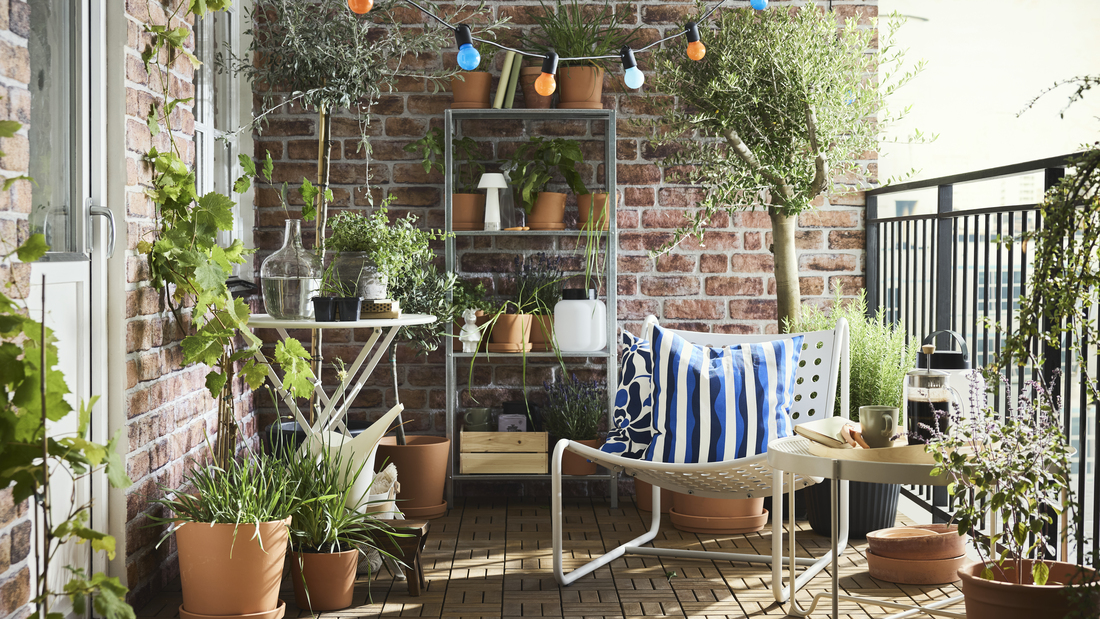
Hot weather can make your home feel stuffy, especially when airflow is limited and direct sunlight enters the house. These conditions can disrupt daily activities and make it harder to rest comfortably.
There are several ways to keep your home cool without relying on air conditioning all the time. From improving air circulation to choosing the right home essentials, let's explore the following tips to help you create a cooler and more comfortable living space.
A cool home does not always require air conditioning throughout the day. Air circulation, roof insulation, and heat control also play important roles in maintaining indoor comfort.
Tips to keep your home cool through ventilation and roof protection
Keeping your home cool requires a few adjustments to your building's features and daily habits. Here are some practical tips to help reduce heat and create a more comfortable indoor environment.
1. Improve cross-ventilation through openings and room layout
Cross-ventilation requires connected pathways for air to enter and exit the house. Having many windows does not necessarily ensure good airflow if the pathways are blocked by cabinets or partitions.
Openings on different sides of the house can help air circulate without needing to face each other directly. The results depend on wind direction, pressure differences, and the building's layout.
2. Adjust window opening times and exhaust fan use based on outdoor conditions
The best time to open windows depends on outdoor conditions rather than a fixed schedule. Cooler outdoor air can help remove indoor heat, while hotter outdoor air may increase the temperature inside your home.
An exhaust fan needs a source of replacement air to work effectively. In homes with certain combustion appliances, the ventilation system must be properly designed to prevent exhaust gases from flowing back into the room.
3. Protect windows from direct sunlight
Window coverings help reduce solar heat before or after sunlight reaches the glass.
In general, exterior shading blocks sunlight before it hits the glass, while interior window coverings help control sunlight that has already entered through the window.
Prioritize windows that receive direct sunlight during the hours when the rooms are in use. Consider your home's specific conditions, as building orientation, seasonal changes, and neighboring buildings can all affect sun exposure.
4. Use proper roof insulation and construction
Heat from the roof should be addressed as part of the building's overall design. Roofing materials absorb solar radiation, allowing heat to transfer into the roof space and the rooms below.
Insulation helps slow down heat transfer, while highly reflective roofing surfaces can reduce the amount of solar energy absorbed. Both serve different purposes in helping minimize heat entering your home.
5. Plant greenery around your home
Green spaces around your home are most effective when they provide shade for areas exposed to intense sunlight. Plant placement should take sun direction and airflow into account to avoid obstructing natural ventilation.
Also, consider the direction of reflected sunlight to prevent glare or additional heat from reaching other areas. Indoor plants can make your living space more pleasant, but they are not a substitute for an effective home cooling system.
6. Reduce indoor heat sources
Reducing indoor heat sources can help keep your home comfortable without requiring structural changes. Start by identifying appliances and activities that generate heat while rooms are in use.
Here are some practical steps you can take:
-
Turn off lights and electronic devices when they are not needed.
-
Use energy-efficient LED bulbs instead of incandescent bulbs with equivalent light output.
-
Make the most of natural light while controlling direct sunlight to prevent excessive heat.
-
Schedule ironing or oven use outside the hottest parts of the day.
-
Leave enough clearance around refrigerators and other appliances, following the manufacturer's instructions, to ensure proper heat dissipation.
7. Use a fan instead of air conditioning
Fans help your body release heat by moving air around you rather than cooling the room's air like an air conditioner does. As a result, the temperature on a thermometer may remain the same even when you feel more comfortable.
Direct the fan toward areas where people sit or rest to make the airflow more effective. Choose cotton or linen bedding with a suitable fabric weight and weave to stay comfortable during hot weather.
Read Also: Aesthetic living room decoration for a more comfortable home
IKEA product recommendations to keep your home cool
In addition to improving air circulation and reducing heat exposure, choosing the right home essentials can also enhance indoor comfort.
IKEA offers a variety of products designed to make your home more comfortable, from curtains and bedding to storage solutions. Here are some recommendations to consider.
1. TRIPPEVALS blackout cellular blind
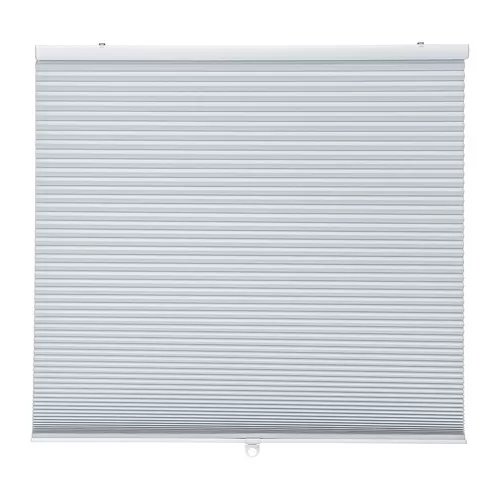
The TRIPPEVALS blackout cellular blind helps block incoming light, making your room feel more shaded and comfortable. It also features a concealed cord designed with child safety in mind and can be installed on either a wall or ceiling.
2. SNX SSF-1221R fan
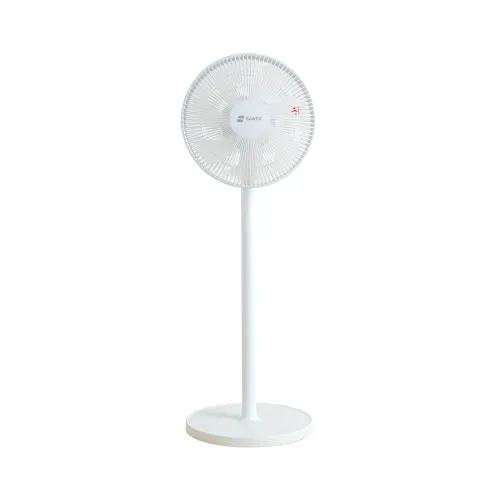
The SNX SSF-1221R fan features seven blades designed to produce a smoother, more even airflow. It offers three wind modes: Normal, Natural, and Sleep. Its 3-in-1 design allows it to be used as a table fan, floor fan, or standing fan.
3. DVALA cotton fitted sheet
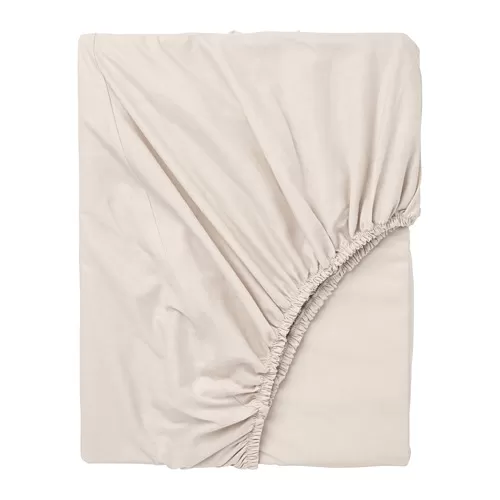
The DVALA cotton fitted sheet is made from 100% cotton, which helps absorb moisture and provides comfort while sleeping.
The fabric becomes softer with washing, while the elasticated edges ensure a snug fit on mattresses up to 26 cm thick.
4. REXBEGONIA cooling pad
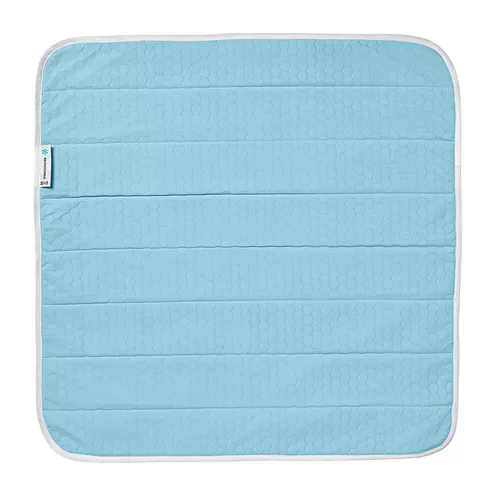
A cooling pad can be placed on top of a mattress or wrapped around a pillow to provide a refreshing sensation while resting.
Its material is designed to feel cool and help absorb moisture. Storing it in the refrigerator before use can provide an additional cooling sensation, provided you follow the product instructions.
5. TROFAST storage unit
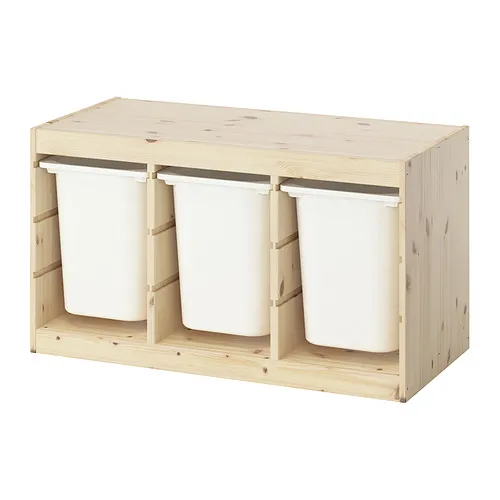
The TROFAST storage unit helps keep belongings organized without requiring a large cabinet that could potentially obstruct airflow.
Its frame features multiple levels that can be adjusted to suit different storage needs, making toys and everyday items easier to access and organize.
Read Also: Simple house: Tips for designing a home and furniture recommendations
Create a cooler home with the right furniture and layout
A cooler home can be achieved through a combination of good air circulation, protection from direct sunlight, and appropriate daily habits. You can also enhance your living space with products designed to improve comfort, from curtains to bedding essentials.
IKEA offers a wide range of products to help you create a more comfortable home that suits your needs. Visit IKEA.co.id to discover inspiration and home essentials that complement your lifestyle.
FAQ
East-facing houses tend to receive morning sunlight, while west-facing houses are exposed to afternoon sunlight, which can feel more intense. However, indoor temperatures are also affected by window size, roofing materials, ventilation, and the surrounding environment.
Yes, the color of a building's exterior surfaces can affect how much solar radiation the structure absorbs. Light-colored surfaces generally reflect more sunlight than dark-colored ones. However, the overall effect also depends on the type of paint, wall materials, and building construction.
High ceilings provide more space for warm air to accumulate near the top of a room. However, indoor comfort still depends on air circulation, roof insulation, and environmental conditions, so high ceilings alone do not guarantee a cooler home.
Heat stored in the roof, walls, and furniture can continue to radiate into the room even when clouds block the sun. Poor air circulation can also cause heat to linger indoors for longer.
Observe which rooms feel hottest at certain times of the day, especially areas near windows, exterior walls, and ceilings. You can also use an indoor thermometer to compare temperatures in different areas and identify which parts of your home need additional heat protection.