Stages of the Interior Design Process: A Project Design Guide
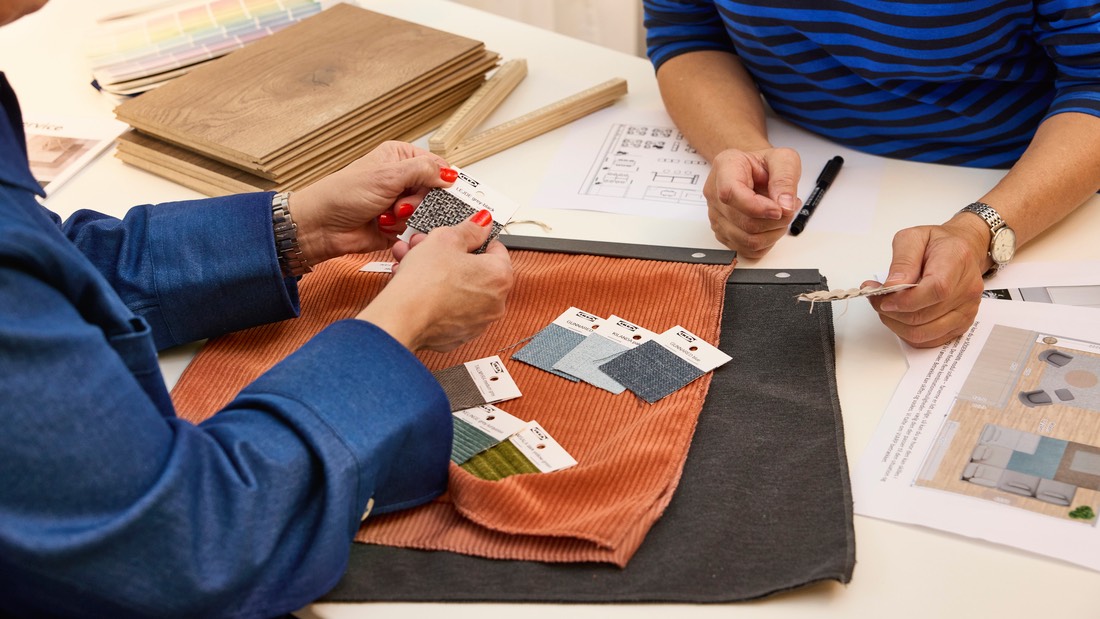
Imagine when you're thinking about interior design for your home or workspace various ideas, colors, styles, and layouts seem to swirl around in your head. Everything looks appealing, but with too many options, the first step can feel confusing.
So how do you bring everything together into a space that's not only aesthetically pleasing but also functional and suited to your needs? This is where understanding the stages of the interior design process becomes essential.
By following a systematic guide, you won’t just be able to design a layout that meets expectations, but also avoid stress throughout every phase of the interior design project from the initial sketch to the final implementation.
Starting Your Interior Design Journey: From Ideas to Concepts
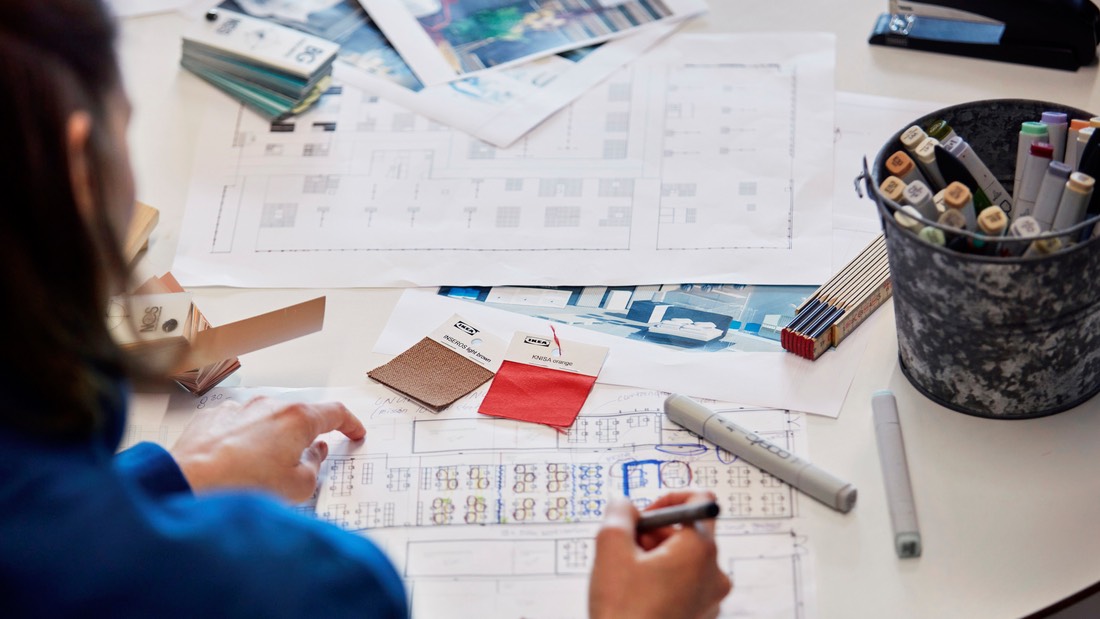
Beginning an interior design journey isn't just about choosing paint colors or buying stylish furniture. The process begins long before any technical decisions are made, when ideas are still raw and unstructured.
At this early stage, interior designers and clients collaborate to explore deeper questions: what is needed, what is desired, and even what may not have been considered yet. These early phases help transform inspiration into a tangible concept:
Consultation Stage: Discovering Your Needs and Dreams
This is the starting point of any interior design project, where the interior designer and client sit down for an in-depth briefing.
The discussion covers preferred design styles such as minimalism, classic, or industrial but also touches on functional aspects: how many people will use the space, what activities occur within it, and what kind of flow is ideal.
Clients may also share specific needs, such as hidden storage, a quiet workspace, or maximum natural lighting. Budget and timelines are also discussed to keep the design plan realistic and aligned with expectations.
From this process, the designer drafts an initial design plan that reflects the client’s needs while prioritizing aesthetics and spatial efficiency.
Accurate Measurement and Site Survey
After the briefing, the next step is an on-site measurement and survey. This includes detailed recording of room dimensions: ceiling height, room length and width, window and door placement, and positions of existing electrical, water, and ventilation systems.
The designer or studio team also evaluates the structural condition of the building, which influences the choice of materials and types of furniture. This stage is crucial to ensure that the design plans can be accurately and safely executed.
Errors in measurement can lead to design mismatches such as furniture not fitting properly or inadequate lighting. This data becomes the primary foundation for creating the technical drawings used in later stages.
Forming a Design Concept Through Moodboards and Initial Layouts
Once the client’s needs and room data are collected, the designer begins to develop a preliminary visual concept. This is where an interior designer’s creativity and professionalism shine.
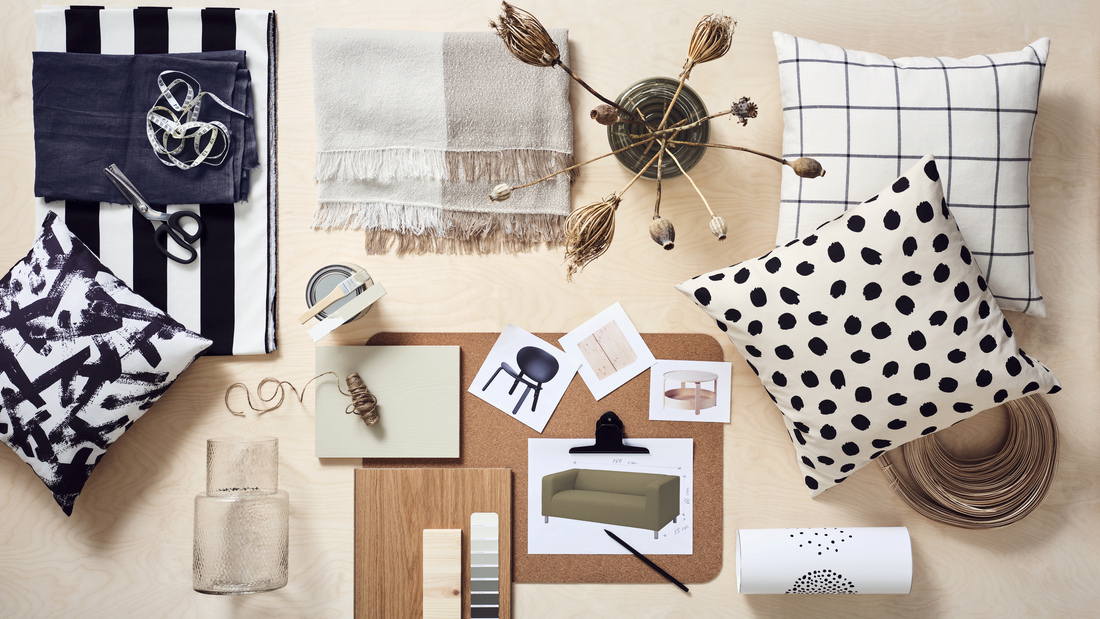
Designers will present a moodboard, a collage of images containing color palettes, textures, materials, and furniture styles. The moodboard conveys the emotional and aesthetic ambiance of the space.
An initial furniture layout is also created, showing how design elements will be arranged. This helps evaluate spatial circulation, proportions, and relationships between zones within the room.
The goal is not only to create an attractive home or apartment but also a space that’s functional and aligned with the client’s needs. This stage ensures the design direction is solid before moving on to technical and implementation phases.
Detailing the Design: From Sketch to Technical Plan
Once the concept is approved, the next step in the interior design process is to detail those ideas into a structured technical plan ready for execution. This stage is vital because this is when the design transforms from visual representation to measurable, buildable form.
Interior designers begin preparing detailed technical documents, including floor plans, working drawings, and 3D renderings. It’s not just about aesthetics, it’s about ensuring every design element aligns with technical specifications.
Client involvement remains important, especially during revisions to perfect the final outcome. Here are two key steps in the technical development phase:
Interior Design Development and Detailed Technical Plans
After moodboards and initial layouts are approved, the interior designer develops detailed technical plans. The rough layout evolves into working drawings: floor plans, elevations, sections, and 3D visualizations of how the space will look when complete.
This phase also includes material selection, lighting types, furniture choices, and placement of decorative accessories. Every design element is assessed for both function and aesthetics to ensure the final result is not only visually appealing but also executable by contractors and field teams.
These technical documents serve as the main guide for the interior design project’s implementation including vendor selection, material procurement, and the tender process. With precise documents, on-site mistakes are minimized and project management becomes easier.
Design Revisions and Finalization
Before moving to the implementation phase, the client is given time to review and provide feedback on the technical design. Revisions may include changes in color, materials, furniture placement, or adjustments to decorative elements to better match the client’s personal style and needs.
Open communication between the interior designer and client is critical at this stage. The revision process ensures that the executed design aligns with the original brief in terms of function, aesthetics, and budget.
The final outcome of this stage is a mutually agreed-upon design, which will be used as the main reference during execution. With clear steps and thorough approval, the project will progress more smoothly, with minimal conflict, and will likely yield a visually and functionally satisfying space.
Design Implementation: Bringing Your Dream Space to Life
Once the final design is approved, it’s time to move into the most tangible part of the interior design process: implementation. Here, every design decision begins to take form on-site from material selection to the installation of interior elements.
This is when the previously imagined and visualized space begins to materialize into a functional and aesthetically pleasing physical environment. Two key steps mark this phase:
Selecting the Right Materials and Furniture
The implementation phase starts with a key process: selecting the materials and furniture that will bring the approved design concept to life.
Interior designers work closely with clients to determine flooring materials, wall finishes, paints, and furniture finishes that are not only visually appealing but also durable and appropriate for the space.
Furniture selection such as sofas, tables, chairs, shelves, and accessories is tailored to the design style, client needs, and specific room functions.
Collaboration with suppliers is essential at this point to ensure all items meet specifications and arrive on time. The right choices in materials and furnishings will directly impact the final space’s quality, comfort, and appearance.
On-Site Execution and Installation
Once all elements are ready, the project enters the on-site technical execution phase. This includes various tasks such as light construction, painting, flooring, electrical and plumbing installation, and furniture assembly.
This process requires intense coordination between the designer, contractors, and technical teams to ensure everything runs according to the approved design.
A professional interior designer will supervise the implementation to ensure every detail is executed accurately from the right paint colors to correct lighting placement and properly positioned furniture layout.
This stage is crucial, as it’s the point when the designed space physically comes into being. With strong project management, the end result will reflect the original vision and fully satisfy the client’s expectations.
Final Stage: Quality Check and Handover
After all design and implementation phases are complete, the interior design project enters a final yet vital phase: quality checking and handover.
This is when all work is thoroughly evaluated before the space is officially handed over to the client. The goal is to ensure that every element matches the design, functions well, and is ready for use.
Conducting a Thorough Quality Check
Before the project is declared finished, the interior designer and team perform a thorough quality check of the entire work. This includes inspecting installation quality, the functionality of electrical elements like sockets and lighting, and whether the final outcome aligns with the agreed design.
This phase also involves reviewing the furniture to ensure it’s correctly placed, undamaged, and that accessories align with the initial moodboard.
If deficiencies are found, immediate corrections are made to perfect the final result. A comprehensive quality check ensures the interior design project meets professional standards and delivers maximum client satisfaction.
Room Handover: Ready to Enjoy
Once all components pass inspection, it’s time to hand over the space to the client. This process includes transferring keys, access controls, or automated systems (like lighting or central AC), as well as providing technical usage and maintenance instructions.
Designers usually also provide final documentation, such as user manuals, a list of materials used, and contact details for future technical support. At this point, clients can immediately enjoy their professionally designed space, a place that is both beautiful and functional, aligned with their lifestyle.
This stage marks the successful collaboration between client and designer and serves as a satisfying conclusion to the interior design project.
Entrust Your Interior Design Process to the Experts
Managing an interior design project is no simple task. It requires a deep understanding of design elements, spatial function, technical capabilities, and sound project management.
This is where the role of a professional interior designer becomes critical. With their expertise, every stage from consultation and concept development to implementation is executed in a structured and thoughtful manner.
More than just beautifying a space, a designer offers creative solutions to functional challenges, helps you select suitable furniture, and ensures every element is aligned with the plan and specifications.
The end result? A beautiful and comfortable space that saves you time, energy, and cost. With professional support, you’ll avoid common design mistakes and gain a space that truly satisfies.
Start Your Interior Design Journey with IKEA
If you’re looking for a practical, professional, and affordable interior design process, IKEA offers the perfect solution.
Through IKEA's interior design service, you can get help from a professional team to create your dream space from initial consultation and layout sketches to product selection and final implementation.
This service is designed to simplify interior design for anyone whether for a house, apartment, or workspace using an integrated and efficient approach.
IKEA understands that everyone has different styles and needs. That’s why every design is tailored to suit your preferences both functionally and stylistically. Visit IKEA’s interior design service now to begin your journey toward creating your ideal space with professional support!
Author: Ayu Nindyakirana (Web & Digital Content Specialist)