Each element in interior design plays a vital role in creating a harmonious and comfortable ambiance.
Be sure to read the explanations below, as each element offers practical inspiration that you can apply right away.
Also read: Inspirations for minimalist home interior design and the latest modern styles
Why interior design elements matter for comfort
For homeowners who value aesthetics and functionality, a house is more than just a place to live. It’s a personal space that reflects one’s character and lifestyle. Interior design is one of the ways to express that.
By understanding design principles and using the right elements, you can create a space that functions well and looks visually appealing. The basic elements of interior design help manage space by offering solutions that meet your needs and create a calm, comfortable atmosphere.
The power of color: how your choices shape the mood
The right color choices can completely transform a home’s interior. Color is not only about looks; it also affects the atmosphere and function of a space. Here’s how:
Choosing base and accent colors for each room
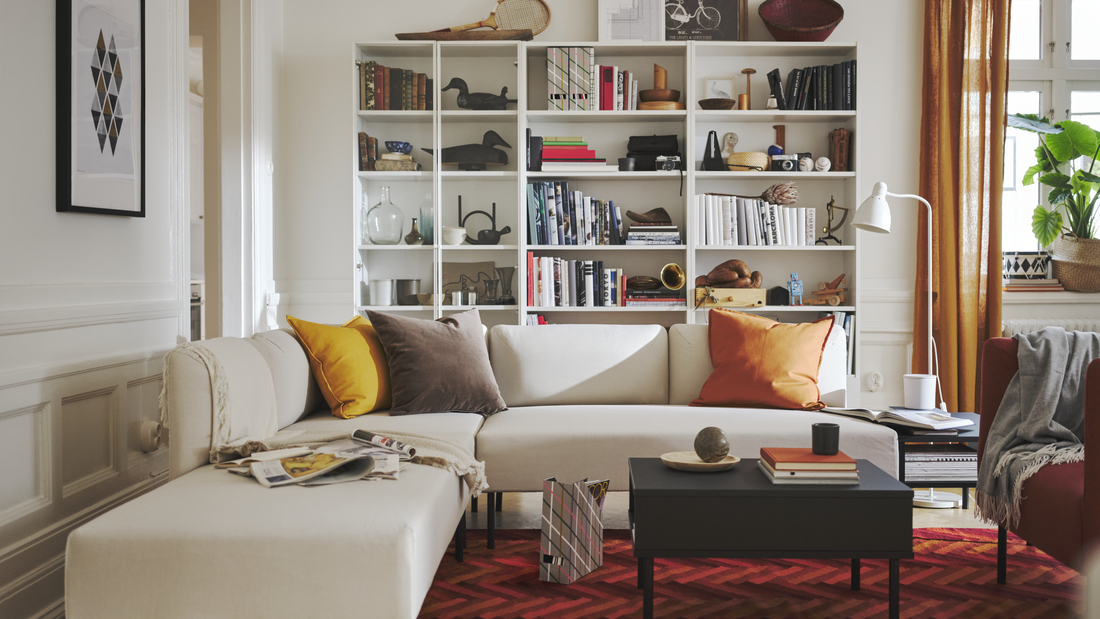
Base colors like white, cream, grey, or other neutral tones can create a peaceful mood. Meanwhile, accent colors such as navy blue or emerald green can boost energy and visual appeal.
An interior that follows the fundamental principles of interior design and incorporates thoughtful color choices will feel more harmonious and pleasant to live in.
Tips to blend colors for a more harmonious room
Use a color wheel to find the right combinations. Choose from analog, monochromatic, or complementary schemes to balance wall colors with other decorative elements like IKEA rugs or vertical blinds.
The right use of pattern elements also helps create a functional space while making the room stand out.
Warm and functional lighting for every room
Lighting is a crucial yet often underestimated element in interior design. To help you understand better, let’s break it down:
Maximizing natural light for maximum effect
Natural light from windows or skylights can enhance colors and textures while making a space feel more open.
It also helps reduce energy consumption and creates a healthier atmosphere. A room bathed in sunlight feels more alive and enhances visual comfort.
Artificial lighting: source of illumination and design element
Use layered lighting by combining ambient, task, and accent lighting. Beyond illumination, lights serve as interior elements that support the design style and create the right mood.
Interior design within a building feels more complete when lighting functions not only as illumination but also as a key visual feature.
Exploring texture: adding depth and visual comfort
Texture is a foundational element that adds both tactile and visual experiences. It helps create deeper, more engaging spaces. Here’s how you can combine them:
Combining different textures for the spatial dimension
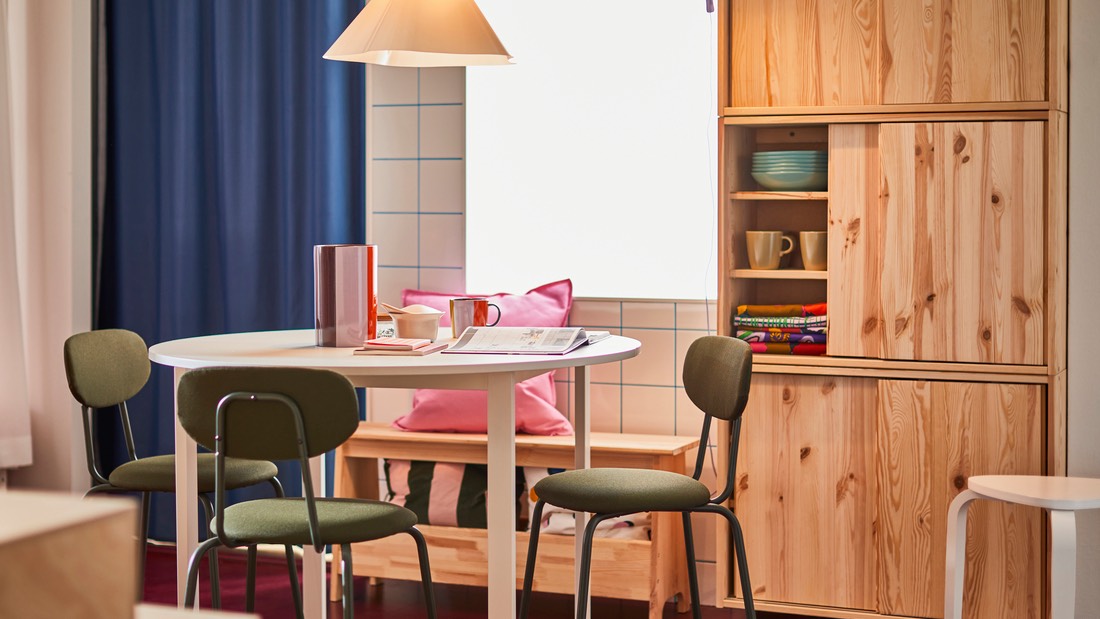
Mix materials like natural wood, linen, velvet, and metallics to create warm, layered interior spaces.
The balance between positive and negative space is also influenced by the strategic use of varied textures.
The role of patterns: adding character without overwhelming the space
Pattern is one of the most powerful decorative elements in establishing a room’s personality. Smart pattern choices can enhance visual impact without cluttering the space. Here’s how to apply them:
Choosing and applying patterns wisely
Use horizontal lines to create the illusion of width, or vertical lines to enhance height.
Choose geometric, floral, or abstract patterns on elements like throw pillows, IKEA area rugs, or wallpapers to elevate your space. With the right pattern, you can create a unique design that aligns with your room’s function.
Scale and proportion: the key to balanced furniture layout
In layout and space planning, it’s important to select furniture that complements the room’s architectural form. Professional interior designers understand how space planning can optimize both function and aesthetics.
Matching furniture size to your room’s dimensions
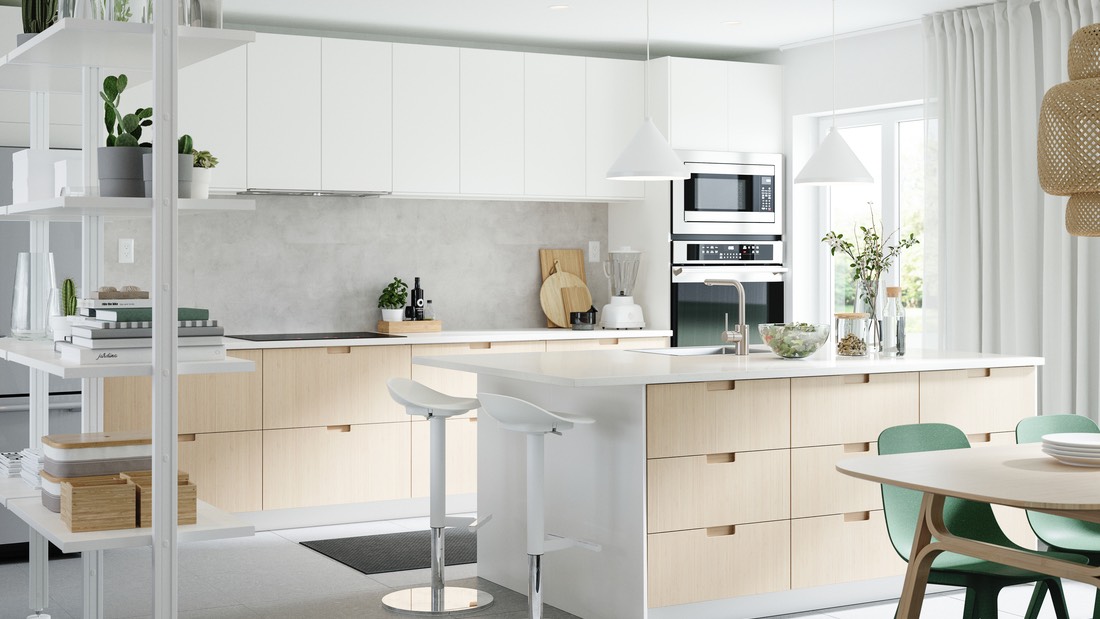
Well-sized furniture makes small rooms feel airier and large rooms feel warmer. The right scale helps you create functional spaces that match your needs.
By acknowledging that negative space gives a design “room to breathe,” your interior will look more polished and intentional.
Maximizing space: flexibility and functionality in interiors
Space is a key element in design principles. Managing it means considering not just what fills the room, but how empty areas are used. Here’s what to pay attention to:
Utilizing empty space and creating efficient circulation
Negative and positive space should be divided into two main categories: functional areas and transitional zones.
Efficient space usage creates a calming environment that supports everyday activities. This is a key part of interior design that combines function with visual harmony.
Decor and accessories: the final touch that makes a home feel like yours
Decorative elements like plants, books, or artwork add identity to your home’s interior. Interior design is made up of elements that reflect who you are and how you want your space to feel. Here’s how to choose the right ones:
Choosing accessories that reflect your personality and lifestyle
With personal touches like a unique vase or your favorite artwork, you can create a space that is comfortable, functional, and visually appealing.
A skilled interior designer can use the right accessories to bring a room to life, enhancing the mood and aligning it with the homeowner’s personality.
Also read: Find your favorite interior design theme with home inspiration from IKEA
Bring your dream interior design to life with IKEA