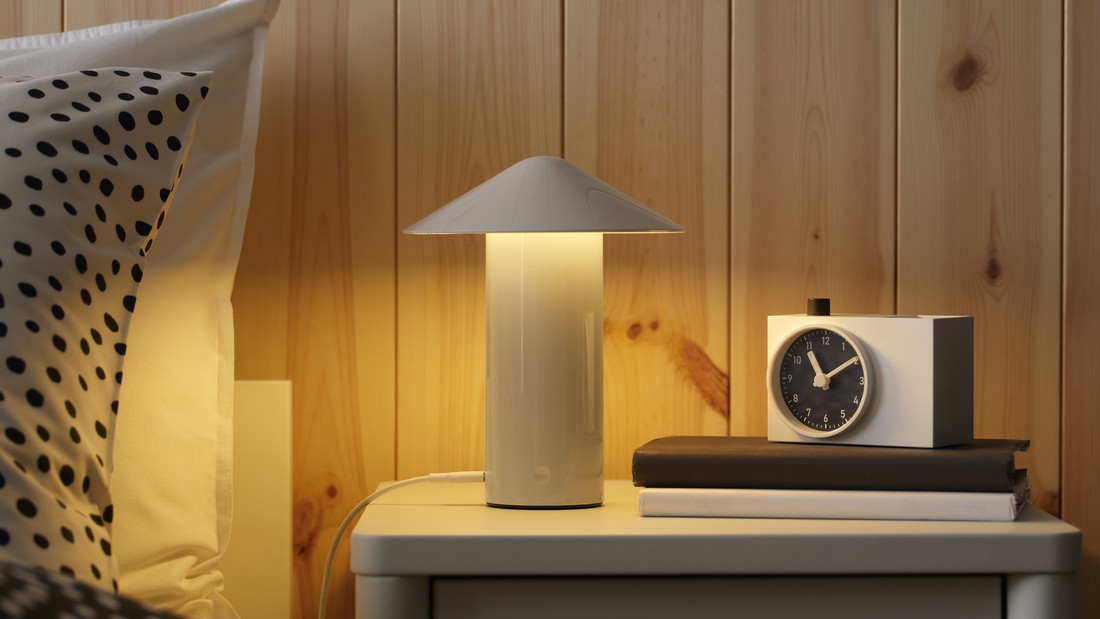
A well-lit room does not always feel comfortable if the lighting does not suit its needs. Properly arranged lighting can help create a more pleasant atmosphere while supporting everyday activities.
One approach you can apply is ambient lighting, or general lighting. This type of lighting illuminates the room as a whole and serves as the foundation before adding lights for specific activities or to highlight decorative elements.
Read on to learn about the function of ambient light, examples of how to apply it at home, and tips for choosing lighting that suits your needs and the atmosphere you want to create.
Ambient light is the basic lighting that illuminates a room in general. The type of lamp, light intensity, direction of illumination, and light color can affect comfort and the atmosphere created in your home.
What is ambient light and what does it do?
Ambient light is general lighting that provides basic illumination for a room. Sources can include ceiling lights, pendant lights, wall lights, or a combination of several lights that distribute illumination evenly.
The function of ambient lighting is not only to make a room look bright, but also to help occupants move around and carry out activities comfortably. The intensity and color of the light you choose can also influence the atmosphere of the room.
In the concept of layered lighting, ambient lighting can be combined with two other types of lighting:
-
Task lighting: Directed lighting for specific activities, such as reading, working, or preparing food.
-
Accent lighting: Lighting used to highlight interior elements, such as paintings, decorative shelves, or wall textures.
These three types of lighting can be used together according to the needs of the room. You can also start with adequate ambient lighting and then add task lighting or accent lighting in areas that need it.
Read also: Minimalist Living Room Lighting That Creates a Comfortable Atmosphere
Examples of ambient lighting for different rooms
Ambient lighting can be adapted to the function and activities of each area in your home. Choosing the right lamps and positioning them carefully helps create even illumination. Here are some examples of ambient lighting for different rooms.
1. Ambient lighting for the living room
The living room needs lighting that supports a variety of activities, from gathering with family and watching television to reading. Ceiling lights or pendant lights with good light distribution can serve as the main source of illumination.
To create a warm and cozy atmosphere, combine the main light with a floor lamp or table lamp near the sofa. Choose lighting that does not cause glare so the room remains comfortable for relaxing.
2. Ambient lighting for the bedroom
In the bedroom, ambient lighting helps illuminate the entire space without making it feel excessively bright. A ceiling light with diffused illumination or a pendant light suited to the ceiling height can be a good option.
You can add a table lamp beside the bed for reading or other light activities. If you use a lamp with adjustable brightness, adapt the intensity to your needs.
3. Ambient lighting for the dining room
Dining room lighting should help occupants see their food clearly while creating a pleasant atmosphere for meals. A pendant light above the table can complement the interior design, but it should not be the only light source if the surrounding area remains dark.
Add ceiling lights or wall lights if needed to distribute light more evenly. Position the lights to avoid glare for diners and ensure the table remains comfortable to use for other activities.
4. Ambient lighting for hallways and room corners
Hallways and room corners sometimes receive less light than the main areas of a home. Ceiling lights, wall lights, or lights directed toward the walls can help illuminate these areas and reduce dark spots.
In hallways, position light sources so walking paths remain clearly visible and switches are easy to reach. Meanwhile, a wall light in a living room corner can help spread light across the surrounding area without requiring additional large furniture.
Tips for choosing the right ambient light
To create comfortable lighting, consider the size of the room, the activities taking place, and the atmosphere you want to achieve. Here are some tips to consider before choosing lamps for your home.
-
Match the light color to the desired atmosphere. Warm white light, with its yellowish-white appearance, can create a warm and relaxing feel. Neutral white light may be suitable for areas used for a variety of activities.
-
Pay attention to brightness. Lumens indicate the amount of light a lamp produces, while watts indicate its electricity consumption. Adjust brightness to the room's size and wall colors to achieve suitable illumination.
-
Choose the right light distribution. Lamps that spread light widely help illuminate a room evenly, while directional light is better suited to highlighting specific areas.
-
Avoid glare. Consider the direction of the light and the position of the light source to prevent it from shining directly into your eyes.
-
Consider LED lighting. LED lamps are generally more energy-efficient than incandescent bulbs. Before buying, check brightness, light color, fitting compatibility, and dimming features if needed.
Read also: Types of lights and their functions for creating ideal lighting at home
Recommended lamps for warm ambient lighting
Choosing the right lamps can help create comfortable ambient lighting while complementing your home's interior. Here are five lamp options from IKEA to consider for different room needs.
1. TÄRNABY table lamp
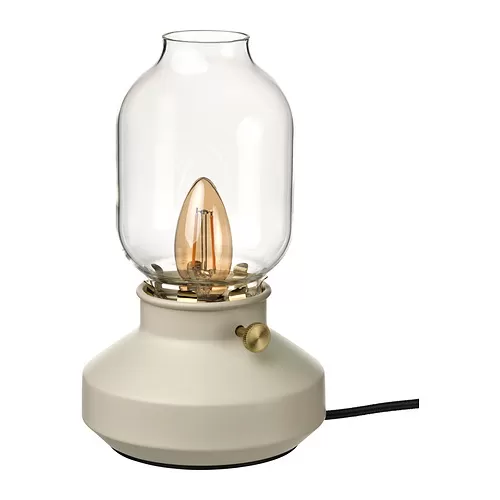
The TÄRNABY table lamp stands 25 cm tall and has a base diameter of 15 cm. Inspired by traditional kerosene lamps, its design adds a warm touch to your interior.
With an adjustable brightness feature, it is suitable for a bedside table or a corner of the living room to create a cozy atmosphere.
2. DEJSA table lamp
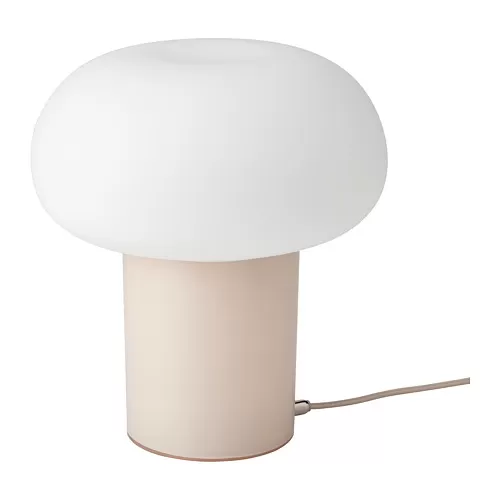
The DEJSA table lamp stands 28 cm tall and features a white opal glass shade with a cream-colored base. The opal glass helps produce soft, diffused light, making it suitable for a console table or a side table next to the sofa.
3. LAUTERS floor lamp
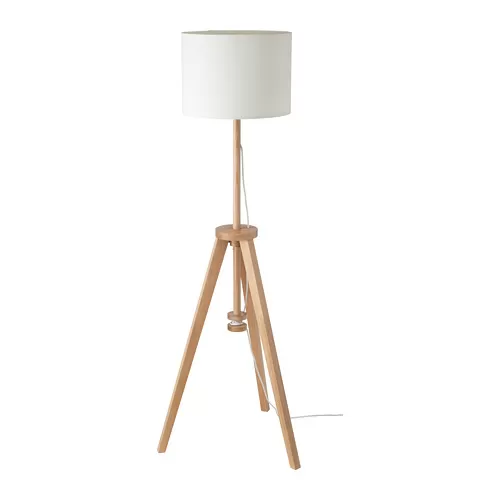
The LAUTERS floor lamp has an adjustable height of 119–151 cm, a 37 cm-wide shade, and a solid ash wood base. Its fabric shade helps diffuse warm light, creating a comfortable atmosphere in the living room.
4. TÅGARP floor uplighter
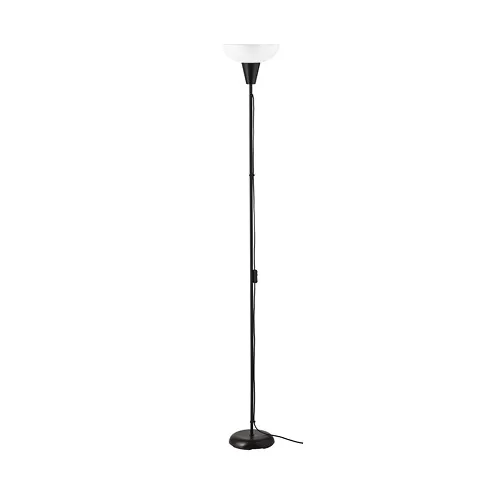
The TÅGARP floor uplighter stands 180 cm tall, with a shade diameter of 24 cm and a base diameter of 21 cm. It directs light upward toward the ceiling, helping illuminate the room through reflected light.
5. ISJAKT LED floor lamp with reading lamp
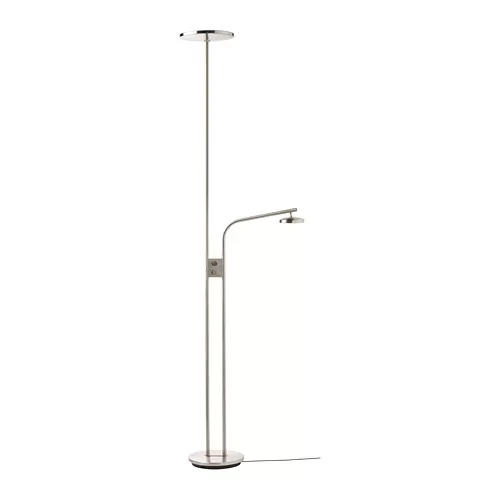
The ISJAKT LED floor lamp stands 180 cm tall and combines a dimmable uplighter with an adjustable reading lamp. The two lights can be switched on separately, allowing you to illuminate the room while also providing focused light for reading.
Create a comfortable home atmosphere with the right lighting
Suitable lighting can help create a comfortable home atmosphere while supporting everyday activities. By understanding the function of ambient lighting, you can adjust the type of lamp and light color to suit each room.
Start by setting up the main lighting, then add supplementary lights to areas that need different functions or moods.
If you need help planning your lighting and coordinating it with your overall interior design, explore IKEA’s interior design services to create a space that suits your needs.
Visit IKEA.co.id to discover lighting inspiration and lamp options that complement your home's lighting needs.
FAQ
Ambient light is general lighting that provides basic illumination so a room can be used comfortably for everyday activities.
Examples include ceiling lights, pendant lights, wall lights, and uplighters that help illuminate a room as a whole.
Ambient lighting illuminates a room in general, while task lighting provides focused light for specific activities, such as reading or working.
Warm white light, with its yellowish-white appearance, can help create a warm and comfortable atmosphere, especially in living rooms and bedrooms.
Yes, particularly when its light spreads across a sufficiently wide area. However, table lamps with limited light coverage are generally better suited as supplementary lighting.