Understanding the different types of lights and their functions is an important step in creating a comfortable home. Today, there are various types of lighting designed for different purposes, ranging from task lighting for work areas to decorative lighting that enhances your interior.
Each type of light has unique characteristics that affect lighting quality, energy efficiency, and the overall atmosphere of a room. Choosing the right light is not only about design but also about functionality and how the space will be used.
By understanding the differences between each type of light, you can more easily select the most suitable option for every area of your home. Here's everything you need to know.
Why understanding the types of lights and their functions matters
Each type of lighting is designed to serve a specific purpose, providing a different lighting experience depending on your needs. That's why understanding the various types of lights and their functions can help you make more informed decisions before making a purchase.
Some of the benefits of choosing the right lighting include:
-
Creating comfortable lighting for a wide range of daily activities.
-
Reducing eye strain while working or reading.
-
Helping lower household electricity consumption.
-
Supporting the desired ambiance in every room.
-
Enhancing your interior's aesthetic through the right lighting design and color temperature.
-
Creating a more comfortable and functional home in the long run.
Types of lights based on shape and placement
In addition to lighting technology, different types of lights can also be categorized based on their shape and installation location. Each type is designed to meet specific lighting needs, from general illumination to decorative accent lighting.
By understanding the purpose of each type, you can choose the lighting solution that best suits your home's needs and interior design.
1. Pendant lights
Pendant lights are among the most popular choices for providing both illumination and decorative appeal. Suspended from the ceiling, they are often used as a focal point in specific areas of a room.
Functions of pendant lights:
-
Provide primary lighting for specific areas.
-
Serve as a decorative feature that enhances the interior.
-
Ideal for dining rooms, kitchens, and living rooms.
-
Help create a warm and inviting atmosphere.
2. Wall lights
Wall lights are mounted directly on walls and are commonly used as supplementary lighting. Besides providing illumination, they also add an aesthetic touch that enhances the overall character of your home's interior.
Functions of wall lights:
-
Provide additional lighting for specific areas.
-
Help create a cozy and comfortable ambiance.
-
Suitable for hallways, bedrooms, and living rooms.
-
Add decorative value to interior spaces.
3. Table lamps
Table lamps are designed to provide focused lighting for tasks such as working, studying, or reading. In addition to supporting everyday activities, they can also complement your room's décor.
Functions of table lamps:
-
Provide focused lighting for reading and work.
-
Help reduce eye strain during daily activities.
-
Suitable for home offices and bedrooms.
-
Serve as a decorative element on desks or bedside tables.
4. Floor lamps
Floor lamps are freestanding lighting fixtures that do not require permanent installation. Their portability makes them a flexible option for adding extra lighting throughout the home.
Functions of floor lamps:
-
Provide supplementary lighting in a room.
-
Easy to move and reposition as needed.
-
Ideal for living rooms or reading corners.
-
Help create a warm and comfortable atmosphere.
5. Cabinet lights or mirror lights
Cabinet lights and mirror lights are designed to provide even illumination in specific areas, such as bathroom mirrors or storage cabinets. They improve visibility and make everyday tasks more convenient.
Functions of cabinet or mirror lights:
-
Provide even lighting around mirrors.
-
Support activities such as applying makeup or shaving.
-
Suitable for bathrooms and storage areas.
-
Improve comfort and visibility during everyday use.
How to choose the right lighting for your home
After understanding the different types of lights and their functions, the next step is selecting the products that best suit your home. Choosing the right lighting is not just about brightness—it also involves considering functionality, comfort, energy efficiency, and overall visual appeal.
To make the right choice, keep the following factors in mind:
-
Determine the lighting purpose: Decide whether the light will be used for general lighting, task lighting, or accent lighting. Each purpose requires different lighting characteristics for the best results.
-
Consider lumens and watts: Lumens measure the brightness of a light, while watts indicate its energy consumption. A higher lumen rating means a brighter light output.
-
Choose the right color temperature: Light color significantly influences the atmosphere of a room. Warm light is ideal for relaxing spaces such as bedrooms, while cool white light is better suited for work or study areas.
-
Match the lighting to the room size: Larger rooms require broader light distribution, whereas smaller rooms often benefit from a combination of multiple light sources to avoid excessive brightness or glare.
-
Prioritize energy efficiency: If the lights will be used daily, LED lighting is an excellent choice because it consumes less energy and offers a longer lifespan.
-
Select a design that complements your interior: Lighting is not only functional but also serves as a decorative element that enhances your home's interior style.
-
Consider the needs of each space: Every room has different lighting requirements, so choose fixtures that best support the activities performed in each area.
Recommended IKEA lights for different areas of your home
After understanding the different types of lights and their functions, the next step is choosing products that suit the needs of each room.
IKEA offers a wide range of lighting solutions with functional, modern designs that not only brighten your home but also enhance its appearance and create a more comfortable living environment.
Here are some IKEA lighting recommendations for different lighting needs around your home.
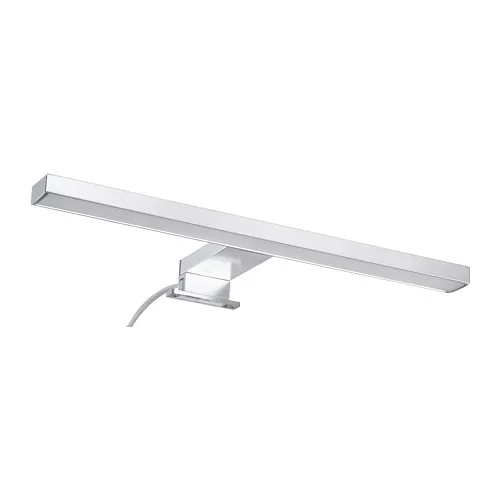
1. VÅTHULT for mirrors and bathrooms
Mirror areas require even lighting to make daily routines more comfortable.
VÅTHULT is specifically designed to be installed above a mirror or mirror cabinet, providing optimal illumination for tasks such as applying makeup, shaving, or personal grooming.
Why choose VÅTHULT:
-
Provides even lighting around mirrors and sinks.
-
Ideal for everyday personal care routines.
-
Modern aluminum design that complements a variety of bathroom styles.
-
Creates comfortable illumination without being overly bright.
See the VÅTHULT product details in the image below.
2. LERSTA for reading
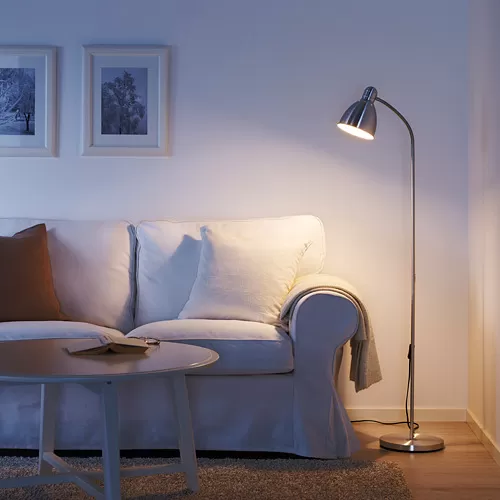
Reading requires focused lighting to help reduce eye strain, especially during extended periods. LERSTA is a floor lamp with an adjustable head, allowing you to direct the light exactly where you need it.
Why choose LERSTA:
-
Provides focused lighting that is ideal for reading.
-
Adjustable lamp head for greater flexibility.
-
Perfect beside a sofa or your favorite reading chair.
-
Enhances comfort while reading or relaxing.
See the LERSTA product details in the image below.
3. ÅRSTID for desks and bedside tables
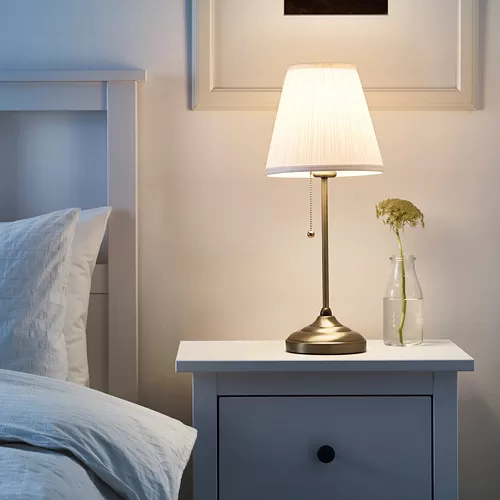
In addition to general lighting, table lamps play an important role in creating a comfortable atmosphere. ÅRSTID features a timeless classic design, making it an excellent choice as both a desk lamp and a bedside lamp.
Why choose ÅRSTID:
-
Fabric shade creates soft, diffused lighting.
-
Suitable for desks and bedside tables.
-
Adds a warm and elegant touch to any room.
-
Enhances your home's interior décor.
See the ÅRSTID product details in the image below.
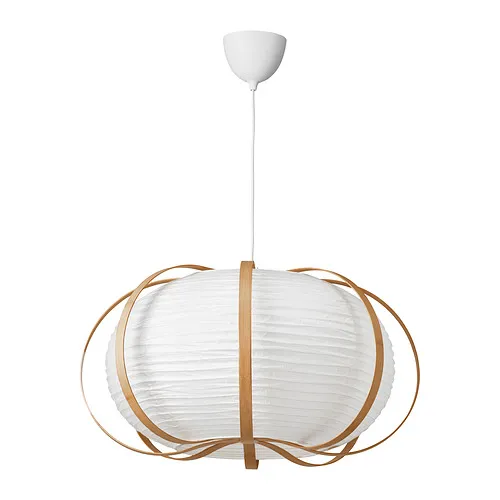
4. HAVSDJUP/TAGGTOFS for decorative lighting
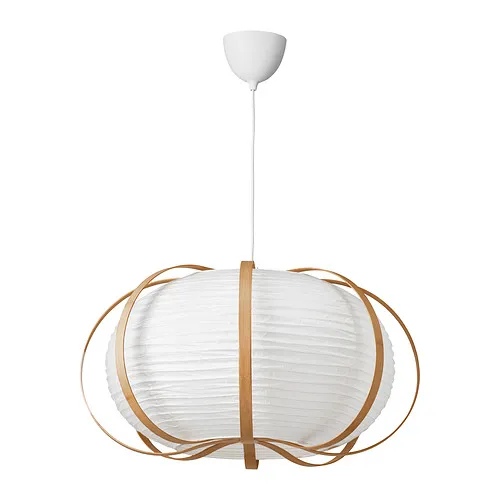
If you're looking for lighting that doubles as a decorative feature, HAVSDJUP/TAGGTOFS is an excellent option. This pendant light combines a bamboo frame with a paper lampshade to create a warm and inviting ambiance.
Why choose HAVSDJUP/TAGGTOFS:
-
Produces soft, decorative lighting.
-
Works beautifully as a focal point in any room.
-
Bamboo material adds a natural touch to the interior.
-
Adjustable cord length for flexible installation.
See the HAVSDJUP/TAGGTOFS product details in the image below.
5. SOLKLINT for creating a warm ambiance
Wall lighting is an excellent way to add extra illumination while enhancing the character of a space. SOLKLINT combines brass with smoky clear glass to create a sophisticated and elegant look.
Why choose SOLKLINT:
-
Produces soft, comfortable lighting.
-
Creates a warm and relaxing atmosphere.
-
Casts beautiful decorative shadows on walls and ceilings.
-
Ideal for living rooms, hallways, and bedrooms.
See the SOLKLINT product details in the image below.
Find lighting inspiration for your home with IKEA
Understanding the different types of lights and their functions can help you create a home that is more comfortable, energy-efficient, and better suited to your everyday activities.
From incandescent and fluorescent bulbs to halogen and LED lighting, each type offers unique characteristics and advantages that can be matched to the specific needs of different rooms.
In addition to choosing the right lighting technology, it's also important to consider the fixture style, placement, and design to ensure your lighting not only serves its purpose but also enhances your home's interior.
Visit IKEA.co.id to explore a wide selection of lighting solutions designed for modern homes. IKEA offers functional and stylish lighting that helps improve everyday comfort while enhancing the look and feel of your living spaces.
FAQ
LED (Light Emitting Diode) lighting is one of the most energy-efficient options available today. It consumes significantly less electricity than traditional lighting technologies while offering a much longer lifespan.
LED lights produce illumination using light-emitting diodes, while fluorescent lights generate light through gas contained inside a tube. In general, LED lighting is more energy-efficient and lasts considerably longer than fluorescent lighting.
Halogen lights are an improved version of incandescent bulbs that use halogen gas to produce brighter illumination. While they are more efficient than traditional incandescent bulbs, they still consume more energy than LED lighting.
Consider the room's purpose, the level of brightness required, the room size, and the desired color temperature. Choosing the right lighting can significantly improve both comfort and energy efficiency.
Decorative lighting does more than illuminate a space—it also enhances your interior design, reinforces your home's style, and creates a warm and inviting atmosphere tailored to your lifestyle.