In addition to a comfortable space, a consistent study routine helps children adapt more easily to the new school year. Structured daily habits make the learning process feel lighter and more directed while gradually building discipline. Here’s how.
1. Set a clear daily schedule
A daily schedule helps children understand when it is time to study, play, and rest. With a balanced schedule, children do not feel overwhelmed while still having time to relax. Consistent routines also help children become more disciplined and learn time management early on.
2. Prepare a distraction-free study area
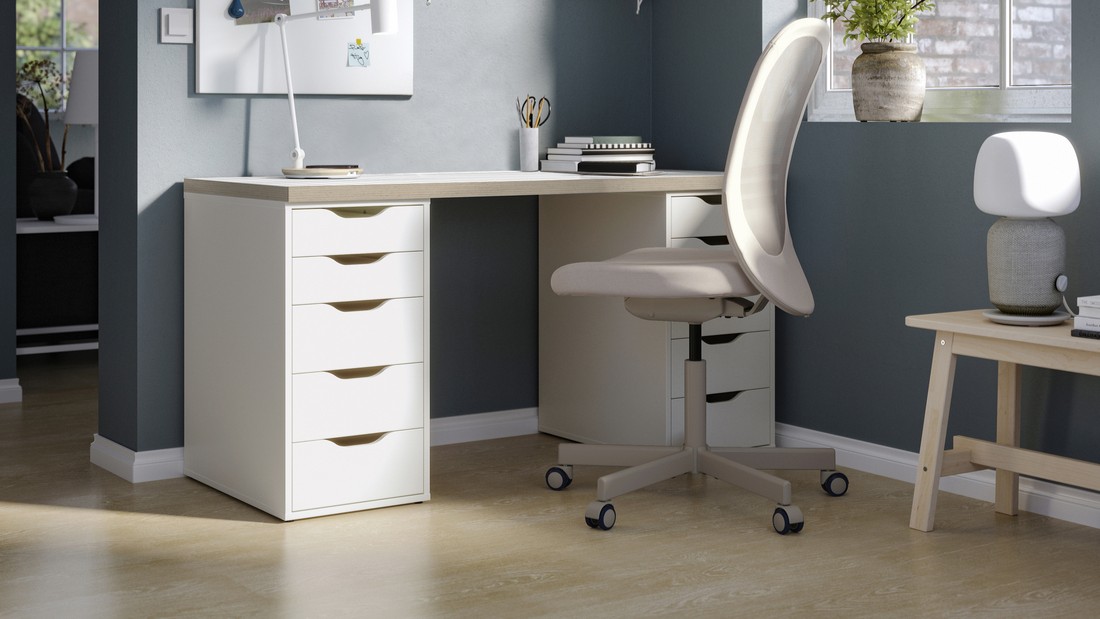
To help children focus, it is important to create a study area separate from distractions such as television or play areas. If space is limited, you can use a zoning approach within one room by visually separating study and play areas. This helps children understand each area’s function without major changes at home.
3. Involve all family members
A study routine becomes easier to maintain when supported by the entire family. Parents can lead by example by showing consistent habits such as reading or working at certain times.
Organizing storage to keep learning supplies tidy
A comfortable study space becomes more effective when supported by an organized storage system. The right setup helps children not only find items easily but also learn to stay organized from an early age.
1. Use easily accessible storage solutions
Choose storage solutions such as small shelves, storage boxes, or drawers that are easy for children to access. Proper placement based on the child’s height allows them to take and store items independently. This approach also encourages children to manage their own learning supplies.
2. Group items based on function
Grouping items by function makes the study space feel more organized and efficient. You can separate stationery, books, and art supplies such as the MALA series into different containers. This system helps children understand where to store and find what they need.
3. Build the habit of tidying up after studying
Simple habits like tidying the desk after studying can have a big long-term impact. This activity helps children build responsibility for their own learning space. With consistency, tidiness becomes a natural part of daily life.
Also read: Practical school lunch preparation tips to keep children excited about learning
Preparing supporting essentials for daily learning activities
Supporting items also play an important role in children’s daily learning activities. Simple preparations can help children stay focused, energized, and enjoy the learning process more.
1. Practical eating and drinking essentials
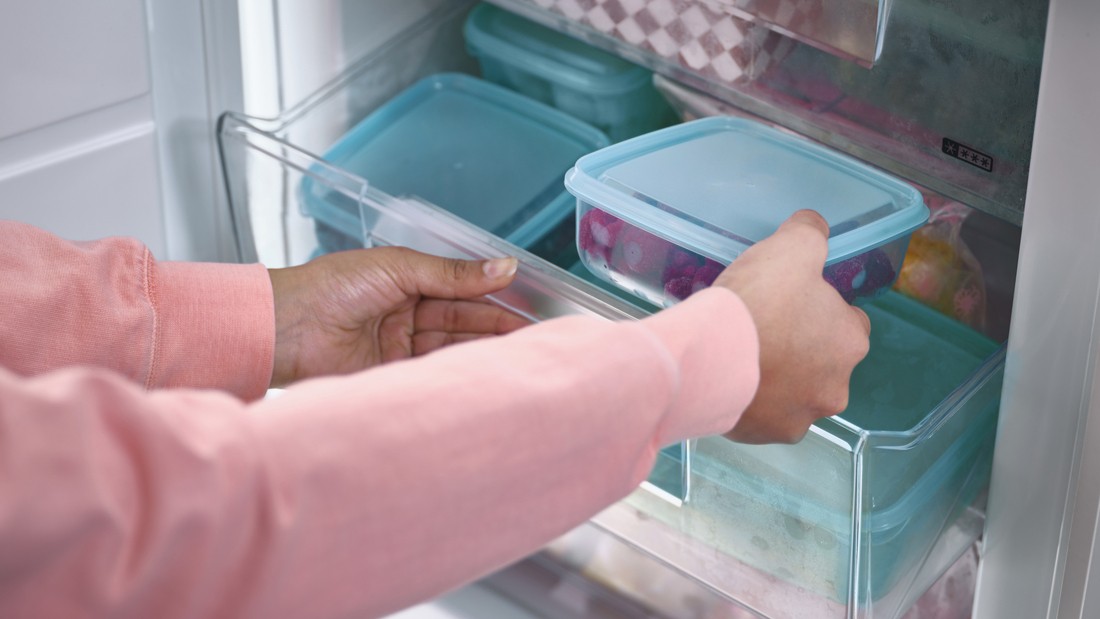
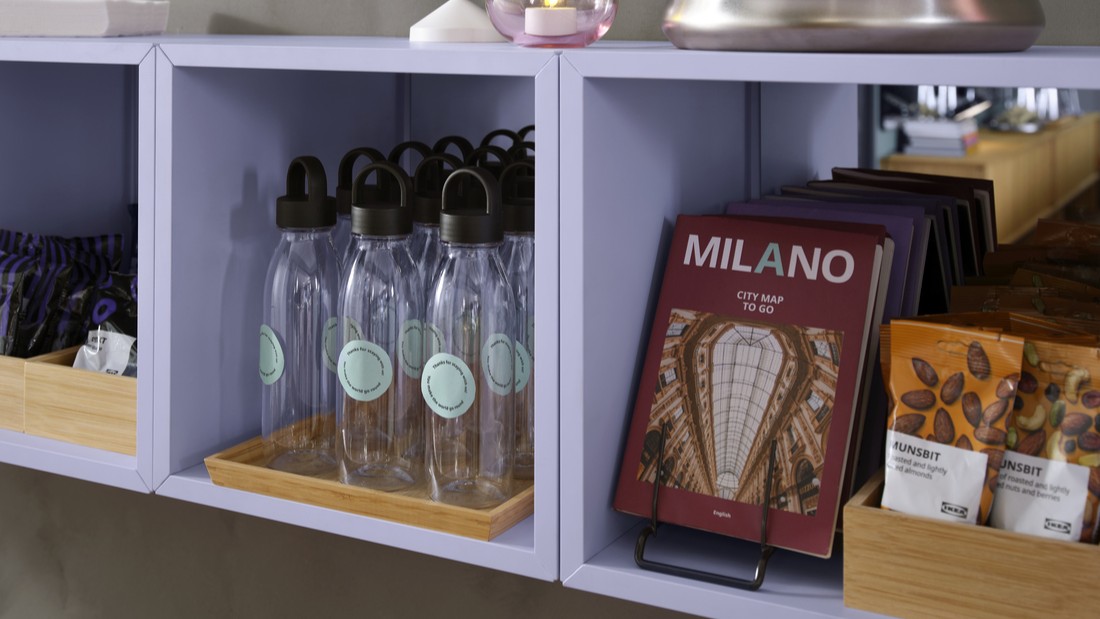
Practical eating and drinking needs should be considered so learning activities are not disrupted. You can prepare a water bottle to ensure children stay hydrated throughout the day. In addition, food containers help keep meals neat and easy to carry.
2. Creative tools to support exploration
Learning does not always have to come from books. Creative activities such as drawing, coloring, or making simple crafts are also important for children’s development. Using a MALA easel can be a fun way to encourage children to explore while learning.
Also read: Tips for preparing practical and nutritious school meals for children
It’s time to prepare your home for the new school year