Flies entering your home can be a nuisance, especially when they gather in the kitchen or dining area. Their presence should also be taken seriously because flies can carry dirt and transfer it to food.
There are several easy ways to get rid of flies, ranging from natural ingredients to insect-control products. To learn more, let’s take a look at the methods below.
Keeping your home clean, covering food, and limiting flies’ access are important steps to maintaining a comfortable home. Choose a suitable fly-control method and use supporting products to help prevent flies from returning.
How to get rid of flies using natural and chemical methods
The best way to get rid of flies can vary depending on your home environment and the severity of the infestation. Natural ingredients, simple traps, and insect-control products can all be used as options.
Here are some methods you can try:
1. Use plants and herbs
Herbs with strong scents can help discourage flies from approaching certain areas. Basil, pandan leaves, bay leaves, mint, lavender, and lemongrass can be placed in the kitchen, near doors, or by windows.
Place fresh leaves or potted plants in areas where flies frequently gather. Replace the leaves regularly to maintain their scent.
2. Use citrus peels and kitchen spices
Orange, lemon, or lime peels can be placed on tables and in kitchen areas to release scents that flies dislike. You can also add cloves to make the aroma stronger.
Other ingredients, such as sliced cucumber, garlic, chili peppers, cinnamon, or bay leaves, can be placed in open containers. Replace the ingredients regularly to keep them effective and prevent unpleasant odors.
3. Use essential oils
Essential oils with lemongrass, peppermint, lavender, or eucalyptus scents can be used as a fly-repellent spray.
Mix a few drops of essential oil with water in a spray bottle, then apply it to room corners, near doors, and in areas frequently visited by flies.
Sprays made with ginger, vinegar, or a small amount of dish soap can also be alternatives. Avoid spraying these mixtures directly onto food, and keep them out of the reach of children and pets.
4. Use apple cider vinegar and dish soap
Apple cider vinegar can be used as the main ingredient in a simple homemade fly trap. Pour about one-third to one-half of a container full of apple cider vinegar, then add a few drops of dish soap.
Cover the container with plastic wrap and make several small holes in the surface. Place the trap in an area with many flies, and replace the contents regularly.
5. Use overripe fruit
Overripe fruit can be used as bait in a homemade fly trap. Place pieces of fruit in a container, then cover it with plastic wrap and make several small holes.
Flies will be attracted to the container by the scent of the fruit. You can use the same method with a used plastic bottle containing leftover fruit or sugar water.
6. Use a plastic bag filled with water
A clear plastic bag filled with water can be hung near doors, windows, or entrances to the house. Reflected and refracted light is believed to interfere with flies’ vision, making them less likely to approach.
However, this method has produced mixed results, and its mechanism has not been consistently established scientifically. You can try it as an inexpensive and easy additional method.
7. Use a fan
Airflow from a fan can make it difficult for flies to fly and land steadily. Point a fan toward an open door or window to help prevent flies from entering.
Placing a fan along an entrance path can make this method more effective. It can also be used as an additional measure when doors or windows are open.
8. Install window screens
Window screens or mesh can act as a physical barrier to prevent flies from easily entering your home. Install them on windows, vents, or doors that are frequently opened.
Choose a sufficiently fine mesh and make sure there are no gaps around the installation area. This method helps prevent flies from entering continuously without the use of chemicals.
9. Use uv light traps
UV light traps can attract flies with light and then capture them using adhesive boards or electrical mechanisms. These devices can be placed in areas frequently visited by flies, such as kitchens, storage rooms, or semi-open areas.
Another simpler alternative is adhesive paper or sticky traps. Electric fly swatters can also be used to eliminate visible flies directly by following the product’s instructions.
10. Use fly sprays and pesticides
Fly sprays and pesticides can be an option when the number of flies becomes difficult to control. Choose products clearly labeled for house flies and use them according to the recommended dosage and instructions on the packaging.
Avoid spraying these products onto food or surfaces that come into direct contact with food. Keep the products away from children and pets, and make sure the room is well ventilated after use.
IKEA product recommendations to help prevent flies at home
In addition to using traps or fly-repellent methods, keeping food and trash covered can help reduce the factors that attract flies. IKEA offers a variety of products to help store food and keep your home more hygienic.
Here are some recommendations:
1. ARV BRÖLLOP serving dish with lid
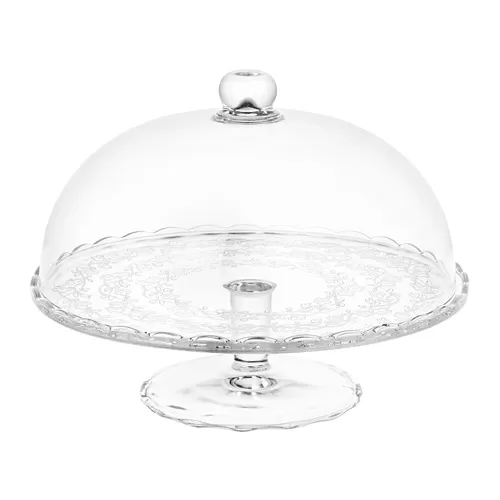
ARV BRÖLLOP can be used to serve cakes, cheese, and other foods neatly. Its lid helps protect food from flies and dust while it is being served.
The serving dish’s design also makes food look more appealing on the dining table. This product is suitable for serving food that needs to remain on the table for an extended period.
2. IKEA 365+ food container with lid
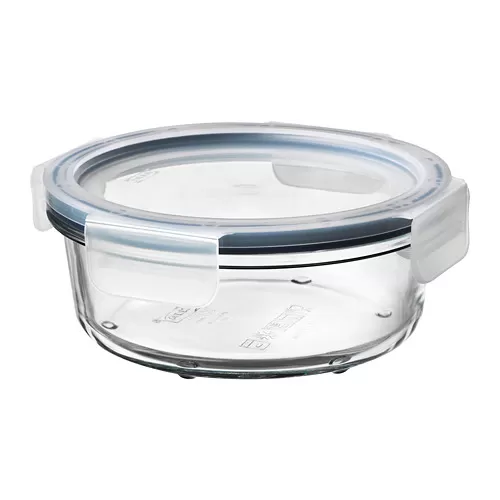
IKEA 365+ can be used to store leftover food while keeping it covered and protected. Its secure lid also helps reduce exposure to air and dirt.
The glass container does not easily absorb odors or become discolored by food. It can be used to store food at home or take it with you when traveling.
3. KNÖCKLA pedal bin
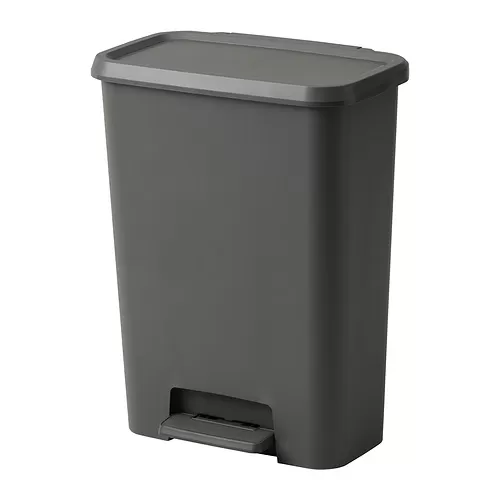
KNÖCKLA has a lid that helps keep waste covered, reducing flies’ access to potential food sources. Its pedal mechanism allows you to open the bin without touching the lid directly.
The inside features a ring that holds and conceals the garbage bag. The rounded corners also make the bin easier to clean.
4. SHINPO Square Food Cover
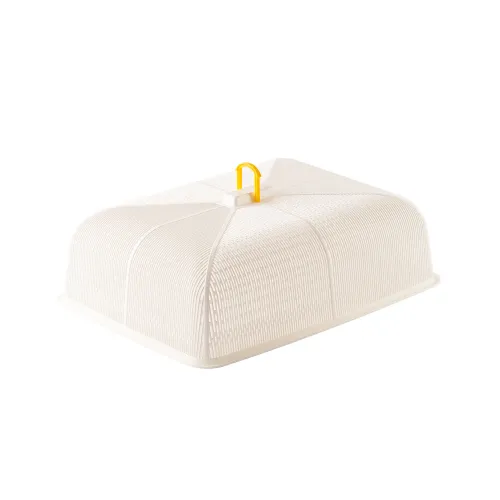
SHINPO can be used to cover food and drinks served on the dining table. Its cover helps keep food more hygienic while protecting it from flies and dust.
This product is made of food-safe, BPA-free plastic. Its perforated design helps reduce moisture, while the surface is easy to clean.
5. KORKEN Jar with Lid
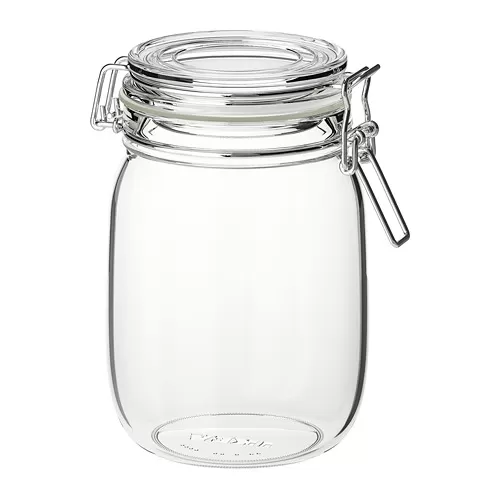
KORKEN can be used to store dry foods such as pasta, granola, tea, or biscuits. Its lid with a rubber seal helps keep the contents protected and reduces exposure to air.
The jar also does not easily absorb odors or become discolored after use. Its airtight and leak-resistant lid makes it suitable for storing various food ingredients in the kitchen.
Read also: How to deal with termites in bedroom, living room, and kitchen
Keep your home clean and fly-free
Getting rid of flies can be done by keeping your home clean, covering food, disposing of trash regularly, and using traps or physical barriers. Choose a method that suits your home environment and the severity of the fly problem.
IKEA also offers a variety of products that can help prevent food from being exposed to flies and keep your home more organized. Explore various storage solutions and household essentials to help keep your home comfortable at IKEA.co.id.
FAQ
Flies are usually attracted to food, sugary drinks, garbage, food scraps, and decaying organic matter. Damp and unclean areas can also be attractive places for flies.
Flies can breed in places that provide suitable food sources and organic matter. Garbage, food scraps, and dirty drains or damp areas can become potential breeding sites that need attention.
Keep food covered, dispose of trash regularly, and clean up any food spills or scraps. Also, check windows, doors, and vents to make sure there are no gaps that flies can easily pass through.
Flies can enter from outside through doors, windows, vents, or small gaps. The source may also come from hidden areas such as garbage bins, drains, or leftover organic matter.
Flies can carry microorganisms from contaminated areas and transfer them to surfaces or food they land on. Therefore, food should always be covered and should not be left exposed for too long.