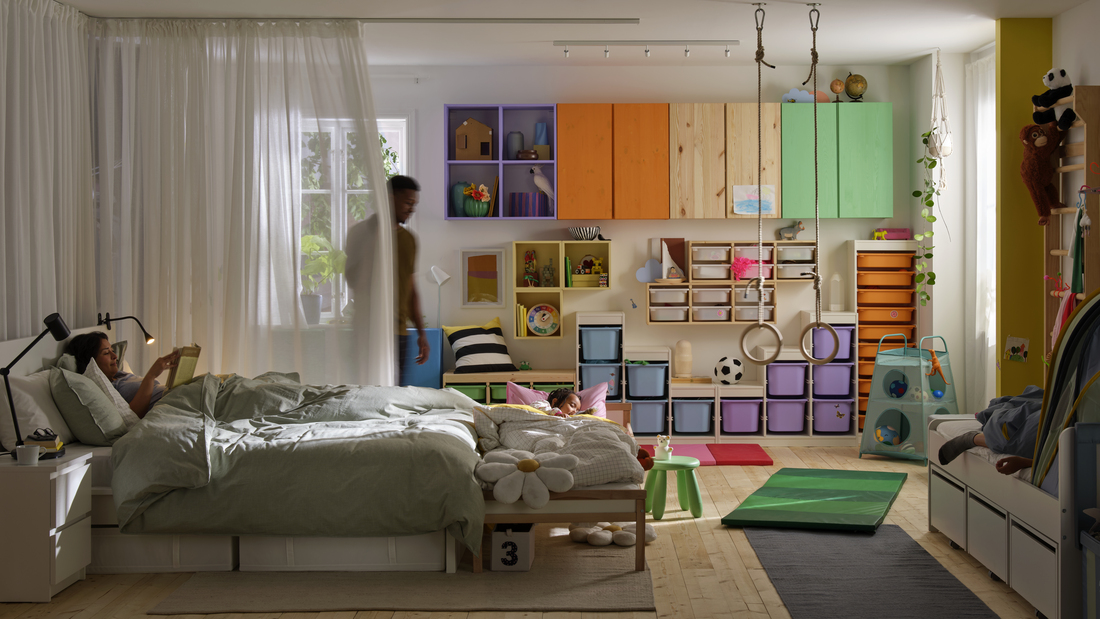
Have you ever felt that your home looks cluttered even though you do not have much furniture? Stacks of magazines on the table, blankets on the sofa, and small items scattered around different corners can make a room look less organized. However, not everything needs to be visible or require an additional cabinet.
One way to address this is by implementing hidden storage. This concept makes use of furniture compartments and rarely used areas of the home to store belongings in a more organized way.
Read this article to discover how choosing the right multifunctional furniture can help you create a more spacious-feeling room without sacrificing storage needs.
Choose storage solutions based on item size, frequency of use, and ease of access to keep them practical.
What is hidden storage and why is it suitable for minimalist homes?
Hidden storage is a storage system designed to keep belongings out of sight. It can take the form of drawers under the bed, compartments inside benches, cabinets with closed doors, or storage boxes placed in concealed areas.
Unlike open shelving, which also serves as a display area, hidden storage focuses more on visual neatness. Everyday essentials remain accessible without dominating the appearance of the room.
This concept is suitable for homes with limited space because a single piece of furniture can serve multiple purposes. For example, a footstool can be used for relaxation while also storing magazines, while a bed frame with drawers provides additional space for bedsheets and blankets.
Differences between hidden storage and open storage
Open storage allows you to see and retrieve items directly. However, placing too many items on open shelves can make a room feel crowded.
In contrast, hidden storage helps create a calmer appearance because some belongings are kept behind doors, lids, or drawers. Both systems can be combined so that your home maintains decorative areas alongside functional storage space.
8 Hidden storage ideas you can apply at home
Choosing storage solutions does not always mean adding large pieces of furniture. You can start by observing your daily activities and identifying areas that have not been fully utilized.
Here are several hidden storage ideas that can be applied to different rooms.
1. Make use of a bed with storage drawers

The space under the bed often becomes an area where dust accumulates or items are difficult to reach. However, this space can be used to store bedding without requiring an additional wardrobe.
A bed with drawers offers storage integrated into the main furniture piece in the bedroom. You can use it to store spare bedsheets, blankets, or seasonal clothing that is not used every day.
Products such as the IKEA BRIMNES bed frame with storage feature four spacious drawers beneath the frame. This design helps meet storage needs without making the bedroom appear more crowded.
Before choosing one, make sure you leave enough space beside the bed so the drawers can be pulled out completely. Avoid placing bedside tables or other furniture that may block access.
2. Use a footstool with a hidden compartment

A footstool does more than support your feet while relaxing. Some models also feature storage space beneath the seat, making them suitable for keeping frequently used items in the living room.
You can store magazines, small toys, or family entertainment accessories inside. When the lid is closed, these items remain out of sight, making the seating area appear more organized.
The IKEA EKTORP footstool with storage is one example of multifunctional furniture for this purpose. This product features a storage compartment beneath the seat and a removable cover that can be washed.
Place the footstool near the sofa so stored items are easy to retrieve. For smaller belongings, use additional pouches or containers to prevent items inside the compartment from getting mixed together.
3. Choose closed cabinets to store items in the living room

The living room usually accommodates many items with different functions, from electronic devices and books to entertainment accessories. If everything is placed on open shelves, the room can appear visually busy.
Closed cabinets help conceal items that do not need to be displayed while maintaining a tidy appearance. You can also separate belongings according to their functions by using dividers or storage boxes inside.
The IKEA BESTÅ series offers various combinations of storage units with doors in different sizes. One option is a wall cabinet with two doors measuring 60 × 22 × 128 cm, which helps make use of wall space.
For a more cohesive appearance, choose a cabinet color that complements the walls or other furniture. Remember to follow the installation instructions and ensure the wall material is suitable for supporting the cabinet.
Read also: Smart storage solutions: Everything in its place
4. Use a bench with storage space beneath the seat

Entryways, hallways, and dining rooms often need additional seating. Instead of choosing a regular bench, you can consider a model with storage space underneath.
This type of bench is suitable for storing board games, magazines, or items frequently carried during daily activities. By adding closed storage boxes, the contents can also look more organized when viewed from the side.
The IKEA PERJOHAN bench with storage measures 100 cm in length and features an open storage area beneath the seat. This product can be placed in the dining room, near the entrance, or at the foot of the bed.
It is important to note that the PERJOHAN storage area is not completely enclosed. If you prefer a more concealed storage concept, use storage boxes with lids in suitable sizes.
5. Store small items in lidded boxes inside cabinets

Not every hidden storage solution requires new furniture. Existing cabinets can be optimized by dividing their interiors into several storage areas.
Use lidded boxes to organize cables, stationery, documents, or household accessories. This approach helps prevent small items from becoming scattered while making cabinet contents easier to find.
The IKEA KUGGIS box with lid is available in several sizes, including 18 × 26 × 8 cm. These boxes can be stacked, making them suitable for use on shelves or inside cabinets.
Add simple labels to each box so you do not need to open every container when searching for something. Place frequently used items at the front, while spare items can be stored on upper shelves.
6. Make use of storage space behind cabinet doors

Cabinet doors are often used only to close off storage areas. However, their inner surfaces can also be utilized to hold small accessories without adding furniture or taking up floor space.
One solution you can consider is the IKEA SKOLÄST bin for cabinet doors. This 3.3-liter product can be hung on a kitchen cabinet door, making it easier to collect small waste items such as vegetable peels while preparing food.
Its compact design also allows it to be used in other areas, such as bathrooms or home offices, depending on your needs. Before installing it, make sure the cabinet door is no thicker than 22 mm and that there is enough space for the door to close comfortably.
You can explore IKEA's selection of storage boxes and baskets to help organize accessories inside cabinets.
7. Use wall cabinets to store items without taking up floor space

When the floor is already occupied by sofas, tables, and chairs, adding a freestanding cabinet may not be practical. As an alternative, make use of available wall space to install closed cabinets.
Wall cabinets can store books, documents, and household essentials without requiring additional floor space. This approach also makes it easier to clean the area underneath when the cabinet is installed at an appropriate height.
One option worth considering is the IKEA BESTÅ wall-mounted cabinet combination. This product features closed doors and adjustable shelves to accommodate different storage needs.
Make sure the cabinet is installed using fasteners suitable for the wall type and follows the weight limits specified in the product instructions. Avoid storing heavy items beyond the recommended capacity.
Read also: Living room inspiration and furniture
8. Combine closed storage with display areas

The concept of hidden storage does not mean everything has to be concealed. You can still display your favorite decorations, book collections, or houseplants while keeping other belongings inside closed compartments to maintain a more organized room.
One furniture option to consider is the IKEA KALLAX shelving unit with 2 doors and 2 shelf inserts. Measuring 77 × 77 cm, this shelving unit combines enclosed compartments for hiding small items with open shelves that can be used as display areas.
You can place documents, cables, or household accessories behind the doors, while the open sections can display books, photo frames, or selected decorations. To prevent the arrangement from looking too crowded, leave some empty space between displayed objects.
By combining open and closed storage, you can keep belongings organized while adding a personal touch to your living room or home office.
Tips for choosing hidden storage furniture according to your home's needs
Choosing furniture with hidden storage requires considering more than just design. Size, accessibility, and usage habits will influence how practical the furniture is in everyday activities.
1. Match furniture dimensions to the room size
Measure the placement area before purchasing furniture. In addition to length, width, and height, consider the space required to open doors or pull out drawers.
A bed with drawers, for example, requires clearance beside the frame. If the bed is positioned too close to the wall, the storage space may not be fully usable.
2. Choose storage based on frequency of use
Items used every day should be stored in easily accessible compartments. Meanwhile, seasonal accessories can be placed in areas that are harder to reach.
You can divide your storage into three categories:
-
Daily items, such as charging cables, stationery, and entertainment accessories.
-
Weekly items, such as board games, extra blankets, and home accessories.
-
Seasonal items, such as certain decorations, spare bedsheets, and rarely used accessories.
This organization helps prevent the habit of removing everything from a compartment just to find one item.
3. Consider materials and ease of maintenance
Storage furniture should be maintained according to its materials. Wood, fabric, and plastic surfaces have different cleaning requirements.
For upholstered benches, check whether the covers can be removed and washed. Meanwhile, cabinets with closed doors can help reduce dust exposure to stored items, although the interiors still need regular cleaning.
4. Avoid filling every compartment completely
Hidden storage is not a reason to keep accumulating belongings. Overfilled compartments can make items difficult to find and interfere with convenient use.
Leave enough space so items can be easily retrieved and returned. Check storage contents regularly to ensure that only items that are still used or needed remain stored.
Mistakes to avoid when implementing hidden storage
Although hidden storage offers various advantages, it still requires planning. The following mistakes can make a storage system less effective.
1. Prioritizing appearance without considering accessibility
A cabinet that looks attractive may not necessarily suit your usage needs. If its doors are difficult to open because other furniture blocks them, storage can become inconvenient.
Make sure every drawer, door, and lid can be opened without having to move too many objects.
2. Storing different types of items in one compartment
Mixing documents, cables, toys, and other accessories in one place can make finding items difficult. Use additional containers or dividers so each category has its own space.
3. Ignoring furniture safety
Furniture mounted on walls must follow installation instructions and weight capacities. For homes with children, consider the risk of furniture tipping over, access to hazardous items, and the safety of lid and drawer mechanisms.
Additionally, do not store items that require special ventilation in enclosed compartments without checking their storage requirements.
FAQ about hidden storage
Hidden storage is a method of keeping belongings in places that are not immediately visible, such as drawers beneath beds, bench compartments, or cabinets with doors.
Start by making use of existing furniture, such as the space beneath the bed or empty areas inside cabinets. Use lidded boxes to organize belongings and consider multifunctional furniture if additional storage capacity is needed.
Yes. Living rooms can use footstools with storage, closed cabinets, or furniture with drawers.
Multifunctional furniture serves more than one purpose, such as a bench that also functions as a side table. Meanwhile, hidden storage furniture specifically provides storage space that is not immediately visible.
The space under the bed is suitable for storing bedsheets, blankets, seasonal clothing, or other lightweight items. Use appropriate drawers or boxes and avoid storing damp items to make it easier to maintain cleanliness in the storage area.
Create a more organized home with IKEA storage solutions
A comfortable home does not always require additional rooms. Sometimes, simple changes in how you store belongings can help create a more organized environment and make everyday activities easier.
From beds with drawers to closed wall cabinets, various hidden storage ideas can be adapted to the needs of each room. The key is choosing furniture that provides storage functionality while supporting your daily habits at home.
Discover inspiration and multifunctional furniture options through the IKEA storage product collection. Explore sizes, designs, and storage options that suit your needs, and start creating a tidier home with solutions from IKEA.co.id.