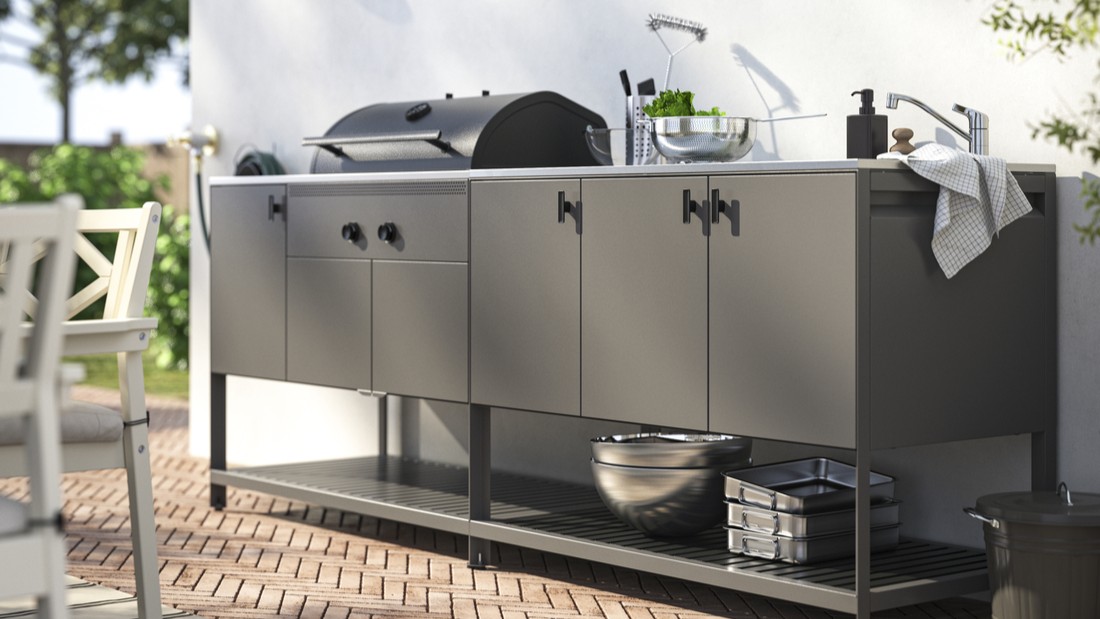
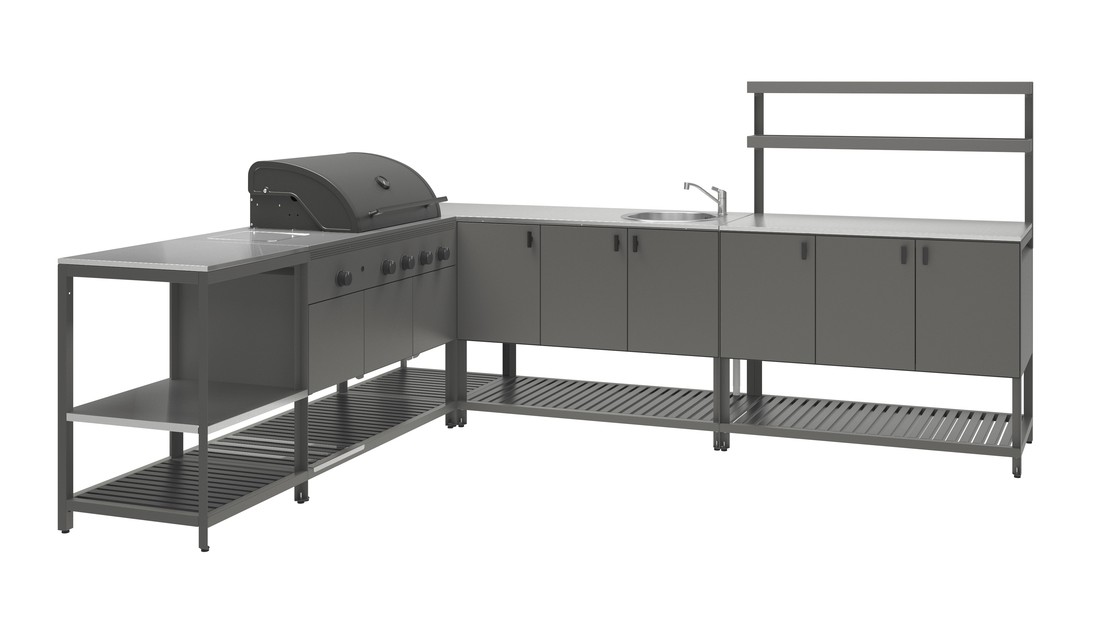
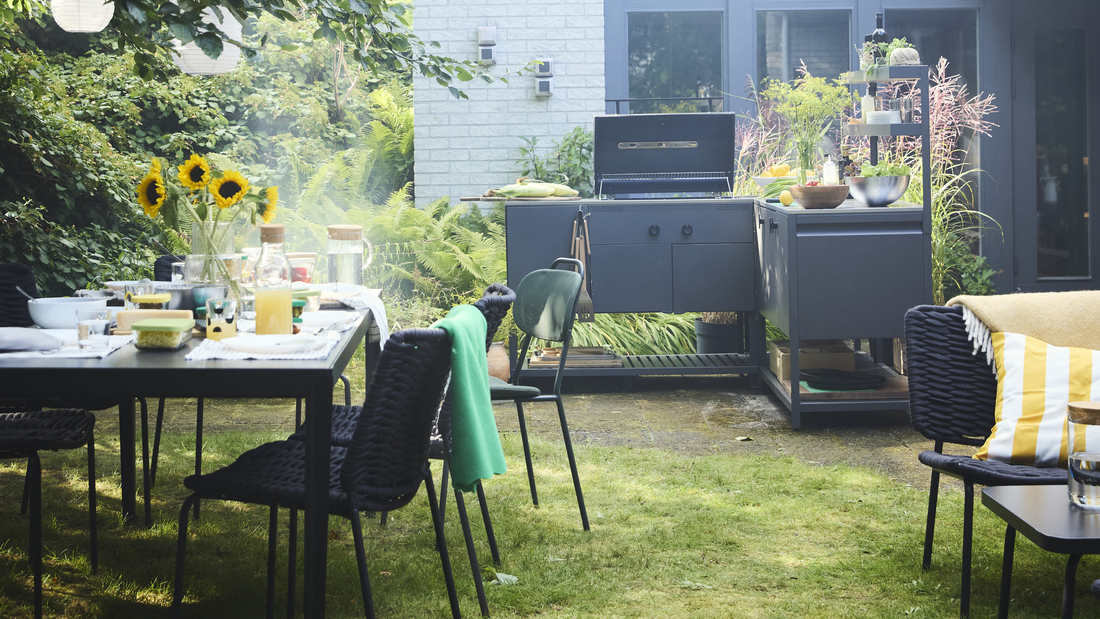
Food grilling tools are cooking devices designed to apply direct heat to food, allowing it to cook evenly while developing a distinctive grilled flavor. In everyday use, a grill can be found in home kitchens, balconies, gardens, or outdoor BBQ areas.
When the right grilling tool is used, the grilling process becomes more controlled, the cooking results are more consistent, and the overall experience feels more enjoyable. Because each grill has different heat characteristics, heating systems, and usage contexts, choosing the right grill should always start with understanding your actual needs.
Understanding food grilling tools and how they work
To understand food grilling tools, the key principle lies in direct heat transfer. A grill works by delivering heat directly to the grilling surface, allowing food to be cooked through contact with hot grates or plates. During grilling, fat drips onto the heat source, creating aroma, while surface caramelization contributes to texture and flavor. This mechanism clearly distinguishes grilling from other cooking methods.
In general, grilling produces a drier surface and a more pronounced flavor compared to frying or baking in an oven. When grilling meat or fish, direct heat helps the food cook evenly, especially when the grill distributes heat consistently. This is why grilling tools are commonly used for chicken, sausages, steak, satay, or grilled fish.
Types of grilling tools based on heat source and usage
To better understand different grill options, classifying grills by their heat source provides practical clarity.
|
Type of grill
|
Heat source
|
Key characteristics
|
Typical use
|
|
Charcoal grill
|
Charcoal
|
Smoky aroma, high heat
|
Classic outdoor BBQ
|
|
Gas grill
|
Gas
|
Stable temperature control
|
Regular home use
|
|
Electric grill
|
Electricity
|
Minimal smoke
|
Indoor kitchens
|
|
Grill pan
|
Stove heat
|
Compact and practical
|
Daily cooking
|
|
Portable grill
|
Varies
|
Lightweight and movable
|
Travel and picnics
|
Charcoal grills for classic barbecue flavor
Charcoal grills use charcoal as their fuel and are known for producing a natural smoky aroma. Heat levels are typically high, making this grill suitable for family BBQ gatherings. In many cases, charcoal BBQ tools are chosen for their traditional grilling experience and flavorful results.
Gas grills for practical and stable grilling
Gas grills use gas as their fuel source and allow more precise temperature control through a built-in temperature regulator. These grills heat up quickly, are relatively efficient, and are commonly used for routine grilling. In modern homes, gas-powered grills are often valued for consistency and convenience.
Electric grills for indoor kitchens
Electric grills rely on an internal heating system and are designed for indoor use. Because they produce minimal smoke, they are suitable for apartments or kitchens with limited ventilation. Choosing between gas or electric grills usually depends on space availability and cooking habits.
Grill pans for stovetop grilling
A grill pan is a ridged pan used on a stove or gas stove. This option is practical for small to medium portions, such as sausages, chicken, or fish. Grill pans are popular because they are compact, minimalist, and easy to store.
Portable grills for outdoor activities
Portable grills are designed to be compact, lightweight, and easy to carry. These grills are ideal for picnics or outdoor travel. In outdoor settings, portable grills make it possible to enjoy BBQ activities without large equipment.
Read also: Create a beautiful kitchen experience IKEA style, starting your day with cheerful cooking activities
Key factors when choosing a durable and reliable grill