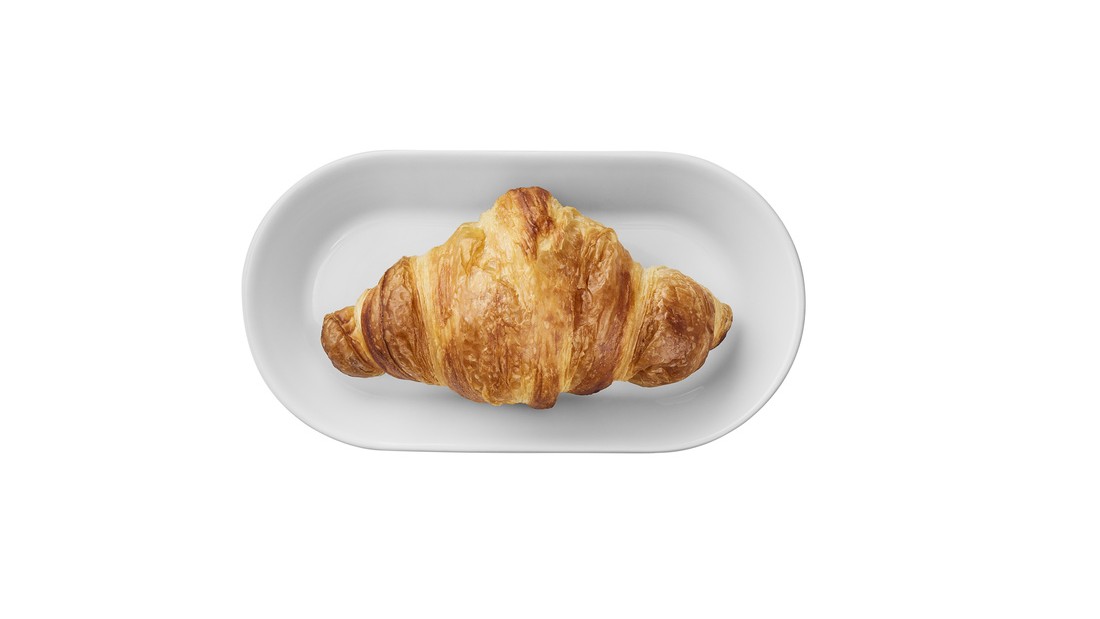
A croissant is a crescent-shaped, butter-based pastry known for its crisp exterior and soft, tender interior. Unlike regular bread, croissants are made from yeast-leavened dough layered with butter through a lamination process, creating thin, flaky layers and buttery flavor.
Croissants belong to the viennoiserie family, which developed from European pastry influences before becoming an integral part of French culinary culture.
Today, croissants are widely available in cafés, hotels, and bakeries, and have become a popular breakfast and snack option in many countries, including Indonesia.
Modern croissants developed from the influence of the Austrian kipferl and were later refined through layered pastry-making techniques in France.
Key characteristics of croissants
To identify a croissant more easily, there are several characteristics that distinguish it from other types of bread and pastries. These characteristics can be seen in its shape, ingredients, preparation process, and texture.
Here are the main characteristics:
-
A distinctive crescent shape.
-
Butter layers that create multiple thin layers.
-
Yeast is used to help the dough rise.
-
A flaky texture with an airy interior.
-
A slightly sweet and savory flavor with a strong butter aroma.
Read also: The secret of delicious homemade cakes
Differences between croissants and other pastries
Croissants are often considered similar to other pastries because they share a layered texture. However, differences in dough, ingredients, and preparation techniques give each type of pastry its own distinct characteristics.
Here is an overview of the differences:
|
Type |
Dough |
Texture |
Key Characteristics |
|
Croissant |
Yeast-leavened dough with layers of butter. |
Crisp, flaky, and airy. |
Crescent shape and buttery flavor. |
|
Puff pastry |
Unleavened dough with layers of butter. |
Very crisp and light. |
Relies on steam to create layers. |
|
Brioche |
Yeast-leavened dough with eggs, milk, and butter. |
Soft, tender, and rich. |
More bread-like and does not have flaky layers. |
|
Kipferl |
Yeast-leavened dough with little or no lamination. |
Denser and softer. |
An Austrian crescent-shaped pastry that was one of the inspirations for the croissant. |
Common types of croissants
Croissants are not limited to the classic plain crescent-shaped version. As culinary trends have evolved, various variations have emerged with different fillings, shapes, and serving techniques.
Here are some common types of croissants:
1. Classic varieties
Several classic varieties remain popular because they maintain the characteristics of layered pastry while offering simple flavor variations. Some popular types include:
-
Butter Croissant: A classic croissant with a rich butter flavor, a crisp exterior, and a soft interior.
-
Pain au Chocolat: A rectangular-shaped pastry filled with chocolate.
-
Almond Croissant: A croissant filled with almond cream and usually topped with sliced almonds.
-
Pain Suisse: A layered pastry filled with smooth pastry cream and pieces of chocolate.
2. Modern varieties
Modern variations offer croissants in more creative shapes and combinations while maintaining the characteristic layered dough. Some popular types include:
-
Cromboloni or New York Roll: A round croissant filled with luscious cream and various toppings.
-
Croffle: Croissant dough cooked in a waffle maker, creating a flattened shape with a patterned surface.
-
Cruffin: Croissant dough baked in a muffin tin, giving it a shape similar to a muffin.
-
Cube Croissant: A cube-shaped croissant that can be filled with various types of cream.
How to make croissants
Making croissants from scratch requires time and precision, especially during the lamination and dough-chilling processes.
The temperature of both the butter and dough needs to be carefully controlled to keep them cold, preventing the layers from merging or the butter from leaking during baking.
Here is the proper way to make croissants:
1. Lamination technique (folding/turning)
Lamination is an essential part of making croissants because it creates thin layers of butter and dough. The lamination process involves the following steps:
-
Make the détrempe: Combine flour, liquid, yeast, sugar, salt, and a small amount of butter, then knead until the dough is smooth before chilling it.
-
Prepare the beurrage: Shape the cold butter into an evenly thick sheet or square.
-
Perform the lock-in: Roll out the dough, place the butter in the center, then fold and seal the dough tightly so the butter does not escape.
-
Perform the first turn: Roll the dough into a rectangle, then fold it like a letter and chill for 30–60 minutes.
-
Repeat the second and third turns: Roll out and fold the dough, then rotate it approximately 90 degrees before the next step while keeping the dough cold.
-
Shape the croissants: Once chilled, roll out the dough, cut it into triangles, and roll each piece from the base to form a crescent shape.
-
Proof and bake: Let the shaped dough rise, brush it with egg wash, then bake at approximately 190–200°C until golden brown.
2. A practical version for beginners
For beginners or those looking for a quicker method, ready-made puff pastry can be used as an alternative. The result will still be crisp and layered, although it will not have the same soft, airy texture and distinctive aroma of yeast-leavened croissants made from scratch.
Here are the steps:
-
Use thawed ready-made puff pastry.
-
Cut the dough into triangles.
-
Add your preferred filling if desired.
-
Roll each piece from the base to form a crescent shape.
-
Brush the surface with egg wash.
-
Bake until puffed and golden brown.
-
Serve while warm for a crispier texture.
Best way to enjoy a croissant
Croissants are best enjoyed fresh and slightly warm because their butter aroma and layered texture are more pronounced. You can enjoy them on their own or pair them with various accompaniments according to your preference.
Here are some ways to enjoy a croissant:
-
Warm it first: Heat it in the oven at around 175–200°C for 5–10 minutes.
-
Use a plate: Choose a plate that is wide enough to catch the croissant crumbs.
-
Tear it by hand: Cut or tear it into smaller pieces to make it easier to enjoy.
-
Try a plain croissant first: Experience the butter aroma and texture without any additional toppings or fillings.
-
Add accompaniments: Try it with cheese, chocolate, jam, cream, butter, or fresh fruit.
-
Pair it with a drink: Enjoy it with coffee, cappuccino, tea, hot chocolate, or milk.
Croissant recommendations at IKEA
For those who want to enjoy croissants without making them from scratch, IKEA offers several croissant options through Cafe IKEA. Options include butter, chocolate, and cheese croissants, although menu availability may vary depending on the location and time.
Here are some of the available options:
1. Butter croissant

The butter croissant is a classic choice for those who want to enjoy a buttery flavor without additional fillings. This menu item is listed among the pastry options at IKEA Food and pairs well with beverages such as coffee or tea.
When served, the butter croissant has a crisp, flaky exterior with a soft buttery flavor. It is a suitable choice for a light snack while relaxing after shopping or enjoying a coffee break.
2. Chocolate croissant
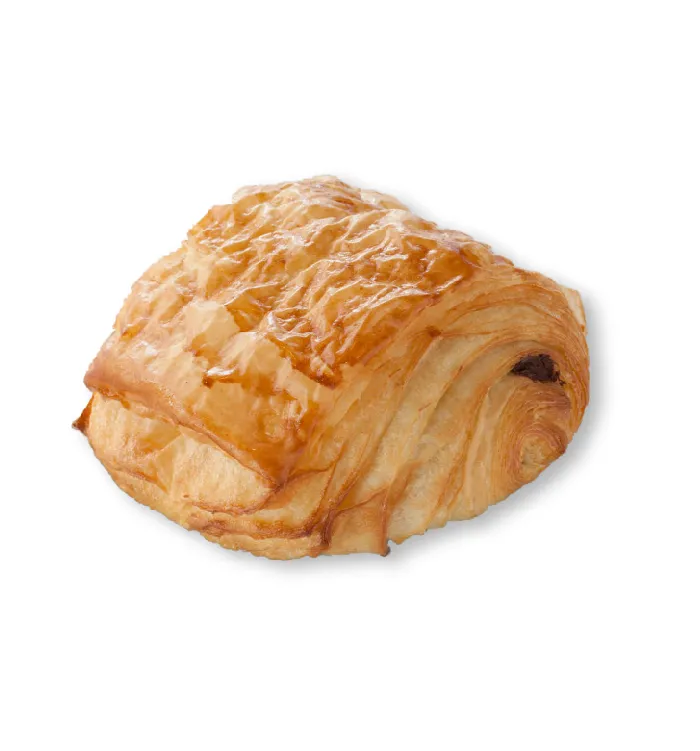
A chocolate croissant combines layered pastry with a sweeter chocolate flavor. This option is suitable for those who want to enjoy a croissant with an added flavor without having to add the filling themselves.
You can enjoy it with coffee or other beverages available in the IKEA area. The combination of sweet chocolate and the aroma of coffee also makes it a suitable choice for a light breakfast or snack between activities.
3. Cheese croissant

A cheese croissant combines the flaky texture of a croissant with the savory flavor of cheese. This combination is ideal for those who prefer savory snacks.
This menu item can be enjoyed as a snack during a relaxing break or as an alternative for those who prefer pastries with a more savory flavor. Menu availability may vary depending on the IKEA location you visit.
Read also: Get inspired by cookie cutters for beautiful and uniform results
Enjoy a variety of croissant options at IKEA
Croissants are layered pastries with a crisp exterior, soft interior, and distinctive buttery aroma.
If you want to enjoy them without making them yourself, IKEA offers a variety of croissant options that can accompany your relaxing moments, from butter croissants to chocolate and cheese croissants.
Visit IKEA Restaurant to discover a variety of food and beverages at IKEA restaurants and complete your IKEA experience.
FAQ
A croissant is a yeast-leavened bakery product that is more accurately classified as a type of viennoiserie. Its dough uses yeast and undergoes a butter lamination process, giving it a texture that differs from regular bread.
Chilling helps keep the butter firm between the layers of dough. If the butter becomes too soft, it can seep into or leak out of the dough, preventing the croissant layers from forming properly.
Croissants are best enjoyed fresh, but they can be stored in an airtight container for several days. For longer storage, croissants can be frozen and reheated before serving.
Butter is an important ingredient in croissants because it helps create the layers and provides their characteristic flavor. Margarine or other types of fat can be used as alternatives, but the resulting flavor and texture may differ.
Croissants may fail to rise properly if the lamination is not done correctly, the butter becomes too warm, or the proofing process is not properly controlled. The dough temperature, layer thickness, resting time, and oven temperature all need to be carefully monitored to achieve a well-risen croissant with distinct layers.