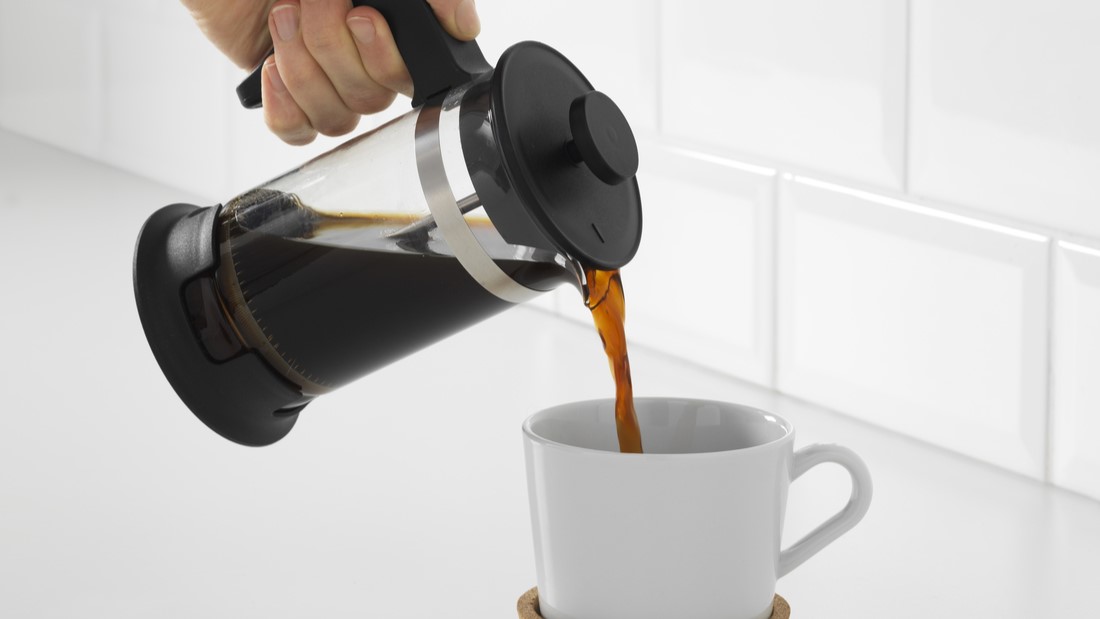
Enjoying a satisfying cup of coffee does not always require a visit to a café. With the right coffee maker, you can control more of the brewing process and prepare coffee around your own taste and daily routine.
Different coffee makers use different extraction methods. Manual brewers provide more hands-on control over variables such as ground coffee, water temperature and flow, while capsule and automatic machines focus more on convenience and consistency.
There is no single coffee maker that suits everyone. A French press offers a simple brewing process, pour-over provides greater control, while a moka pot produces a more concentrated cup. If convenience is a priority, an espresso or capsule machine may be worth considering. Choose your coffee maker based on your preferred flavour, brewing time, capacity, cleaning needs, available space and budget.
Understanding these differences can help coffee lovers choose a brewer that suits their preferred flavour, available time, budget and level of involvement.
Understanding Different Coffee Brewing Methods
The coffee bean itself is only one part of the final result. Extraction method, grind size, water temperature, brew time and other variables can all influence the flavour in your cup.
Several common brewing approaches include:
Immersion
Ground coffee stays in contact with water before being separated. French press is a well-known example.
Filtration or pour-over
Hot water flows through ground coffee and a filter. Pouring technique can help determine how evenly the coffee bed is saturated.
Pressure brewing
Water passes through coffee with assistance from pressure. Espresso machines and moka pots both involve pressure, but their mechanisms and pressure levels are very different.
Cold extraction
Ground coffee is brewed using cool or room-temperature water over a longer period.
No method automatically produces the “best” coffee. The right choice depends on the coffee, recipe and personal preference.
Quick Comparison of 6 Coffee Makers
| Coffee maker | Brewing method | Typical character | Convenience | Good for |
|---|---|---|---|---|
| French press | Immersion | Rich, full-bodied | High | Beginners |
| Pour-over | Filtration | Clean, aromatic | Medium | Manual brewing |
| Moka pot | Steam pressure | Strong, concentrated | Medium | Strong coffee |
| Espresso machine | Pressure | Espresso | Medium | Lattes and cappuccinos |
| Capsule machine | Capsule | Consistent | Very high | Fast routines |
| Cold brew maker | Cold steep | Smooth | Simple but slow | Cold coffee |
1. French Press for Rich, Full-Bodied Coffee
A French press is a manual coffee maker that uses immersion brewing.
Ground coffee is placed inside the glass or brewing chamber, hot water is added, and the coffee remains in contact with the water during extraction. A plunger and filter are then pushed down to separate most of the grounds from the brewed coffee.
Because the coffee and water remain together during the process, the resulting cup can feel fuller and more textured than many filtered methods.
French press is practical for users who want a straightforward home-brewing routine without electricity or precise pouring.
You can explore an UPPHETTA coffee/tea maker as a simple immersion-style option.
2. Pour-Over for a Cleaner, More Controlled Cup
Pour-over or manual drip brewing uses a dripper and filter.
Hot water is poured gradually over ground coffee and the extracted liquid passes through the filter into a cup or server.
This method allows more direct control over water temperature, pouring pattern, flow rate and brew time.
The filter also retains more fine particles and sediment, helping produce a relatively clean cup.
Consistency depends on several variables, including grind size, coffee-to-water ratio and pouring technique. Rather than simply pouring water as quickly as possible, aim for an even saturation of the coffee bed.
Related read: Coffee equipment for brewing quality coffee at home.
3. Moka Pot for Strong, Concentrated Coffee
A moka pot is a compact brewer commonly used on a stovetop.
Water sits in the lower chamber. As it heats, steam pressure helps push water through the ground coffee and into the upper chamber.
The result is generally strong and concentrated, making it appealing to people who prefer a more intense cup.
However, moka pot coffee is not the same as espresso. The pressure level and extraction process differ from those of an espresso machine.
When choosing a moka pot, consider capacity, compatibility with your hob and materials such as aluminium or stainless steel according to the manufacturer's instructions.
4. Espresso Machine for Café-Style Drinks
An espresso machine uses pressure to force hot water through finely ground coffee.
In many traditional machines, coffee is placed in a portafilter which is then locked into the group head before extraction.
Grind size, dose, distribution, water temperature and pressure can all influence the espresso that is produced.
Espresso can be served on its own or used as a base for drinks such as Americano, latte and cappuccino with milk.
An espresso machine suits coffee lovers who enjoy exploring more barista-style techniques at home. Before buying, consider budget, available space, maintenance, electrical wattage and how much control you genuinely want to learn.
5. Capsule Coffee Machine for Everyday Convenience
A capsule coffee maker focuses on speed, simplicity and repeatable results.
The coffee capsule typically contains a pre-portioned amount of ground coffee. Once a compatible capsule is inserted, the machine controls much of the brewing process.
This reduces the need to measure coffee, adjust the grind or manually control water flow.
The trade-off is that users have less control over extraction variables and are limited to capsules compatible with the particular system.
Before selecting a capsule machine, consider capsule availability, drink selection, tank capacity, machine dimensions, wattage, cleaning requirements and ongoing running costs.
6. Cold Brew Maker for Preparing Cold Coffee
Cold brew uses a longer extraction process with cool or room-temperature water.
Ground coffee is steeped for an extended period before being separated using a filter or strainer.
This can be practical for people who prefer preparing several servings of cold coffee in advance.
The finished brew can be enjoyed according to the recipe or combined with water, ice or milk.
Avoid assuming that all cold brew is automatically low in acidity or healthier, as the result depends on the beans, grind, ratio, time and recipe.
Choose a brewer according to capacity, filter design, cleaning requirements and materials such as glass or stainless steel.
Which Coffee Maker Is Right for You?
Rather than choosing a coffee maker based only on brand or appearance, match it to the way you actually drink coffee.
For a fuller-bodied black coffee:
Consider a French press.
For a cleaner cup and more brewing control:
Pour-over provides greater hands-on control over flow, temperature and other variables.
For concentrated coffee from a compact brewer:
A moka pot may suit your routine.
For espresso, latte and cappuccino:
An espresso machine is designed around espresso extraction.
For speed and consistency:
A capsule machine minimises manual preparation.
For cold coffee prepared in advance:
A cold brew maker can be a convenient option.
Also consider capacity, storage space, cleaning, budget and the amount of precision you want in your brewing process.
What About AeroPress?
AeroPress is another manual brewer popular with coffee enthusiasts because it is compact and adaptable.
Ground coffee and water are placed inside a chamber, then pushed through a filter using a plunger.
Manual air pressure assists the brewing process, although the mechanism is very different from the high-pressure extraction of a traditional espresso machine.
Different AeroPress recipes can change grind size, water temperature, contact time and ratio to produce different cup profiles.
It can therefore be an interesting next step for users who enjoy experimenting with manual brewing.
Supporting Equipment for More Consistent Brewing
The brewer determines the main brewing method, while supporting equipment can help you manage variables more accurately.
A grinder lets you grind coffee beans according to the brewing method.
A kettle provides hot water and, for certain pour-over techniques, more precise pouring control.
A scale helps measure coffee and water accurately.
A filter separates coffee grounds or sediment according to the brewing method.
A timer helps repeat the same brewing duration.
A milk frother can support milk-based drinks.
You do not need every accessory immediately. Choose tools that support the brewing method you actually use.
Related read: Coffee equipment for brewing quality coffee at home.
Simple Tips for More Consistent Coffee
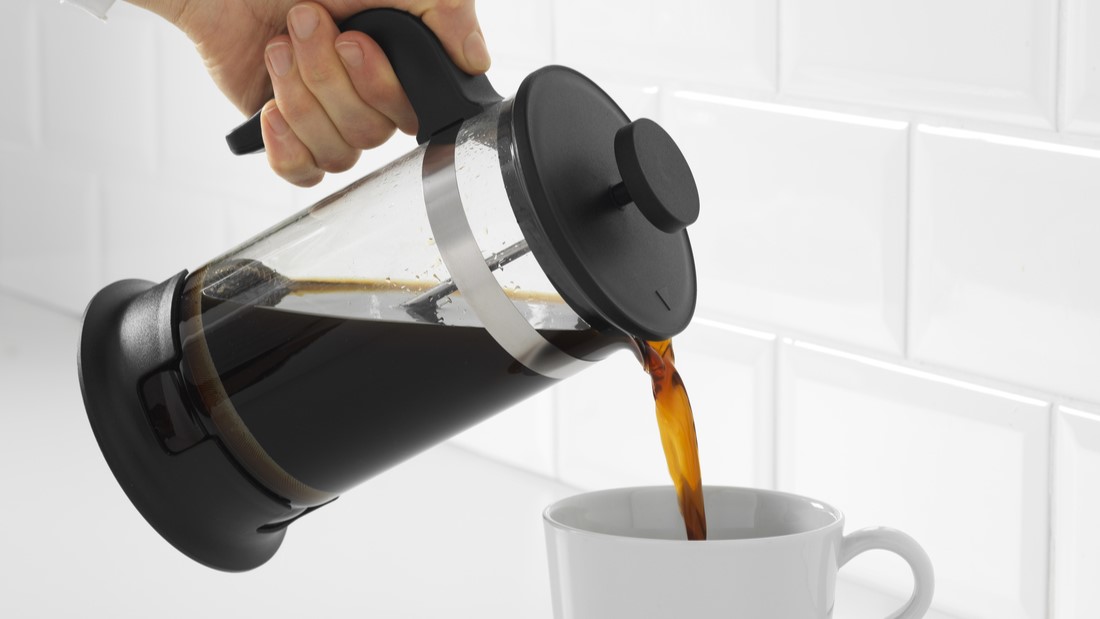
Even a high-quality coffee maker benefits from a consistent process.
Use beans you enjoy and adjust the grind size to the brewing method. Measuring coffee and water can make it easier to repeat a satisfying cup.
Water temperature is another variable. Rather than assuming one temperature is ideal for every coffee and brewing method, follow a suitable recipe and adjust based on the result.
If the cup tastes too bitter, weak or otherwise unsatisfying, change one variable at a time—such as grind size, ratio or brewing time.
This makes it easier to understand what actually changed the flavour while keeping home brewing enjoyable rather than unnecessarily complicated.
Complete Your Home Coffee Ritual with IKEA
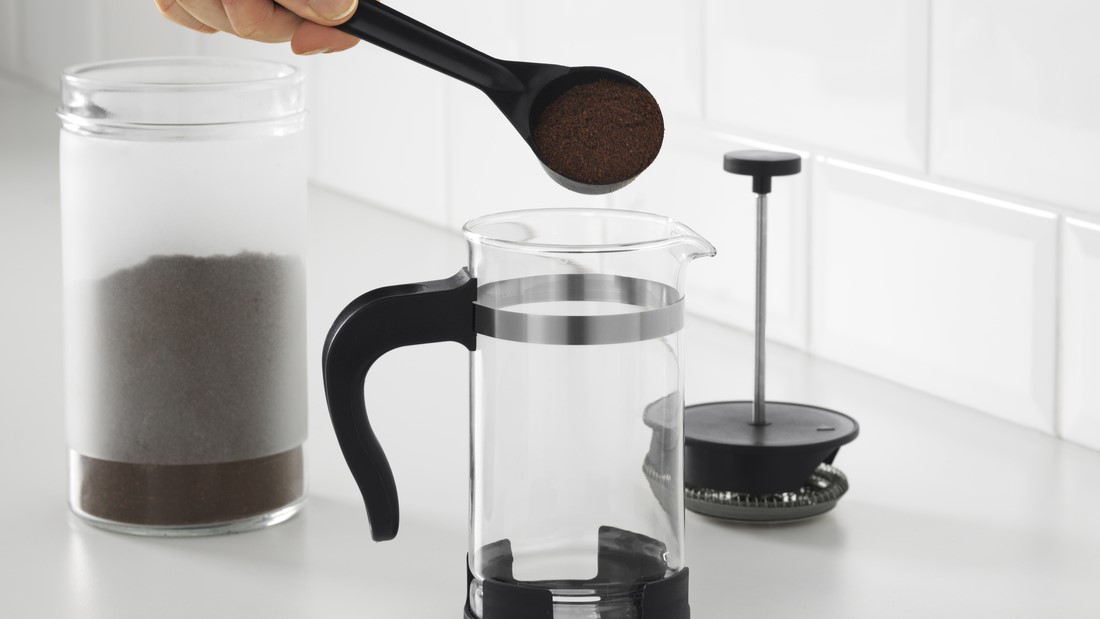
Build your home coffee routine around the way you genuinely enjoy your coffee.
Explore IKEA coffee and tea accessories and tea and coffee makers for practical brewing and serving essentials.
For a simple immersion-style method, consider an UPPHETTA coffee/tea maker, then serve your brew using IKEA mugs and cups.
Related read: Tips for choosing quality coffee cups that suit every moment.
FAQ About Coffee Makers
Common options include French presses, pour-over brewers, moka pots, espresso machines, capsule coffee makers and cold brew makers. AeroPress is another manual option.
A French press is relatively straightforward because it uses immersion brewing and does not require controlled pouring. The best option still depends on the flavour you prefer.
French press immerses ground coffee directly in water before separating it with a plunger and filter. Pour-over passes water through ground coffee and a filter, creating a different cup profile.
No. Moka pots and espresso machines use different pressure levels and extraction mechanisms. A moka pot produces concentrated coffee but not true machine-brewed espresso.
Brewers such as French press and pour-over do not require electricity for extraction, although a separate heat source is still needed to prepare hot water.
A grinder turns whole coffee beans into grounds of a chosen size. Grind size is one of the important variables influencing extraction.
Using repeatable coffee-to-water ratios, grind size, water temperature, brew time and technique can improve consistency from one cup to the next.
Yes. French press coffee can be combined with milk according to preference, although the result will have a different character from an espresso-based drink.