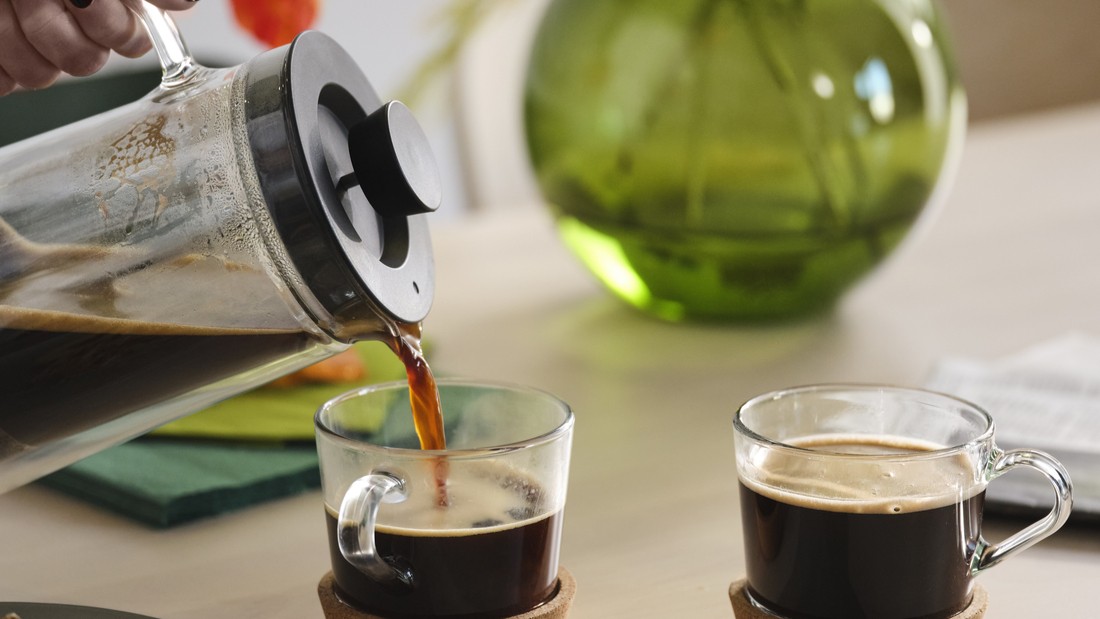
Coffee equipment plays a crucial role in shaping the experience of brewing coffee at home. In many cases, high-quality coffee beans alone are not enough to produce a consistently satisfying cup. Brewing tools, the brewing process, and the ability to measure key variables work together to influence the final result.
From a barista’s perspective, equipment is not merely technical gear, but a support system for a daily ritual that makes enjoying a cup of coffee more intentional. This article explores coffee equipment in a practical, structured, and experience-driven way for home coffee enthusiasts.
Understanding the role of coffee equipment in flavor and brew quality
To understand coffee quality, the cause-and-effect relationship between tools, process, and taste must be viewed as a single system. In coffee preparation, coffee equipment helps control how coffee beans are ground, extracted, and finally served in a coffee cup. Baristas recognize that small adjustments in grind size, water temperature, or brew time can significantly affect flavor clarity and balance.
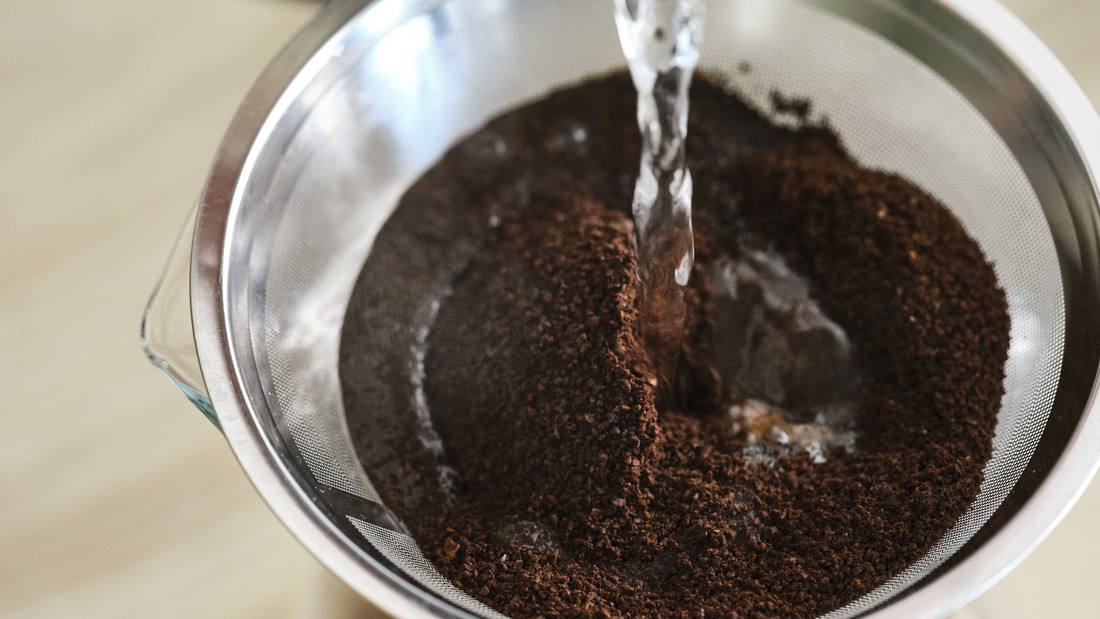
Coffee equipment supports a consistent brewing process. A grinder determines particle size, a scale helps measure the coffee-to-water ratio, and filtering tools guide water flow when ground coffee is placed inside. Without this level of control, the coffee produced often varies from cup to cup. For this reason, coffee-making tools do more than simplify brewing—they help baristas at home achieve consistent and quality-driven results.
Types of coffee equipment based on brewing methods
Choosing the right coffee equipment begins with understanding your preferred brewing style, as each method requires specific tools to extract the best flavor profiles.
Coffee equipment for manual brew
To perform manual brew, coffee equipment emphasizes hands-on control and direct interaction with the brewing process. This method is popular among coffee lovers because it allows experimentation and deeper understanding of flavor development.
Core manual brew tools include:
-
Filter, such as V60, Aeropress, or other coffee drippers, functioning as a filtering tool to separate grounds from liquid coffee. Paper filters are commonly used to maintain clarity.
French press is a tool that works with air pressure and vacuum, while AeroPress is valued for its flexibility in manual coffee brewing.
Coffee equipment for espresso-based coffee
To produce espresso, coffee equipment relies on pressure-based extraction. Espresso machines fall into the category of tools that use pressure to extract coffee quickly and efficiently.
Essential espresso equipment includes:
This setup allows baristas to control pressure precisely and create a rich crema similar to what is served in a coffee shop.
Read also: 6 tips and tricks to start your own coffee shop
Coffee equipment based on drinking habits and routines