To make the learning experience more optimal, a whiteboard needs to be supported with the right tools. The right writing tools not only help children understand lessons but also make the learning process more enjoyable and varied. Here are some options you can consider.
Colored chalk to make learning more fun
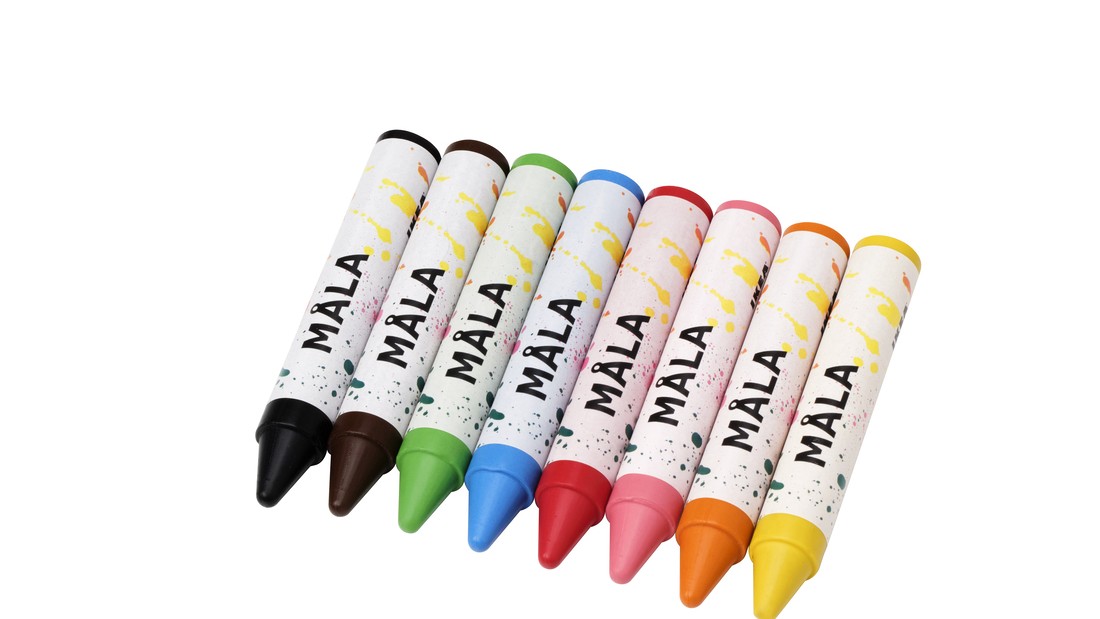
Using colored chalk can add a visually engaging element when children learn on the whiteboard. Bright colors help children stay focused while making writing and drawing activities more enjoyable.
Color variations also help children distinguish between concepts or categories when learning. You can complement this need with 9-color chalk that is practical for various creative activities.
Whiteboard markers for clearer writing
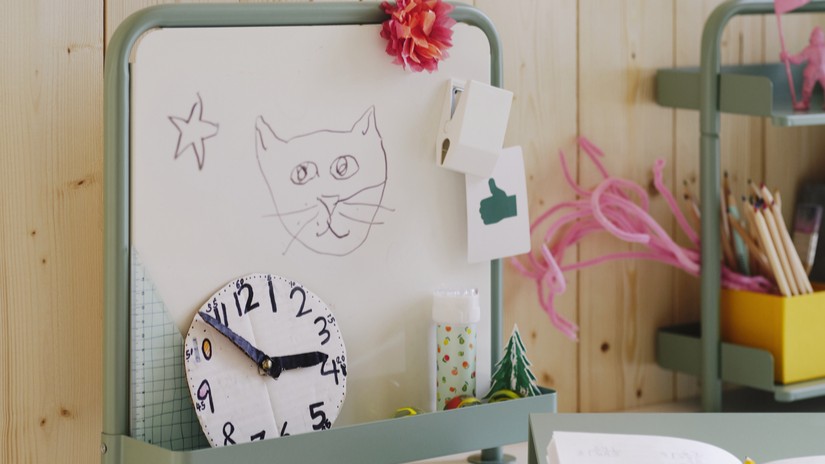
Whiteboard markers are a suitable choice for writing activities that require clarity and neatness. Easy-to-erase ink allows children to try, correct, and repeat without worrying about making the board dirty.
This supports a more flexible and repetitive learning process. For daily use, you can choose whiteboard markers with 4 colors + eraser that make it easier for children to switch between colors as needed.
Combination of writing tools for various learning activities
Combining chalk and markers at the same time can open up more possibilities for learning activities at home. Children can write, draw, and even do calculations in a more interactive and engaging way.
This combination also helps children express their ideas freely, whether for school assignments or creative exploration. With diverse writing tools, the whiteboard becomes not only a learning medium but also a space for children to develop their imagination every day.
Read also: Things parents need to prepare beyond stationery for the new school year
The role of children's whiteboards in family learning routines
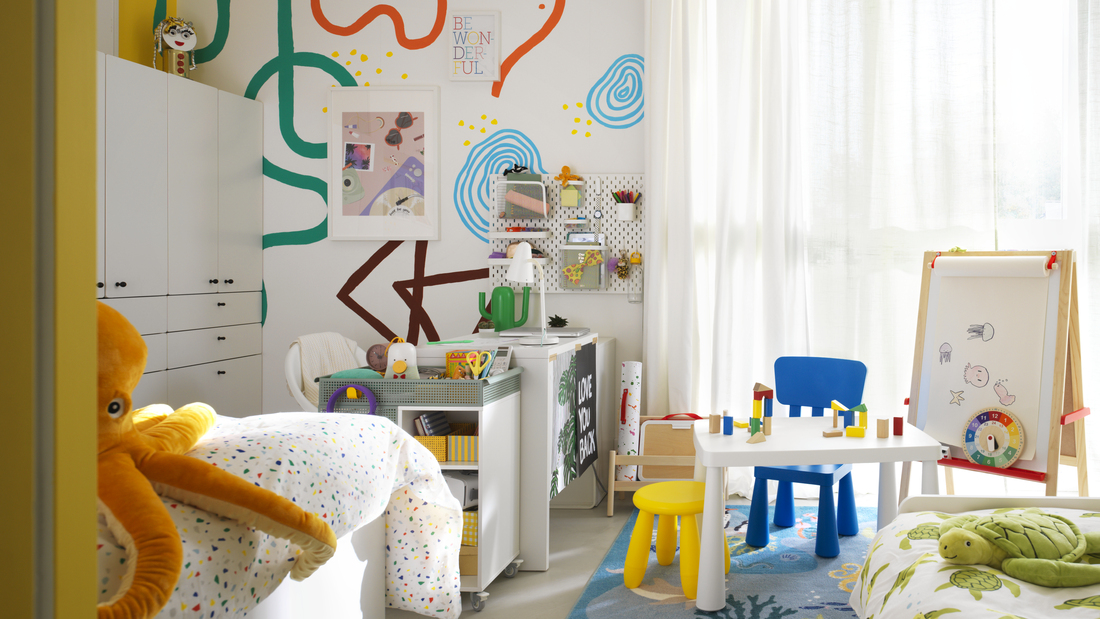
A whiteboard is not just a play tool, but also an interactive medium that helps children learn visually and actively. With a more dynamic approach, children can understand material through direct practice, not just by reading or listening.
1. Helping children understand lessons visually
Whiteboards provide space for children to write, draw, and repeat material in a way that is easier to understand. These activities help children retain information because they are directly involved in the learning process.
This method is especially suitable for children with visual and kinesthetic learning styles that require physical interaction to grasp concepts. With this approach, learning feels more engaging rather than monotonous.
2. Encouraging more structured learning habits
In addition to learning materials, whiteboards can also be used to organize children’s daily activities. You can use them to write study schedules, task lists, or simple reminders that are easy to see every day.
This habit helps children recognize activity patterns and build more consistent routines. With clear visualization, children can better understand what needs to be done without constant reminders.
3. Becoming a fun space for expression at home
Whiteboards also function as a place for children to freely express their ideas and creativity. Children can draw, write short stories, or simply doodle as part of their exploration process.
Since it is easy to erase, children do not have to worry about making mistakes, allowing their confidence to grow. The learning atmosphere becomes more relaxed and less rigid, making the home a space that supports children’s overall development.
Read also: 10 inspirations for a comfortable and creative kids playroom at home
Children's whiteboards as part of adapting family routines