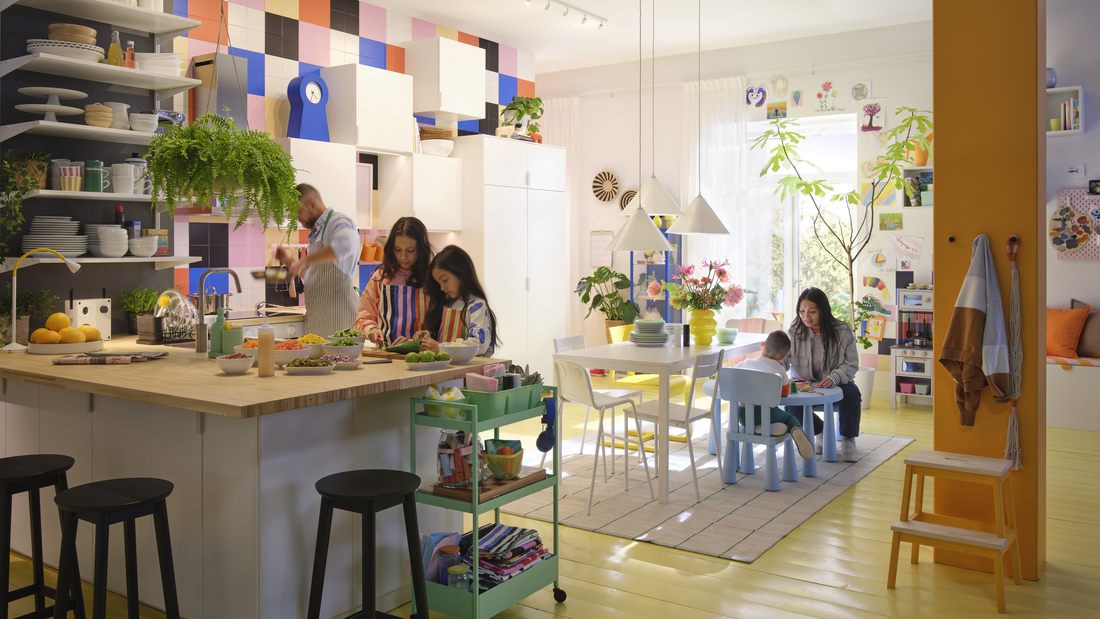
Children love exploring their surroundings. As they begin to crawl, stand, and walk, they become more curious about touching objects, opening drawers, and reaching for furniture.
That is why the home environment needs to be adapted to make it safer for them. One way to do this is through childproofing, which involves making changes to the home to help reduce the risk of accidents involving children.
Childproofing measures should be tailored to a child's age, stage of development, and daily activities. So, which areas of the home need to be made safer? Here is a guide to help you get started.
Childproofing measures should be adapted to a child's age and stage of development. Safety products can help reduce the risk of injury, but they do not replace adult supervision.
Understanding childproofing and its benefits for families
Childproofing involves adapting the home environment and using safety products to reduce potential hazards for children. The goal is to help create a safer environment for them to play, learn, and carry out everyday activities.
You can start by observing your child’s habits, such as frequently opening drawers or beginning to pull themselves up on tables to stand. Understanding these behaviours can help you identify which areas of the home need attention first.
Areas of the home that need to be made safer for children
Each room presents different potential hazards. Here are some areas to check:
-
Living room: Check for sharp table corners, dangling cables, rugs that can easily slip, and tall furniture that could tip over.
-
Kitchen: Keep knives, hot appliances, medicines, and cleaning products out of children’s reach. Make sure drawers or cabinets containing hazardous items can be secured.
-
Bedroom: Check that wardrobes and drawers are stable. Avoid placing objects near the bed that children could pull down or knock over.
-
Doors and windows: Be aware of the risk of trapped fingers and the possibility of children opening windows without supervision.
-
Bathroom: Keep the floor dry, secure cleaning products, and pay attention to slippery surfaces that could cause children to fall.
Read also: Designing a kids room with two beds and optimal solutions for a children's bedroom
Essential items for making your home safer for children
Before purchasing safety products, identify the risks that need to be addressed first. Corner protectors, cabinet locks, and socket covers serve different purposes, so choose them based on your home’s specific needs.
Some useful safety products to consider include:
-
Corner protectors: Help reduce the risk of injury from bumping into sharp table or cabinet corners.
-
Drawer and cabinet locks: Help restrict children’s access to storage areas containing hazardous items.
-
Socket covers: Help prevent children from inserting their fingers or objects into electrical sockets.
-
Door stoppers: Help reduce the risk of children getting their fingers caught when doors move.
-
Anti-slip rug underlays: Help keep rugs in place and prevent them from sliding easily.
How to childproof your home
You do not have to make your entire home safer all at once. You can start gradually by following these steps:
-
Look at your home from a child’s perspective. Check which objects children can reach when crawling or standing, including cables, drawers, and furniture corners.
-
Address the most serious risks first. Secure chemicals, sharp objects, electrical sockets, and tall furniture that is not firmly anchored.
-
Install safety products according to their purpose. Follow the product instructions and ensure the mounting surface is suitable for the safety feature to work as intended.
-
Check your home regularly. As children grow, areas that were previously out of reach may become accessible.
-
Maintain active supervision. Keep an eye on children while they play, especially near stairs, windows, kitchens, and bathrooms.
Read also: Flexible comfortable safe space for everyone
Recommended child safety products for your home
If you want to make your home safer for children, IKEA offers a variety of children's safety products that can help reduce the risk of accidents in different areas of the home.
1. UNDVIKA corner bumper
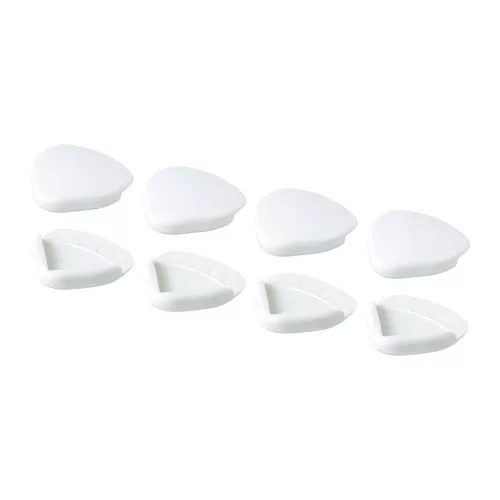
UNDVIKA helps reduce the risk of children bumping into sharp table or cabinet corners. Made from EVA plastic, the product comes with eight white corner protectors.
The adhesive is suitable for smooth surfaces, including painted wood or metal, glass, and laminated particleboard.
2. PATRULL safety plug
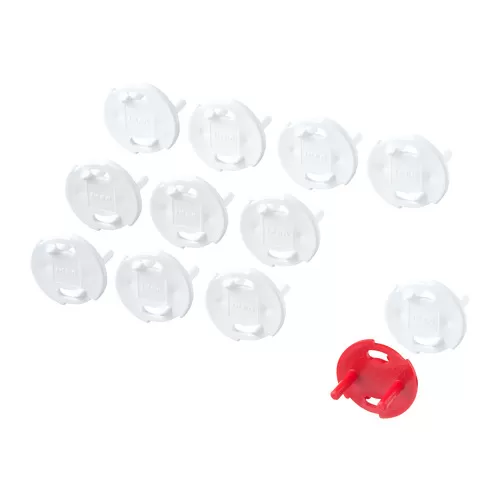
PATRULL safety plugs come in a pack of 12 and are made from polypropylene plastic. They help block access to unused electrical sockets and include a special key to help remove them.
3. UNDVIKA multi latch
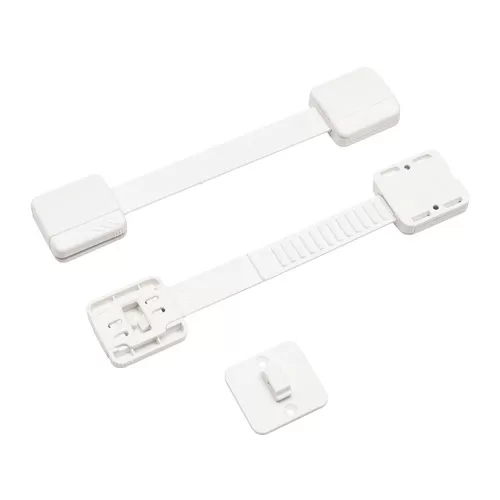
Drawers and cabinets can attract curious children who enjoy opening things around the house. The UNDVIKA multi latch comes in a pack of two and can help restrict access to drawers, refrigerators, and certain doors.
It can be installed using adhesive on flat surfaces or screws on uneven surfaces.
4. STOPP FILT rug underlay with anti-slip
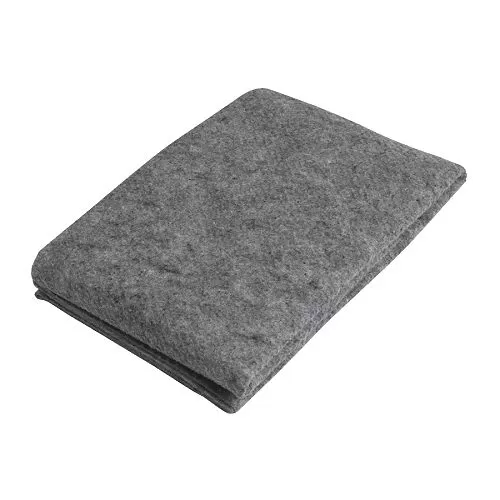
Rugs that slide easily can increase the risk of tripping while children play or walk. Measuring 190 × 280 cm, STOPP FILT is made from polyester containing at least 90% recycled material, with a synthetic latex anti-slip coating.
The underlay can be cut or folded to fit your rug and helps keep it in place.
5. SOLSTOL cabinet lock
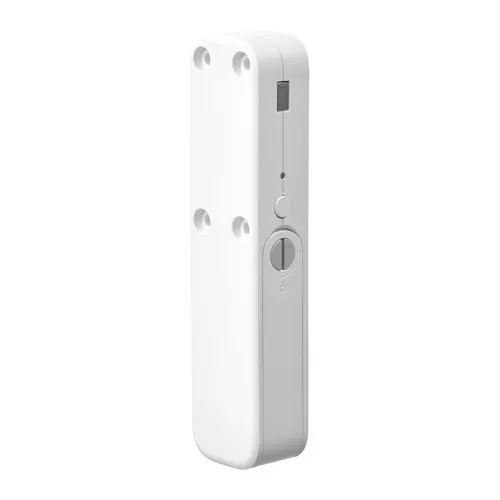
SOLSTOL helps restrict children’s access to cabinets containing hazardous items. It uses NFC technology and can be paired with up to 10 compatible NFC tags or cards.
Create a safer home for children with IKEA
Making your home safer can start with small changes that suit your family’s needs. By identifying potential hazards and choosing suitable safety products, you can create an environment that supports children as they play and explore.
If you are preparing your home to be safer for little ones, IKEA offers a range of products that can help secure furniture corners, drawers, electrical sockets, and cabinets. Choose products based on your home’s needs and follow the installation instructions.
Visit IKEA.co.id to explore home accessories and solutions that suit your family’s needs.
FAQ
Childproofing means making changes to the home to help reduce the risk of accidents involving children.
It is best to check your home’s safety before your child begins actively crawling and exploring their surroundings.
Prioritise areas with serious risks, such as the kitchen, electrical sockets, storage areas containing hazardous items, and tall furniture that is not securely anchored.
Examples include corner protectors, socket covers, safety latches, door stoppers, and cabinet locks.
No. Safety products help reduce risks, but adult supervision is still essential.