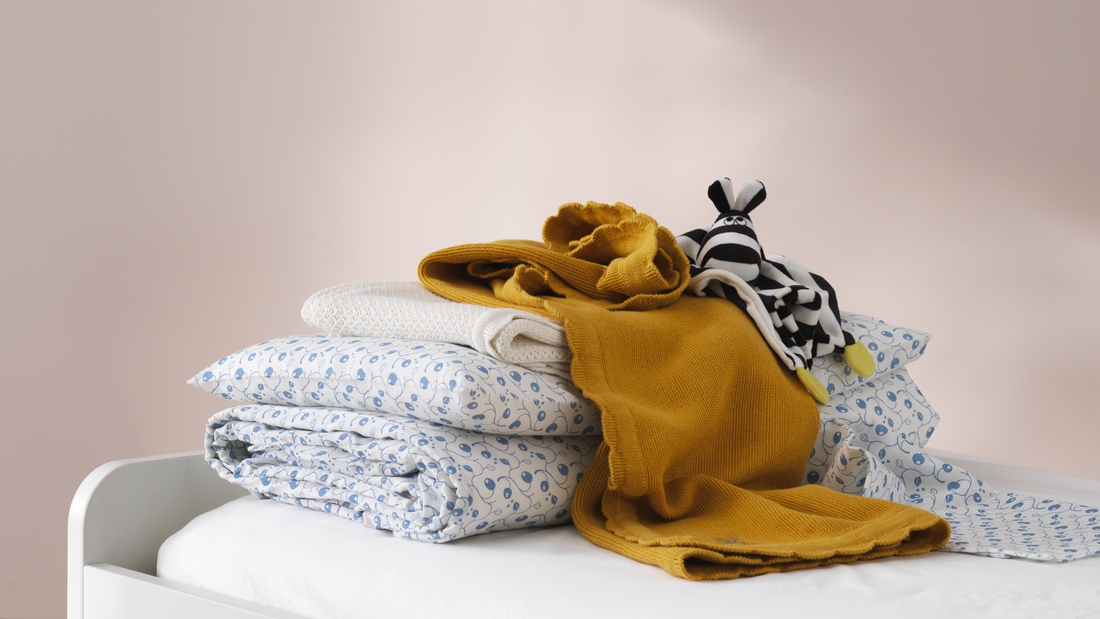
A blanket is one of the essential elements for better and more restful sleep. Choosing the right blanket can enhance your sleeping comfort, especially if you enjoy sleeping in a cool room or live in a cold-weather area.
However, aside from selecting a blanket suitable for the season, properly maintaining your blanket also plays a significant role in keeping it soft and comfortable.
In this article, discover tips on choosing a blanket and how to care for it based on the best blanket materials for ultimate comfort.
Why is blanket care important?
Proper and careful blanket maintenance can increase its lifespan and ensure your sleeping comfort. Here are some key benefits of good care:
1. Preserves the quality of the blanket material
Every blanket is made from different materials, such as cotton, polyester, wool, flannel, or fleece. If not cared for properly, the texture of the blanket can become rough, wrinkle easily, or even get damaged.
2. Prevents allergies and irritations
Synthetic materials like polyester and microfiber tend to attract dust and dirt more easily. Therefore, it is essential to wash and clean them regularly to keep them hygienic and safe for your skin health.
IKEA’s polyester blankets are highly resistant to wrinkles and shrinkage, making them an excellent choice if you are looking for a long-lasting, high-quality blanket.
3. Regulates body temperature well
Lightweight blankets that are not too thick help keep body temperature stable throughout the night. Conversely, blankets that are too thick or too thin can cause discomfort while sleeping.
4. Enhances bedroom aesthetics
Well-maintained cotton or wool blankets will look neater and last longer. High-quality blanket materials like wool also provide a luxurious and elegant appearance in your bedroom.
IKEA offers various blanket options with modern designs and stylish colors, allowing you to choose a contemporary look without breaking the bank.
Read More: 6 Differences between a bed cover and a blanket: An easy and practical guide
Types of blanket materials and How to care for them
Each type of blanket has its advantages and requires specific care. Here are some of the best blanket recommendations based on their materials:
1. Cotton blankets
Cotton fabric is known for being soft and comfortable for sleeping. Cotton blankets also have good airflow, preventing overheating and ensuring a restful sleep.
Care Instructions:
2. Wool blankets
Wool blankets are ideal for cold weather as they help retain body heat. Wool also absorbs moisture well, keeping the blanket warm and comfortable.
Care Instructions:
3. Polyester blankets
Made from durable synthetic materials, polyester blankets are easier to maintain than other blankets. They are lightweight and suitable for all seasons.
Care Instructions:
4. Flannel blankets
Flannel blankets are known for their soft and comfortable texture. They are usually thicker than cotton blankets, providing extra warmth in air-conditioned rooms.
Care Instructions:
5. Fleece blankets
Fleece blankets are often used to provide extra warmth. This thick blanket material is perfect for babies due to its softness.
Care Instructions:
Common mistakes in blanket care
Avoiding common mistakes in blanket care can help maintain its quality and durability:
-
Drying blankets at high temperatures, especially those made of cotton, wool, and microfiber, can cause shrinkage.
Tips for choosing a blanket to keep it clean and comfortable